📊 Full opportunity report: What Your Routine Selfies Can Tell You About Skin Changes on IdeaNavigator AI — validation score, market gap, and execution plan.

Get business pricing on monitors, keyboards and dev gear
- Business-only prices and quantity discounts
- Tax-exempt purchasing
- Multiple users, one account, clear invoices
TL;DR
IdeaNavigator AI has outlined a product concept that would use guided weekly selfies to track skin texture, tone and blemishes as people follow skincare routines. The proposal suggests testing it with 500 users over 12 weeks and comparing app scores with dermatologist assessments; no results from such a trial are provided.
IdeaNavigator AI’s concept description proposes a skincare app that uses guided weekly selfies to track changes in skin texture, tone and blemishes, alongside a 12-week test with 500 users to evaluate the idea. The proposal identifies a common difficulty for people buying skincare products: gradual changes can be hard to judge from memory or inconsistent bathroom lighting, but it does not report that the app has been built or validated.
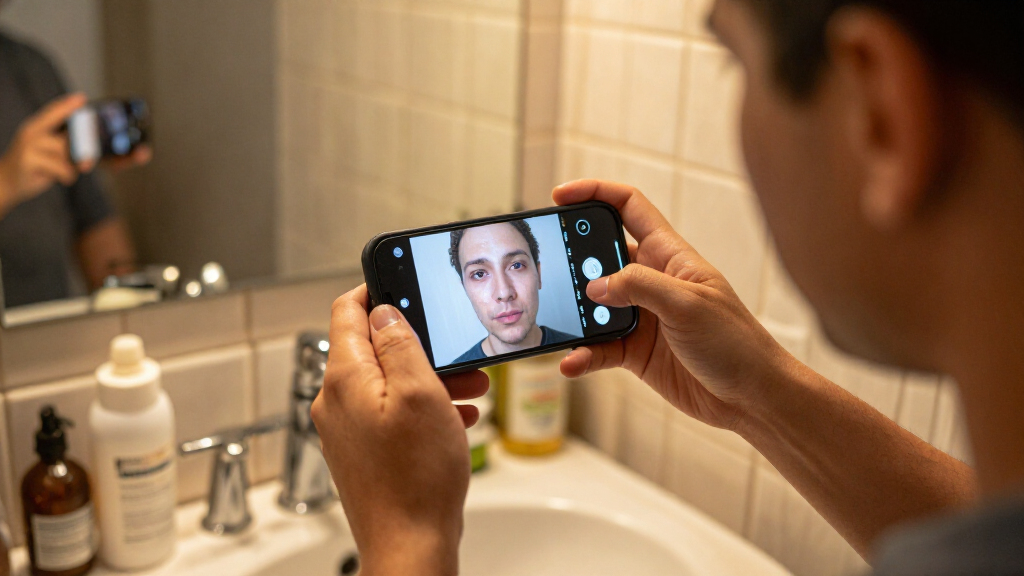
According to the IdeaNavigator AI concept description, the proposed app would prompt users to take regular photos using a guided capture process intended to keep face alignment and lighting consistent. It would then score selected skin measures over time and let users record changes to their routines. The goal would be to show whether measured changes followed a routine adjustment, rather than asking users to rely only on day-to-day impressions.
IdeaNavigator AI frames the intended customer as someone spending money on skincare without knowing whether a routine is helping. The concept estimates that routines can cost $50 to $200 per month, but provides no survey or other evidence establishing how broadly that spending range applies. Its proposed business model combines subscriptions with affiliate revenue from products associated with user improvement.
For validation, the concept calls for a 12-week cohort of 500 users, with app-generated measurements checked against dermatologist assessments of photos for a subset of participants. Retention would also be measured. These are plans described by IdeaNavigator AI, not reported study results: no study has been reported as completed, and no accuracy figures, participant outcomes or dermatologist findings are available.
Testing Skincare Progress in Photos
IdeaNavigator AI’s proposal focuses on a practical challenge: skin changes can unfold gradually, making it difficult for a person to tell whether a product is helping, having no visible effect or coinciding with a change caused by something else. Consistent photographs could give users a more structured record than memory alone, particularly when they are deciding whether to continue a routine that costs tens or hundreds of dollars monthly.
But a numerical score is useful only if it measures changes reliably. Lighting, camera position, facial expression and image quality can affect how skin appears. A guided capture system may reduce some variation, but the proposed comparison with dermatologist photo assessments is a test plan described by IdeaNavigator AI, not proof that the app can accurately measure skin or identify which product caused an improvement.
The commercial design outlined in the proposal also matters to users. If a service earns affiliate revenue when people buy products it associates with improvement, users would need clear information about those relationships and how recommendations are generated. The concept does not describe safeguards, disclosure practices or how it would distinguish a product’s effect from other routine changes.
As an affiliate, we earn on qualifying purchases.
From Routine Tracking to Validation
IdeaNavigator AI presents the concept within beauty technology and skincare apps, where digital tools can help people record routines and appearance over time. Its focus is narrower than a general skincare guide: it proposes repeated photographs, selected visual measurements and notes on when a user changes products or habits.
The concept identifies texture, tone evenness and blemish counts as possible measures. It also proposes annotating routine changes and showing which changes occurred before measured improvement. That sequence could help users review their records, but timing alone would not establish that a specific product caused the change. The plan, as described by IdeaNavigator AI, does not specify clinical outcomes or a method for accounting for other influences on skin.
The suggested 500-person cohort and dermatologist comparison are therefore central to the proposal, rather than results that can already be reported. The concept provides no information about a named developer, a release schedule, a completed trial or a published validation study. Its claims about the potential for current capture methods and skin-metric models to measure change credibly remain to be tested in this application.
As an affiliate, we earn on qualifying purchases.
Accuracy, Causes and Trial Status
Key evidence is not yet available: IdeaNavigator AI’s concept description reports no trial findings showing whether the proposed scores match dermatologist assessments, how often photos would be usable, or whether users would keep participating over 12 weeks. The plan does not specify how many participants would receive dermatologist review or how agreement between app scores and assessments would be measured.
It is also unclear how the proposed app would handle different skin tones, lighting conditions, camera types and skin concerns, or whether its measures would apply equally across users. The proposal does not establish that the system could identify which routine change preceded an improvement in a way that supports a causal conclusion. The description provides no product launch, pricing for the proposed subscription or affiliate arrangement, or data-handling policy.
dermatologist-approved skin scanner
As an affiliate, we earn on qualifying purchases.
As an affiliate, we earn on qualifying purchases.
Evidence Needed Before Launch
According to IdeaNavigator AI’s proposal, the next step would be a 12-week study involving 500 users, with photo assessments by dermatologists for a subset and retention tracking across the cohort. Those results could show whether participants can consistently capture images, whether app measurements align with professional reviews and whether users continue using the tool.
No start date, recruitment details or timetable for releasing findings has been provided in the concept description. Until a study is conducted and its methods and results are available, the idea should be understood as a proposed product and validation plan—not evidence that selfie tracking can prove a skincare routine works.
Source: IdeaNavigator AI
As an affiliate, we earn on qualifying purchases.
Key Questions
Has a selfie-based skincare tracker launched?
The available description outlines a product concept. It does not confirm that an app has launched or provide a release date.
What would the proposed app measure?
It would track selected visual measures, including skin texture, tone evenness and blemish counts, using guided weekly photographs.
Has the app been shown to measure skin changes accurately?
No accuracy results are provided. The proposal suggests comparing app scores with dermatologist assessments of photos for some participants, but reports no completed validation.
Would the photos prove that a product caused improvement?
Not by themselves. Recording when a routine changes and when skin measurements shift can show timing, but the proposal does not establish that this would prove cause and effect.
What study is proposed?
The plan calls for a 12-week cohort of 500 users, a dermatologist comparison for a subset and measurement of participant retention. No trial dates or results are given.
Source: IdeaNavigator AI
Halloween Picks
halloween
As an affiliate, we earn on qualifying purchases.