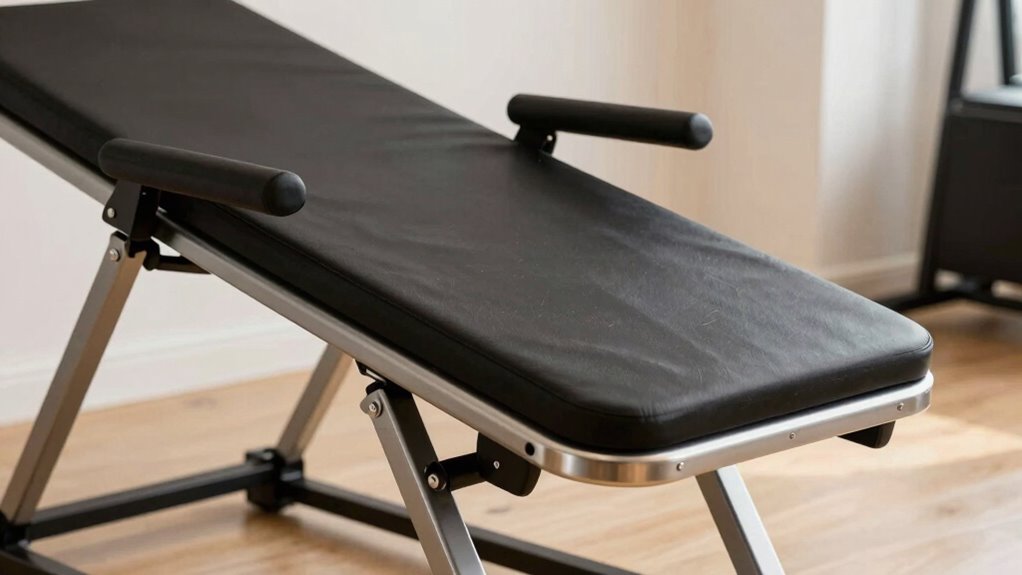

If you have high blood pressure, heart problems, glaucoma, or are pregnant, you should avoid using inversion tables, as they can cause dangerous blood pressure spikes, increased cardiac strain, or eye pressure issues. Spinal injuries or conditions like hernias also make inversion risky. Always consult a healthcare professional before trying inversion therapy. Keep exploring to discover safer options and learn when inversion might be harmful for you.
Key Takeaways
- Individuals with high blood pressure, heart disease, glaucoma, or spinal injuries should avoid inversion tables due to increased health risks.
- Pregnant women and those with eye conditions like glaucoma should not use inversion therapy to prevent eye pressure complications.
- People on blood thinners or with stroke history face heightened danger from inversion-related blood pressure fluctuations.
- Those with hernias, spinal issues, or recent ear infections should avoid inversion to prevent worsening symptoms or injury.
- Always consult a healthcare professional before using an inversion table to ensure safety based on individual health conditions.

INNOVA HEALTH AND FITNESS ITM5900 Advanced Heat and Massage Inversion Table, Gray/Black
- Full Spine Massage Pad: Covers entire spine with heat and massage
- Product Dimensions: 46" H x 28" W x 61" D
- Adjustable Inversion System: Six-position pin with protective cover
As an affiliate, we earn on qualifying purchases.
As an affiliate, we earn on qualifying purchases.
Who Should Avoid Using Inversion Tables
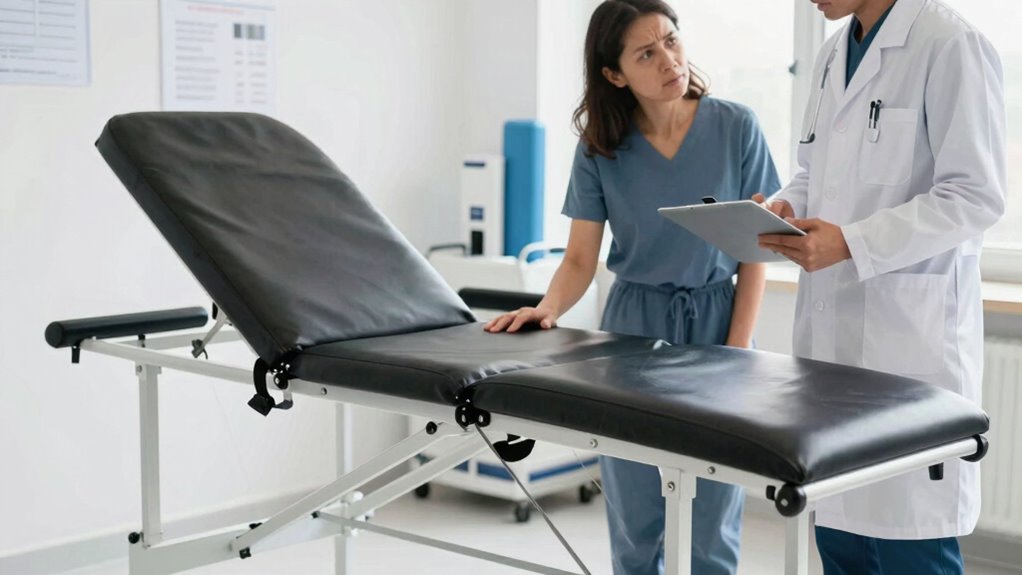
While inversion tables can provide relief for some back issues, they’re not suitable for everyone. If you have certain contraindications, such as high blood pressure, heart disease, or glaucoma, using an inversion table could worsen your condition. Precautions are essential; always consult your healthcare provider before starting inversion therapy. People with osteoporosis or spinal injuries should avoid inversion tables altogether, as the added pressure might cause harm. Pregnant women should also steer clear, since inversion can affect blood flow. If you’re on blood thinners or have a history of stroke, inversion therapy could increase risks. Recognizing these contraindications and precautions helps ensure your safety, preventing potential complications associated with inversion table use. Always prioritize professional advice before trying inversion exercises. Proper bedding and sleep comfort tools can also play a role in managing back health and overall well-being. Being aware of medical contraindications and understanding spinal health considerations can help you make informed decisions and avoid adverse effects. Additionally, understanding the risks of inversion therapy can guide you in making safer choices for your health. It’s also beneficial to consider cultural perspectives on health and how traditional practices might influence your approach to wellness.
INNOVA HEALTH AND FITNESS ITM5900 Advanced Heat and Massage Inversion Table, Gray/Black
- Full Spine Massage Pad: Covers entire spine with heat and massage
- Product Dimensions: 46" H x 28" W x 61" D
- Adjustable Inversion System: Six-position pin with protective cover
As an affiliate, we earn on qualifying purchases.
As an affiliate, we earn on qualifying purchases.
Medical Conditions That Make Inversion Table Use Dangerous
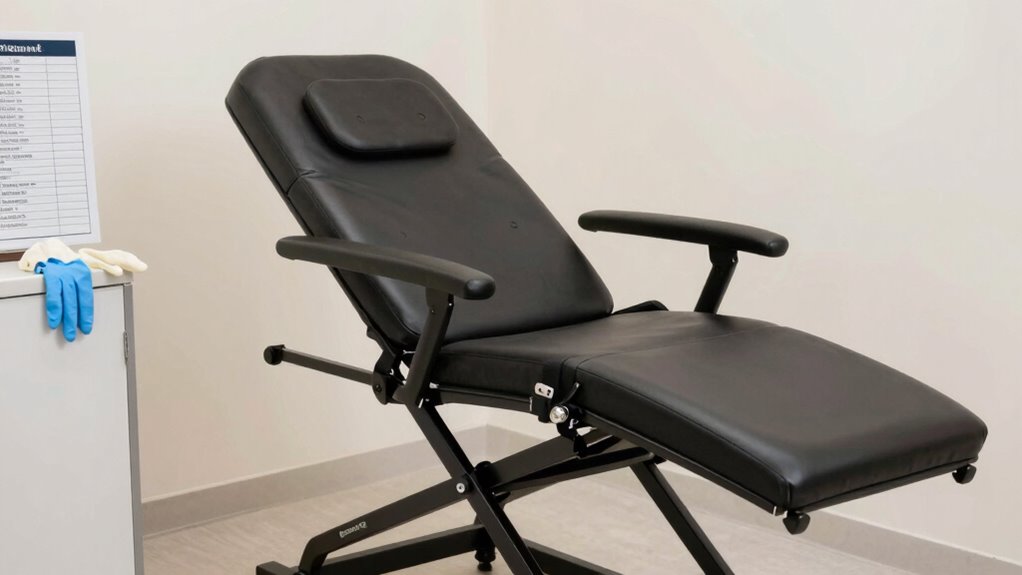
Certain medical conditions can make using an inversion table risky, and it is crucial to recognize these before starting therapy. Conditions such as glaucoma, hernias, or certain spinal issues are contraindications for inversion therapy, as the increased pressure can worsen your condition. If you have cardiovascular problems, vertigo, or are pregnant, inversion might pose serious health risks. Always follow safety precautions and consult your healthcare provider before trying an inversion table. Ignoring contraindications can lead to complications like increased blood pressure, nerve damage, or worsened symptoms. Be cautious, and don’t assume inversion is safe for everyone. Knowing your medical history and understanding safety precautions ensures you don’t put yourself at unnecessary risk when considering inversion therapy. Additionally, individuals with certain health conditions may be more susceptible to adverse effects and should proceed with caution. Understanding medical contraindications helps in making informed decisions and avoiding potential complications. It is also important to be aware of the proper usage techniques to minimize risks and ensure safe practice. Being informed about risk factors can further aid in identifying when inversion therapy might be unsafe for you. Moreover, consulting a healthcare professional about your specific medical history can help determine if inversion therapy is appropriate for you.
INNOVA HEALTH AND FITNESS ITM5900 Advanced Heat and Massage Inversion Table, Gray/Black
- Full Spine Massage Pad: Covers entire spine with heat and massage
- Product Dimensions: 46" H x 28" W x 61" D
- Adjustable Inversion System: Six-position pin with protective cover
As an affiliate, we earn on qualifying purchases.
As an affiliate, we earn on qualifying purchases.
Why High Blood Pressure and Heart Issues Are Risks
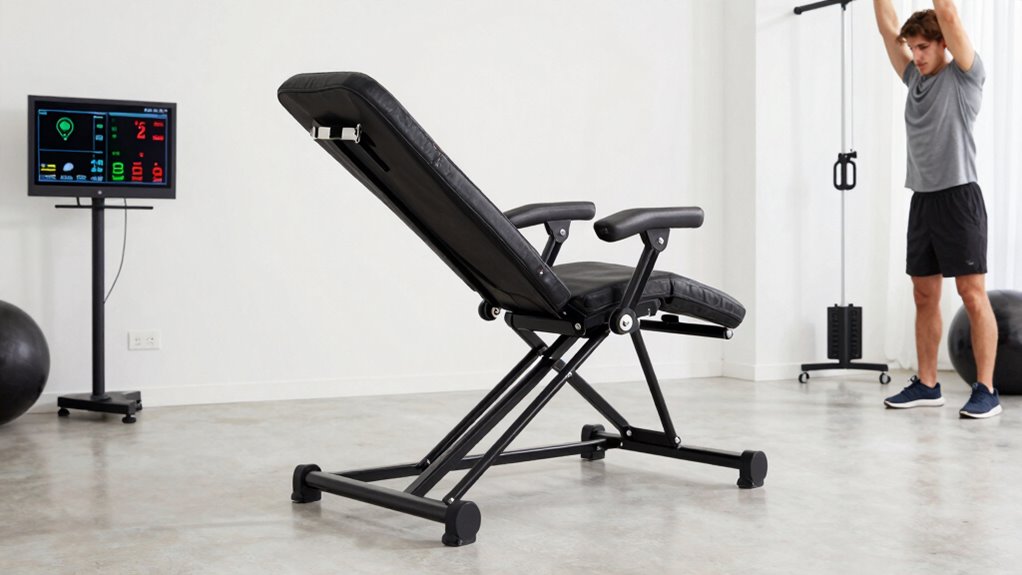
If you have high blood pressure or heart problems, inversion tables could be risky. The position can cause blood pressure to fluctuate unexpectedly, putting extra strain on your heart. This increased cardiac stress might worsen your condition, so it’s best to consult your doctor before trying inversion therapy. Additionally, car protection devices like remote car covers can help keep your vehicle safe during health-related absences or when parking in risky areas. Being aware of precious metal investments can also help you diversify your financial portfolio during uncertain health periods. Recognizing the importance of home safety measures can further protect your household during times when health issues limit your mobility or ability to respond quickly. Proper emergency preparedness can make all the difference in managing unexpected health or safety challenges at home. Developing health monitoring routines can provide early warning signs and help you take prompt action when needed.
Blood Pressure Fluctuations Risk
Elevating your blood pressure suddenly during inversion can put significant strain on your heart. While inversion benefits may include relief from back pain and improved circulation, rapid blood pressure fluctuations pose serious risks. If your blood pressure spikes unexpectedly, your heart has to work harder to manage the increased load, which can lead to dangerous complications. People with existing hypertension or cardiovascular issues are especially vulnerable. Even if you’re healthy, sudden changes in blood pressure can cause dizziness, fainting, or more severe events. It’s essential to monitor your blood pressure carefully and consult your healthcare provider before attempting inversion therapy. Avoid relying solely on inversion benefits without understanding how fluctuating blood pressure can jeopardize your health. The evolution of arcade games highlights how important it is to understand the mechanics of systems that impact your health. Recognizing health risks of blood pressure fluctuations is crucial for safe inversion practices, especially for at-risk individuals. Being aware of blood pressure management techniques can help mitigate some of these dangers. Additionally, understanding risk management strategies can further protect your health during inversion routines.
Cardiac Strain Concerns
When blood pressure rises suddenly during inversion, your heart must work harder to pump blood against increased resistance. This added strain can be risky if you have existing heart issues or high blood pressure. Elevated blood pressure during inversion puts extra stress on your heart, which can lead to complications like arrhythmias or worsened heart health. If your cardiovascular system isn’t healthy or if you’re prone to hypertension, inversion tables may increase your risk of cardiac strain. Even brief periods of increased blood pressure can be dangerous, so it’s vital to consult your doctor before trying inversion therapy. Understanding cardiac strain is essential for assessing risks and ensuring your safety during inversion exercises. It’s also important to recognize how yarn weight and stitch type can influence the overall safety and effectiveness of your workout or therapy routines. Protecting your heart health means understanding how inversion affects blood pressure and avoiding activities that could overburden your cardiovascular system.
Pregnant Women and Eye Problems: When to Be Extra Cautious
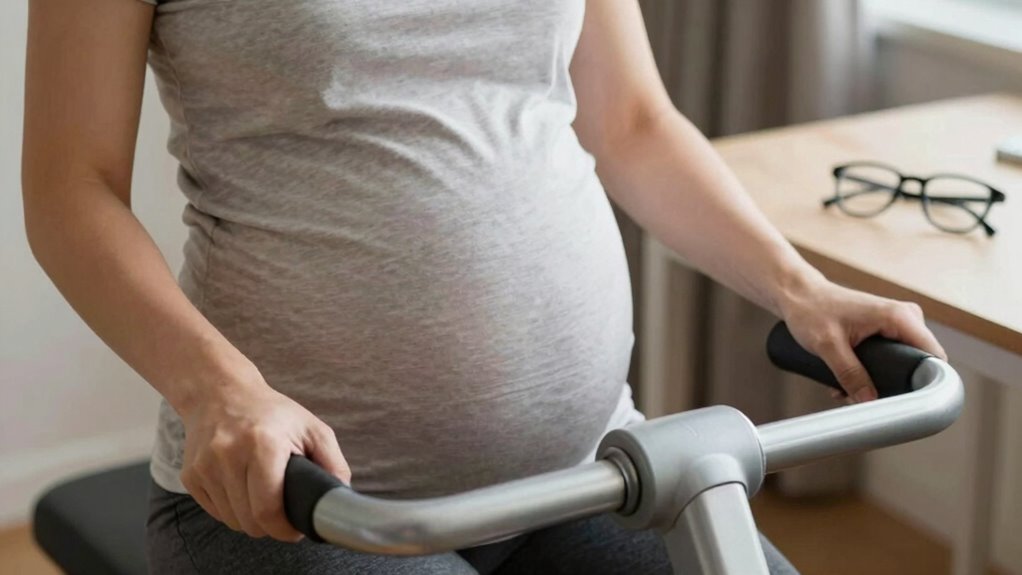
During pregnancy, hormonal changes can increase your eye pressure, making inversion tables riskier. If you have existing eye conditions or notice discomfort, it’s vital to be extra cautious. Always consult your healthcare provider before trying inversion exercises while pregnant. Additionally, being aware of eye health considerations can help you make informed decisions about inversion therapy during this sensitive time. Recognizing medical contraindications ensures that you prioritize safety and avoid potential complications during pregnancy.
Hormonal Changes During Pregnancy
Because hormonal changes in pregnancy can affect your eyes, it’s important to be extra cautious with inversion tables. Hormonal fluctuations can cause your body’s tissues to become more sensitive, increasing the risk of eye discomfort or complications. During pregnancy safety, your body undergoes significant shifts, affecting blood flow and fluid retention, which can impact eye health. Here’s a quick overview:
| Hormonal Fluctuations | Effects During Pregnancy |
|---|---|
| Increased fluid retention | Can cause eye puffiness and dryness |
| Elevated blood volume | Raises potential pressure issues |
| Changes in connective tissue | May affect eye shape and vision |
Being mindful of these changes helps prevent unnecessary strain or injury. Always consult your healthcare provider before using inversion tables during pregnancy.
Elevated Eye Pressure Risks
Elevated eye pressure can pose serious risks, especially for pregnant women who are already experiencing significant hormonal and physiological changes. When you invert on a table, it can increase eye pressure temporarily, which might worsen existing eye conditions or raise the risk of glaucoma. High eye pressure can lead to vision risks, such as blurred vision or, in severe cases, permanent vision loss. If you’re pregnant, your eyes are more sensitive due to changes in fluid balance and blood flow. Using inversion tables may exacerbate these issues, putting your eyesight at unnecessary risk. It’s vital to consult your healthcare provider before trying inversion exercises, especially if you have a history of eye problems or are concerned about maintaining healthy vision during pregnancy.
When to See a Doctor Before Trying an Inversion Table
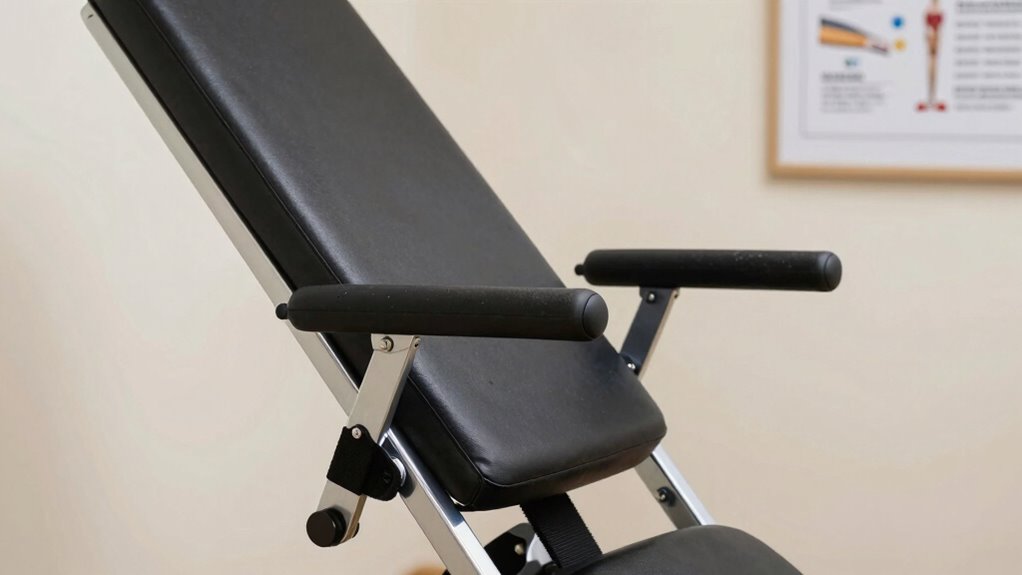
You should see a doctor before trying an inversion table if you have any underlying health conditions that could be aggravated by inversion therapy. Conditions like high blood pressure, heart disease, glaucoma, or ear infections can pose serious risks. A healthcare professional can assess your overall health and advise on exercise safety. If you’re seeking posture correction, it’s important to determine whether inversion therapy is appropriate for your specific needs. Your doctor can help you understand potential risks and recommend safer alternatives if necessary. Avoid jumping into inversion therapy without medical guidance, especially if you have health issues. Ensuring proper guidance helps prevent complications and guarantees that your approach to back health and posture correction is both safe and effective.
Alternatives to Inversion Tables for Back Pain Relief
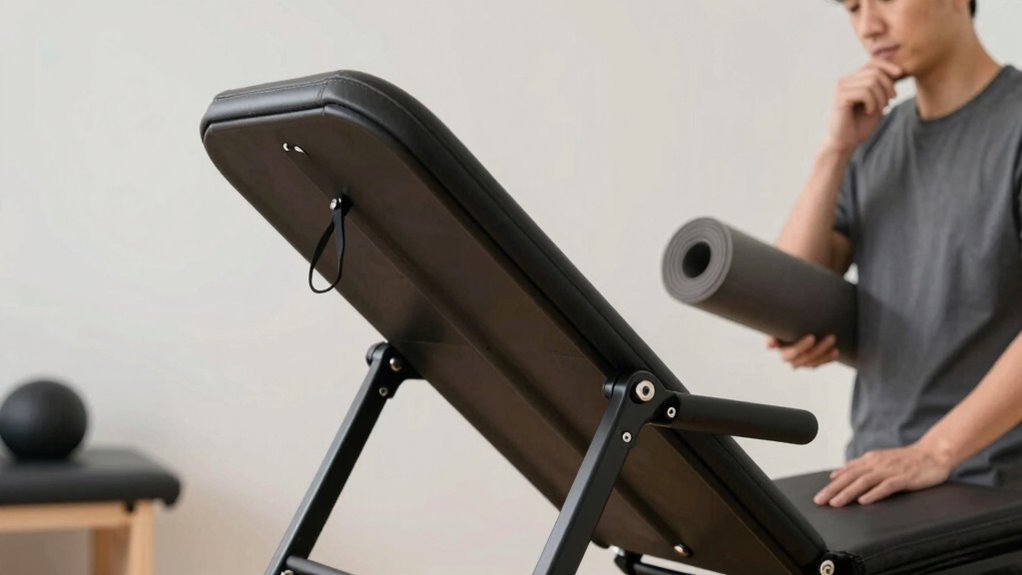
If inversion tables aren’t suitable for your back pain, several effective alternatives can provide relief without the risks associated with inversion therapy. Spinal decompression therapy, for example, uses specialized equipment to gently stretch your spine, relieving pressure on discs and nerves. Physical therapy exercises targeting core strength and flexibility can also help stabilize your back and reduce pain. Additionally, many find relief through alternative therapies like acupuncture, massage, or chiropractic care, which promote relaxation and improve circulation. These options often have fewer risks and can be tailored to your specific needs. Always consult with a healthcare professional to determine which alternative approach best fits your condition, ensuring safe and effective back pain management.
Frequently Asked Questions
Can Children Safely Use Inversion Tables?
Children should generally avoid using inversion tables due to concerns about pediatric safety and inversion risks. Their developing bodies are more vulnerable to strain and injury from inverted positions. You shouldn’t allow kids to use inversion tables without medical approval, as their spine and cardiovascular systems may not handle the stress. Always consult a healthcare professional before considering inversion therapy for children to guarantee safety and proper guidance.
Are Inversion Tables Suitable for Elderly Individuals?
Inversion tables aren’t ideal for elderly individuals because of balance concerns and cardiovascular risks. You might find it challenging to maintain stability, increasing the chance of falls. Additionally, the inverted position can put extra strain on your heart, which could be risky if you have existing cardiovascular issues. Always consult your doctor before trying inversion therapy, especially if you have health conditions or concerns about your balance.
How Long Should I Invert During Each Session?
Think of your inversion session as a delicate dance—start slow and listen to your body’s cues. You should aim for an inversion duration of 1 to 3 minutes per session, gradually increasing as your body adapts. Keep the session length concise, avoiding overexertion. Always pay attention to how you feel, and don’t push beyond your comfort zone. Your safety and comfort are the choreography’s key.
Do Inversion Tables Help With All Types of Back Pain?
Inversion tables can help with many types of back pain by promoting spinal decompression and muscle relaxation. They work best for issues like herniated discs or muscle tension, but may not be effective for all pain causes. You should consult your healthcare provider before trying inversion therapy, especially if you have conditions like hypertension or glaucoma. Overall, they offer relief for some but not all back pain types.
Are There Any Medications That Interact Negatively With Inversion Therapy?
Like mixing oil and water, certain medications can have adverse effects when combined with inversion therapy. You should be cautious about medication interactions and drug contraindications, especially if you’re taking blood thinners, blood pressure meds, or antidepressants. These drugs might amplify or diminish inversion benefits, or cause unexpected side effects. Always consult your healthcare provider before starting inversion therapy to verify your medications won’t interfere or pose risks during inversion sessions.
Conclusion
If you fall into any of these risk groups, it’s best to steer clear of inversion tables—you don’t want to bite off more than you can chew. Always listen to your body and consult a healthcare professional before trying new remedies. Remember, sometimes the grass isn’t greener on the other side, and safety should always come first. Don’t gamble with your health—making informed choices keeps you on the right track.