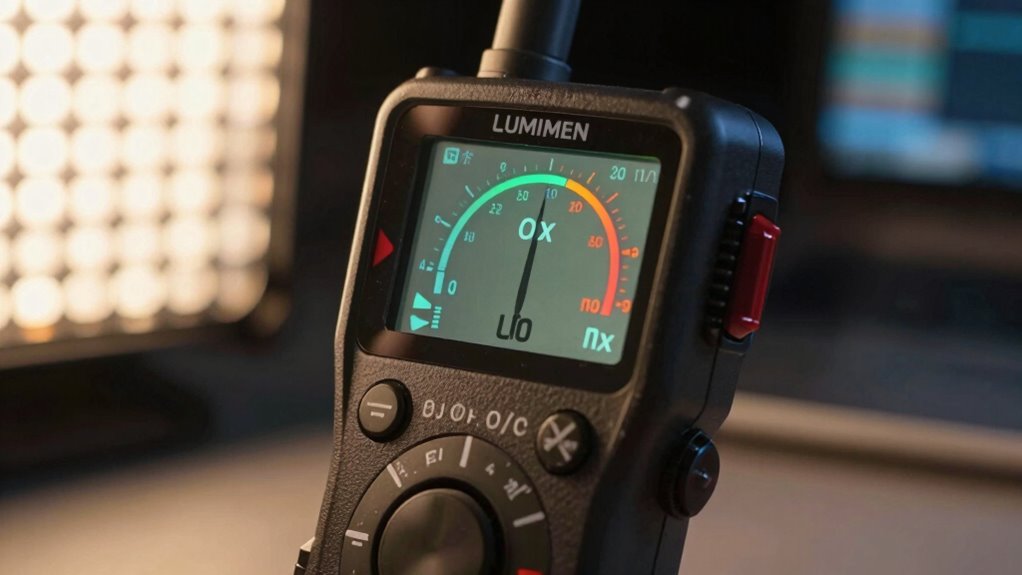

Lumens measure the total amount of light a source emits, so more lumens mean brighter illumination. Lux tells you how much light hits a specific surface, like a desk or wall, indicating how well lit a space is. Nits measure the brightness of screens, affecting clarity, especially outdoors. Each term focuses on different aspects of brightness. If you want to pick the right lighting or display, understanding these differences can make a big difference — keep exploring to learn more.

Get business pricing on monitors, keyboards and dev gear
- Business-only prices and quantity discounts
- Tax-exempt purchasing
- Multiple users, one account, clear invoices
Key Takeaways
- Lumens measure total light emitted, indicating overall brightness, while lux measures light intensity on specific surfaces.
- Nits specifically quantify screen brightness, affecting display clarity and outdoor visibility.
- Higher lumens mean brighter spaces; higher lux indicates brighter surfaces; more nits mean brighter screens.
- Choosing the right term depends on the application: lumens for general lighting, lux for surface illumination, nits for screens.
- Misunderstanding these terms can lead to selecting inadequate lighting or display devices for your needs.
Products Worth Considering

Apple iPad Air 11-inch (M2), 512GB, Wi-Fi, Space Gray

Sonos Era 100 Wireless Smart Speaker, Black

Jackery Explorer 300 Portable Power Station, 292Wh
As an affiliate, we earn on qualifying purchases.
Lumens, Lux, and Nits: What’s the Difference?

Lumens, Lux, and Nits: What’s the Difference?
Understanding the differences between lumens, lux, and nits is essential for evaluating lighting quality. These measurement units each describe different aspects of light, affecting how you perceive brightness. Lumens measure the total amount of light a source emits, regardless of where it’s directed, impacting your overall perception of brightness. Lux, on the other hand, considers how much light hits a specific area, making it useful for tasks requiring uniform illumination. Additionally, measurement units can help you compare lighting options more accurately. The measurement context in which these units are applied also influences how we interpret their values. Nits measure luminance, or the brightness of a display, which influences how vivid and clear images appear to your eyes. Moreover, contrast ratio plays a significant role in overall image quality and visual experience. By understanding these units, you can better judge how lighting will influence your visual perception, whether you’re setting up a workspace or choosing a new screen. Knowing the distinctions helps you select lighting that matches your needs precisely, especially when considering lighting specifications for different environments.
How Lumens Show Total Light Output and Why It Matters
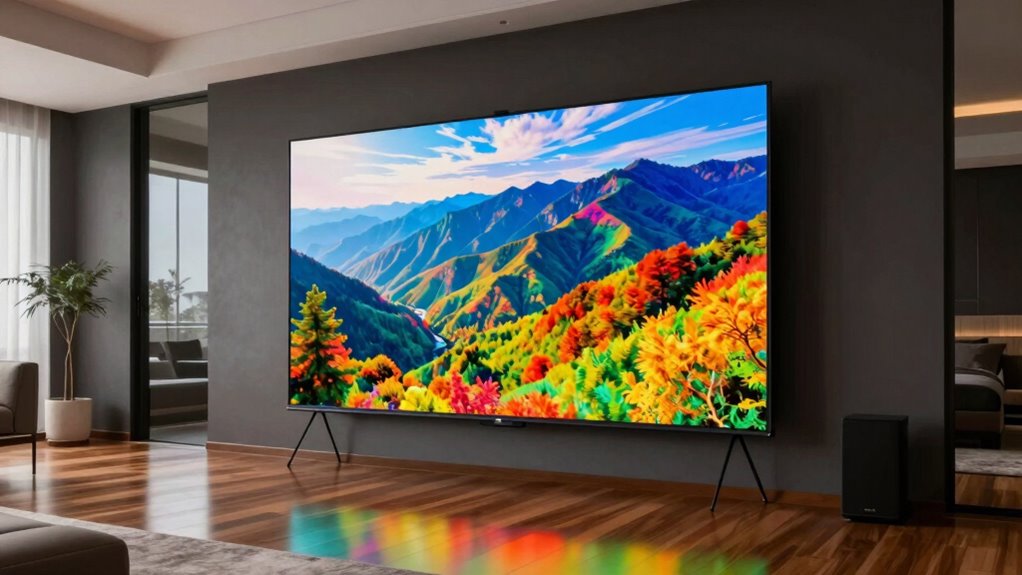
Lumens measure the total amount of light a source emits, giving you a clear idea of its brightness. This total light output directly impacts how well you can see in different environments. Understanding lumens helps you choose the right lighting for your space and activities. Additionally, knowing about high-tech vaping innovations can inform you about the latest advancements in device safety and customization. Being aware of light measurement units enhances your ability to compare lighting options effectively.
Total Light Emission
Total light emission, measured in lumens, indicates how much light a source produces overall. This measurement helps you understand the total brightness your lighting provides, regardless of the direction or area illuminated. When choosing lighting, consider how the total lumens align with your needs for brightness and energy efficiency. A higher lumen count means more light output, which can improve lighting color and visibility, but it may also consume more energy. If you want efficient lighting, look for options that deliver the desired brightness while minimizing energy use. Total light emission is a key factor in selecting the right light source, ensuring your space is adequately lit without wasting power or sacrificing lighting quality. Additionally, understanding lumen output can aid in comparing different lighting options and assessing energy consumption, helping you make informed decisions. Recognizing the relationship between lumens and lighting effectiveness can help you optimize your lighting setup for both safety and efficiency. Incorporating smart lighting controls can further enhance energy savings and customize illumination to your needs. Properly understanding lumen output also enables better lighting design to create comfortable and functional environments.
Impact on Brightness
Knowing how lumens relate to brightness helps you see the real impact of a light source’s output. Higher lumens mean more total light, which can make a space feel brighter or more vibrant. This is especially important when measuring color accuracy, as sufficient brightness guarantees colors appear true to life. If your device isn’t bright enough, details can get lost, affecting your viewing experience. Adjusting brightness settings is essential—too low, and you miss out on clarity; too high, and you risk eye strain or washing out colors. Understanding lumens helps you choose the right lighting for your needs, whether for reading, gaming, or professional work. Ultimately, it’s about making sure your environment is well-lit enough to see clearly and enjoy accurate, vivid visuals.
What Does Lux Tell You About Illuminance on Surfaces?
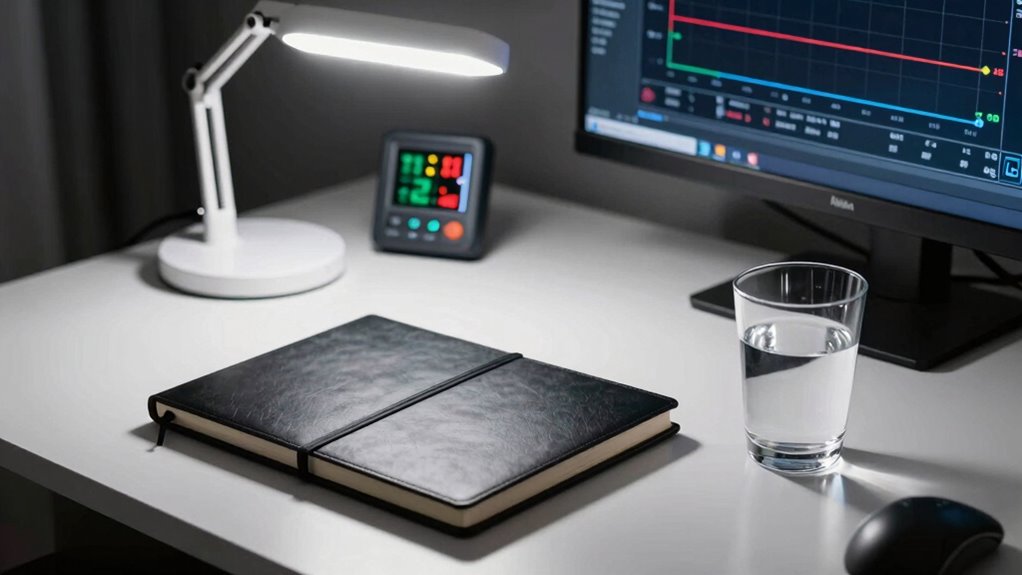
Have you ever wondered how bright a surface appears under different lighting conditions? Lux measures this by quantifying the illuminance on surfaces, directly relating to surface brightness. It tells you how much light hits a specific area, helping you assess if a space is adequately lit. Higher lux values mean a surface appears brighter and more illuminated, enhancing visibility and mood. To visualize this, consider the following:
| Light Level | Effect on Surface Brightness |
|---|---|
| 50 lux | Dim, cozy atmosphere |
| 300 lux | Suitable for offices |
| 1000 lux | Bright, vibrant environment |
Understanding lux lets you gauge how well a surface is lit, essential for creating the right ambiance and ensuring proper illuminance measurement. Recognizing the lux measurement is crucial for selecting appropriate lighting for different environments. Additionally, being familiar with other brightness terms can help you better interpret lighting specifications and improve your lighting choices. Awareness of lighting units helps in comparing different lighting options effectively, especially when considering factors like derating for specific conditions. Knowing how illuminance levels impact human perception can also guide you in designing spaces that are both functional and comfortable.
Why Nits Make Your Screen Bright and Clear
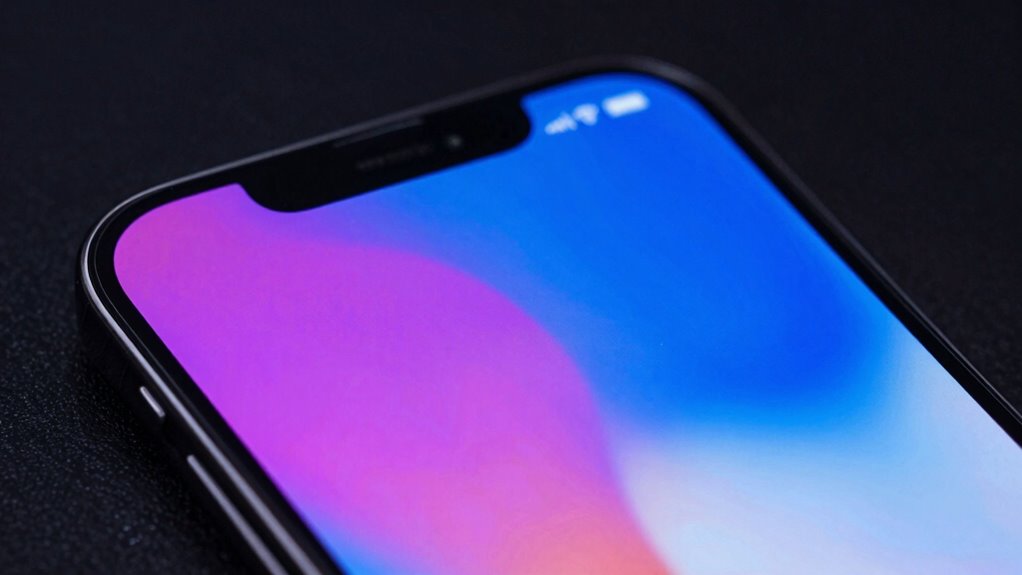
Nits measure how bright your screen appears, making it easier to see content clearly. This measurement directly impacts display clarity, especially in bright outdoor environments. Understanding nits helps you choose screens that stay visible and vibrant wherever you use them. In Victorian steampunk fashion, attention to detail is essential, just as selecting the right brightness ensures optimal viewing experiences. When choosing display devices, considering the brightness level is crucial for optimal performance in various lighting conditions. Additionally, familiarizing yourself with display specifications can help you make more informed decisions about screen quality and visibility. Recognizing the impact of brightness on your viewing experience can help you select devices suited to your environment and usage habits. Being aware of storage considerations can also ensure your devices remain protected and functional over time.
Brightness Measurement Method
Measuring screen brightness with nits offers a clear, standardized way to understand how bright your display truly is. This method relies on precise measurement accuracy, which guarantees consistent results across different devices. To achieve this, calibration techniques are essential; they help eliminate discrepancies caused by ambient light or device variability. Proper calibration involves adjusting the display settings and using specialized tools to measure luminance accurately. By standardizing these measurements, manufacturers and consumers can compare screens reliably. Nits provide a direct, quantitative value that reflects the actual brightness level, making it easier to judge performance and suitability for various environments. Additionally, measurement accuracy plays a vital role in ensuring these readings are trustworthy. Ensuring consistent lighting conditions during measurement can greatly improve measurement reliability and the overall quality of the results. Ultimately, this measurement method helps you make informed decisions when selecting a display that meets your brightness needs.
Impact on Display Clarity
Accurate brightness measurement directly impacts how well your display performs in real-world settings. When you properly calibrate your display, you guarantee the brightness levels match your environment, making images clearer and more vibrant. Nits play an essential role here because they indicate how bright your screen can get, especially in well-lit or ambient lighting conditions. If your display isn’t calibrated correctly, it may appear dull or washed out, reducing clarity. High nits help your screen cut through ambient lighting, making details sharper and colors more vivid. Conversely, too many nits in a dark room can cause eye strain. Proper calibration ensures your display maintains maximum clarity, regardless of ambient lighting, providing a better viewing experience with accurate, crisp visuals.
Suitable for Outdoor Use
When you need your screen to perform outdoors, having sufficient brightness is vital to guarantee visibility and clarity. Nits, a measure of brightness, help your display stand out under outdoor lighting conditions. High-brightness screens with 1,000 nits or more are better suited for outdoor use because they cut through glare and direct sunlight. Additionally, weather resistance plays an important role; outdoor screens must withstand rain, dust, and temperature fluctuations. Look for displays with durable, weather-resistant casings to ensure longevity. This combination of high nits and weather resistance guarantees your screen remains bright, clear, and functional in various outdoor environments, making it ideal for signs, signage, or outdoor displays where visibility is critical.
Which Brightness Measurement Do You Need for Your Situation?
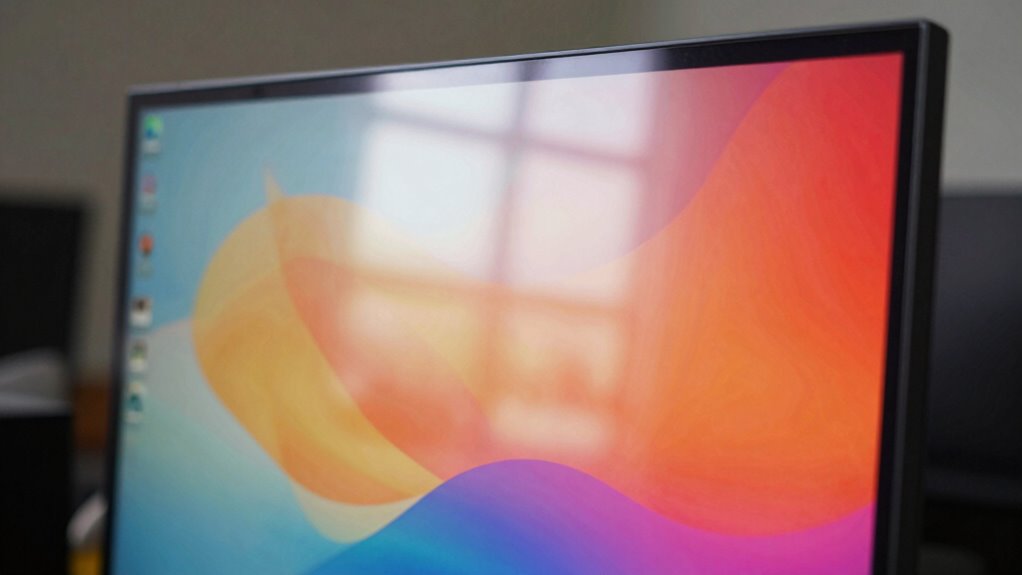
Choosing the right brightness measurement depends on your specific needs and the context in which you’ll use the device. If you’re aiming to reduce light pollution or improve energy efficiency, understanding whether lumens, lux, or nits matter most is key. For outdoor lighting, lumens show total brightness, while lux indicates how much light hits a surface. Nits are useful for screens and displays. Here’s a quick comparison:
| Measurement | Best For | Typical Use Case |
|---|---|---|
| Lumens | Total brightness | General illumination, outdoor lighting |
| Lux | Surface brightness | Indoor environments, reading areas |
| Nits | Screen brightness | Monitors, TVs, smartphones |
Choose accordingly to match your environment and goals.
How to Read Brightness Specs for Better Lighting Choices
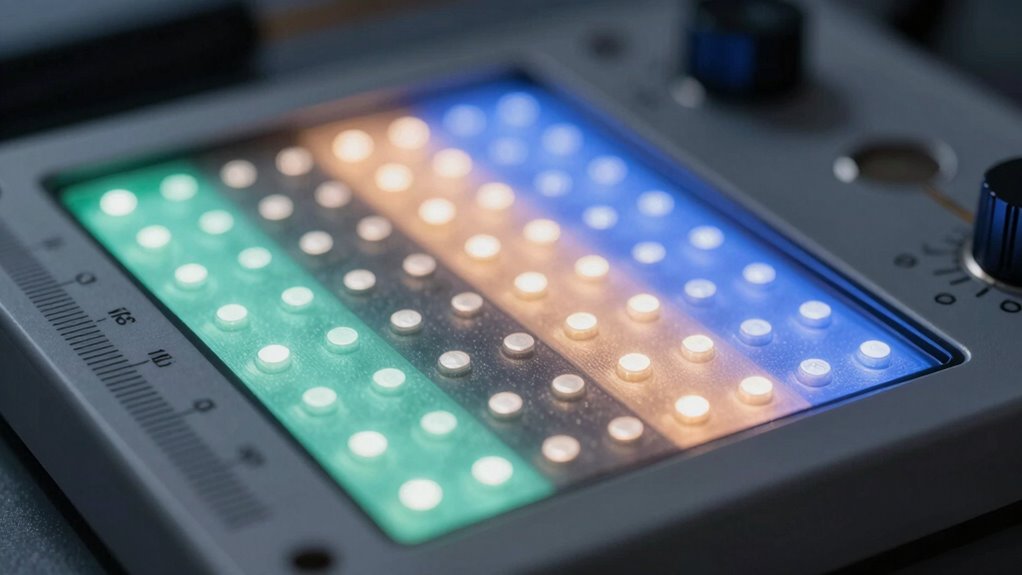
Understanding how to read brightness specifications helps you select the right lighting for your needs. When evaluating lighting design options, focus on the lumens and lux ratings, which indicate brightness level. Lumens show the total light output, helping you compare bulbs or fixtures for overall brightness. Lux measures how much light reaches a specific area, guiding you in creating effective illumination for different spaces. Look for energy-efficient options that deliver adequate brightness without excessive power consumption. Pay attention to product labels and specifications, and consider the intended use—task lighting, ambient light, or accent lighting. By understanding these specs, you make smarter choices that enhance your space’s functionality while conserving energy. Clear knowledge of brightness specs leads to better lighting design and improved energy efficiency.
Frequently Asked Questions
How Do Lumens, Lux, and Nits Compare in Everyday Language?
In everyday language, lumens measure the total light output of a source, like a bulb, while lux indicates how bright a surface appears in a given area, and nits describe the brightness of screens or displays. When you’re discussing lighting design or comparing devices, understanding these measurement units helps you choose the right brightness level. Think of lumens as total light, lux as brightness on a surface, and nits as screen brightness.
Can Two Devices With the Same Lumens Have Different Brightness Experiences?
Yes, two devices with the same lumens can feel different in brightness because of measurement discrepancies and how brightness perception varies. Factors like screen size, viewing distance, and ambient light influence your experience. So, even if the lumen output matches, your eyes may perceive one as brighter or dimmer, depending on these conditions. Don’t rely solely on lumens—consider how and where you’ll use the device for a true brightness sense.
Is Higher Lux Always Better for Indoor Lighting?
Imagine walking into a room bathed in soft, warm glow—higher lux isn’t always better for indoor illumination. While it measures lux accuracy, overly bright lighting can cause glare and discomfort, making your space feel harsh. Aim for balanced lighting that suits your needs, creating a cozy atmosphere without strain. Remember, ideal indoor illumination depends on the purpose and setting, not just on high lux levels.
Do Nits Matter More for Screens or for Projectors?
Nits matter more for screens than projectors because calibration challenges and brightness perception directly impact your viewing experience. When you look at a screen, the nits determine how bright and vivid the image appears, especially in different lighting conditions. For projectors, ambient light has a bigger role, so nits are less critical. Focus on nits for screens to guarantee sharp, well-calibrated visuals that match your expectations.
How Do Environmental Factors Affect Brightness Measurements?
Environmental factors, like ambient lighting and surface reflectivity, play a big role in brightness measurements. Think of your screen as a stage; bright rooms with lots of light can wash out the display, making it seem dimmer. Reflective surfaces bounce light around, reducing contrast. You need to contemplate these elements because they can dramatically influence how bright your screen or projector appears, affecting your viewing experience more than raw brightness specs alone.
Conclusion
Now that you understand lumens, lux, and nits, imagine selecting the perfect brightness for your space or device—each choice changing how you see the world. Will you opt for a screen that’s crystal clear or a room that feels just right? The power’s in your hands. With this knowledge, you’re ready to make smarter lighting decisions that transform your experience—just waiting for you to take the next step. The brightness adventure awaits.