

Finding the right software development collaboration tools can be a game-changer for teams aiming to streamline workflows and improve communication. The best overall pick, JIRA, excels in managing complex agile projects, but it can be overwhelming for newcomers. GitHub stands out for seamless version control and automation, while other tools prioritize documentation or project planning. Each option balances features, ease of use, and integration capabilities, but tradeoffs often include complexity versus simplicity or cost versus functionality. Continue reading for a detailed breakdown that helps identify the best fit for your team’s needs.
Key Takeaways
- Top tools differentiate primarily by their focus—whether on project management, version control, or communication.
- Ease of use and onboarding ease significantly impact team adoption, especially for smaller or less experienced teams.
- Deeper integrations with development environments tend to favor tools like GitHub and JIRA, which are essential for continuous workflows.
- Pricing and scalability vary widely; premium tools offer more automation but at a higher cost.
- Many top picks include automation features that streamline repetitive tasks, saving time and reducing errors.
| Mastering JIRA for Agile Projects: A Practical Guide with Real-World Examples (Confluence Included) |  | Best Overall for Agile Team Collaboration | Focus: Agile project management | Includes: Real-world examples | Coverage: JIRA and Confluence integration | VIEW LATEST PRICE | See Our Full Breakdown |
| Automating Workflows with GitHub Actions: Automate Software Development Workflows and Seamlessly Deploy Applications |  | Best for Automation and CI/CD Pipelines | Focus: GitHub automation workflows | Includes: Practical automation examples | Target: Developers familiar with GitHub | VIEW LATEST PRICE | See Our Full Breakdown |
| Version Control with Git: Powerful Tools and Techniques for Collaborative Software Development |  | Best for Core Version Control and Collaboration | Focus: Git version control | Includes: Practical workflow examples | Audience: Developers and teams | VIEW LATEST PRICE | See Our Full Breakdown |
| Pro Windows Subsystem for Linux (WSL): Powerful Tools and Practices for Cross-Platform Development and Collaboration |  | Best for Cross-Platform Development in Mixed Environments | Focus: Cross-platform development | Includes: Practical WSL tools and techniques | Audience: Developers in mixed Windows/Linux environments | VIEW LATEST PRICE | See Our Full Breakdown |
| Mastering Salesforce Experience Cloud: Strategies for Creating Powerful Customer Interactions |  | Best for Customer Experience Strategy in Collaboration | Focus: Customer interaction strategies | Includes: Best practices for Salesforce | Audience: Customer success and marketing teams | VIEW LATEST PRICE | See Our Full Breakdown |
| Technical Writing for Software Engineers: Boost Communication, Foster Collaboration, and Utilize AI Tools in Software Development |  | Best for Improving Technical Communication and Team Collaboration | Focus Area: Technical writing, collaboration, AI tools | Intended Audience: Software engineers and team leads | Content Type: Guidance and techniques | VIEW LATEST PRICE | See Our Full Breakdown |
| Learning Git: A Hands-On and Visual Guide to the Basics of Git |  | Best for Beginners Learning Version Control | Target Audience: Beginners and students | Learning Style: Visual and practical | Coverage: Git basics | VIEW LATEST PRICE | See Our Full Breakdown |
| Technical Writing for Software Developers: Enhance Communication, Improve Collaboration, and Leverage AI Tools for Software Development |  | Best for Developers Looking to Improve Communication and Use AI | Focus Areas: Technical writing, collaboration, AI tools | Intended Audience: Software developers | Content Type: Techniques and strategies | VIEW LATEST PRICE | See Our Full Breakdown |
| Collaboration Explained: Facilitation Skills for Software Project Leaders | 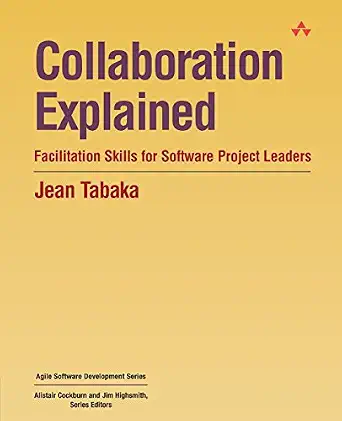 | Best for Agile Project Leaders and Facilitators | Target Audience: Software project leaders and facilitators | Core Focus: Facilitation, communication, Agile | Approach: Practical techniques | VIEW LATEST PRICE | See Our Full Breakdown |
| Ultimate Agile Administration with Jira: Solutions for Agile Project Administration Using Dashboards, Automation Rules, and Plugin Integration |  | Best for Jira Administrators and Tools Specialists | Focus Area: Jira administration, automation, plugin integration | Target Audience: Jira administrators and tools specialists | Content Type: Guidance and solutions | VIEW LATEST PRICE | See Our Full Breakdown |
| software development collaboration tool | Format | Focus | Includes | Coverage |
|---|---|---|---|---|
| Mastering JIRA for Agile Proje | Practical guide | Agile project management | Real-world examples | JIRA and Confluence integration |
| Automating Workflows with GitH | Guided tutorials | GitHub automation workflows | Practical automation examples | — |
| Version Control with Git: Powe | Technical guide | Git version control | Practical workflow examples | Branching, merging, conflict resolution |
| Pro Windows Subsystem for Linu | Technical guide | Cross-platform development | Practical WSL tools and techniques | WSL setup, tools, and best practices |
| Mastering Salesforce Experienc | Strategy guide | Customer interaction strategies | Best practices for Salesforce | Customer engagement techniques |
| Technical Writing for Software | Digital and print | — | — | — |
| Learning Git: A Hands-On and V | — | — | Git basics | |
| Technical Writing for Software | Digital and print | — | — | — |
| Collaboration Explained: Facil | — | — | — | |
| Ultimate Agile Administration | — | — | — |
More Details on Our Top Picks
Mastering JIRA for Agile Projects: A Practical Guide with Real-World Examples (Confluence Included)
This book stands out for its comprehensive approach to integrating JIRA and Confluence, making it an essential resource for teams adopting Agile methodologies. Unlike the more technical Version Control with Git, which focuses on code management, this guide emphasizes collaboration workflows and real-world application examples, helping teams streamline their processes. Its detailed Confluence tips complement JIRA’s project tracking, but the lack of pricing info and customer ratings means potential buyers must evaluate its value without user feedback. It’s ideal for Agile teams seeking a thorough, practical overview, but not suited for teams requiring quick, lightweight references or those on a tight budget.
Pros:- Comprehensive step-by-step guidance with real-world examples
- Includes Confluence integration tips to boost documentation and collaboration
- Ideal for Agile teams aiming to improve workflow efficiency
Cons:- No price information makes budgeting difficult
- Lacks customer ratings, so user feedback is unavailable
- May be overwhelming for beginners unfamiliar with JIRA or Confluence
Best for: Agile development teams wanting an in-depth, practical guide for improving collaboration and workflow management.
Not ideal for: Teams that need quick, concise references or are looking for budget-friendly options without detailed case studies.
- Focus:Agile project management
- Includes:Real-world examples
- Coverage:JIRA and Confluence integration
- Audience:Agile teams
- Format:Practical guide
- Price info:Not provided
Our verdict“This book is perfect for Agile teams seeking a detailed, example-driven resource to master JIRA and Confluence integration.”
Automating Workflows with GitHub Actions: Automate Software Development Workflows and Seamlessly Deploy Applications
This guide excels at helping developers automate build, test, and deployment processes using GitHub Actions, making it a strong choice for teams looking to accelerate their CI/CD pipelines. Compared to the more comprehensive Version Control with Git, which covers fundamental tools for collaboration, this book focuses specifically on automation, providing practical examples that can significantly reduce manual effort. Its reliance on prior GitHub knowledge might make it less suitable for newcomers. If your team aims to streamline deployment workflows and improve automation efficiency, this resource offers targeted guidance, though it may require some existing familiarity with GitHub’s ecosystem.
Pros:- Focused on practical automation workflows with concrete examples
- Helps teams reduce manual deployment efforts
- Enhances continuous integration and delivery efficiency
Cons:- Requires prior knowledge of GitHub, limiting accessibility for newbies
- No detailed product specifications provided
- Potentially steep learning curve for those unfamiliar with CI/CD concepts
Best for: Development teams seeking to implement or improve automation in their GitHub-based workflows.
Not ideal for: Beginners with limited experience in GitHub who need foundational version control training rather than automation strategies.
- Focus:GitHub automation workflows
- Includes:Practical automation examples
- Target:Developers familiar with GitHub
- Purpose:Improve deployment efficiency
- Format:Guided tutorials
- Price info:Not provided
Our verdict“This book is ideal for teams looking to leverage GitHub Actions to automate their deployment and testing pipelines effectively.”
Version Control with Git: Powerful Tools and Techniques for Collaborative Software Development
This book offers an in-depth look at Git’s essential tools and techniques, making it a solid choice for teams aiming to improve collaboration through effective version control. Compared with Automating Workflows with GitHub Actions, which focuses on automation, this title dives into core Git operations that enhance team coordination and code integrity. Its practical examples help users understand branching, merging, and conflict resolution, yet the lack of detailed product features or edition information might leave some readers wanting more context. It’s best suited for developers seeking a thorough understanding of Git’s collaborative capabilities, but less so for those looking for automation or project management strategies.
Pros:- Detailed coverage of Git’s collaboration tools
- Practical examples for everyday workflows
- Helps improve team coordination and code management
Cons:- Limited information on product features or editions
- No coverage of advanced Git integrations or plugins
- Potentially overwhelming for absolute beginners
Best for: Developers and teams needing a deep, practical guide to Git’s version control and collaboration features.
Not ideal for: Beginners who prefer high-level overviews or teams seeking automation-focused resources rather than core version control techniques.
- Focus:Git version control
- Includes:Practical workflow examples
- Audience:Developers and teams
- Coverage:Branching, merging, conflict resolution
- Format:Technical guide
- Price info:Not provided
Our verdict“This book is best suited for developers wanting a thorough, hands-on understanding of Git for collaborative development.”
Pro Windows Subsystem for Linux (WSL): Powerful Tools and Practices for Cross-Platform Development and Collaboration
This book provides a detailed exploration of WSL, making it especially valuable for developers working across Windows and Linux environments. Compared to the more general Mastering JIRA, which focuses on project management tools, this resource emphasizes technical setup and best practices for cross-platform collaboration. Its in-depth coverage of WSL tools and real-world examples benefit teams needing seamless integration between Windows and Linux, though its technical level may challenge beginners. If your team needs to develop and collaborate across different OS platforms efficiently, this book offers practical guidance, but less suitable for those seeking basic or beginner-friendly introductions.
Pros:- In-depth coverage of WSL tools and best practices
- Supports cross-platform development workflows
- Practical examples for real-world use cases
Cons:- May be too technical for beginners
- No price or customer ratings available
- Limited focus outside of WSL-specific workflows
Best for: Developers working in cross-platform environments requiring advanced WSL techniques.
Not ideal for: Beginners or teams looking for simple, non-technical guides on collaboration tools.
- Focus:Cross-platform development
- Includes:Practical WSL tools and techniques
- Audience:Developers in mixed Windows/Linux environments
- Coverage:WSL setup, tools, and best practices
- Format:Technical guide
- Price info:Not provided
Our verdict“This book is well-suited for technical teams needing expert guidance on cross-platform development with WSL.”
Mastering Salesforce Experience Cloud: Strategies for Creating Powerful Customer Interactions
This book offers strategic insights into leveraging Salesforce Experience Cloud to craft engaging customer interactions, making it a strong choice for teams focused on client-facing collaboration. Unlike technical books like Version Control with Git or Automating Workflows with GitHub Actions, this title concentrates on creating effective customer experiences through platform strategies and techniques. Its lack of specific product features or content depth may limit practical implementation, but it provides valuable high-level guidance for marketing or customer success teams. If your goal is to enhance external collaboration and engagement, this book offers relevant strategies, though it may fall short for teams seeking technical or workflow-focused resources.
Pros:- Comprehensive strategies for customer engagement
- Practical techniques for creating impactful interactions
- Focuses on platform use for external collaboration
Cons:- Limited technical details or product features
- Content depth appears shallow for technical implementation
- Less relevant for teams focused solely on development workflows
Best for: Customer-facing teams aiming to improve engagement via Salesforce Experience Cloud.
Not ideal for: Technical development teams looking for code or workflow automation guides.
- Focus:Customer interaction strategies
- Includes:Best practices for Salesforce
- Audience:Customer success and marketing teams
- Coverage:Customer engagement techniques
- Format:Strategy guide
- Price info:Not provided
Our verdict“This book is ideal for customer experience teams seeking strategic guidance on using Salesforce Experience Cloud effectively.”
Technical Writing for Software Engineers: Boost Communication, Foster Collaboration, and Utilize AI Tools in Software Development
This book stands out for its focus on enhancing the communication skills of software engineers, emphasizing clarity and teamwork. Unlike more technical guides like Version Control with Git, it concentrates on soft skills and the effective use of AI tools for collaboration, which can significantly boost project cohesion. However, it lacks detailed content descriptions and practical exercises, which might leave some readers wanting more actionable insights. This pick is ideal for engineers aiming to improve their communication and leverage AI in their workflows but less suited for those seeking in-depth technical tutorials.
Pros:- Enhances technical communication skills effectively
- Focuses on fostering collaboration within teams
- Includes guidance on integrating AI tools into workflows
Cons:- Lacks detailed content overview and practical exercises
- No specific pricing or customer ratings available
Best for: Software engineers and technical leads seeking to improve communication and teamwork through practical guidance and AI integration
Not ideal for: Developers looking for hands-on coding techniques or detailed technical specifications, as the book offers limited technical depth
- Focus Area:Technical writing, collaboration, AI tools
- Intended Audience:Software engineers and team leads
- Content Type:Guidance and techniques
- Format:Digital and print
Our verdict“This book is best suited for engineers prioritizing communication and collaboration skills over technical nitty-gritty.”
Learning Git: A Hands-On and Visual Guide to the Basics of Git
This book makes a compelling case for visual, practical learning of Git, making it a strong alternative to text-heavy tutorials like Pro Windows Subsystem for Linux. Its step-by-step exercises help newcomers grasp core concepts quickly, but it falls short on advanced topics, making it less suitable for experienced developers seeking in-depth mastery. Unlike more comprehensive guides such as Mastering JIRA for Agile Projects, it remains focused strictly on Git basics, which is ideal for newcomers but limiting for those needing broader project management tools.
Pros:- Clear, visual explanations of Git concepts
- Practical, hands-on exercises
- Perfect for absolute beginners
Cons:- Limited coverage of advanced Git features
- No included online resources or code samples
Best for: Beginners and students seeking a clear, visual introduction to Git fundamentals
Not ideal for: Experienced developers or those needing advanced version control techniques or integration workflows
- Target Audience:Beginners and students
- Learning Style:Visual and practical
- Coverage:Git basics
- Format:Print
Our verdict“Ideal for newcomers who want a straightforward, visual approach to learning Git basics quickly.”
Technical Writing for Software Developers: Enhance Communication, Improve Collaboration, and Leverage AI Tools for Software Development
This book emphasizes strengthening developers’ technical writing abilities, a less common focus compared to project management books like Collaboration Explained. It offers strategies for clearer communication and integrating AI tools into development processes, but its lack of detailed content descriptions and absence of pricing information might make it less appealing for quick decision-makers. Compared to more general facilitation guides, this book zeroes in on how writing impacts collaboration, making it ideal for developers who want to communicate more effectively but less suited for managers or team leads looking for broader facilitation skills.
Pros:- Helps improve technical communication skills
- Includes strategies for effective collaboration
- Covers AI tool utilization in development
Cons:- Lacks detailed content overview
- No pricing or customer ratings provided
Best for: Software developers aiming to enhance their communication skills and leverage AI tools in daily workflows
Not ideal for: Team leaders or project managers seeking comprehensive facilitation or project management techniques
- Focus Areas:Technical writing, collaboration, AI tools
- Intended Audience:Software developers
- Content Type:Techniques and strategies
- Format:Digital and print
Our verdict“This book is perfect for developers interested in sharpening their writing and AI usage for better collaboration.”
Collaboration Explained: Facilitation Skills for Software Project Leaders
This book provides practical facilitation techniques tailored for software project leaders, making it a strong complement to technical guides like Learning Git. Its focus on team communication and Agile project management offers real value for those leading development teams, though it offers limited information for individual contributors or non-leadership roles. Compared to books that focus on technical tools, this volume emphasizes soft skills and team dynamics, which can significantly improve project outcomes when applied correctly. Its limited scope outside of leadership contexts might make it less useful for developers not involved in team facilitation.
Pros:- Offers practical facilitation techniques
- Enhances team communication within Agile frameworks
- Useful for project management and leadership
Cons:- Limited details on content depth
- Narrow focus on leadership and facilitation, less on technical tools
Best for: Software project leaders and Agile facilitators seeking practical team communication and facilitation skills
Not ideal for: Developers or testers not involved in leadership or facilitation roles, as content is leadership-focused
- Target Audience:Software project leaders and facilitators
- Core Focus:Facilitation, communication, Agile
- Approach:Practical techniques
- Format:Print
Our verdict“Best suited for project leaders aiming to improve team facilitation and Agile collaboration skills.”
Ultimate Agile Administration with Jira: Solutions for Agile Project Administration Using Dashboards, Automation Rules, and Plugin Integration
This book makes a compelling case for optimizing Jira workflows, especially when compared with general project management guides like Collaboration Explained. Its detailed focus on dashboards, automation, and plugin integration offers concrete solutions for Jira administrators and tools professionals. However, the lack of specific product feature descriptions or content depth details might be a barrier for those seeking a quick overview of Jira’s capabilities. This pick is particularly valuable for Jira-savvy users aiming to refine their automation and plugin setup, but it may be less relevant for those not working heavily within Jira or Salesforce ecosystems.
Pros:- Detailed guidance on Jira project administration
- Covers automation rules and plugin integration
- Designed for tools specialists seeking workflow optimization
Cons:- No specific product features detailed
- Limited information on content depth or practical exercises
Best for: Jira administrators and tools specialists seeking advanced workflow automation and plugin management
Not ideal for: Developers or managers seeking general collaboration or project management insights outside Jira ecosystem
- Focus Area:Jira administration, automation, plugin integration
- Target Audience:Jira administrators and tools specialists
- Content Type:Guidance and solutions
- Format:Print
Our verdict“Ideal for Jira admins and automation experts focused on streamlining Agile workflows with advanced tools.”

How We Picked
These products were evaluated based on their core functionality, ease of integration into existing workflows, user interface design, and versatility across different team sizes. Performance was assessed through feature completeness, automation capabilities, and customization options. We also considered customer feedback, support quality, and value for cost. Tools that excelled in project management, version control, automation, and cross-platform compatibility ranked higher, with a bias toward solutions that balance power and usability for diverse team needs.| software development collaboration tool | Focus | Includes | Coverage | Format |
|---|---|---|---|---|
| Mastering JIRA for Agile Proje | Agile project management | Real-world examples | JIRA and Confluence integration | Practical guide |
| Automating Workflows with GitH | GitHub automation workflows | Practical automation examples | — | Guided tutorials |
| Version Control with Git: Powe | Git version control | Practical workflow examples | Branching, merging, conflict resolution | Technical guide |
| Pro Windows Subsystem for Linu | Cross-platform development | Practical WSL tools and techniques | WSL setup, tools, and best practices | Technical guide |
| Mastering Salesforce Experienc | Customer interaction strategies | Best practices for Salesforce | Customer engagement techniques | Strategy guide |
| Technical Writing for Software | — | — | — | Digital and print |
| Learning Git: A Hands-On and V | — | — | Git basics | |
| Technical Writing for Software | — | — | — | Digital and print |
| Collaboration Explained: Facil | — | — | — | |
| Ultimate Agile Administration | — | — | — |
Factors to Consider When Choosing Software Development Collaboration Tools
Choosing the right collaboration tool hinges on several key factors. First, consider the primary needs of your team—whether it’s project management, code versioning, or documentation. Compatibility with your existing development environment can save time and reduce friction. Cost is another crucial element; some tools offer premium features that justify higher prices for larger teams or enterprise use. Scalability and flexibility ensure the tool remains useful as your team grows or project scope evolves. Lastly, evaluate ease of use and onboarding support, especially if your team includes less experienced members or if rapid deployment is necessary.Core Functionality and Focus
Different tools excel in specific areas such as project management, version control, or real-time communication. Identifying your team’s primary pain points will help narrow your options. For example, if code collaboration is paramount, GitHub or GitLab may serve best. For comprehensive project tracking and agile workflows, JIRA could be the top choice. Avoid selecting a tool that tries to do everything without excelling in any one area, as this can lead to complexity and reduced effectiveness.
Integration and Compatibility
Seamless integration with your development environment, CI/CD pipelines, and other tools can significantly boost productivity. Consider whether the collaboration tool supports your preferred IDEs, code repositories, and communication platforms. Compatibility issues can cause delays and increase training needs. Choosing a tool with robust API support and existing integrations reduces setup time and enhances automation capabilities, making daily workflows smoother.
Ease of Use and Adoption
Even the most powerful tools can falter if your team struggles with their interface or onboarding process. Look for solutions that offer clear documentation, onboarding tutorials, and user-friendly interfaces. For smaller teams or those new to structured workflows, simplicity can outweigh feature depth. Conversely, experienced teams may value advanced customization and automation options that require a steeper learning curve but deliver long-term efficiencies.
Pricing and Scalability
Cost structures vary from flat-rate subscriptions to tiered plans based on team size or feature access. Be mindful of hidden costs like additional user fees, storage limits, or premium add-ons. Scalability should also be considered—will the tool support your team’s growth without requiring a costly switch? For startups or small teams, affordability and ease of scaling are key, while larger organizations might prioritize enterprise features and support.
Security and Compliance
Data security is non-negotiable, especially when handling sensitive source code or customer data. Ensure the tool complies with relevant security standards and offers features like role-based access, audit logs, and data encryption. For companies with strict regulatory requirements, choosing a provider with robust compliance certifications can prevent legal and operational issues down the line.
Frequently Asked Questions
How do I choose between a dedicated project management tool and a code-centric collaboration platform?
The decision largely depends on your team’s workflow priorities. If managing tasks, timelines, and sprints is your main concern, a dedicated project management tool like JIRA or Trello might be best. If seamless code collaboration and version control are critical, platforms like GitHub or GitLab are more suitable. In many cases, integrating both types of tools—using a project management app alongside a code repository—can provide comprehensive coverage, but ensure they work well together to avoid duplicated effort or miscommunication.
Are free tools sufficient for small teams or startups?
Many free collaboration tools offer robust features suitable for small teams or startups, such as GitHub Free or Trello’s basic plans. These can support core workflows without significant expense. However, as your team grows or your project complexity increases, paid plans often unlock automation, increased storage, and advanced security features that can save time and reduce risks. Carefully evaluate whether the free tier covers your current needs or if investing in a paid plan will deliver measurable efficiency gains.
What should I look for in automation features within collaboration tools?
Automation can dramatically reduce repetitive tasks like code merging, notifications, or issue tracking updates. When evaluating, look for tools that support customizable workflows, integration with CI/CD pipelines, and trigger-based actions. Ease of setup and flexibility are key—overly rigid automation can cause more harm than good. The ability to tailor automation to your specific processes often determines long-term effectiveness and team satisfaction.
How important is cross-platform support in collaboration tools?
Cross-platform support ensures your team can collaborate regardless of their device or operating system, which is increasingly vital in remote and hybrid work environments. Features like web access, mobile apps, and desktop clients allow flexibility and reduce workflow disruptions. If your team uses Windows, Mac, Linux, or mobile devices, confirm the tool’s compatibility to avoid bottlenecks and ensure everyone stays connected and productive.
Should I prioritize tools with extensive integrations or those that are more standalone?
Tools with extensive integrations can create a more unified workflow by connecting your development environment, communication channels, and automation systems. This reduces context switching and manual updates, increasing efficiency. However, standalone tools with simple interfaces and core features might be preferable for smaller teams or those just starting out. The best choice depends on your team’s complexity, existing infrastructure, and willingness to manage multiple integrated systems.
Conclusion
For organizations seeking a comprehensive, all-in-one solution with advanced project management and automation, JIRA remains the best overall choice. Smaller teams or startups looking for affordability and ease of use might prefer GitHub or simpler platforms. Enterprises requiring robust security and customization should consider premium options like Jira Service Management or similar tools. Beginners or teams new to structured collaboration can benefit from intuitive, guided solutions, while those with specific workflows may prioritize tools with deep integrations. Matching your team’s size, experience, and project needs will ensure you select the collaboration tool that drives your success in 2026.