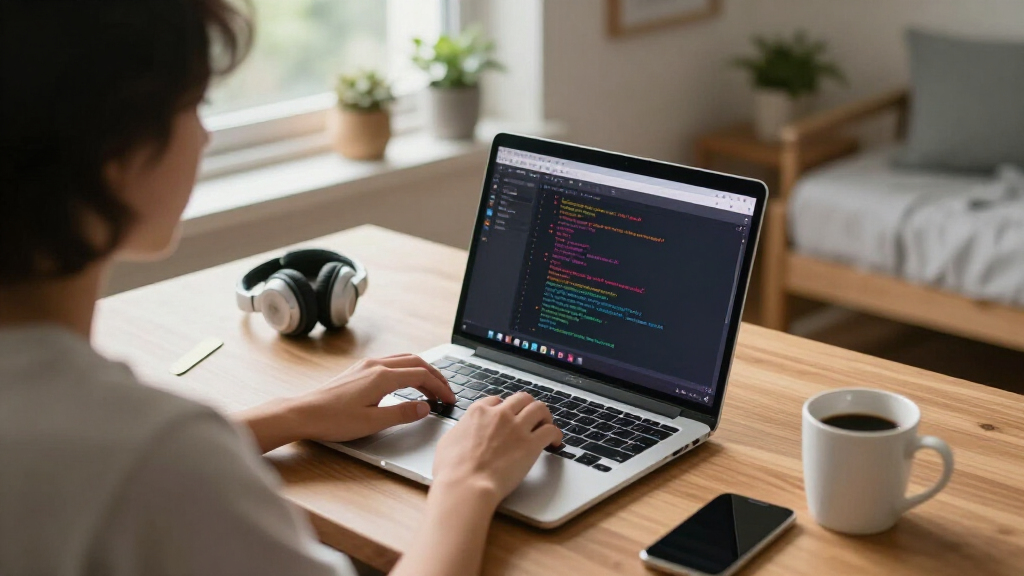

Finding the right laptop for coding as a student can feel overwhelming. The best options balance performance, portability, and affordability, but tradeoffs are inevitable. The Dell 15.6″ Laptop with FHD Display and Intel Core i3 stands out as a reliable overall choice, offering solid performance at a reasonable price, while the HP OmniBook 5 16″ with AMD Ryzen AI 7 provides a premium experience for those needing more power. Budget-conscious students might prefer the HP Stream 14 for its affordability, but it sacrifices some speed. Continue reading for a detailed breakdown of each laptop to find the best fit for your coding journey.

Get business pricing on monitors, keyboards and dev gear
- Business-only prices and quantity discounts
- Tax-exempt purchasing
- Multiple users, one account, clear invoices
Key Takeaways
- Performance balance is key: the top picks combine decent processors with enough RAM to handle coding tasks without lag.
- Portability matters: lightweight models with longer battery life suit students on the go better than bulky, heavy options.
- Storage options vary significantly: SSDs improve speed and responsiveness, but some budget models rely on HDDs or eMMC storage.
- Pre-installed software and AI features add value but can also increase costs or complexity for new users.
- Price ranges widely, but investing in slightly higher specs often pays off in smoother coding experiences and future-proofing.


| student-friendly coding laptop | Processor | Display | RAM | Storage |
|---|---|---|---|---|
| 15.6-inch Student Laptop with | Intel Celeron J4105 quad-core, 2.5GHz | 15.6-inch IPS, 1920×1080 | 12GB | 256GB SSD, expandable via TF card up to 1TB and SSD up to 2TB |
| Dell 15.6" Laptop with FHD Dis | Intel Core i3 100U | 15.6 inches FHD | 8 GB | — |
| HP Stream 14 Student Business | Intel N150 Quad-core | 14-inch anti-glare HD | 4GB | 128GB UFS |
| HP OmniBook 5 16" 2K Touchscre | AMD Ryzen AI 7 | 16 inch WUXGA (1920 x 1200) IPS touchscreen | — | 1TB PCIe SSD |
| HP 14" Laptop with Intel N150 | Intel N150 | 14 inches FHD | 8GB | 128GB UFS |
| Lenovo 2026 Student Laptop wit | Intel Dual Core | 14-inch anti-glare | 8GB | 128GB SSD |
| Windows 11 Laptop i3 15.6" Wor | Intel Core i3 | 15.6-inch Full HD | 12GB | 256GB SSD, expandable |
| HP 14 Student Laptop with Quad | Intel Celeron N150 | 14-inch HD | 4GB DDR4 | 128GB SSD |
| Lenovo IdeaPad 1 Student Lapto | Intel Celeron N4500 | 15.6" FHD | 20GB | 1TB SSD + 128GB eMMC |
| HP 14" Ultralight Laptop for S | Intel Celeron | 14 inch HD | 8GB | 192GB |
| 15.6" FHD IPS Student Laptop | Intel Celeron J4105 quad-core | — | 12GB | 256GB SSD |
More Details on Our Top Picks
15.6-inch Student Laptop with AI Assistant and Office 365 (1 Year)
This 15.6-inch model stands out for its combination of a high-resolution IPS display and a robust set of features that support both learning and entertainment. Compared to the HP 14″ with its smaller screen and less RAM, this laptop offers a more spacious viewing experience and better multitasking capacity, though its processor isn’t suitable for heavy tasks. The inclusion of Windows 11 and a one-year Office 365 subscription means students can start working immediately, while the built-in AI assistant adds a productivity boost. The main tradeoff involves the less powerful Intel Celeron processor, which may struggle with intensive coding projects, and the battery life isn’t specified, making it harder to gauge for all-day use.
Pros:- High-resolution IPS display with wide viewing angles
- Pre-installed Windows 11 and Office 365 for immediate productivity
- Built-in AI assistant to enhance workflow
- Ample RAM and expandable storage options
Cons:- Processor may be less capable for demanding tasks
- Out-of-the-box SSD limited to 256GB, requiring future upgrades
Best for: Students who want a reliable all-rounder with expandable storage for both schoolwork and media consumption
Not ideal for: Power users needing high processing speed for complex coding or gaming, as the Celeron processor limits performance
- Display:15.6-inch IPS, 1920×1080
- RAM:12GB
- Storage:256GB SSD, expandable via TF card up to 1TB and SSD up to 2TB
- Processor:Intel Celeron J4105 quad-core, 2.5GHz
- Operating System:Windows 11 Home
- Ports:Mini-HDMI, USB 3.2, Type-C
- Wireless:Wi-Fi 5, Bluetooth 4.2
Our verdict“Best suited for students seeking a well-rounded, expandable laptop for everyday coding and study tasks.”
Dell 15.6″ Laptop with FHD Display, Intel Core i3, 8 GB RAM, Windows 11 Home
This Dell model offers a straightforward, dependable experience for students who prioritize basic productivity. Its Full HD display rivals the HP Stream 14, but with a more traditional design and slightly more powerful processor. The Intel Core i3 ensures smoother multitasking compared to entry-level chips, yet it’s still limited for intensive coding or multitasking with heavy applications. The inclusion of energy-efficient features and extended battery life makes it a solid choice for all-day classes, but the performance ceiling means it’s less suited for demanding coding projects. Onsite support adds convenience, though the overall hardware is geared more toward everyday tasks than heavy-duty programming.
Pros:- Full HD display ensures clear visuals for coding and media
- Energy-efficient design supports extended use
- Onsite support for quick repairs
- Ergonomic and comfortable for long typing sessions
Cons:- Processor performance may hinder multitasking with heavy applications
- Limited to 8GB RAM, which might affect future multitasking needs
Best for: Students needing a straightforward, well-built laptop for daily coding, note-taking, and web browsing
Not ideal for: Advanced coders or those working with large datasets, as the Core i3 limits processing power
- Display:15.6 inches FHD
- Processor:Intel Core i3 100U
- RAM:8 GB
- Operating System:Windows 11 Home
- Battery:Energy-efficient with Express Charge
- Warranty:1 Year Onsite Service
Our verdict“Ideal for students needing a budget-friendly, reliable machine for everyday coding and schoolwork.”
HP Stream 14 Student Business Laptop, Windows 11 Home, 4GB RAM, 128GB UFS, Intel N150 Processor, Willow Green
The HP Stream 14 excels in portability, weighing just 3.24 lbs, making it perfect for students on the move. Its 14-inch anti-glare HD display offers decent visuals, especially compared to the HP 14″ with only 4GB RAM, but with lesser storage capacity. The inclusion of Wi-Fi 6 and pre-installed Office 365 helps with fast, reliable connectivity and productivity. However, the 4GB RAM can limit multitasking, especially if running multiple applications simultaneously, and the 128GB storage might require external drives for larger projects. Its durability and military-grade drop resistance make it suitable for rougher environments, but it’s best for light coding or note-taking rather than heavy workloads.
Pros:- Extremely lightweight, easy to carry all day
- Long battery life supports all-day use
- Wi-Fi 6 ensures fast, reliable connectivity
- Durable build with military-grade resistance
Cons:- Limited to 4GB RAM, restricting multitasking
- Storage capacity may fill quickly with larger files
Best for: Students prioritizing ultra-portability for basic coding, web browsing, and note-taking
Not ideal for: Power users or students working on complex projects that demand more RAM and storage
- Processor:Intel N150 Quad-core
- RAM:4GB
- Storage:128GB UFS
- Display:14-inch anti-glare HD
- Connectivity:Wi-Fi 6 (2×2)
- Weight:3.24 lbs
Our verdict“Best for students needing a highly portable device for light coding and everyday tasks, with tradeoffs in power and storage.”
HP OmniBook 5 16″ 2K Touchscreen Business Laptop with AMD Ryzen AI 7
The HP OmniBook 5 offers serious power with its AMD Ryzen AI 7 processor and a 16-inch 2K touchscreen, making it an excellent choice for students who need more muscle for coding, multitasking, and media editing. Compared with the Dell 15.6″, it provides a larger, sharper display and substantially faster processing, but at a higher price point. The 16GB RAM and 1TB SSD support large files and complex projects, though the premium cost might be prohibitive for some students. Its support for multi-monitor setups and enterprise security features make it ideal for serious work, but details on battery life are not specified, which could impact portability.
Pros:- Powerful AMD Ryzen AI 7 with AI acceleration
- High-resolution 2K touchscreen with anti-glare coating
- Large 16GB RAM and 1TB SSD for multitasking and storage
- Supports multi-monitor configurations for enhanced workflow
Cons:- Premium price may be a barrier
- Limited gaming capabilities due to integrated graphics
- Battery life details are not provided
Best for: Students engaged in complex coding, software development, or multitasking requiring high specs
Not ideal for: Budget-conscious students or those who prioritize portability over raw power
- Processor:AMD Ryzen AI 7
- Display:16 inch WUXGA (1920 x 1200) IPS touchscreen
- Graphics:AMD Radeon 860M
- Memory:16GB LPDDR5x
- Storage:1TB PCIe SSD
- Weight:3.97 pounds
Our verdict“Perfect for students needing high-end processing power for demanding coding and multitasking, with a higher budget requirement.”
HP 14″ Laptop with Intel N150, 8GB RAM, 128GB UFS Storage, Windows 11, WiFi 6, Office 365 Included
This HP 14-inch model balances portability with performance, featuring 8GB RAM and WiFi 6, making it suitable for students juggling multiple applications and remote classes. Compared with the 15.6″ Dell, it’s more compact and lightweight, ideal for carrying around campus. The inclusion of Office 365 and WiFi 6 supports seamless productivity and connectivity, while the Intel N150 processor is capable enough for most coding tasks, though not for intensive workloads. The 128GB storage is sufficient for typical school files but could require external storage for larger projects. Its long battery life of up to 11 hours makes it a strong choice for all-day use without frequent recharging.
Pros:- Lightweight at just 3.24 lbs for easy portability
- Long-lasting battery supports all-day use
- Fast WiFi 6 ensures reliable connectivity
- Includes a one-year Microsoft 365 subscription
Cons:- Limited storage may require external drives
- Processor may not handle heavy coding tasks efficiently
Best for: Students who prioritize portability and long battery life for daily coding and remote learning
Not ideal for: Students working on large, storage-intensive projects or requiring high processing power for complex coding
- Processor:Intel N150
- RAM:8GB
- Storage:128GB UFS
- Display:14 inches FHD
- Connectivity:WiFi 6, Bluetooth
- Battery Life:Up to 11 hours
Our verdict“Best for students seeking a portable, long-battery-life laptop for routine coding and studying.”
Lenovo 2026 Student Laptop with Microsoft 365, 8GB RAM, 128GB Storage, 500GB External HDD, Intel Dual Core, WiFi, Windows 11 S
This lightweight Lenovo 2026 model stands out for its extreme portability, making it ideal for students who need to carry their laptops all day. Unlike the more powerful Windows 11 Laptop i3, it offers a simplified experience with Windows 11 S mode, which may restrict software options but ensures stability. The inclusion of a 1-year Microsoft 365 subscription and an external hard drive adds value for students managing documents and projects on the go. However, the 128GB SSD might fill quickly with larger files, and its basic performance is better suited for browsing, streaming, and light homework than demanding coding tasks. Compared to the HP 14, it lacks some advanced connectivity but compensates with a longer battery life and portability.
Pros:- Lightweight and highly portable at just 2.89 lbs
- Includes a 1-year Microsoft 365 subscription and external hard drive
- Long battery life for all-day use
- Built-in privacy shutter for webcam security
Cons:- Limited to Windows 11 S mode, restricting software options
- 128GB SSD storage may be insufficient for large projects
- Performance may struggle with demanding coding or multitasking
Best for: Students who prioritize portability and basic productivity for online classes and light coding.
Not ideal for: Students requiring intensive programming, large storage, or software flexibility beyond Windows 11 S.
- RAM:8GB
- Storage:128GB SSD
- External Hard Drive:500GB
- Processor:Intel Dual Core
- Display:14-inch anti-glare
- Battery Life:All-day
Our verdict“This model suits students needing a portable, reliable device for basic tasks and light coding, with some storage and software limitations.”
Windows 11 Laptop i3 15.6″ Work Laptop for College Students with Backlit Keyboard and WiFi 6
This 15.6-inch Windows 11 laptop offers a balanced mix of power and portability, making it suitable for multitasking, online classes, and entertainment. The 12GB RAM and SSD outperform the Lenovo 2026 in multitasking capabilities, but its processor, an Intel Core i3, may limit heavy-duty coding performance compared to the more robust options like the IdeaPad 1’s higher RAM and storage. The inclusion of WiFi 6 and multiple ports supports seamless connectivity and expandability. Its slightly heavier weight at 3.6 lbs and around 7 hours of battery life make it less ideal for all-day portability compared to the Lenovo. Compared with the HP 14, it provides better multitasking but at a higher cost and slightly increased weight.
Pros:- Powerful 12GB RAM for multitasking
- Vivid, anti-glare Full HD display
- Fast WiFi 6 and broad connectivity options
- Lightweight for a 15.6-inch device
Cons:- Processor may limit performance for intensive coding
- Battery life of about 7 hours may not support all-day use
- Slightly heavier than ultra-portable models
Best for: Students needing a versatile, multitasking-ready machine with strong connectivity features for online learning and casual coding.
Not ideal for: Students focused on portability above all or those needing long battery life for extended outdoor use.
- Processor:Intel Core i3
- RAM:12GB
- Storage:256GB SSD, expandable
- Display:15.6-inch Full HD
- Connectivity:WiFi 6
- Weight:3.6 lbs
Our verdict“Best suited for students who need a capable multitasking laptop with excellent connectivity in a portable form factor.”
HP 14 Student Laptop with Quad-Core Processor, 4GB RAM, 128GB SSD, Windows 11, 1-Year Office 365, Copilot AI, Natural Silver
This HP 14-inch model emphasizes AI-supported productivity with Copilot AI and a quad-core processor, making it a good entry-level choice for students focused on simple coding and tasks. Its quad-core CPU outperforms the Celeron options in multitasking, but the limited 4GB RAM could hinder smoother performance during more demanding multitasking or heavier coding sessions. The 128GB SSD offers quick storage access but might fill up fast with larger projects, especially compared to models like the Lenovo IdeaPad 1 with a combined 1.1TB SSD and eMMC. The HD display, though smaller, provides a clear viewing experience, but the lower resolution limits detailed coding work. Compared to the Lenovo 2026, it packs more power in CPU but sacrifices RAM and storage capacity.
Pros:- Quad-core processor for better multitasking
- Includes Windows 11 and Office 365
- AI Copilot for productivity assistance
- Lightweight and portable
Cons:- Limited 4GB RAM may restrict multitasking
- Lower resolution display (1366×768)
- Storage may fill quickly with larger files
Best for: Beginners or casual coders who want AI assistance and a lightweight device for simple tasks and learning.
Not ideal for: Power users or students working on larger projects requiring more RAM and storage capacity.
- Processor:Intel Celeron N150
- RAM:4GB DDR4
- Storage:128GB SSD
- Display:14-inch HD
- Additional Features:AI Copilot
- Operating System:Windows 11
Our verdict“Ideal for students starting out with coding who prioritize AI features and portability over heavy multitasking.”
Lenovo IdeaPad 1 Student Laptop, 15.6″ FHD, Intel Celeron N4500, 20GB RAM, 1TB SSD + 128GB eMMC, Windows 11 Home
The Lenovo IdeaPad 1 offers exceptional multitasking capacity with 20GB RAM, far exceeding typical student needs and allowing multiple applications or browser tabs to operate smoothly. Its 15.6-inch FHD display provides crisp visuals, perfect for coding and media consumption. The combination of a 1TB SSD and 128GB eMMC guarantees fast storage for large files and projects, setting it apart from the more modest storage options in other picks. However, the Intel Celeron N4500 processor, while capable, may still limit performance in highly intensive tasks, and the lack of dedicated graphics could be a drawback for more advanced coding or multimedia editing. Compared to the HP 14, this offers more RAM and storage but at a heavier weight and a potentially higher price point.
Pros:- Massive 20GB RAM supports seamless multitasking
- Large storage with 1TB SSD plus 128GB eMMC
- Full HD IPS display with anti-glare coating
- Pre-installed with Windows 11 Home
Cons:- Processor may struggle with intensive tasks
- Lacks dedicated graphics for advanced multimedia work
- Heavier and less portable than smaller models
Best for: Students needing a powerful multitasking device with ample storage for coding, media, and large files.
Not ideal for: Students seeking ultra-lightweight portability or who perform very basic coding tasks.
- Display:15.6″ FHD
- Processor:Intel Celeron N4500
- RAM:20GB
- Storage:1TB SSD + 128GB eMMC
- Operating System:Windows 11 Home
- Ports:HDMI, USB, SD reader
Our verdict“Best suited for students who need a high-performance multitasking machine with extensive storage capacity for coding and media projects.”
HP 14″ Ultralight Laptop for Students and Business, Intel Quad-Core, 8GB RAM, 192GB Storage, Windows 11 S
This HP 14-inch ultralight offers a compact form factor with decent specs for students who need a portable device for daily tasks and light coding. Its 8GB RAM outperforms the 4GB models like the HP 14 with quad-core CPUs, providing better multitasking. The 192GB storage, split between eMMC and SD card, supports basic files and applications but isn’t ideal for large projects. Its Windows 11 S mode enhances security but limits software flexibility, which can be a drawback for students wanting full control. Compared with the Lenovo 2026, it’s lighter and more versatile but less powerful in processing. It’s best for students who value portability with moderate performance needs.
Pros:- Ultra-lightweight and portable
- 8GB RAM improves multitasking over basic models
- Includes Office 365 subscription
- Adequate storage for everyday use
Cons:- Processor may limit performance for intensive tasks
- Limited storage capacity for large files
- Windows 11 S mode restricts software installation
Best for: Students seeking a lightweight, secure device for routine tasks, light coding, and remote work.
Not ideal for: Power users or those working on large coding projects requiring more processing power and storage.
- Processor:Intel Celeron
- Display:14 inch HD
- RAM:8GB
- Storage:192GB
- Operating System:Windows 11 S
- Included Software:Office 365
Our verdict“Ideal for students needing a portable, secure device for routine tasks and light coding, with some software restrictions.”
15.6″ FHD IPS Student Laptop, AI Assistant Included, Office 365
This 15.6″ model stands out for its flexible 180° hinge, making it ideal for presentations and group work, especially compared to the more traditional laptop like the Dell 15.6″ with an Intel Core i3, which lacks this adjustable display. The inclusion of Office 365 and built-in AI assistance simplifies daily tasks, providing a strong advantage over budget models that often require separate subscriptions or software. Powered by a Celeron J4105 quad-core processor with 12GB RAM, it handles multitasking better than entry-level options, but the processor’s limited power makes it less suitable for demanding coding projects. The 256GB SSD offers quick boot times and ample storage, with expandable options up to 2TB, making it a practical choice for students needing space for media and files. The FHD narrow-bezel display enhances the viewing experience, and the 7000mAh battery supports longer study sessions; however, connectivity features like Bluetooth 4.2 are somewhat outdated compared to WiFi 6 options in newer models. Compared to the HP Stream 14, this laptop provides a more robust display and better multitasking capabilities, but it comes at a higher price and slightly bulkier design.
Pros:- Adjustable 180° hinge ideal for sharing and presentations
- Includes Office 365 subscription and AI assistant for productivity
- Powerful 12GB RAM supports multitasking with ease
- FHD narrow-bezel display offers immersive viewing
Cons:- Processor may struggle with intensive coding or heavy applications
- Outdated Bluetooth version limits peripheral compatibility
- Relatively heavier than smaller, more portable laptops
Best for: Students who value presentation flexibility, Office integration, and AI assistance for both schoolwork and creative projects.
Not ideal for: Students needing a lightweight, ultra-portable device for frequent travel, as this model is relatively bulky and heavier than compact options like the HP Stream 14.
- Display Size:15.6 inches
- Resolution:1920×1080 FHD
- Processor:Intel Celeron J4105 quad-core
- RAM:12GB
- Storage:256GB SSD
- Battery:7000mAh
- Connectivity:5G Wi-Fi, Bluetooth 4.2
- Ports:USB 3.2, Type-C, Mini HDMI
- Included Software:Office 365, AI Assistant
Our verdict“This model is well-suited for students who prioritize versatility and productivity features over ultra-lightweight portability.”
How We Picked
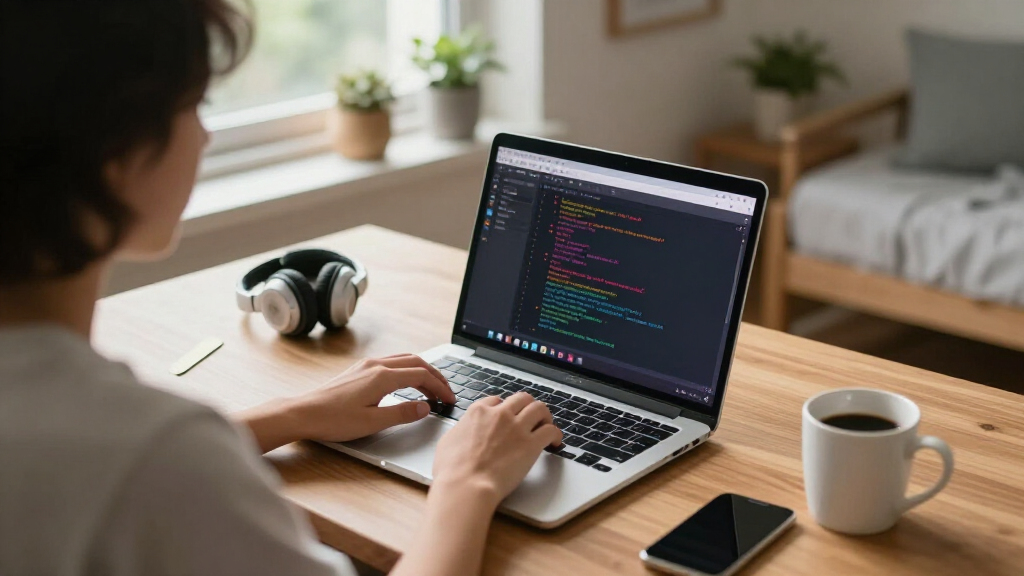
The laptops in this roundup were evaluated primarily on their ability to support coding coursework and project work for students. Key criteria included processor performance, RAM capacity, storage type and size, portability, battery life, and build quality. We also considered overall value, including software bundles and price point, to ensure options suit different budgets. Products were ranked based on how well they balance these factors for typical student needs, with an emphasis on usability, durability, and future-proofing to avoid quick obsolescence.Factors to Consider When Choosing Student-friendly Coding Laptops
Choosing a student-friendly coding laptop involves understanding several important factors. First, processor performance is crucial; a capable CPU ensures smooth coding sessions and the ability to run development environments. RAM is equally vital—8GB is generally the minimum for comfortable multitasking, while more can improve responsiveness. Storage type impacts speed; SSDs are faster and more reliable than HDDs or eMMC. Portability is another consideration; lighter models with longer battery life are better for students moving between classes and labs. Lastly, software compatibility and pre-installed tools can save time and money, but be wary of extra costs that may come with certain bundles or features.Processor Performance and Multitasking
The processor determines how well a laptop can handle coding, compiling, and running development environments. For students, an Intel Core i3 or AMD Ryzen 5 typically suffices, but opting for at least an i5 or Ryzen 7 can provide extra headroom for more demanding tasks or future needs. Avoid laptops with very low-power processors like Celeron or Pentium, as they may struggle with multitasking or heavier IDEs. Consider the overall system balance—fast processors paired with ample RAM make for a smoother coding experience, especially when multitasking with multiple applications or browser tabs open.
Memory and Storage
8GB of RAM is generally the sweet spot for coding students; it offers enough headroom for most development tools without slowing down. More RAM, such as 16GB, benefits those working with large datasets or virtual machines. Storage speed impacts how quickly files load and save; SSDs are preferable because they dramatically reduce wait times and improve system responsiveness. While 256GB SSDs cover most needs, students handling larger projects or datasets might need 512GB or more, or should consider external drives. Budget models with eMMC storage can be limiting, so weigh cost savings against performance gains carefully.
Portability and Battery Life
For students, a lightweight laptop with good battery life can make a significant difference in daily use. Look for models under 4 pounds with at least 8 hours of battery life, especially if you attend classes across campus or study in cafes. Larger screens, like 16-inch models, tend to be heavier and drain batteries faster, but they also offer more workspace, which can enhance productivity. Balance screen size with portability—if you mostly code in one place, a larger screen might be worth the extra weight; if mobility matters most, lean toward compact options with long-lasting batteries.
Build Quality and Software
Durability matters when your laptop will be transported frequently. Look for laptops with sturdy chassis and good keyboard quality, especially if you’ll be typing a lot. Pre-installed software like Office 365 or coding tools can add value but check whether they come free or require additional subscriptions. Some models include AI features or virtual assistants that may streamline your workflow, though they can also be distractions. Always verify compatibility with your preferred development environments and operating system—Windows remains the standard for most students, with some benefits from models that include Windows 11 S mode for added security.
Price and Future-Proofing
Budget is often a deciding factor, but spending slightly more can extend the useful life of your laptop. Investing in a model with a newer processor, more RAM, and an SSD can prevent the need for an upgrade in the near future. Consider whether the price includes essential software or warranty coverage, which can add value. Avoid overly cheap models with outdated hardware, as they may struggle with current coding tools and become obsolete quickly. Think about your long-term needs—if you plan to expand into more complex projects, selecting a more capable machine now can save money in the long run.
Frequently Asked Questions
Should I prioritize portability or performance when choosing a student coding laptop?
This depends on your daily routine. If you frequently move between classes, a lightweight, long-lasting battery model makes sense, even if it means sacrificing some power. Conversely, if your coding work involves heavier applications, a slightly larger, more powerful machine with better specs can improve your experience. Many laptops strike a good balance, so consider your typical use cases and choose accordingly. Remember, a portable laptop with decent power can often serve both needs if you select wisely.
Is 8GB of RAM enough for learning to code as a student?
For most beginner to intermediate coding tasks, 8GB of RAM provides sufficient multitasking capability. It allows running IDEs, browsers, and other tools simultaneously without significant lag. However, if you plan to work with large datasets, virtual machines, or multiple development environments, upgrading to 16GB can offer smoother performance and better future-proofing. Keep in mind that RAM is one of the easiest components to upgrade later if needed, so consider your current budget and long-term goals.
Are budget laptops suitable for coding students?
Budget laptops can be suitable for basic coding tasks, especially if they have SSD storage and at least 8GB RAM. However, they often come with lower-performance processors and less durable build quality, which can lead to frustration during intensive tasks. They may also lack future-proofing, requiring an upgrade sooner. If your coursework involves heavier software or multitasking, investing in a mid-range model with better specs can improve your experience and extend the laptop’s lifespan.
What screen size is best for coding and studying?
Most students find 13 to 15.6 inches to be the sweet spot, offering a good balance between portability and screen real estate. Larger screens, like 16 inches or more, provide more workspace for coding and multitasking but tend to be heavier and less portable. Smaller screens, such as 14 inches, are lighter and easier to carry but may require zooming or scrolling more often. Consider your typical study environment—if you often work in cramped spaces, a smaller, lighter laptop may be preferable.
Should I choose a Windows or MacBook for coding as a student?
For most coding students, Windows laptops offer broader compatibility with a wide range of development tools and software. They also tend to be more affordable and available in various configurations. MacBooks are popular among developers for their build quality and Unix-based macOS environment, but they come at a higher price point. If you prefer the Apple ecosystem or specific software that runs only on macOS, a MacBook could be worth the investment. Otherwise, a well-chosen Windows laptop provides excellent value and flexibility for student coders.
Fall Picks
fall essentials
As an affiliate, we earn on qualifying purchases.