
The tire size 245/45R18 tells you important details about your tire. The 245 is the width in millimeters, and 45 is the aspect ratio, or sidewall height as a percentage of width. The ‘R’ indicates radial construction, and 18 is the diameter in inches for your wheel. Understanding these numbers helps you choose the right tires for safety and performance. If you want to learn how each part affects your drive, keep exploring.
Key Takeaways
- “245” indicates the tire width in millimeters, measuring across the tread from sidewall to sidewall.
- “45” is the aspect ratio, representing the sidewall height as 45% of the tire’s width.
- “R” signifies radial construction, the most common and durable tire type.
- “18” denotes the wheel diameter in inches the tire is designed to fit.
- Understanding these components ensures proper fit, safety, and optimal vehicle performance.
Why Decoding Tire Size Codes Matters

Decoding tire size codes is important because it helps you understand exactly what kind of tire your vehicle needs for peak performance and safety. When you grasp these codes, you can choose tires that suit your driving conditions and vehicle specifications. This understanding also links to tire manufacturing, as manufacturers design tires with specific sizes and features to meet safety standards. Wearing the correct size ensures better handling, traction, and durability, reducing the risk of accidents. Properly decoded tire information promotes road safety by preventing mismatched tires that could lead to blowouts or loss of control. Additionally, understanding tire size codes connects to engine performance parts like flywheels, as both require compatibility and precise specifications for optimal vehicle operation. Recognizing tire specifications can also help in assessing vehicle compatibility and make informed maintenance decisions. This knowledge further enhances your ability to evaluate electric bikes and dirt bikes, ensuring they operate safely and effectively. Ultimately, knowing how to interpret tire size codes empowers you to make informed decisions, guaranteeing your vehicle performs at its best and keeps you safer on every journey.
What Does 245/45R18 Mean? A Simple Breakdown
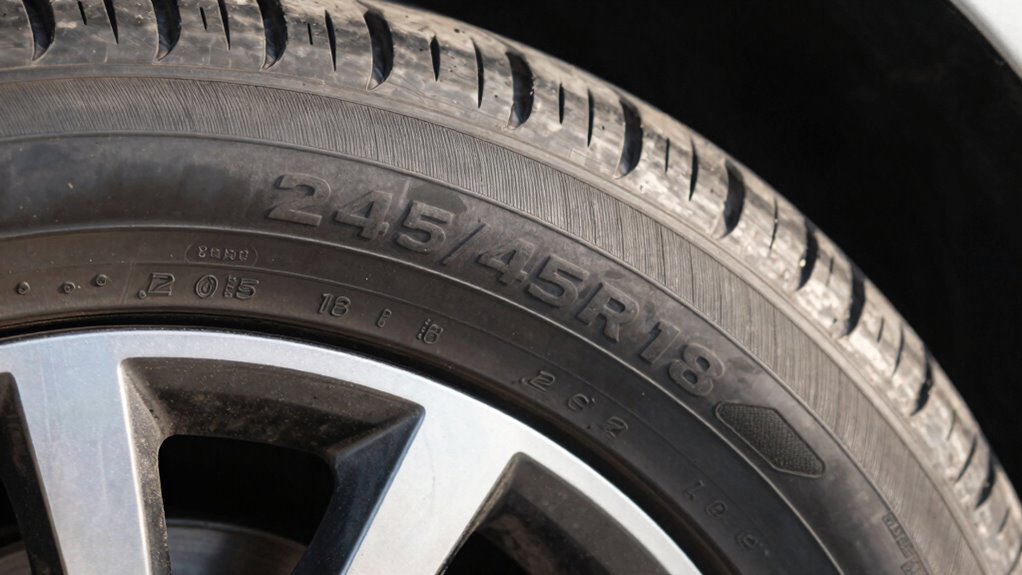
The tire size 245/45R18 provides specific information about your tire’s dimensions and construction. The number 245 indicates the tire’s width in millimeters, while 45 is the aspect ratio, showing the sidewall height as a percentage of the width. The R signifies radial construction, and 18 is the diameter of the wheel in inches. Understanding this breakdown helps you with proper tire maintenance, guaranteeing the right fit for your vehicle. It also allows for effective brand comparison, as different manufacturers may offer variations in quality, performance, and durability within these specifications. Knowing what these numbers mean ensures you choose the best tires for your needs, maintain them properly, and optimize safety and longevity on the road. Additionally, being familiar with tire specifications can aid in ensuring your vehicle’s safety and compliance with manufacturer recommendations. Recognizing tire size measurements is essential for selecting compatible tires, especially if you need replacements or upgrades to improve handling or fuel efficiency. Being knowledgeable about these measurements also helps prevent potential installation issues and ensures optimal vehicle performance. For example, understanding the impact on fuel economy can help you select tires that contribute to better miles per gallon.
What Do the Numbers in a Tire Size Tell You?
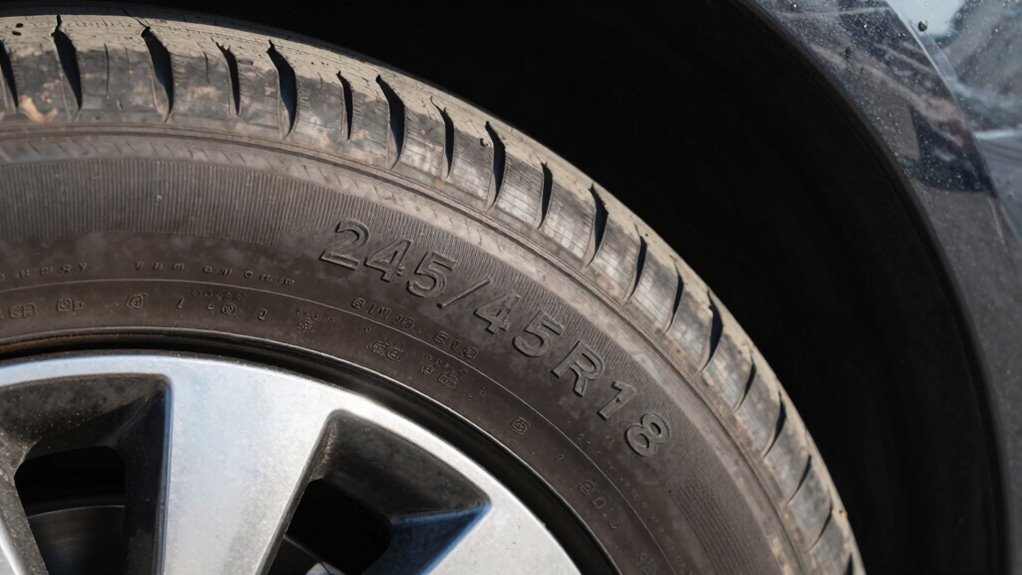
Understanding what the numbers in a tire size mean can help you make informed decisions about your vehicle’s safety and performance. The numbers reveal key details about the tire’s dimensions, which are essential for proper fit and handling. During tire manufacturing, these numbers are carefully calculated to guarantee quality and consistency. They also reflect tire branding standards, helping manufacturers communicate specifications clearly. The first set indicates the tire’s width in millimeters, while the second shows the aspect ratio, or the sidewall height as a percentage of the width. Together, these numbers help you identify the right size for your vehicle, ensuring ideal safety and performance. Recognizing what these numbers mean allows you to choose tires that match your driving needs and support your vehicle’s proper functioning. Tire size specifications provide crucial information for selecting the appropriate tires for your vehicle.
What Does the ‘R’ Mean in Tire Sizes?

When you see an ‘R’ in a tire size, it indicates the tire’s construction type—specifically, that it’s a radial tire. This letter is part of tire lettering found on the sidewall, helping you understand the tire’s design. Recognizing this detail is vital because it reflects how the tire is built for safety, durability, and performance. The ‘R’ in size abbreviations confirms the tire’s radial construction, which is the most common type today. Knowing the construction type can also influence your choice of tires for specific driving conditions and vehicle requirements for safety and durability.
- Know that the ‘R’ signifies modern engineering designed for smooth rides and longevity
- Realize that understanding tire lettering helps you select safer, better-fitting tires
- Feel confident in reading size abbreviations, avoiding costly mistakes
- Gain peace of mind knowing your vehicle has the right tire design for excellent performance
How to Pick the Right Tires Using Size Information
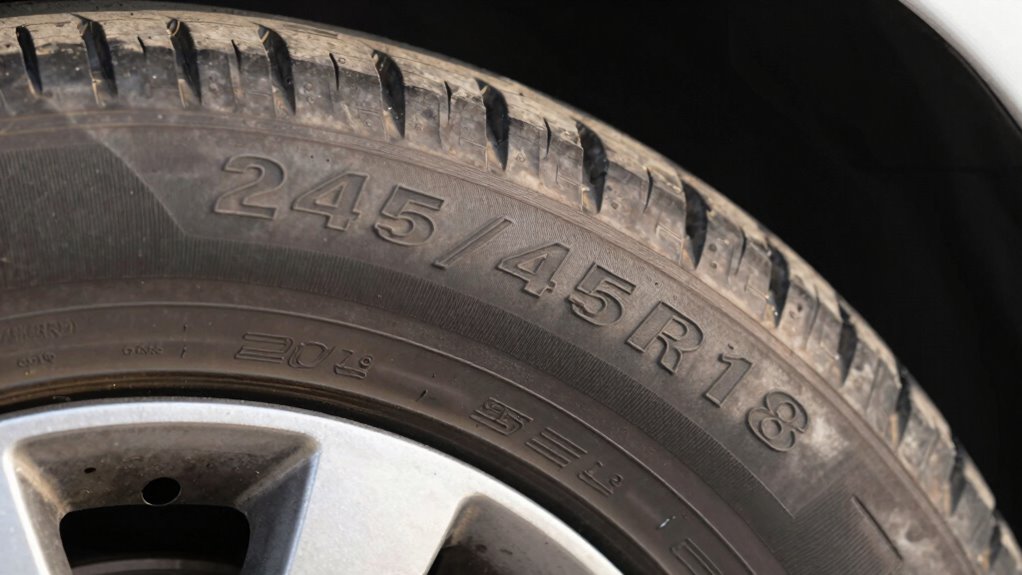
Choosing the right tires starts with understanding the size information printed on the sidewall. This data helps you select tires that match your vehicle’s specifications, ensuring maximum tire durability and performance. Pay attention to the width, aspect ratio, and wheel diameter to find a proper fit. The tread pattern also matters; a tire with an appropriate pattern offers better traction and longevity suited to your driving conditions. For example, all-season tires have a different tread pattern compared to performance or off-road tires. Using this size information as a guide, you can choose tires that enhance safety, durability, and handling. Always double-check the manufacturer’s recommendations and match the tire dimensions precisely to avoid issues down the road. Understanding tire size coding is essential for making informed decisions about your vehicle’s tires. Additionally, comprehending how tire specifications influence your vehicle’s performance can help you select the best options for your driving needs. Recognizing the importance of proper tire fitment ensures optimal safety and efficiency for your vehicle. Being aware of size coding can also prevent costly mistakes and improve your vehicle’s overall driving experience.
Common Mistakes When Reading Tire Sizes: And How to Avoid Them

Many people make mistakes when reading tire sizes, which can lead to choosing the wrong tires. Misreading dimensions, ignoring the aspect ratio, or confusing width with diameter are common errors. Knowing how to recognize and avoid these pitfalls helps make certain you get the right fit for your vehicle. Additionally, understanding tire specifications is essential for making informed decisions about your vehicle’s safety and performance. Being aware of passive voice detection can further enhance your writing clarity and accuracy. Proper knowledge of body jewelry measurements can similarly assist in selecting the correct size and material for piercings, ensuring comfort and safety. Recognizing tire markings and their meanings supports better comprehension of tire details and specifications.
Misreading Tire Dimensions
Misreading tire dimensions is a common mistake that can lead to incorrect replacements or safety issues. You might think two tires are interchangeable when they’re not, risking poor tire inflation, uneven wear, or reduced handling. Always double-check the numbers, especially the aspect ratio and diameter. Misinterpreting tire size can also cause you to overlook essential details like tread depth, which affects grip and safety.
- Installing the wrong size can compromise your vehicle’s performance and safety
- Ignoring proper tire inflation leads to uneven tread wear and decreased fuel efficiency
- Misreading numbers may cause you to overlook necessary tire replacements
- Overlooking tread depth can endanger your safety in wet or icy conditions
Ignoring Aspect Ratio Sign
Ignoring the aspect ratio sign in tire sizes is a common mistake that can lead to improper fitment and safety issues. The aspect ratio, part of tire labeling, indicates the height of the sidewall as a percentage of the section width. Overlooking this detail can cause you to select tires that don’t match your vehicle’s original specifications, affecting handling and comfort. When reading tire sizes, it’s essential to pay attention to all components to guarantee size consistency. Misreading or ignoring the aspect ratio sign might make your tire choices incompatible with your wheels or suspension setup. Always verify this number to maintain proper fitment and safety, especially when replacing tires or upgrading. Proper understanding of tire labeling helps you make informed decisions and avoid costly mistakes. Additionally, understanding tire specifications ensures you choose the right tires for your driving needs and vehicle compatibility. Being aware of the aspect ratio can also help you better understand how different tires will perform and look on your vehicle. Recognizing the significance of each part of the tire size can help prevent installation issues and ensure a smoother ride. Knowing how tire construction influences durability and ride quality is also beneficial in selecting the best tires for your needs.
Confusing Width and Diameter
Have you ever mistaken a tire’s width for its diameter? This common mistake, known as diameter confusion, can lead to fitting issues or unsafe driving. When reading tire sizes, it’s easy to mix up the numbers, especially if you’re rushing or unfamiliar with the format. Misinterpreting tire width and diameter can cause you to buy the wrong tires or compromise your vehicle’s handling.
To avoid this, remember:
- Tire width is the first number, indicating how wide the tire is in millimeters.
- Diameter is the last number, showing the wheel size in inches.
- Don’t assume the numbers are interchangeable — they serve different purposes.
- Double-check the labeling to ensure you’re reading the correct measurements confidently.
Frequently Asked Questions
How Does Tire Size Affect Vehicle Handling and Performance?
Your tire size directly impacts your vehicle’s handling and performance. A wider tire, like a 245mm, offers better grip, especially during turns, enhancing handling. Smaller sidewalls, such as 45, improve ride comfort by absorbing bumps, but may reduce some responsiveness. Larger wheels can also affect acceleration and braking. Overall, choosing the right tire size balances tire grip, ride comfort, and vehicle dynamics to optimize your driving experience.
Can I Use Different Tire Sizes on the Same Vehicle?
You can use different tire sizes on your vehicle, but you need to check tire compatibility carefully. Size customization can affect handling, speedometer accuracy, and safety. Make sure the new tires match your vehicle’s specifications or are within acceptable ranges. It’s best to consult your owner’s manual or a professional to guarantee the tires you choose won’t negatively impact performance or cause issues with fitment and clearance.
What Are the Safety Implications of Incorrect Tire Sizing?
Using incorrect tire sizes can seriously impact your safety. Studies show that improper tire sizing can reduce vehicle stability by up to 20%. When your tires don’t match the recommended size, it can cause uneven tire pressure, affecting handling and braking, and lead to faster tread wear. This increases the risk of blowouts and accidents. Always match tire size to your vehicle’s specs to guarantee ideal tread depth, tire pressure, and safety.
How Often Should I Check My Tire Size Information?
You should check your tire size information during regular tire maintenance, ideally every few months or before long trips. Ensuring sizing accuracy helps maintain ideal vehicle performance and safety. Keep an eye on tire sidewalls for any signs of damage or wear that could affect size. Regular checks help you catch issues early, preventing unsafe driving conditions and ensuring your tires are always correctly matched to your vehicle’s specifications.
Are There Regional Differences in Tire Size Standards?
You might be surprised, but yes, regional variations in tire size standards do exist. Different countries and regions often follow their own international standards, leading to subtle differences in sizing. These variations can influence fit and performance if you’re importing or using tires abroad. Always check local regulations and manufacturer specifications, especially if you’re traveling or buying tires internationally, to guarantee you’re choosing the right size for your vehicle.
Conclusion
Decoding tire sizes like 245/45R18 helps you make smarter, safer choices. By understanding these numbers, you prevent pitfalls and pick perfect fits for your vehicle. Remember, precise reading prevents problems and promotes peace of mind. So, stay sharp, scrutinize sizes, and steer confidently. Your car’s comfort and control depend on your careful comprehension. Clear, confident, consistent—your tire knowledge keeps your ride reliable and ready for the road ahead.