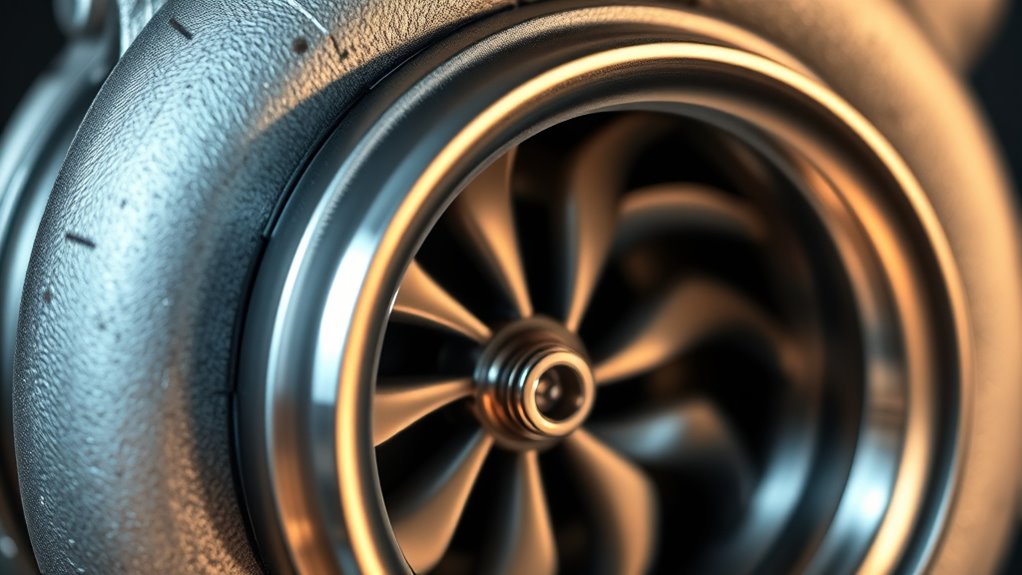

If your turbocharger feels lazy, it’s often due to airflow or boost regulation issues. Dirty filters, leaks in the intake system, or a clogged intercooler restrict airflow, making the turbo spin less freely and reduce boost. Additionally, a malfunctioning wastegate can prevent proper boost buildup. Fixing these simple issues—cleaning filters, sealing leaks, or checking the wastegate—can restore responsiveness. Keep going to learn how to quickly fix these common causes and get your turbo back to full power.

Get business pricing on monitors, keyboards and dev gear
- Business-only prices and quantity discounts
- Tax-exempt purchasing
- Multiple users, one account, clear invoices
Key Takeaways
- Fluctuating boost pressure reduces engine responsiveness; maintaining proper boost levels ensures a sharper turbo response.
- Clogged air filters or intake leaks restrict airflow, causing the turbo to underperform and feel sluggish.
- Dirty intercoolers hinder air cooling and flow, decreasing boost efficiency and responsiveness.
- Malfunctioning or stuck wastegates prevent proper boost buildup, leading to a lazy turbo feeling.
- Regularly cleaning or replacing airflow components and checking wastegate operation restores turbo responsiveness through simple physics fixes.
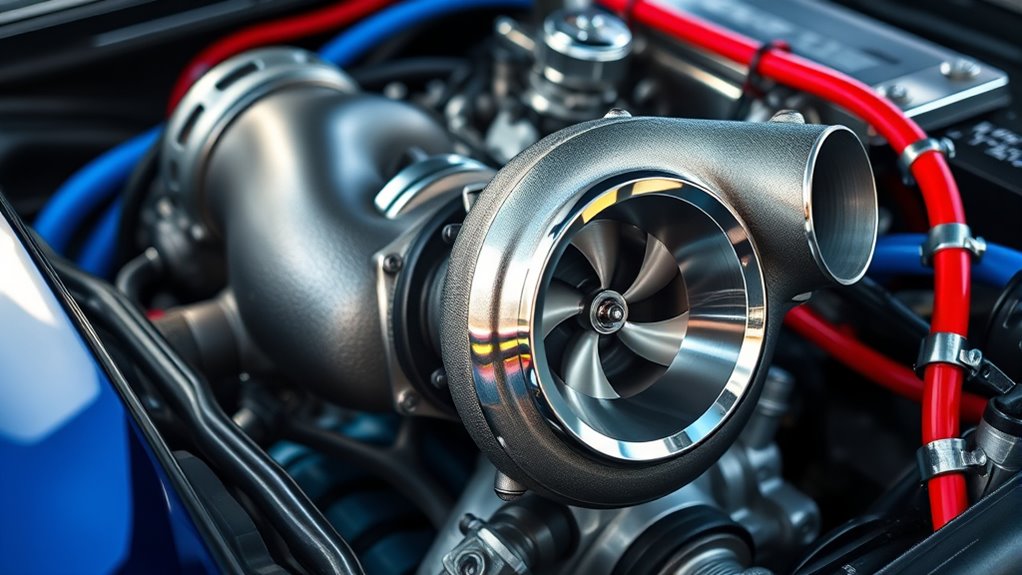
If your turbocharger feels sluggish and underwhelming, you’re not alone—many drivers notice a delay or lack of responsiveness in boost performance. This isn’t just frustrating; it often signals that something’s off with how your turbo is functioning. One common reason is fluctuations in boost pressure, which directly impact how effectively your engine delivers power. When boost pressure isn’t reaching ideal levels, it can feel like your turbo is “lazy,” producing less response than expected. The key lies in understanding airflow dynamics—how air moves through your engine and turbo system.
Turbochargers rely heavily on airflow to generate boost. When you step on the gas, your engine draws in air, compresses it with the turbo, and feeds it into the cylinders. If airflow isn’t steady or is obstructed, the turbo can’t generate the consistent boost pressure needed for quick throttle response. Various factors can disturb airflow dynamics, such as clogged air filters, leaks in the intake system, or dirty intercoolers. These issues cause the turbo to struggle in reaching its target boost pressure, leading to a feeling of sluggishness.
The physics behind this are straightforward: a turbocharger’s performance depends on how well it can compress and deliver air to your engine. When airflow is restricted, the turbo’s turbine wheel doesn’t spin as freely, reducing the amount of boost pressure it can produce. This results in a delayed or muted response when you accelerate. Essentially, the turbo is working harder but isn’t getting enough clean, unrestricted airflow to do its job efficiently. That’s why cleaning or replacing clogged air filters, checking for leaks, and ensuring intercoolers are free of debris can make a noticeable difference. These simple physics fixes restore proper airflow dynamics, allowing the turbo to reach its intended boost pressure quickly and consistently.
Another aspect to consider is the wastegate, which controls how much exhaust energy is diverted away from the turbine wheel. If it’s stuck or malfunctioning, it can prevent the turbo from reaching the desired boost pressure, further contributing to that lazy feeling. Ensuring that the wastegate opens and closes properly helps maintain proper boost levels. When all these elements work together seamlessly—airflow dynamics, boost pressure regulation, and exhaust flow—you’ll notice a sharper, more responsive turbo. Sometimes, the fix is as simple as addressing airflow obstructions or ensuring components are functioning as designed, which restores the physics balance needed for a lively turbocharged engine.
Frequently Asked Questions
How Can I Tell if My Turbocharger Is Failing?
If you wonder whether your turbocharger is failing, start by checking boost pressure; if it’s lower than usual, that’s a sign. Also, pay attention to oil quality—dirty or degraded oil can hamper turbo performance. Listen for unusual noises like whining or rattling, and watch for excessive smoke from the exhaust. These signs indicate your turbo might be struggling, so inspecting these areas helps you catch issues early.
What Are Common Signs of a Lazy Turbo?
You’ll notice a lazy turbo when boost pressure drops or feels inconsistent. Poor oil quality can cause the turbo’s bearings to wear out, reducing efficiency. Other signs include increased exhaust smoke, whistling sounds, or a lack of power during acceleration. If you observe these symptoms, it’s likely your turbo isn’t performing at its best, and checking the boost pressure and oil condition can help identify the issue early.
Does Driving Style Affect Turbocharger Performance?
Your driving habits and fuel quality definitely impact turbocharger performance. Aggressive driving, frequent short trips, or sudden acceleration can cause the turbo to work harder and wear out faster, leading to sluggish response. Low-quality fuel may reduce efficiency and cause carbon buildup, hampering performance. To keep your turbo in prime condition, drive smoothly, avoid rapid accelerations, and use good-quality fuel, ensuring maximum boost and longevity.
How Often Should I Service My Turbocharger?
Think of your turbocharger as a finely tuned engine heartbeat. To keep it pounding strong, you should service it every 15,000 to 30,000 miles, or as recommended by your vehicle’s manual. Regular checks prevent oil contamination, which can clog the system, and ensure boost pressure stays consistent. Skipping services risks sluggish performance, so keep your turbo well-maintained to enjoy that exhilarating boost whenever you hit the gas.
Can Aftermarket Modifications Improve Turbo Responsiveness?
You can definitely improve your turbo responsiveness with aftermarket modifications like a turbo upgrade or exhaust modifications. A turbo upgrade increases airflow and boost efficiency, giving you quicker spool times. Exhaust modifications, such as a high-flow exhaust system, reduce backpressure and help gases exit faster. These changes work together to make your turbo feel more responsive, giving you better throttle response and overall performance on the road.
Conclusion
So, next time your turbo feels lazy, remember it’s all about airflow, pressure, and proper maintenance. Keep the system clean, monitor the boost, and confirm your engine breathes freely. Addressing these simple physics principles restores that swift response, boosts performance, and keeps your turbocharger lively. Don’t overlook the basics—embrace the physics, understand the mechanics, and enjoy the power. Because a well-maintained turbo isn’t just faster; it’s a reflection of your care and knowledge.
Fall Picks
fall essentials
As an affiliate, we earn on qualifying purchases.