

TL;DR

Get business pricing on monitors, keyboards and dev gear
- Business-only prices and quantity discounts
- Tax-exempt purchasing
- Multiple users, one account, clear invoices
The book ‘Thinking in Python’ is attracting attention as a comprehensive guide for learning Python. Its rising popularity indicates a growing interest in Python education. The development is confirmed through increased downloads and positive reviews, reflecting the growing interest in AI’s potential beyond zero-sum thinking.
‘Thinking in Python’, a widely discussed educational resource, has seen a surge in popularity among programmers and learners since early 2024. Its rising recognition highlights ongoing interest in Python programming education and self-learning tools.
The book, authored by Allen B. Downey, offers a comprehensive approach to learning Python, emphasizing thinking patterns and problem-solving skills. You can also explore Python 3.15’s ultra-low overhead interpreter profiling mode for insights into Python performance. According to data from online bookstores and educational platforms, ‘Thinking in Python’ has experienced a significant increase in downloads and positive reviews over the past two months. The resource is praised for its clear explanations and practical exercises, making it a popular choice among beginners and intermediate programmers.
Industry experts and educators have highlighted the book’s contribution to Python education, noting its focus on conceptual understanding rather than just syntax. For broader perspectives on AI and machine learning, see What Thinking Machines’ Inkling is signaling about AI’s future. The author, Allen B. Downey, is an established figure in educational publishing, and his previous works have been well received in academic and programming communities. The book is available in print and digital formats, with some free online versions also circulating.
Impact of ‘Thinking in Python’ on Python Education
The increasing popularity of ‘Thinking in Python’ reflects a broader trend toward accessible, self-guided learning resources for programming. Its emphasis on conceptual understanding supports more effective learning outcomes, potentially influencing how Python is taught in academic and online settings. For learners, it offers a structured, approachable way to deepen their programming skills, which could impact the developer community and industry practices.
Products Worth Considering

LG UltraGear 32GX850A-B 32-Inch 4K UHD Glossy OLED Gaming Monitor

DJI Osmo Mobile 7P with Mic Mini TX (Infinity Black) Gimbal Stabilizer
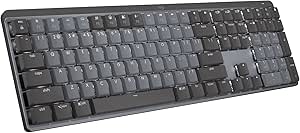
Logitech MX Mechanical Wireless Illuminated Keyboard, Tactile Quiet, Graphite
As an affiliate, we earn on qualifying purchases.
Background and Rise of ‘Thinking in Python’ as a Learning Tool
Originally published by Allen B. Downey, ‘Thinking in Python’ was first released in 2004 and has since been recognized as a valuable resource for learning Python. Over the past decade, the book has maintained a steady presence in educational circles, often recommended for self-study. Its recent surge in popularity coincides with increased demand for online learning materials and the growth of Python as a leading programming language in data science, web development, and automation.
In early 2024, online platforms reported a spike in downloads and reviews, with many users citing the book as instrumental in their learning journey. This trend is supported by social media discussions and mentions in programming forums, indicating a renewed interest driven by both new learners and experienced programmers seeking to deepen their understanding.
Uncertainties Surrounding ‘Thinking in Python’s’ Long-term Impact
While the book’s recent popularity is clear, it is not yet confirmed whether this trend will sustain long-term or translate into widespread changes in Python education. The extent to which educational institutions will adopt the resource as part of their curricula remains unclear. Additionally, the impact of competing learning materials and the rise of online courses could influence its future relevance.
Next Steps for the ‘Thinking in Python’ Phenomenon
Educational institutions and online course providers may begin integrating ‘Thinking in Python’ into their teaching materials. Further data on user engagement and feedback will clarify its effectiveness and influence. Additionally, the author and publishers are expected to release updated editions or supplementary materials to maintain relevance amid evolving programming trends.
Key Questions
Why is ‘Thinking in Python’ gaining popularity now?
The book’s emphasis on conceptual understanding and problem-solving aligns with current trends in self-directed learning, especially as online education platforms expand and Python’s popularity grows in data science and automation fields.
Is ‘Thinking in Python’ suitable for complete beginners?
Yes, many reviewers praise its clear explanations and structured approach, making it accessible for beginners. However, some prior programming experience can enhance understanding.
Will ‘Thinking in Python’ replace other learning resources?
It is unlikely to replace other resources but may complement existing courses and tutorials. Its focus on thinking patterns offers a unique perspective that can benefit learners across different levels.
Are there online versions or free access to ‘Thinking in Python’?
Yes, some free online versions and excerpts are available, alongside paid print and digital editions. The author has also provided supplementary materials online.
Source: hn