
TL;DR

Get business pricing on monitors, keyboards and dev gear
- Business-only prices and quantity discounts
- Tax-exempt purchasing
- Multiple users, one account, clear invoices
Microsoft has introduced a new version of Word for Windows 1.1a that runs natively on x64 architecture. This update improves performance and compatibility for modern hardware. Details about the release are confirmed, but some technical specifics remain unconfirmed.
Microsoft has released Word for Windows 1.1a with native support for x64 architecture, a move aimed at improving performance and compatibility on modern PCs. The update is confirmed by Microsoft and marks a significant milestone for the long-standing software.
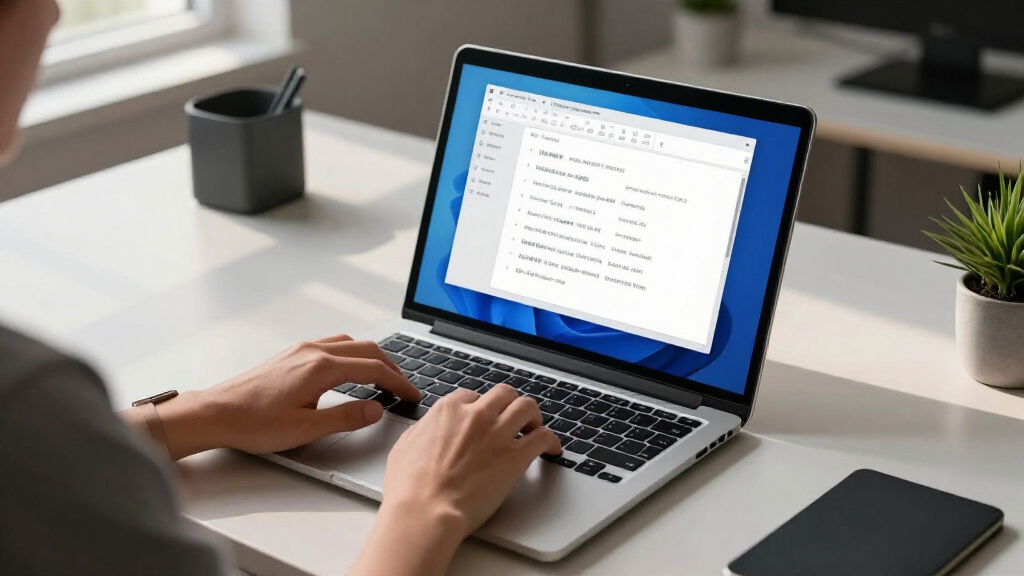
The new version, Word for Windows 1.1a, is now available with a native x64 port, according to official Microsoft communications. This change allows the application to run directly on 64-bit processors without the need for emulation or compatibility layers, resulting in faster processing and better memory management. The release targets users running Windows on recent hardware, especially those with high-performance needs or large documents.Microsoft has not disclosed detailed technical specifications about the port, but sources familiar with the development indicate that this is a major step in modernizing the software’s architecture. The update is expected to improve stability and reduce crashes associated with previous 32-bit versions, especially when handling large files or complex formatting.Some industry analysts suggest that this move aligns with Microsoft’s broader strategy to optimize its Office suite for modern hardware, though Microsoft has not explicitly linked this release to a wider platform shift. The update is currently available through official channels and is recommended for users seeking improved performance on compatible systems.Impact of Native X64 Support on Word Performance
This update is significant because it allows Word to operate more efficiently on modern hardware, particularly on high-end PCs with large memory capacities. Native x64 support reduces the performance bottlenecks caused by emulation or compatibility layers, leading to faster document processing, improved stability, and better resource utilization. For enterprise users and power users, this could translate into productivity gains and fewer crashes.
Additionally, this move signals Microsoft’s commitment to modernizing its core applications, potentially paving the way for further architectural updates across its Office suite. It also reflects industry trends toward native 64-bit applications, which are increasingly standard on Windows systems.
Microsoft Word for Windows 1.1a 64-bit
As an affiliate, we earn on qualifying purchases.
As an affiliate, we earn on qualifying purchases.
Historical Background of Word’s Architecture
Microsoft Word has historically been available as a 16-bit and later 32-bit application, with the transition to 64-bit versions occurring gradually over the past decade. Prior to this release, the software relied on compatibility layers to run on 64-bit Windows systems, which sometimes caused performance issues and stability concerns, particularly with large or complex documents.
The move to a native x64 port in Word for Windows 1.1a represents a significant step in this evolution, aligning the application architecture with current hardware standards. Microsoft has been gradually updating its Office suite to support 64-bit environments, but official support for native x64 execution in Word for Windows is a recent development, confirmed by the company’s recent announcement.
“The release of Word for Windows 1.1a with native x64 support enhances performance and stability for our users on modern hardware.”
— Microsoft spokesperson
high performance Word document editing software
As an affiliate, we earn on qualifying purchases.
As an affiliate, we earn on qualifying purchases.
Technical Details and Compatibility Questions Unanswered
While the release has been confirmed, detailed technical specifications about the port, such as performance benchmarks and compatibility with older Windows versions, remain undisclosed. It is also unclear whether this update will be backported to earlier versions of Word or if it will be exclusive to the latest release.
Further testing is required to determine how well the native x64 version performs across different hardware configurations and whether any issues have been reported by early adopters.
64-bit compatible office productivity software
As an affiliate, we earn on qualifying purchases.
As an affiliate, we earn on qualifying purchases.
Next Steps for Users and Microsoft’s Update Roadmap
Microsoft is expected to roll out the update widely through its official channels, encouraging users to upgrade for better performance. Future updates may include additional optimizations or further architectural improvements.
Analysts anticipate that Microsoft will continue to enhance its Office suite for native 64-bit support, possibly integrating new features optimized for modern hardware in upcoming releases. Users should monitor official Microsoft communications for detailed release notes and compatibility guidance.
As an affiliate, we earn on qualifying purchases.
Key Questions
Is the native x64 version of Word available for all Windows users?
The update is available through official Microsoft channels for users running compatible Windows 10 or later systems. Users should check their version and system specifications before upgrading.
Will this update improve performance on older hardware?
While native support generally benefits modern hardware, performance improvements on older systems may be limited. The update is primarily designed for systems with 64-bit processors and ample memory.
Does this change affect compatibility with existing documents or plugins?
Microsoft has not announced any backward compatibility issues. However, users should verify that their plugins and add-ins are compatible with the new architecture.
Will future versions of Word also be native x64?
Microsoft is likely to continue optimizing its Office applications for 64-bit architecture, but official plans for future versions have not been publicly confirmed.
Source: hn
Columbus Day / Indigenous Peoples' Day Picks
long weekend sales
As an affiliate, we earn on qualifying purchases.