
TL;DR

Get business pricing on monitors, keyboards and dev gear
- Business-only prices and quantity discounts
- Tax-exempt purchasing
- Multiple users, one account, clear invoices
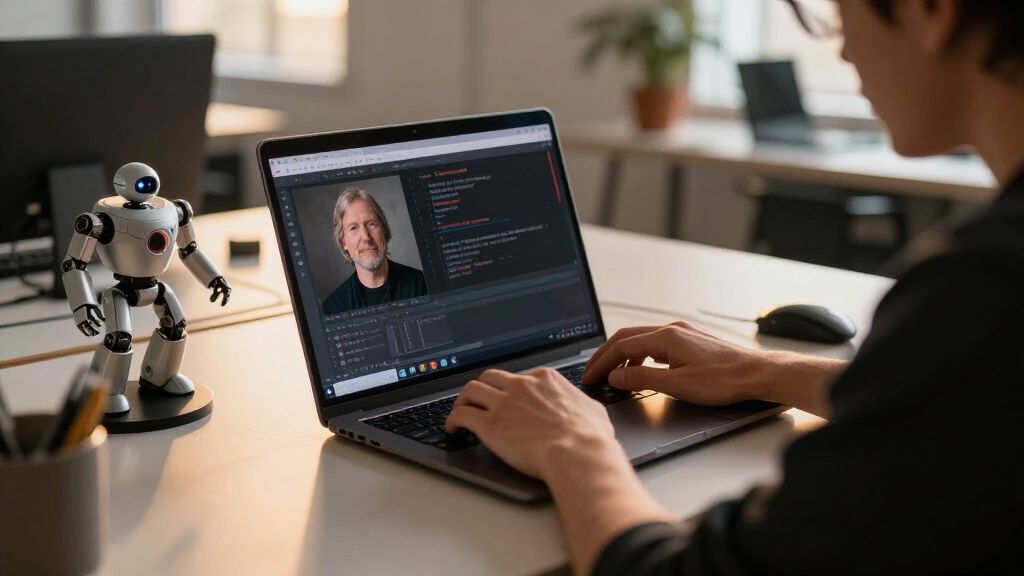
Linus Sebastian, popular tech YouTuber, has engaged in a public challenge against an advanced robot to test AI’s capabilities. The event is gaining significant attention online, though details remain unconfirmed. This highlights growing interest in human-AI interactions and robotics’ role in entertainment and technology debates.
Popular tech YouTuber Linus Sebastian has publicly engaged in a challenge against an advanced robot to test AI capabilities, drawing widespread online attention. The event, which took place over the past week, is part of a growing trend of tech influencers exploring human-machine competition, reflecting increased public curiosity about AI’s current limits and potential. While the challenge has gone viral, details about the robot’s specifications and the exact nature of the competition remain unconfirmed, with sources indicating that the event was staged for entertainment and educational purposes.
According to available reports, Linus Sebastian, known for his popular tech review channel Linus Tech Tips, participated in a challenge where he competed against an AI-powered robot designed to perform tasks typically associated with human intelligence. The challenge involved the robot answering questions, solving puzzles, and performing physical tasks, with Linus attempting to outperform or challenge the robot’s abilities.
Sources close to the event suggest that the robot is a a commercially available AI robot, though specific models or manufacturers have not been publicly confirmed. The challenge was streamed live on social media platforms, garnering hundreds of thousands of views and sparking widespread discussion about AI progress and the potential for robots to rival human capabilities in entertainment and practical applications.
Despite the viral nature of the event, there is no official statement from Linus Sebastian or the robot’s developers confirming the technical details or the purpose behind the challenge. Experts have noted that such public tests are increasingly common as part of a broader trend of showcasing AI and robotics in popular media, although the true capabilities of the robot remain under scrutiny.
Impact of Human-Robot Competitions on Public Perception
This event underscores the growing public interest in AI and robotics, especially as entertainment platforms and tech influencers showcase these technologies in real-world scenarios. The challenge has fueled debates about whether AI can truly rival human intelligence in practical tasks, and whether such competitions serve as genuine tests or staged entertainment. The widespread attention highlights a shift toward viewing robots not just as tools but as competitors or collaborators, influencing perceptions of AI’s role in society and future workplaces.
Furthermore, the event reflects a broader trend of integrating AI into popular culture, which could accelerate investment, research, and policy discussions around AI safety, ethics, and regulation. For consumers, it raises questions about the current and near-future capabilities of AI, and whether robots could soon perform tasks traditionally reserved for humans.
As an affiliate, we earn on qualifying purchases.
Rise of AI Challenges in Popular Media
Over the past year, there has been a noticeable increase in media and online content featuring AI and robotics challenges, often aimed at testing the limits of current technology. Influencers, researchers, and companies have staged competitions involving AI-powered robots solving puzzles, playing games, or performing physical tasks, often to demonstrate progress or entertain audiences.
While many of these events are staged or simplified for entertainment, they reflect a broader societal curiosity and concern about AI’s potential. The trend has been amplified by viral videos and social media coverage, which often lack detailed technical analysis but succeed in capturing public attention. The specific event involving Linus Sebastian appears to be part of this larger pattern, though its technical authenticity remains unverified.
Experts have noted that such challenges serve both as marketing tools and as informal benchmarks for AI development, but they also risk oversimplifying AI’s true capabilities and limitations, which are still under active research and debate.
As an affiliate, we earn on qualifying purchases.
Unverified Aspects of the Challenge and Robot Capabilities
It is not yet confirmed what specific model or manufacturer the robot is, nor the precise nature of the tasks involved. Details about the robot’s technical specifications, such as its AI algorithms, hardware, and training data, remain undisclosed. Additionally, whether the challenge was designed solely for entertainment or as a serious test of AI capabilities is still unclear.
Experts warn that some parts of the event may have been staged or simplified for audience engagement, and there is no independent verification of the robot’s performance or intelligence level. As such, claims about the robot rivaling human intelligence should be viewed with caution until more concrete technical data is available.
As an affiliate, we earn on qualifying purchases.
Next Steps in AI-Driven Public Challenges
Further public demonstrations and tests are expected as AI and robotics companies continue to showcase their latest advancements. Industry insiders suggest that more structured competitions, possibly with independent oversight, could emerge to provide clearer benchmarks of AI capabilities.
In the short term, observers anticipate follow-up videos or official statements clarifying the technical details of the robot involved. Researchers and industry analysts will likely monitor these events for insights into AI progress and societal impact, especially as public interest remains high.
Additionally, policymakers and educators may use such challenges to inform discussions about AI regulation, safety, and ethical considerations, shaping the future landscape of human-AI interaction.
As an affiliate, we earn on qualifying purchases.
Key Questions
Was the Linus vs Robot challenge a genuine test of AI capabilities?
The event appears to be a mix of entertainment and educational demonstration, but the full technical authenticity has not been independently verified. It may have been staged or simplified for audience engagement.
What type of robot was used in the challenge?
Details about the robot’s model, manufacturer, and technical specifications have not been publicly confirmed, so its exact capabilities remain uncertain.
Does this challenge indicate AI is close to human-level intelligence?
While the challenge showcases significant progress, experts caution that such demonstrations often oversimplify AI’s abilities. True human-level intelligence involves many complex factors still under active research.
Will there be more public AI challenges like this?
Yes, industry insiders expect more demonstrations and competitions as AI technology advances and public interest remains high, with potential for more formalized and verified events.
What are the implications for the future of AI and robotics?
These events could accelerate investment, research, and policy discussions around AI safety, ethics, and societal integration, shaping the future landscape of human-machine interaction.
Source: rss
Halloween Picks
halloween
As an affiliate, we earn on qualifying purchases.