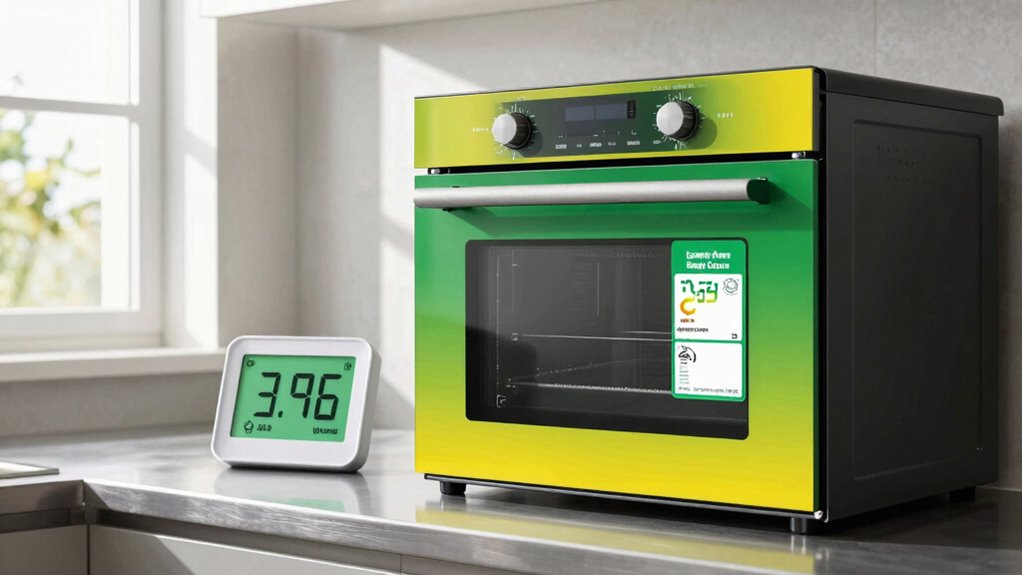

Energy labels show an appliance’s efficiency and estimated annual costs, helping you compare options easily. To estimate your real running expenses, consider your household’s actual usage, local energy rates, and appliance features like standby power. Keep in mind, label estimates are based on standardized tests and may differ from your experience. If you want practical tips and tools to better predict costs and make smarter choices, there’s plenty more to discover.
Key Takeaways
- Use energy labels to compare appliances’ efficiency classes and estimated annual energy consumption for an initial cost assessment.
- Recognize that label estimates are based on standardized tests; actual costs vary with household usage, habits, and local energy rates.
- Consider appliance features like energy-saving modes and smart controls to optimize real-world efficiency and reduce running costs.
- Account for your specific energy sources, such as renewable options, which can significantly lower overall expenses.
- Utilize energy calculators and monitoring tools to adjust estimates, track usage, and accurately predict true operating costs before purchase.
What Are Energy Labels and Why Do They Matter?
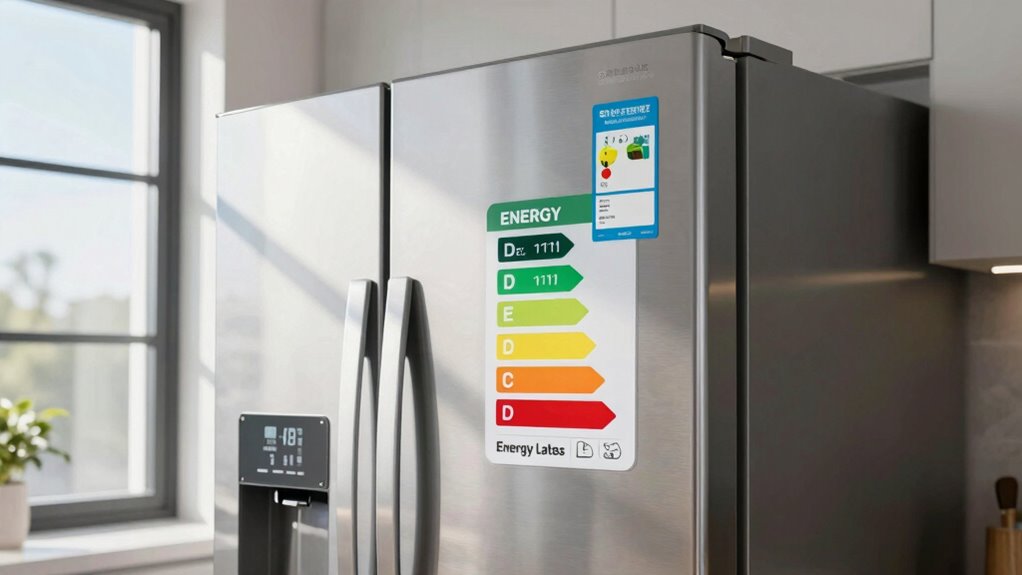
Have you ever wondered what those energy labels on appliances really mean? They’re more than just stickers—they help you understand an appliance’s energy efficiency and potential running costs. These labels provide information about how much energy an appliance uses, which can guide you toward more sustainable choices like renewable energy sources. Knowing this can also impact your appliance warranties, as more efficient models often come with better coverage or incentives. Energy labels make it easier to compare different products quickly, saving you money and reducing your environmental footprint. By paying attention to these labels, you empower yourself to choose appliances that are not only cost-effective but also eco-friendly, supporting a cleaner planet while protecting your wallet. Additionally, understanding energy consumption helps you anticipate the long-term savings and environmental benefits of your purchase. Recognizing energy efficiency ratings can further assist in selecting appliances that perform well while minimizing environmental impact. Being aware of spiritual symbolism related to success and abundance can also inspire a positive mindset when making such decisions. Furthermore, understanding performance cookies can help you better appreciate how data collection improves your browsing experience and informs product choices.
How to Read and Understand Energy Labels on Appliances
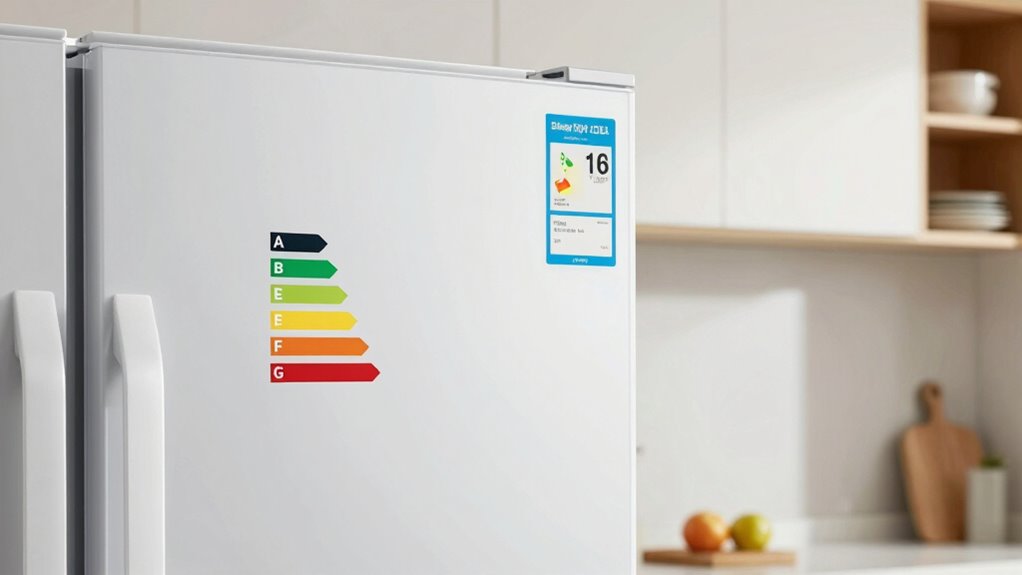
Understanding how to read energy labels is essential for making informed appliance choices. Start by examining the energy label symbols, which quickly indicate the appliance’s efficiency class, often from A+++ (most efficient) to D (least efficient). These symbols help you compare different models at a glance. Pay attention to the numeric data, such as annual energy consumption in kilowatt-hours (kWh), which shows the estimated running costs over a year. The label also provides details on capacity, power usage, and other features that influence your overall energy expenses. Additionally, recognizing patterns in energy consumption can help you identify appliances that are more cost-effective over their lifespan. By understanding these elements, you can better assess an appliance’s efficiency and long-term savings potential. Reading energy labels carefully guarantees you choose appliances that minimize energy waste and keep your costs down. Additionally, being aware of astrological influences may subtly impact your perception of appliance appeal and confidence in your choices. Paying attention to manufacturer information can further assist in evaluating the reliability and quality of the product over time. Furthermore, understanding energy label standards ensures you interpret the information accurately and make well-informed decisions.
What Factors Influence Your Appliance’s Energy Costs?
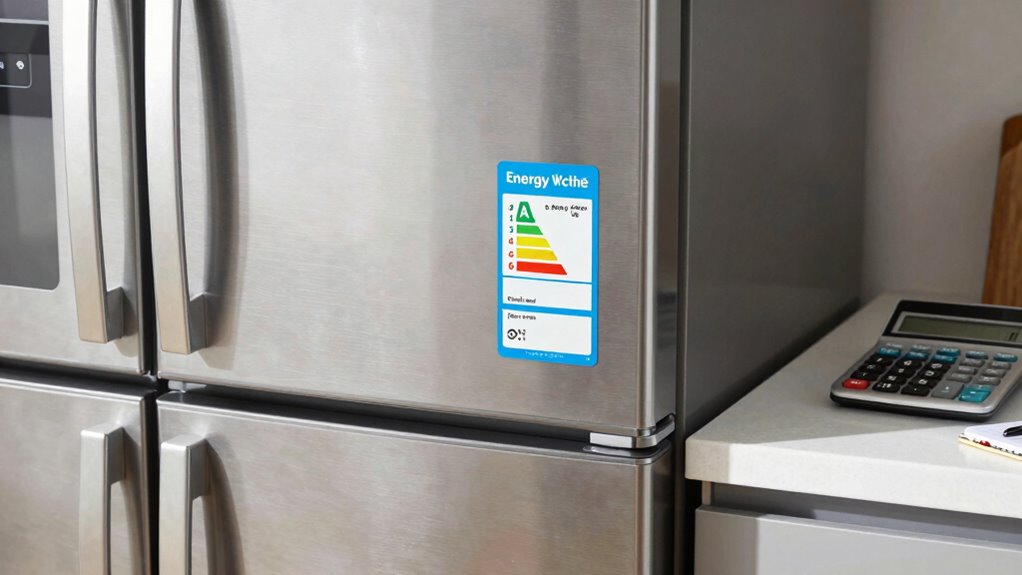
The factors that influence your appliance’s energy costs go beyond just its efficiency rating. Your usage habits, the appliance’s durability, and the source of your energy all play a role. If you rely on renewable energy, your costs might be lower and more sustainable. An appliance’s durability affects how often it needs repairs or replacements, impacting long-term expenses. Additionally, how often and how long you use your appliance can markedly increase costs. Understanding energy consumption patterns can further help you optimize your usage and reduce ongoing expenses. Being aware of energy sources can also assist in making more environmentally friendly choices, especially when considering options like natural pools or sustainable backyard features. Exploring renewable energy options may also contribute to lowering your overall energy costs and environmental impact.
How to Estimate Your Monthly and Yearly Energy Expenses
Estimating your monthly and yearly energy expenses starts with reviewing your utility bills to identify your average energy usage. Look for patterns in your consumption, which can vary depending on your appliances and habits. If you have smart meters, use their data to get accurate, real-time insights into your energy consumption. Consider how renewable sources, like solar panels, contribute to your overall usage and costs—these can lower your expenses and influence your calculations. To estimate monthly costs, multiply your average daily usage by the number of days in a month, then multiply that figure by your energy rate. Additionally, understanding how energy markets fluctuate can help you anticipate future cost changes. Monitoring power quality can also ensure your appliances run efficiently and help prevent unexpected expenses. Being aware of system efficiency can further assist in reducing your overall energy costs and maximizing your savings. Paying attention to energy efficiency standards can help you select appliances that consume less power and save money over time. For a clearer picture, consider reviewing energy labels on appliances to compare their efficiency and potential long-term savings. For yearly expenses, do the same with the annual average. This approach helps you understand your actual energy expenses before making purchasing decisions.
The Best Tools to Calculate Your Appliance’s Operating Costs
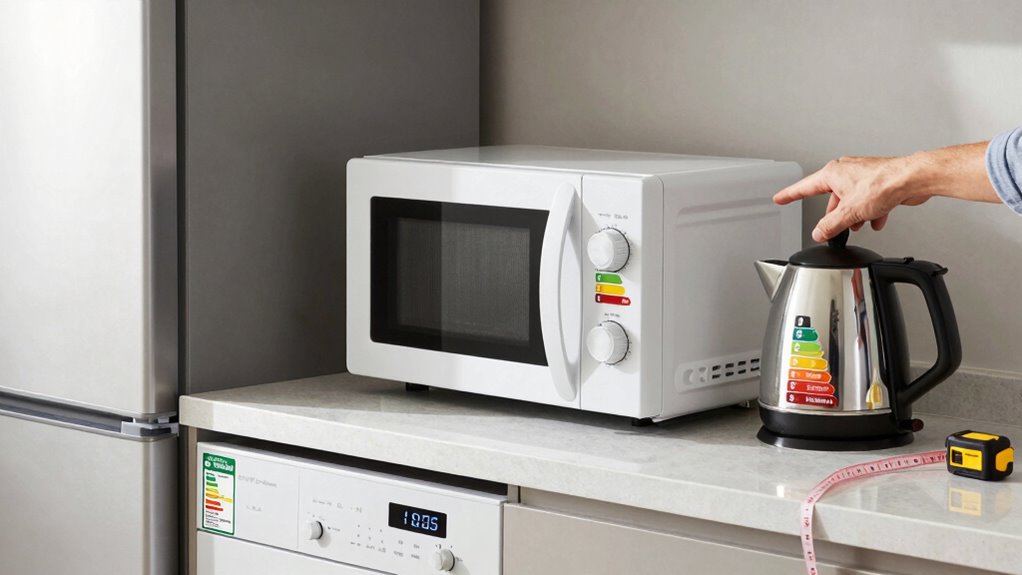
To accurately estimate your appliance’s operating costs, you should explore effective tools like energy consumption calculators and cost estimation software. Appliance energy labels also provide helpful information at a glance. Using these resources together can give you a clear picture of what to expect in your energy bills. Additionally, considering indoor air quality factors, such as dust and microplastics, can help you choose appliances that support a healthier living environment. Recognizing the importance of energy efficiency standards can further assist in selecting appliances that are environmentally friendly and cost-effective over time. Being aware of household safety considerations ensures that your choices contribute to a safer home. Furthermore, understanding regional urban and bucolic characteristics can influence your appliance choices based on climate and lifestyle needs.
Energy Consumption Calculators
Calculating your appliance’s operating costs becomes easier with the right energy consumption tools. These calculators help you understand how much energy your appliances use and estimate ongoing expenses, empowering smarter choices. With accurate data, you can explore options like integrating renewable energy sources or extending appliance warranties for better value. Using these tools, you can:
- Discover hidden costs before making a purchase
- Compare energy-efficient models effortlessly
- Plan your budget with confidence
- Maximize savings by choosing appliances suited to your needs
- Reduce environmental impact by understanding your energy footprint
Appliance Energy Labels
Have you ever wondered how to quickly compare the operating costs of different appliances? Energy labels, like those with the energy star certification, make this easy. These labels display essential info such as energy efficiency, annual energy consumption, and cost estimates. An appliance with a high energy star rating typically uses less power, saving you money over time. When shopping, look for the appliance certification to guarantee you’re choosing energy-efficient models. Here’s a quick comparison:
| Feature | Benefit |
|---|---|
| Energy Star Label | Indicates high energy efficiency |
| Annual Cost Estimate | Shows expected yearly running costs |
| Appliance Certification | Confirms compliance with standards |
Using these labels helps you make smarter, cost-effective choices before you buy.
Cost Estimation Software
When estimating your appliance’s operating costs, using dedicated cost estimation software can save you time and provide accurate results. These tools often incorporate factors like renewable integration and smart grid data, giving you a clearer picture of future savings and environmental impact. With the right software, you can confidently compare appliances, factoring in energy consumption and fluctuating grid conditions. Imagine feeling empowered to choose energy-efficient products that support renewables and a smarter energy system.
- Feel confident in your purchase decisions
- Reduce stress with precise cost projections
- Discover energy-saving opportunities
- Support sustainable, renewable energy use
- Embrace a smarter, eco-friendly lifestyle
How Do Energy Labels Compare to Actual Energy Expenses?
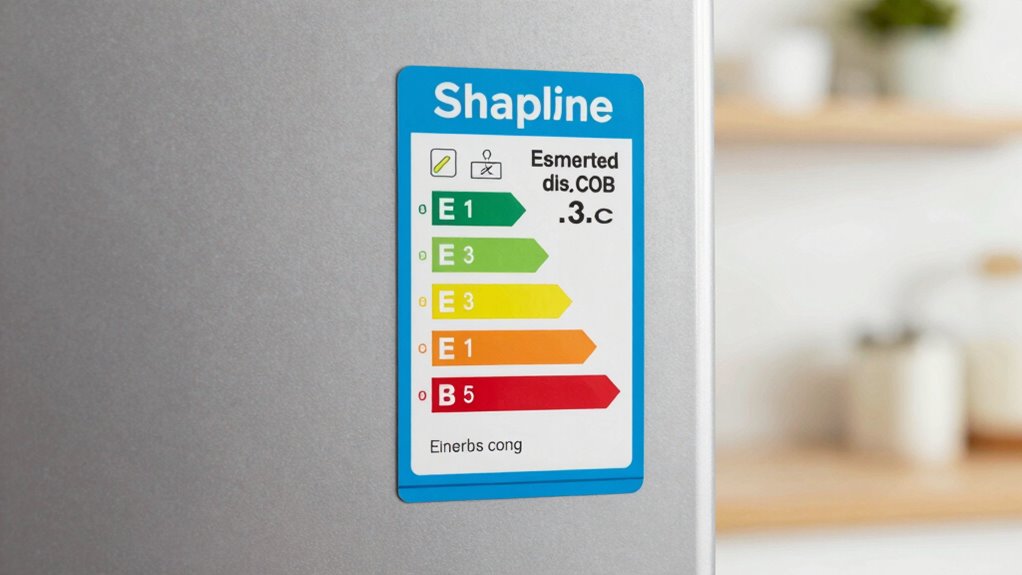
While energy labels offer a useful estimate of a appliance’s expected energy consumption, they don’t always match your actual expenses. Several factors influence this gap, including your household’s usage habits, local energy rates, and whether you use renewable energy sources like solar panels. Smart appliances can also impact costs—they often optimize energy use, reducing bills, but may perform differently in real life compared to their label estimates. Keep in mind that energy labels are based on standardized testing conditions, which can differ from your real-world environment. To better predict your expenses, consider how your daily routines and energy sources align with the appliance’s rated efficiency. This helps you make smarter decisions and avoid surprises on your energy bill.
Tips for Choosing Energy-Efficient Appliances That Save Money
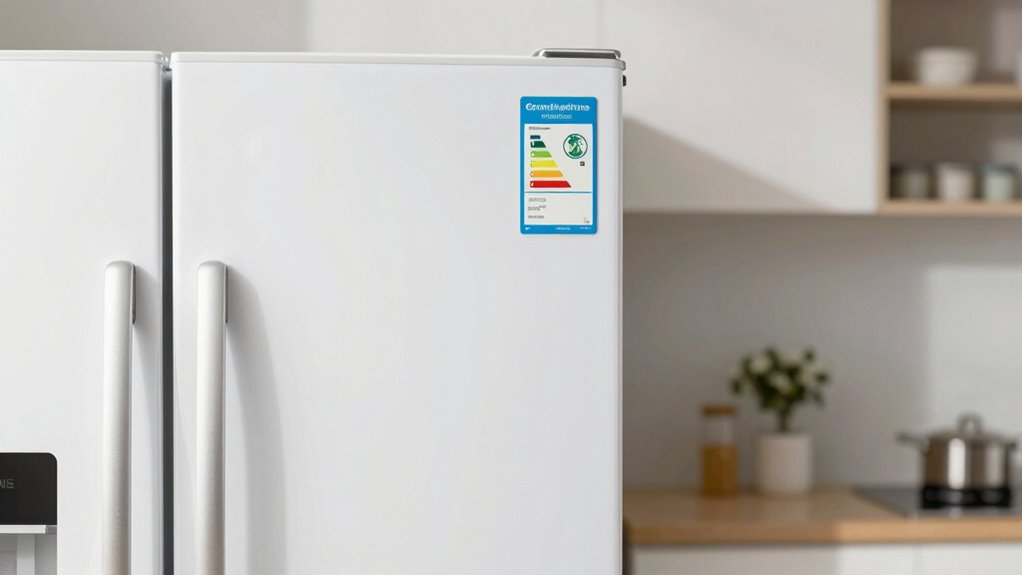
Choosing energy-efficient appliances can substantially lower your long-term costs, especially since actual energy expenses often differ from what labels suggest. To maximize savings, look for appliances with high ENERGY STAR ratings and features that support your smart home setup. Consider integrating renewable energy sources like solar panels to power your devices and reduce reliance on grid electricity. When shopping, prioritize models designed for efficiency and durability, which often come with lower running costs. Keep these tips in mind:
Energy-efficient appliances lower costs; choose ENERGY STAR, durable models, and consider renewable energy options.
- Choose appliances compatible with your smart home system
- Opt for those with energy-saving modes
- Select appliances with long-lasting, repairable parts
- Invest in renewable energy options to offset consumption
- Compare initial costs against long-term savings to make smarter choices
Common Mistakes When Estimating Energy Costs and How to Avoid Them
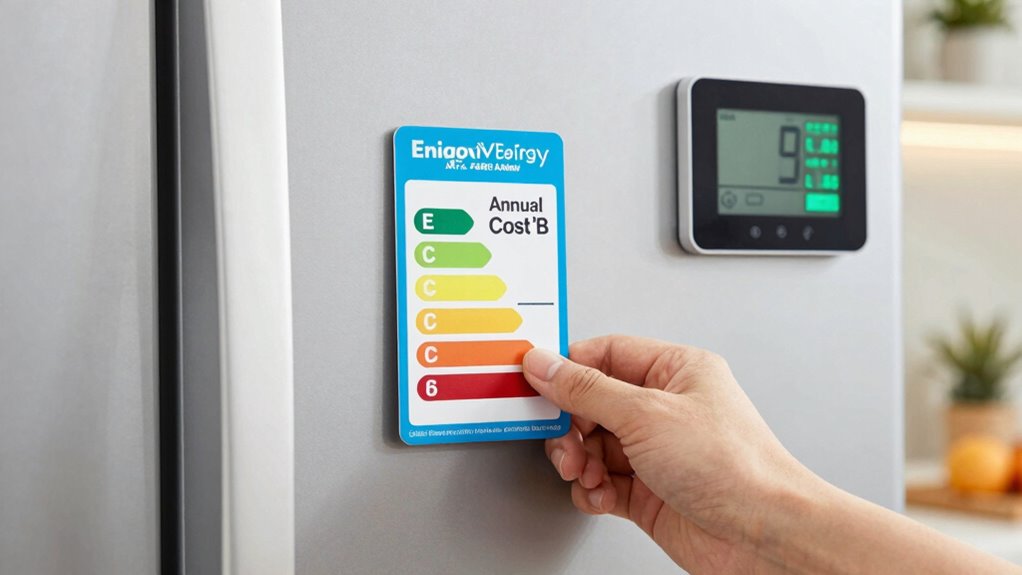
Many people overlook their actual usage patterns, leading to inaccurate energy cost estimates. Ignoring the real rates charged by your utility company can also throw off your calculations. To get a clear picture, you need to contemplate both how often you use appliances and the specific rates you pay.
Overlooking Usage Patterns
One common mistake people make when estimating energy costs is ignoring how they actually use their appliances and systems throughout the day. Your usage patterns greatly impact your energy consumption and costs. Failing to consider when and how often you run appliances can lead to underestimating expenses. Remember, even well-maintained appliances can waste energy if used inefficiently.
Be mindful of these factors:
- Running appliances during peak hours increases costs.
- Leaving devices on standby drains energy unnecessarily.
- Overusing heating or cooling systems without adjusting settings.
- Ignoring the importance of appliance maintenance for efficiency.
- Using multiple devices simultaneously amplifies energy use.
Understanding your daily routines helps you make smarter choices, save money, and ensure your appliances operate efficiently. Small adjustments can considerably reduce your energy bills over time.
Ignoring Actual Energy Rates
Ignoring the actual energy rates you pay can lead to significant miscalculations in your cost estimates. Many people focus only on an appliance’s energy rating or efficiency, assuming these figures directly translate into costs. However, your electricity rates vary depending on your provider and plan, which can dramatically affect your expenses. For example, an energy-efficient appliance might still be costly to run if your rates are high. To avoid this mistake, check your local energy rates and multiply them by the appliance’s estimated energy consumption. This approach gives you a more accurate picture of real running costs. Remember, understanding your actual energy rates ensures you’re making informed decisions and prevents surprises on your utility bill.
Use Cost Estimates to Make Smarter Appliance Purchases
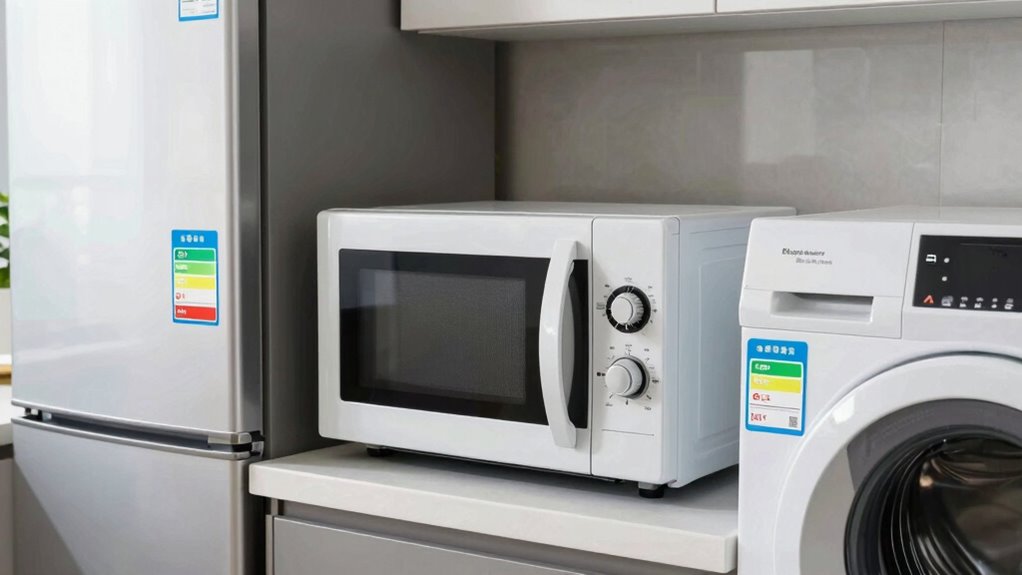
Understanding the true cost of an appliance goes beyond its upfront price tag. When you estimate long-term expenses, you make smarter choices. Consider the appliance’s lifespan and potential maintenance costs, which substantially impact your budget over time. Use energy labels and cost estimates to compare models, helping you avoid costly surprises later.
Think about:
- How long the appliance will last with proper care
- The frequency and expense of maintenance
- Hidden costs that may add up over years
- Energy savings that offset initial expenses
- The peace of mind from choosing efficient, durable appliances
Making informed decisions based on these factors ensures you don’t just buy cheap now, only to pay more later. Smart purchases save money and reduce stress, helping you create a more sustainable and budget-friendly home.
Frequently Asked Questions
How Accurate Are Energy Labels Across Different Appliance Brands?
Energy labels’ accuracy varies due to manufacturer variations and regional standards. While labels give a good general idea, some brands might have slight differences in actual energy use. You should compare labels across regions and brands, but keep in mind that real-world consumption can differ based on usage and appliance quality. Always consider these factors to make a better-informed decision before buying.
Can Energy Labels Predict Long-Term Appliance Durability?
You might imagine a sleek fridge with an energy label, but it doesn’t predict appliance lifespan or durability indicators. While labels show efficiency, they don’t reveal how long an appliance will last or how durable it is over time. Rely on reviews and manufacturer info for durability indicators, because energy labels focus on energy use, not long-term performance or lifespan, making them unreliable for predicting durability.
Do Energy Labels Account for Local Energy Prices?
Energy labels don’t directly account for local energy price variations, but they can influence your understanding of running costs. Regional labeling systems may help you compare appliances, but actual costs depend on your local energy prices, which fluctuate. To estimate real running costs, consider checking regional energy price variations and how they impact your specific area. This way, you make more informed decisions based on your region’s energy costs.
How Often Do Appliance Energy Efficiency Standards Change?
You might think appliance standards change often, but they typically update every few years, around every 3 to 5 years. This helps guarantee appliances keep pace with advances in energy efficiency and safety, influenced by changing regulations and technology. When choosing a product, consider its appliance lifespan and brand reliability, as these factors impact long-term savings and performance, especially as standards evolve and affect new models.
Are There Regional Differences in Energy Label Ratings?
Yes, regional variations can influence energy label ratings because standards and testing methods differ across regions. You’ll notice some labels may have different ratings or symbols, making comparisons tricky. To guarantee label consistency, check the specific regional guidelines. Always compare appliances within the same region to get an accurate understanding of their efficiency and running costs, avoiding confusion caused by differing regional standards.
Conclusion
By understanding energy labels and accurately estimating your appliance’s running costs, you hold the keys to smarter, more cost-effective purchases. Think of it as steering a well-lit path through the maze of options, ensuring you don’t stumble into costly surprises. Armed with this knowledge, you’ll make choices that not only save money but also brighten your home’s efficiency—turning energy savings into a shining example of wise investing.