Binocular specs like 8×42 mean you’re looking at two numbers: the first (8x) is how much closer objects appear, with higher numbers offering more zoom but possibly less stability. The second (42) shows the lens diameter in millimeters, affecting brightness and light gathering. Smaller lenses are lighter, while larger ones work better in low light. To choose the right pair, understanding how these numbers influence your view will help you make smarter decisions. Keep exploring to learn more!

Get business pricing on monitors, keyboards and dev gear
- Business-only prices and quantity discounts
- Tax-exempt purchasing
- Multiple users, one account, clear invoices
Key Takeaways
- Magnification (first number) shows how many times closer the object appears; e.g., 8x makes objects seem 8 times closer.
- Objective lens size (second number) in mm determines light intake, affecting brightness and image clarity.
- Higher magnification offers closer views but can cause shakiness and reduced stability.
- Larger objective lenses improve brightness in low-light conditions but increase the binoculars’ weight.
- Balancing magnification and lens size ensures optimal viewing for your activity and comfort.
Products Worth Considering

Bose TV Speaker (2nd Gen) Compact Soundbar with Bluetooth and HDMI Connectivity

Bose QuietComfort Ultra Earbuds (2nd Gen), Deep Plum

Amazon Kindle Scribe Colorsoft 64GB (1st Generation)
As an affiliate, we earn on qualifying purchases.
What Do Those Binocular Specs Really Mean?

Have you ever looked at binocular specs and wondered what they actually mean? Understanding these numbers helps you choose the right pair. The history of binoculars dates back centuries, evolving from simple optical devices to today’s high-tech models. Proper binoculars maintenance guarantees they stay clear and functional over time. The specs typically show two numbers, like 8×42. The first number, 8x, indicates magnification, or how much closer objects appear. The second number, 42, is the diameter of the objective lenses in millimeters, affecting light gathering and image brightness. Knowing how to interpret these specs helps you select binoculars suited to your needs, whether for birdwatching, hiking, or stargazing. Clear understanding of these basics makes your outdoor viewing experience more enjoyable.
Why Do Magnification and Lens Size Matter?
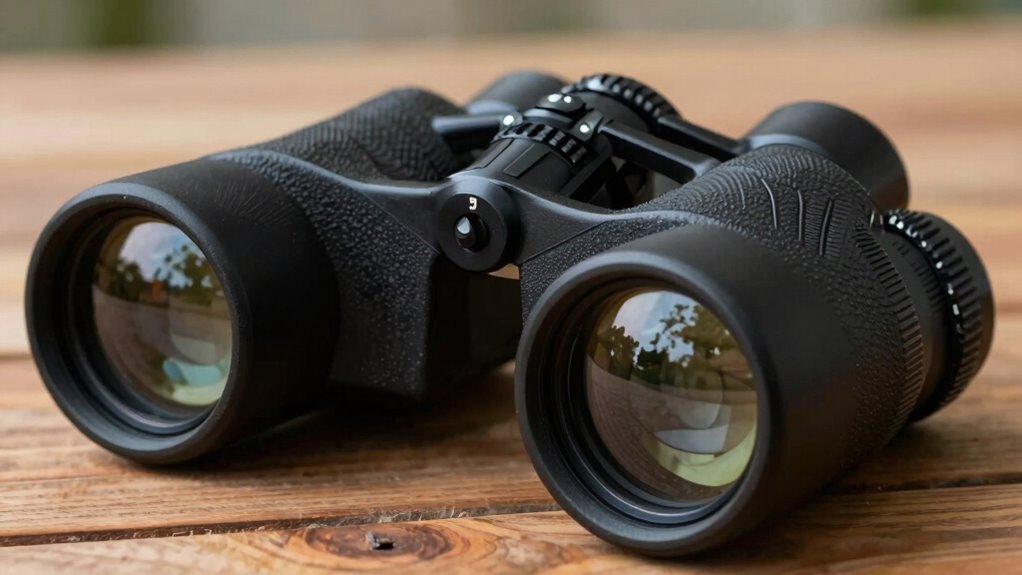
Understanding why magnification and lens size matter helps you choose binoculars that match your activities. Higher magnification offers closer views, but it can make binoculars bulkier and harder to hold steady, affecting binocular ergonomics. Larger objective lenses let in more light, improving image brightness in low-light conditions, but they also increase binocular weight. If you’re hiking or birdwatching for hours, lightweight options with moderate magnification might be better. Conversely, for stationary activities like stargazing, heavier, high-magnification binoculars can be advantageous. Balancing magnification and lens size ensures comfortable handling and clear visuals. Considering binocular ergonomics and weight helps prevent fatigue and makes your outdoor experience more enjoyable. Additionally, understanding Free Floating principles can help optimize your choice for stability and clarity. Recognizing the impact of optical design features allows for better customization of binoculars to suit specific environments and uses. Being aware of optical alignment and how it impacts image quality further enhances your binocular experience. Proper optical maintenance of your binoculars ensures consistent performance over time, preventing issues that can degrade image clarity. Ultimately, understanding these factors helps you select binoculars tailored to your specific needs.
How Can You Compare Binoculars’ Specs Easily?
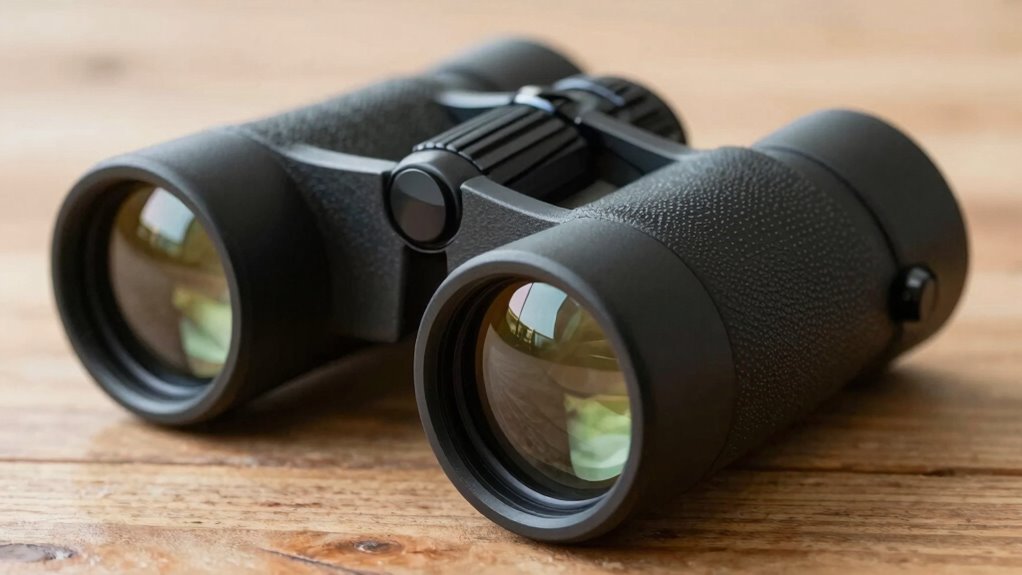
Comparing binoculars’ specs becomes easier when you focus on key measurements like magnification, lens size, field of view, and weight. To streamline your comparison, start by noting the magnification and objective lens size, which directly influence your viewing experience. Consider the field of view for situational clarity and the weight for comfort during extended use. Understanding binoculars history helps you identify trusted brands and reliable models, simplifying your choices. It’s also helpful to learn about common specifications to better interpret and compare different models. Regular binoculars maintenance ensures your equipment stays in top shape, maintaining consistent performance over time. When comparing specs, look beyond numbers—think about how each feature aligns with your needs. For example, knowing about media literacy can help you avoid misleading information about binoculars marketed online. Developing technical knowledge enables you to make more informed decisions and select the best pair for your activities. Additionally, gaining insight into brand reputation can guide you toward durable and reputable options. By concentrating on these core measurements and understanding their context, you can confidently select the best binoculars for your adventures.
How Do Magnification and Lens Size Affect Your View?

Magnification and lens size are fundamental factors that directly shape your viewing experience. Higher magnification makes distant objects appear larger, but it can also make your view shakier if your binoculars aren’t properly aligned. Proper binocular alignment ensures a clear, unified image without strain. The objective lens size impacts how much light enters, affecting brightness and clarity—larger lenses gather more light, ideal for low-light conditions. Eye relief, or how far your eyes can be from the eyepiece while still seeing the full field of view, is also influenced by magnification and lens design. Longer eye relief offers more comfort and accessibility, especially if you wear glasses. Balancing these factors helps optimize your view based on your specific needs and outdoor activities.
How to Pick the Best Binoculars for Your Outdoor Adventures

Choosing the right binoculars for your outdoor adventures involves considering how you’ll use them and the conditions you’ll encounter. Think about the terrain, weather, and how much weight you’re comfortable carrying. If you’re on a tight budget, budget binoculars can still offer great value, especially if you prioritize essential features. Proper binocular maintenance keeps your gear performing at its best and extends its lifespan. To help you decide, consider this emotional impact:
| Scenario | What It Means for You |
|---|---|
| Spotting distant wildlife | Clear, bright images boost confidence |
| Hiking in rugged terrain | Durable, rugged build for tough days |
| Birdwatching in low light | Larger objective lenses for better view |
| Budget constraints | Find quality without overspending |
| Long outdoor trips | Lightweight, comfortable fit |
Understanding magnification and objective lenses helps you select binoculars that match your specific needs and improve your viewing experience. Additionally, knowing how specialized features like image stabilization or waterproofing impact performance can help you make a more informed choice. Moreover, familiarizing yourself with binocular types can ensure you pick the best model for your particular outdoor activities. For example, comprehending the different binocular configurations can lead to better durability and ease of use in various environments. Being aware of ergonomic design considerations can also enhance comfort during extended use.
Frequently Asked Questions
How Does Binocular Weight Influence Your Choice?
Your binocular weight impacts your choice because heavier models can cause fatigue over extended use, affecting ergonomic considerations. Lighter binoculars reduce strain and are easier to carry, especially during long outings. When choosing, consider material durability too—lighter materials like polycarbonate can be tough yet lightweight, while metal bodies offer more durability but add weight. Balancing weight with durability guarantees comfortable, long-lasting binoculars suited to your activities.
Are Higher Magnification Binoculars Better for All Activities?
Higher magnification binoculars aren’t always better for all activities. They can strain your eyes, reduce ocular comfort, and make images shakier, especially during long use or active pursuits. For activities like birdwatching or sports, moderate magnification offers better image brightness and stability. Ultimately, choose binoculars that balance magnification with ocular comfort and brightness, ensuring clear, comfortable viewing whether you’re observing wildlife or attending a concert.
What Is the Ideal Lens Size for Beginner Outdoor Use?
For beginner outdoor use, a lens size around 42mm strikes the perfect balance. It offers enough light-gathering ability for clear images in various conditions without being too bulky to handle comfortably. You’ll find this size suits most beginner preferences, whether birdwatching, hiking, or exploring nature. It’s versatile, easy to carry, and provides bright, sharp views, making it an ideal choice as you start your outdoor binocular adventures.
Can You Upgrade Binoculars Without Changing Your Viewing Experience?
Upgrading your binoculars can be like tuning a fine instrument—improving your viewing without sacrificing clarity. You can enhance eyepiece clarity and prism quality by choosing models with better glass and coatings, often without changing your overall experience. Switch to roof prisms for more compact, durable options, or upgrade to higher-quality porro prisms for richer depth perception. This way, you refine your view without losing the magic of what you already love.
How Do Weather Conditions Impact Binocular Performance?
Weather conditions substantially impact your binocular performance by affecting optical clarity. Rain, fog, and snow introduce moisture and particles that can distort images and reduce visibility. Humidity can cause lens fogging, while dust and wind may scratch or dirtify the lenses. To maintain ideal viewing, keep your binoculars protected with waterproof or fog-proof features and clean lenses regularly, especially in challenging weather, ensuring you get the clearest view possible.
Conclusion
Now that you understand how magnification and lens size work together, choosing the right binoculars becomes much easier. Remember, don’t just chase the highest numbers—balance your needs with practicality. As the saying goes, “Less is more,” so pick a pair that fits your outdoor adventures without overdoing it. With the right specs, you’ll enjoy clearer, brighter views and make the most of every moment outside. Happy exploring!