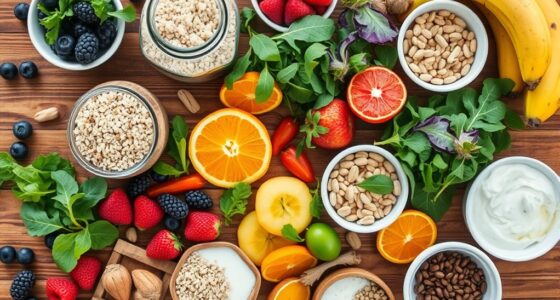

Intermittent fasting redefines your relationship with food by focusing on when you eat rather than what you eat. It encourages mindful eating, boosts metabolism, and helps improve fat burning. You’ll find it simplifies meal routines without calorie counting. However, it’s essential to listen to your body, as it isn’t one-size-fits-all. While you may experience cognitive benefits and enhanced energy, there are also risks to weigh up. Discover more about how this approach can work for you.
Key Takeaways
- Intermittent fasting focuses on meal timing, promoting mindful eating and routine without calorie counting.
- It offers metabolic benefits by optimizing energy expenditure and regulating insulin levels, reducing diabetes risk.
- Establishing a consistent eating schedule enhances weight management and improves overall metabolic health.
- Cognitive benefits include improved mental clarity and reduced distractions from constant eating, fostering productivity.
- Personalization is crucial; adjustments may be needed based on individual energy levels and hunger cues.

Have you ever wondered how intermittent fasting can transform your approach to eating? It’s not just about restricting food; it’s about redefining your relationship with meals. By focusing on meal timing, you can shift your body’s metabolism and enhance your metabolic health. Instead of grazing throughout the day, intermittent fasting encourages you to eat within specific windows. This shift can lead to more mindful eating and better digestion, as your body gets a chance to rest and reset.
Intermittent fasting isn’t just a diet; it’s a way to redefine your relationship with food through mindful meal timing.
When you practice intermittent fasting, you’re not just cutting calories; you’re optimizing your body’s energy expenditure. By limiting your eating to certain hours, you give your body time to burn fat for fuel. This can improve your metabolic health substantially. Research shows that intermittent fasting can help regulate insulin levels, reducing the risk of diabetes and other metabolic disorders. You’ll likely feel more energized, as your body becomes more efficient at converting stored fat into energy.
One of the appealing aspects of intermittent fasting is its simplicity. You don’t have to count calories or meticulously track every bite. Instead, you focus on when you eat. By establishing a routine, you can develop a rhythm that works for you. Whether you choose the 16/8 method, where you fast for 16 hours and eat during an 8-hour window, or another variation, the key is consistency. This routine not only helps with weight management but also allows for better glucose control, which is essential for overall metabolic health.
You might find that meal timing plays a prominent role in how you feel throughout the day. Many people report improved mental clarity and focus when they adhere to an intermittent fasting schedule. This clarity comes from the body having fewer distractions from constant eating, allowing you to channel energy into productivity. It’s fascinating how our bodies respond when we give them boundaries, isn’t it?
However, while intermittent fasting offers numerous benefits, it’s important to listen to your body. If you feel fatigued or overly hungry, it’s okay to adjust your eating window or approach. Intermittent fasting isn’t a one-size-fits-all solution. It’s about finding what works best for you and your lifestyle. Embrace this journey, and you might just discover a renewed sense of energy and a healthier relationship with food. Additionally, studies suggest that meal timing can significantly influence metabolic health, making it a vital factor in your dietary choices.

Techbee Digital Infinite Repeat Cycle Intermittent Timer Plug for Electrical Outlet, 24 Hour Programmable Indoor Timed Power Switch with Countdown Delay On and Off (120V, 15A), 1 pack
- Versatile 3-in-1 Timer Functions: Daily, countdown, cycle timers
- Energy Saving and Cost Reduction: Automates appliance power to save energy
- Easy-to-Use Large Display: Clear screen with memorized settings
As an affiliate, we earn on qualifying purchases.
As an affiliate, we earn on qualifying purchases.
Frequently Asked Questions
Can I Drink Coffee During Intermittent Fasting Periods?
Yes, you can drink coffee during intermittent fasting periods. Black coffee contains minimal calories, so it won’t substantially affect your calorie intake. Plus, caffeine consumption can boost your metabolism and help curb hunger, making it easier to stick to your fasting window. Just be cautious about adding sugar or cream, as that can break your fast. Enjoy your coffee to stay energized and focused while fasting!
How Does Intermittent Fasting Affect Muscle Mass?
Intermittent fasting can positively affect muscle mass if you’re careful. It promotes muscle preservation by encouraging fasting adaptation, which helps your body use fat for energy instead of breaking down muscle. To maintain your gains, make sure you consume enough protein during your eating windows and include strength training in your routine. Overall, when done correctly, intermittent fasting can support your fitness goals without sacrificing muscle.
Is Intermittent Fasting Safe for Teenagers?
Intermittent fasting isn’t generally recommended for teenagers. Your body’s going through significant growth and hormonal development, and restricting food intake can interfere with these processes. You need proper nutrition to support your energy levels and overall health during this vital time. Instead of fasting, focus on maintaining a balanced diet that provides the essential nutrients your body requires for healthy growth and development. Prioritize your well-being over any trendy diet approaches.
Can Intermittent Fasting Help With Mental Clarity?
Yes, intermittent fasting can boost your mental clarity. Imagine battling brain fog one moment and then feeling sharp and focused the next. By giving your brain a break from constant energy intake, you allow it to operate more efficiently. You might notice improved mental focus during fasting periods, as your body taps into fat stores for energy. Embracing this practice could help you think clearer and enhance your overall cognitive performance.
What Should I Eat During Eating Windows?
During your eating windows, focus on whole foods packed with nutrients. Meal planning is vital; include lean proteins, healthy fats, and plenty of vegetables to guarantee balanced meals. Don’t forget about nutrient timing—try to eat carbs around your workouts for energy. Healthy snacks like nuts or yogurt can keep you satisfied between meals. Staying hydrated is necessary too, so drink plenty of water throughout the day. Enjoy your meals!

16oz Meal Prep Containers, 50 Pack Disposable Food Storage Boxes with Lids
- Versatile Usage: Suitable for catering, meal prep, and storage
- On-the-Go Convenience: Perfect for travel and quick meals
- BPA-Free Material: Safe and BPA-free for health
As an affiliate, we earn on qualifying purchases.
As an affiliate, we earn on qualifying purchases.
Conclusion
In summary, intermittent fasting can be a powerful tool for improving your health, helping with weight loss, and boosting your mental clarity. However, it’s not a one-size-fits-all solution, and you should listen to your body’s needs. Just remember, while you’re reaping the rewards, keep an eye out for any potential downsides. If you play your cards right, you might find a balance that works perfectly for you.
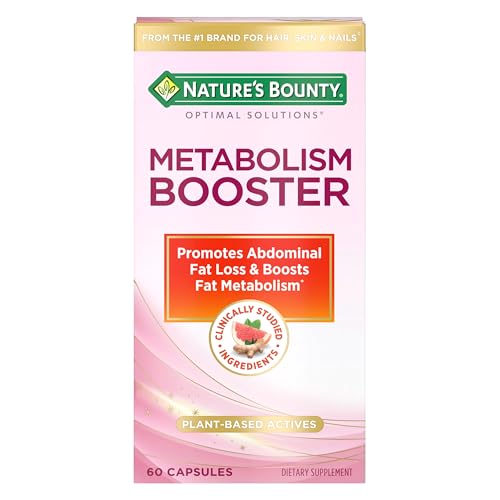
Nature's Bounty Optimal Solutions Metabolism Booster Supplement, 60 Count
- Metabolism Support: Plant-based, drug-free formula
- Citrus Extracts: Includes Orange and Grapefruit
- Black Ginger: Promotes abdominal fat loss
As an affiliate, we earn on qualifying purchases.
As an affiliate, we earn on qualifying purchases.

LES Labs Insulin Health Metabolic Health & Support Supplement, 60 Capsules
- Supports Metabolic Function: Drug-free metabolic support
- Regulates Carbohydrate & Lipid Metabolism: Helps regulate absorption and metabolism
- Supports Signaling & Balance: Olive leaf, chromium, berberine, alpha lipoic acid
As an affiliate, we earn on qualifying purchases.
As an affiliate, we earn on qualifying purchases.