Cancel culture is a modern phenomenon where individuals are held accountable for harmful actions, often facing swift backlash on social media. It promotes social justice by calling out problematic behavior, but it can also lead to public shaming and severe consequences for those involved. The digital age amplifies these reactions, with reputations at risk of crumbling overnight. Understanding the balance between accountability and empathy is vital. You might find it interesting to explore further.

Get monitors, keyboards and dev gear delivered free — and shop member deals
- Fast, free delivery on millions of items
- Access to Prime Big Deal Days deals on October 6–7
- Prime Video, Amazon Music and more included
Key Takeaways
- Cancel culture is a modern social justice tool that holds individuals accountable for harmful actions against marginalized groups.
- It fosters rapid public reactions, often leading to swift consequences for public figures via social media platforms.
- The phenomenon can result in disproportionate public shaming, affecting careers and reputations significantly and quickly.
- While promoting accountability, it risks escalating beyond the original offense, complicating societal perceptions of justice.
- Navigating cancel culture requires balancing accountability with empathy, understanding, and the potential for personal growth and reflection.
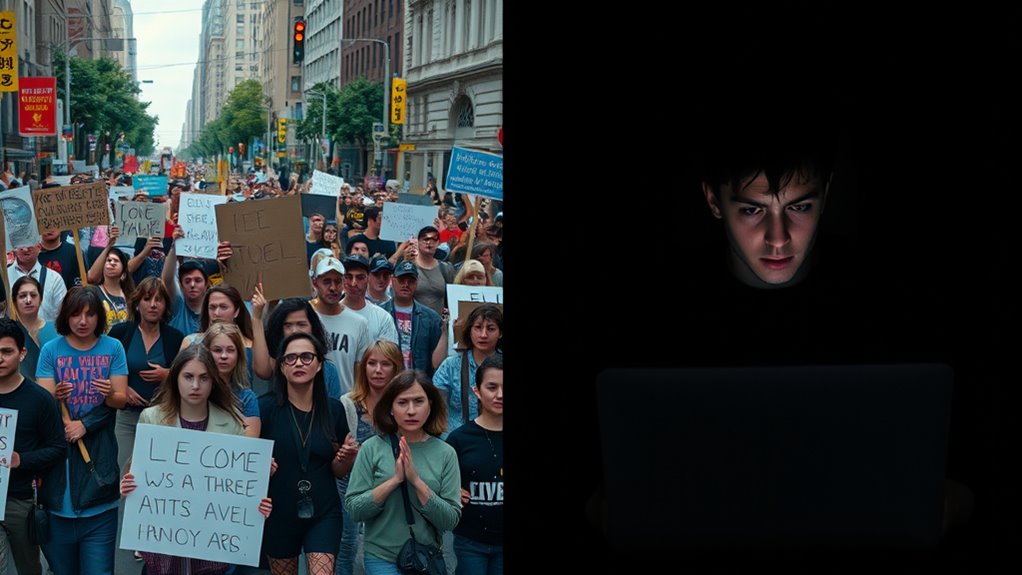
What happens when public figures face backlash for their actions? You might notice a swift and intense reaction that often spreads across social media platforms. This phenomenon, commonly referred to as cancel culture, serves as a modern tool for accountability. It can be a double-edged sword, though; while it’s aimed at promoting social justice, it can also lead to public shaming that feels disproportionate to the offense.
You’ve likely seen it unfold in real-time, where a celebrity’s tweet or a politician’s statement ignites outrage. As the fire of public opinion grows, you can feel the pressure mounting on the individual to respond. Sometimes, they issue an apology, attempting to address the hurt caused, while other times they might dig in, refusing to acknowledge the backlash. In either case, the consequences can be severe. Careers can be derailed, and reputations can be tarnished, all in the span of a few hours.
A single tweet can ignite outrage, leading to severe consequences for public figures in mere hours.
The intent behind cancel culture often revolves around holding people accountable for their actions, especially when those actions perpetuate discrimination or harm marginalized communities. You might find yourself supporting this form of social justice, believing it’s essential to confront problematic behaviors and make those in power aware of the impact of their words and actions. However, this accountability can quickly morph into public shaming, where the person in question becomes the target of relentless criticism that can feel overwhelming.
You could argue that public shaming has roots in human behavior, as it’s been a part of societal norms throughout history. But in the age of social media, its scale and speed have transformed. You might think twice before sharing your opinion on a divisive subject, knowing that your words could lead to a backlash. It’s a precarious tightrope act, balancing your values with the fear of being “canceled.”
Ultimately, steering the landscape of cancel culture requires you to be aware of its complexities. It’s not black and white; accountability is crucial, but so is empathy. You might find yourself questioning where the line is drawn between holding someone accountable and engaging in harmful public shaming. As you engage in these discussions, consider the potential for growth and understanding, rather than solely focusing on punishment. In a world striving for social justice, it’s important to remember that everyone can learn and evolve. As we navigate these conversations, we should also reflect on the role of emotional intelligence in fostering constructive dialogue and promoting understanding among differing perspectives.
social media reputation management tools
As an affiliate, we earn on qualifying purchases.
As an affiliate, we earn on qualifying purchases.
Frequently Asked Questions
How Does Cancel Culture Differ From Boycotting?
Cancel culture differs from boycotting primarily in its focus on public shaming and reputation damage. When you boycott, you choose to avoid a product or service, often aiming for economic impact. In contrast, cancel culture seeks to publicly shame individuals or entities, leading to significant social and reputational consequences. While both aim for accountability, cancel culture often feels more personal and immediate, targeting not just actions but the people behind them.
Can Cancel Culture Lead to Positive Change?
Yes, cancel culture can lead to positive change. When you hold individuals or organizations accountable for harmful actions, it fosters moral accountability and encourages growth. This accountability can spark social reform, prompting others to reflect on their behaviors and beliefs. By demanding change, you create a space for dialogue and awareness, ultimately pushing society toward a more equitable future. It’s essential, however, to balance accountability with compassion and understanding.
What Role Do Social Media Platforms Play in Cancel Culture?
Social media platforms act like a digital megaphone, amplifying voices and ideas in a flash. You see how quickly a tweet can spark outrage or solidarity, showcasing social media’s influence on public perception. As online activism thrives, these platforms become battlegrounds for accountability, where collective outrage can lead to swift consequences. You’re part of this dynamic, witnessing how your shares and comments shape narratives and push for change in real time.
Are There Any Legal Implications of Cancel Culture?
Yes, there are legal implications of cancel culture. You could face legal risks, especially if your statements lead to defamation suits. If you publicly accuse someone of wrongdoing without solid evidence, they might sue you for damaging their reputation. It’s essential to contemplate the potential consequences before sharing opinions online. Protecting yourself legally means being aware of the fine line between holding individuals accountable and risking litigation.
How Can Individuals Protect Themselves From Being Canceled?
To protect yourself from being canceled, focus on reputation management and privacy concerns. Keep your online presence professional and thoughtful, avoiding controversial statements that could backfire. Regularly monitor your digital footprint and adjust your privacy settings on social media to limit exposure. Engage positively with others and build a supportive network that can vouch for you during tough times. Staying informed and adaptable will help you navigate potential pitfalls effectively.
public apology and crisis response books
As an affiliate, we earn on qualifying purchases.
As an affiliate, we earn on qualifying purchases.
Conclusion
In the digital age, cancel culture acts like a double-edged sword, slicing through social norms while holding individuals accountable. It’s essential to remember that, just as a fire can warm a home or burn it down, accountability can uplift or harm. Steering this landscape requires empathy and understanding, as we endeavor to learn from our mistakes instead of simply casting people aside. By fostering dialogue, we can create a more compassionate online community for everyone.
digital reputation repair services
As an affiliate, we earn on qualifying purchases.
As an affiliate, we earn on qualifying purchases.
online reputation monitoring software
As an affiliate, we earn on qualifying purchases.
As an affiliate, we earn on qualifying purchases.
Halloween Picks
halloween
As an affiliate, we earn on qualifying purchases.