📊 Full opportunity report: Analyzing Food Trends To Understand Meat Recall Dynamics on IdeaNavigator AI — validation score, market gap, and execution plan.

Get business pricing on monitors, keyboards and dev gear
- Business-only prices and quantity discounts
- Tax-exempt purchasing
- Multiple users, one account, clear invoices
TL;DR
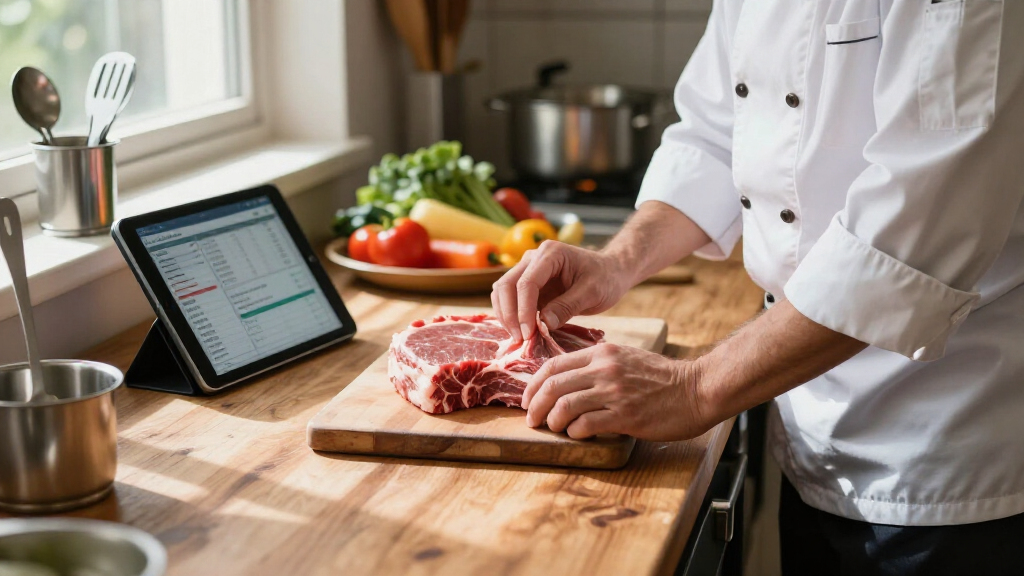
Food trend analysis is being used to detect meat recalls, such as uninspected beef, pork, and goat products, earlier. This approach aims to give food brands a faster response tool, but its effectiveness and scope are still being tested.
Food and beverage companies are increasingly turning to trend analysis tools to detect meat recalls—such as uninspected beef, pork, and goat—earlier than traditional reporting channels. This development aims to give product and marketing leads a faster, role-filtered alert system to respond proactively, potentially reducing safety risks and brand damage.
Recent signals from Google Trends and other monitoring feeds have highlighted a surge in searches and discussions related to specific meat recalls, notably uninspected beef, pork, and goat products. An anonymous food industry source confirmed that a new workflow is being tested, which filters these signals to identify those directly impacting product safety and brand reputation. The goal is to turn these signals into concise, actionable briefs that explain what changed, why it matters, and what steps to consider.
The initiative is driven by the recognition that food recalls and trend shifts now occur rapidly, often outpacing traditional news and regulatory alerts. By leveraging real-time data feeds, companies hope to gain an early warning advantage, enabling quicker decisions on product handling, communication, and compliance. This approach is still in pilot stages, with validation ongoing through direct testing with product and marketing teams at several firms.
Experts note that while trend monitoring offers promise, it also faces challenges, including false positives, data overload, and the need for precise filtering to avoid unnecessary alarms. The effectiveness of this method depends heavily on the quality of signals and the ability to interpret them accurately within the context of food safety regulations and brand priorities.
Early Detection of Meat Recalls Through Trend Monitoring
This approach could significantly reduce the time lag between a meat safety issue emerging and a company’s response, potentially preventing contaminated products from reaching consumers and minimizing brand damage. For consumers, it may lead to quicker awareness and safer products. For companies, early detection means better risk management, faster regulatory compliance, and more controlled crisis communication. However, the method’s success hinges on the reliability of trend signals and the ability to act swiftly on them.
As an affiliate, we earn on qualifying purchases.
Rise of Data-Driven Food Safety Monitoring
Traditionally, meat recalls are issued based on regulatory findings, consumer complaints, or lab testing results, which can take days or weeks to materialize. In recent years, the proliferation of online discussions, news reports, and social media has created new avenues for early signal detection. Google Trends and similar tools now serve as informal barometers of emerging issues, with some food companies experimenting with automated alerts for specific keywords such as ‘uninspected beef recall’ or ‘pork safety alert.’
This shift aligns with broader industry trends toward digital transformation and real-time risk management. Nonetheless, the challenge remains in filtering relevant signals from noise and ensuring that alerts prompt appropriate, timely responses.
Previous incidents have shown that delays in recognizing and acting on safety signals can lead to widespread product recalls, legal liabilities, and loss of consumer trust. Thus, integrating trend analysis into existing safety protocols is seen as a promising but still evolving strategy.
As an affiliate, we earn on qualifying purchases.
Limitations and Risks of Trend-Based Recall Detection
It is not yet clear how accurate and reliable these trend signals are in practice. False positives, data overload, and misinterpretation could lead to unnecessary recalls or missed issues. The effectiveness of this approach remains under evaluation, and broader adoption depends on validation results and integration with regulatory processes.
As an affiliate, we earn on qualifying purchases.
Next Steps in Developing Food Trend Monitoring for Recalls
Companies involved in pilot programs plan to expand testing over the coming months, refining filtering algorithms and validation procedures. Industry regulators and safety agencies are also observing these developments, considering how trend-based signals could complement official reporting channels. The key milestone will be demonstrating that early detection can reliably lead to faster, safer responses without excessive false alarms.
As an affiliate, we earn on qualifying purchases.
Key Questions
How early can trend analysis detect meat recalls?
It varies, but initial pilots aim to identify signals within hours or days of emerging issues, potentially before official recall notices are issued.
What types of meat are most monitored using this method?
Currently, focus is on uninspected beef, pork, and goat products, which have been prominent in recent signals.
Are these trend signals always accurate?
No, false positives are a concern, and validation is ongoing to improve filtering accuracy and reduce unnecessary alerts.
Will this method replace traditional recall procedures?
It is unlikely to replace them entirely but aims to serve as a supplementary early warning system to enhance response times.
How can companies implement this trend monitoring effectively?
By investing in data analytics tools, setting clear filtering criteria, and integrating signals into existing safety protocols with expert oversight.
Source: IdeaNavigator AI
Evergreen bestsellers Picks
bestsellers
As an affiliate, we earn on qualifying purchases.