

Finding the right software testing tools for students can be challenging, as many options vary significantly in complexity, focus, and cost. The best overall pick is Lessons Learned in Software Testing for its comprehensive, context-driven approach suitable for learners. For automation, AI Integrated Software Automation Testing with Java and Selenium stands out for its practical integration of AI features, ideal for students ready to explore advanced topics. The main tradeoffs involve balancing ease of use with depth of features—more beginner-friendly tools may lack advanced capabilities, while complex tools can be overwhelming for newcomers. Continue reading for a detailed breakdown of these options and more.

Get business pricing on monitors, keyboards and dev gear
- Business-only prices and quantity discounts
- Tax-exempt purchasing
- Multiple users, one account, clear invoices
Key Takeaways
- The top picks balance usability with in-depth testing features, helping students at different skill levels.
- Automation tools with AI integration can significantly accelerate learning but often come with steeper learning curves.
- Certification-focused books like ISTQB prepare students for industry standards but may be less interactive.
- Practical guides and comprehensive testing plans are vital for bridging theory and real-world application.
- Pricing and licensing vary widely; free or open-source options are accessible but may lack extensive support.
| Lessons Learned in Software Testing: A Context-Driven Approach |  | Best for Practical Insights and Experienced Testers | VIEW LATEST PRICE | See Our Full Breakdown | |||
| Foundations of Software Testing ISTQB Certification, 4th Edition |  | Best for Comprehensive, Certification-Aligned Learning | VIEW LATEST PRICE | See Our Full Breakdown | |||
| AI Integrated Software Automation Testing with Java and Selenium |  | Best for Tech-Savvy Students Interested in AI and Automation | Programming Language: Java | Framework: Selenium WebDriver, TestNG | AI Features: GitHub Co-Pilot integration, Flaky test detection | VIEW LATEST PRICE | See Our Full Breakdown |
| Elevating Software Testing with Artificial Intelligence |  | Best for Innovative Testing Strategies Using AI | VIEW LATEST PRICE | See Our Full Breakdown | |||
| Effective Software Testing: A Developer’s Guide |  | Best for Developers Seeking Practical Testing Strategies | VIEW LATEST PRICE | See Our Full Breakdown | |||
| Full Stack Testing: A Practical Guide for Delivering High Quality Software |  | Best for Practical, End-to-End Testing Strategies | Coverage: Full stack testing methodologies | Audience: Developers and QA professionals | Focus: Practical testing techniques | VIEW LATEST PRICE | See Our Full Breakdown |
| Learning Selenium Testing Tools with Python |  | Best for Automation and Practical Web Testing | Language: Python | Automation Focus: Web testing with Selenium | Coverage: Setup, scripting, best practices | VIEW LATEST PRICE | See Our Full Breakdown |
| Software Test Design: Write Comprehensive Test Plans to Uncover Critical Bugs in Web, Desktop, and Mobile Apps | 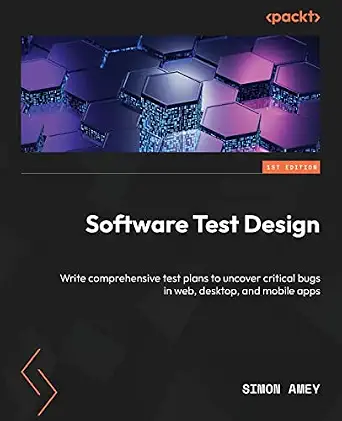 | Best for Test Planning and Quality Assurance Strategy | Application Types: Web, desktop, mobile | Focus: Test planning and bug detection | Approach: Guidance on testing strategies | VIEW LATEST PRICE | See Our Full Breakdown |
| All You Need to Know About Software Testing: From Beginner to Job-Ready QA Engineer |  | Best for Broad, Beginner-Friendly QA Education | Topics Covered: Manual testing, automation, APIs, AI | Target Audience: Beginners and aspiring QA engineers | Focus: Modern testing techniques and career readiness | VIEW LATEST PRICE | See Our Full Breakdown |
More Details on Our Top Picks
Lessons Learned in Software Testing: A Context-Driven Approach
This book stands out for its focus on real-world testing strategies rooted in the context-driven approach, making it ideal for students who seek actionable lessons beyond theory. Unlike the more technical Foundations of Software Testing ISTQB Certification, which covers core principles, this book emphasizes lessons learned from actual testing environments, fostering a mindset for adaptable testing. The lack of detailed technical content might be a drawback for those looking for in-depth frameworks, but it offers valuable perspectives for practical application. It’s best suited for students who want to understand testing as a flexible skill rather than just technical knowledge.
Pros:- Provides practical insights grounded in real testing environments
- Focuses on a flexible, context-driven approach
- Useful for developing adaptable testing skills
Cons:- Limited technical details or framework explanations
- No in-depth content on specific testing tools or scripts
Best for: Students interested in practical, experience-based testing insights and real-world application
Not ideal for: Beginners seeking a structured, foundational textbook or those looking for detailed technical frameworks
Our verdict“This book is ideal for students who want to learn testing through practical lessons and real-world insights rather than technical manuals.”
Foundations of Software Testing ISTQB Certification, 4th Edition
This textbook provides a thorough overview of software testing fundamentals, making it an excellent choice for students aiming for ISTQB certification or a solid grounding in testing principles. Compared to Lessons Learned in Software Testing, which focuses on practical lessons, this book offers detailed explanations aligned with industry standards, though it can feel quite dense for casual learners. The absence of pricing info and customer ratings makes it harder to evaluate its value, but its comprehensive coverage makes it suitable for those seeking a structured, authoritative resource. It’s best suited for students who want a formal, certification-oriented foundation in testing concepts.
Pros:- Extensive coverage of testing fundamentals
- Aligned with ISTQB certification standards
- Suitable for both beginners and experienced students
Cons:- Can be overly technical for some readers
- Lacks real-world practical examples or case studies
Best for: Students pursuing ISTQB certification or needing a structured testing primer
Not ideal for: Casual learners or those seeking quick, practical testing tips without deep technical detail
Our verdict“This book is perfect for students who want a thorough, certification-ready understanding of testing principles, even if it’s more technical than some prefer.”
AI Integrated Software Automation Testing with Java and Selenium
This automation testing tool combines Java and Selenium WebDriver with cutting-edge AI features, making it ideal for students who want hands-on experience with modern testing automation. Unlike traditional tools that lack AI capabilities, this product integrates GitHub Co-Pilot and machine learning-based flaky test detection, offering a glimpse into future testing trends. However, its requirement for Java and Selenium knowledge can be a steep learning curve for beginners, and the absence of clear pricing limits immediate decision-making. This pick makes the most sense for students already familiar with basic automation who want to explore AI-enhanced testing.
Pros:- Integrates AI features for smarter, more reliable testing
- Supports popular frameworks like TestNG
- Detects flaky tests using machine learning
Cons:- Requires prior Java and Selenium knowledge
- No transparent pricing details available
Best for: Students with intermediate automation skills eager to incorporate AI into testing workflows
Not ideal for: Absolute beginners or students new to Java and Selenium, due to the technical complexity
- Programming Language:Java
- Framework:Selenium WebDriver, TestNG
- AI Features:GitHub Co-Pilot integration, Flaky test detection
- Machine Learning:Yes
Our verdict“This tool is suited for students who already have automation experience and want to incorporate AI for more advanced, reliable testing outcomes.”
Elevating Software Testing with Artificial Intelligence
This book explores how artificial intelligence can transform testing processes, offering innovative techniques and practical applications. Unlike the more technical AI Integrated Software Automation Testing, which focuses on specific tools, this publication emphasizes strategic concepts and broad AI-driven methodologies. Its lack of detailed technical examples might limit hands-on application, and the vague publication info can be a concern for those seeking authoritative sources. Nonetheless, it provides important insights into the future of testing for students interested in AI’s potential. It’s most suited for students who want to understand how AI can enhance testing at a strategic level rather than just technical implementation.
Pros:- Provides strategic insights into AI-driven testing
- Covers innovative and emerging testing techniques
- Practical for understanding AI’s broader impact in testing
Cons:- Lacks detailed technical or code examples
- No specific edition or publisher info for credibility
Best for: Students curious about AI’s role in testing and looking for innovative ideas rather than detailed guides
Not ideal for: Students needing step-by-step tutorials or technical implementation guides
Our verdict“This book is ideal for students exploring the conceptual and strategic aspects of AI in software testing, rather than hands-on technical training.”
Effective Software Testing: A Developer’s Guide
This guide offers a broad range of practical testing strategies and methodologies, making it a valuable resource for students aiming to improve their testing processes. Compared with Lessons Learned in Software Testing, which leans more towards experiential lessons, this book emphasizes structured approaches and best practices that developers can directly apply. Its focus on various testing methods can help students develop a comprehensive testing mindset, although the lack of detailed specs and absence of reviews might make it less appealing for those wanting in-depth technical details. It’s best suited for students who want actionable strategies to implement in real projects.
Pros:- Offers practical testing strategies and methodologies
- Helps develop a comprehensive testing approach
- Suitable for students aiming to implement testing in projects
Cons:- No detailed technical specifications or examples
- No customer reviews or ratings to gauge effectiveness
Best for: Students looking for practical, developer-oriented testing advice to improve real-world projects
Not ideal for: Beginners seeking foundational theory or those wanting detailed technical explanations
Our verdict“This book suits students seeking actionable, developer-focused testing guidance for practical application in projects.”
Full Stack Testing: A Practical Guide for Delivering High Quality Software
This book stands out for its comprehensive approach to testing full stack applications, making it ideal for students who want a broad understanding of testing methodologies across different layers of software. Unlike specialized tools like Selenium or automation frameworks, this guide emphasizes practical strategies that can be applied directly to real-world projects. However, it lacks specific technical implementation details, which may frustrate those seeking hands-on coding guidance. It’s best suited for students aiming to grasp testing concepts holistically rather than dive into technical intricacies.
Pros:- Provides a broad overview of full stack testing techniques
- Focuses on practical application and quality delivery
- Suitable for both developers and QA learners
Cons:- Lacks detailed technical or code examples
- Too broad for students looking for deep dives into specific tools
Best for: Students interested in understanding full stack testing concepts and best practices for delivering high-quality software
Not ideal for: Beginners expecting step-by-step tutorials or students seeking specific automation tool instructions
- Coverage:Full stack testing methodologies
- Audience:Developers and QA professionals
- Focus:Practical testing techniques
Our verdict“This book is a strong choice for students wanting a comprehensive understanding of full stack testing strategies without getting bogged down in technical details.”
Learning Selenium Testing Tools with Python
This book makes the most sense for students looking to develop automation skills, especially those interested in Selenium combined with Python. Compared with more general testing guides like the full stack book, it offers detailed, step-by-step tutorials on scripting and automation workflows, which is ideal for hands-on learners. However, it omits troubleshooting sections and may be overwhelming for absolute beginners without prior Python knowledge. If your goal is to automate web tests efficiently, this resource delivers practical skills but requires some programming background.
Pros:- In-depth guidance on Selenium setup and scripting
- Practical examples that facilitate learning automation workflows
- Excellent for improving testing efficiency through automation
Cons:- Lacks troubleshooting or debugging advice
- May be too technical for absolute beginners
Best for: Students aiming to learn web automation with Selenium and Python, particularly those with some programming experience
Not ideal for: Complete beginners with no coding background or those seeking broader testing concepts without automation focus
- Language:Python
- Automation Focus:Web testing with Selenium
- Coverage:Setup, scripting, best practices
Our verdict“This book is ideal for students who want practical, hands-on experience with Selenium automation using Python, provided they have basic programming skills.”
Software Test Design: Write Comprehensive Test Plans to Uncover Critical Bugs in Web, Desktop, and Mobile Apps
This book is tailored for students who want to master the art of designing detailed test plans for various application types—web, desktop, and mobile. It’s a good complement to the more practical automation books like the Selenium guide, as it emphasizes strategic thinking and bug detection through thorough planning. The main drawback is that it offers no specific features or technical instructions, making it less useful for students seeking hands-on tools or automation scripts. For those focused on improving testing strategies and bug detection, this guide provides valuable insights.
Pros:- Provides detailed guidance on creating effective test plans
- Applicable across web, desktop, and mobile platforms
- Helps improve bug detection and software quality
Cons:- No specific features or tools discussed
- Limited practical or technical content
- No customer reviews or pricing info available
Best for: Students interested in developing structured test plans and improving overall testing strategies for diverse applications
Not ideal for: Beginners seeking practical automation tutorials or technical implementation details
- Application Types:Web, desktop, mobile
- Focus:Test planning and bug detection
- Approach:Guidance on testing strategies
Our verdict“This book is best suited for students focusing on strategic test planning and bug identification across different application types.”
All You Need to Know About Software Testing: From Beginner to Job-Ready QA Engineer
This comprehensive guide makes a good choice for students starting out in QA, as it covers manual testing, automation, APIs, Selenium, Playwright, CI/CD, and AI-enabled testing. It compares favorably to more specialized books like the Selenium guide by providing a broader overview that prepares students for real-world QA roles. However, it lacks specific product features or technical specifications, which could limit its usefulness for students seeking deep technical details. Its wide scope makes it suitable for beginners aiming to become versatile QA engineers but less so for those looking for focused automation tutorials.
Pros:- Covers a wide range of testing topics including automation and AI tools
- Suitable for students aiming for a QA engineering role
- Includes insights on modern testing practices
Cons:- No specific technical features or editions mentioned
- Limited technical depth for advanced learners
- No reviews or ratings available
Best for: Beginners aiming to develop a broad foundation in QA, including manual and automated testing techniques
Not ideal for: Students seeking detailed technical instructions or specialized automation tutorials
- Topics Covered:Manual testing, automation, APIs, AI
- Target Audience:Beginners and aspiring QA engineers
- Focus:Modern testing techniques and career readiness
Our verdict“This book offers a broad, beginner-friendly overview that prepares students for a career in QA but lacks detailed technical guidance.”

How We Picked
These tools were evaluated based on criteria including usability for beginners, relevance to student learning, depth of content, and potential for skill development. We prioritized resources that offer clear explanations, practical exercises, and integration with popular testing frameworks. Tools with a balance of affordability and comprehensive features ranked higher, as they provide the best value for students on a budget. Additionally, we considered whether the tools support essential testing areas like automation, manual testing, and certification preparation, ensuring a rounded selection for varied learning goals.Factors to Consider When Choosing Software Testing Tools For Students
Choosing the right software testing tools as a student requires balancing ease of learning with future-proof skills. Consider your current knowledge level, whether you’re aiming for automation expertise or manual testing fundamentals. Cost is also a factor—free or low-cost tools can be excellent starting points, but investing in comprehensive resources may pay off if you plan to pursue a career. Compatibility with popular programming languages and frameworks is crucial for practical skill-building. Be wary of overly complex tools that could overwhelm beginners, and look for resources that include tutorials, community support, and certification prep. Lastly, think about your long-term goals: are you learning for coursework, certifications, or industry experience? This focus will influence which features matter most to you.Ease of Use and Learning Curve
For students new to testing, intuitive interfaces and step-by-step tutorials are essential. Some tools are designed specifically for beginners, offering guided workflows and simplified features that make learning less daunting. More advanced tools, while powerful, often require prior knowledge or technical skills, which could slow down early progress. If your goal is quick foundational learning, prioritize options with strong community support and beginner-focused resources. Conversely, if you’re already comfortable with basic testing concepts, exploring more complex tools can deepen your skills and prepare you for professional environments.
Automation and Advanced Features
Automation capabilities are a significant consideration, especially for students interested in modern testing practices. Tools that integrate AI or machine learning can offer smarter test case generation and bug detection, providing a glimpse into current industry trends. However, these features often increase complexity and learning time. If automation is your goal, look for tools like Selenium with AI enhancements, but be prepared for a steeper learning curve. For beginners, starting with manual testing tools may be more effective before transitioning into automation frameworks.
Cost and Licensing
Budget constraints are common among students, making free or open-source tools highly attractive options. Many high-quality testing frameworks and resources are available at no cost, but they may lack official support or comprehensive documentation. Paid tools often include tutorials, customer support, and additional features that can accelerate learning but might be unnecessary at early stages. Weigh the value of paid options against your current needs and budget—sometimes, investing in a premium resource makes sense if it offers structured learning paths and certification prep.
Support and Community
An active community and accessible support channels can significantly impact your learning curve. Tools with large user bases tend to have tutorials, forums, and troubleshooting resources readily available, reducing frustration. For students, community support can also mean access to shared test scripts, tips, and peer feedback. Evaluate whether the platform offers official documentation, online tutorials, and active forums before making a choice. This support network can make the difference between feeling stranded and confidently progressing through learning milestones.
Compatibility and Integration
Ensure the tools you choose integrate smoothly with your preferred programming languages and testing environments. For example, if you’re learning Java, tools that support Java-based frameworks like Selenium with Java are ideal. Compatibility affects how easily you can incorporate testing tools into coursework or personal projects. Some tools are more flexible, supporting multiple languages, while others are specialized. Choosing a versatile tool broadens your opportunities and prepares you for real-world testing scenarios.
Frequently Asked Questions
Are free testing tools sufficient for learning testing fundamentals?
Yes, many free testing tools offer robust features suitable for beginners and can effectively teach core concepts. Open-source frameworks like Selenium or JUnit provide comprehensive capabilities for manual and automated testing without cost barriers. However, they may lack formal tutorials or support, which could slow learning for absolute beginners. Combining free tools with online tutorials, community forums, and practice exercises can create a well-rounded learning experience. As skills develop, investing in paid resources or certification courses can further enhance understanding and employability.
Should I focus on automation tools or manual testing resources first?
Starting with manual testing resources is generally advisable for beginners, as it builds foundational knowledge about testing principles, bug reporting, and test case creation. Manual testing helps you understand the testing process before automating it, reducing the risk of being overwhelmed by complex tools early on. Once comfortable with manual testing, transitioning into automation tools like Selenium or AI-enhanced frameworks makes sense, as you’ll better appreciate the value and challenges of automating tests. This gradual approach ensures solid understanding before diving into advanced automation topics.
What features should I prioritize in a testing tool for learning purposes?
Prioritize user-friendly interfaces, comprehensive tutorials, and active community support. Features like step-by-step guides, sample test cases, and clear documentation can dramatically improve your learning curve. Additionally, look for tools that support core testing concepts—such as test case management, bug tracking, and reporting—so you gain practical experience. Tools that integrate with popular languages and frameworks are also advantageous, as they reflect real-world scenarios. Avoid overly complex tools that might require advanced skills before you’re ready to use them effectively.
Is certification prep material necessary for students just starting out?
Certification prep materials can be valuable if your goal is to pursue formal qualifications like ISTQB or similar credentials. They often include structured learning paths, practice exams, and industry-standard terminology, which can clarify your understanding of testing principles. However, for absolute beginners, focusing on hands-on practice and foundational concepts might be more beneficial initially. Certification resources become more relevant once you’ve gained some practical experience and want to validate your skills professionally. Balancing practical learning with certification prep is usually the best approach.
How important is it for testing tools to support multiple programming languages?
Support for multiple languages enhances versatility, allowing you to experiment with different frameworks and adapt to various project requirements. If you plan to work across different tech stacks or want to keep future options open, choosing a tool with broad language support is wise. However, for focused learning, selecting a tool tailored to your current programming language (like Java for Selenium or Python for Learning Selenium) can streamline your progress. Compatibility with your existing environment often determines how smoothly you can integrate testing into your projects and coursework.
Conclusion
For students just starting out, a beginner-friendly, free resource like Lessons Learned in Software Testing offers a solid foundation and broad applicability. Those aiming for automation careers should consider AI Integrated Software Automation Testing with Java and Selenium for its practical AI features and real-world relevance. If budget is limited, open-source tools combined with online tutorials deliver excellent value. For learners seeking structured guidance and certifications, investing in comprehensive books or paid courses can accelerate progress. Ultimately, the best choice depends on your goals—whether developing fundamental skills, preparing for industry certifications, or diving into automation technology.
As an affiliate, we earn on qualifying purchases.Columbus Day / Indigenous Peoples' Day Picks
long weekend sales