
TL;DR

Get business pricing on monitors, keyboards and dev gear
- Business-only prices and quantity discounts
- Tax-exempt purchasing
- Multiple users, one account, clear invoices
An increasing number of home teeth whitening users are turning to phone camera shade scoring tools. This innovation offers objective measurement, helping users track progress and choose effective products. The development could reshape consumer oral-care practices.
Phone-camera shade scoring is gaining traction among home teeth whitening enthusiasts, offering a new way to objectively measure whitening progress. This development is significant because it addresses a longstanding challenge in the consumer market: the lack of reliable, easy-to-use tools for tracking tooth shade changes at home. The technology aims to replicate the calibration dentists use, providing users with a scientifically grounded way to evaluate their whitening efforts.
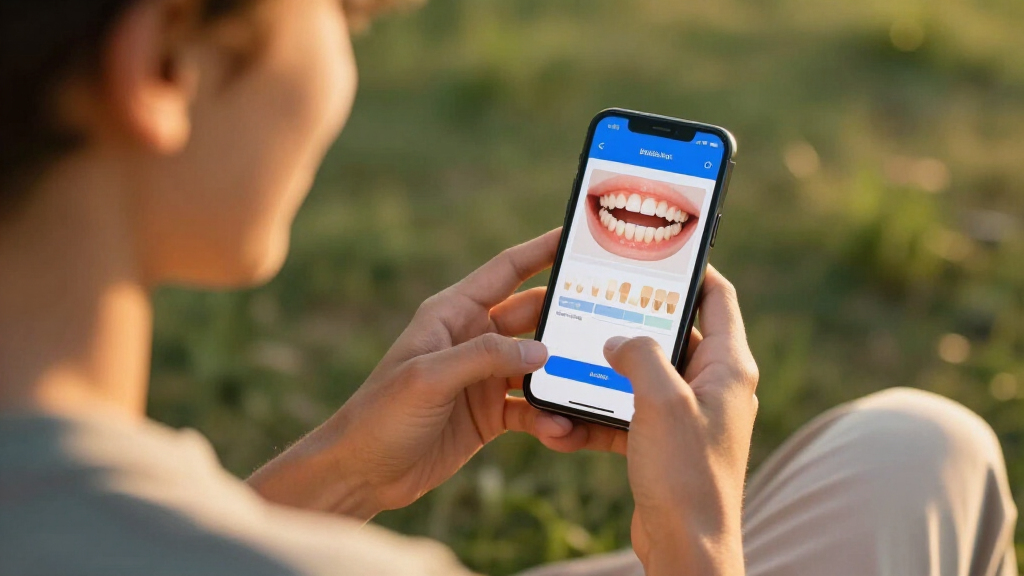
According to recent insights from IdeaNavigator AI, developers are testing a guided-lighting photo flow that captures images of teeth with smartphones. These images are then analyzed to produce shade scores aligned with the dental shade scale, allowing users to plot their progress over weeks. The system intends to compare scores against a database of user experiences, identifying which products effectively move the shade score and offering personalized product recommendations based on similar starting points.
This approach is designed to serve consumers who currently rely on subjective visual assessments, often leading to guesswork and product cycling that can cost hundreds of dollars without guaranteed results. By providing an objective measurement, the technology could help users make more informed decisions, increase satisfaction, and reduce unnecessary expenditure. The initial validation plan involves benchmarking app-generated shade scores against dentist-assessed VITA shade readings for approximately fifty users, with a focus on establishing a strong correlation to ensure reliability.
Potential Impact on Home Whitening Practices
This innovation could significantly alter how consumers approach home teeth whitening. With objective, calibrated measurements, users can better track their progress, determine which products are effective, and avoid the trial-and-error cycle that currently dominates the market. For the industry, this creates opportunities for new revenue streams through subscriptions and affiliate sales of proven products. The development also signals a broader shift toward integrating consumer-friendly dental measurement tools into everyday oral care, making professional-level assessment accessible at home.
Products Worth Considering

DJI Osmo Mobile 8 3-Axis Smartphone Gimbal Stabilizer

Amazon Kindle Paperwhite (12th Generation, 2024), 16 GB, 7-inch Display, Jade

DJI Osmo Mobile 8 Standard Combo Phone Gimbal Stabilizer
As an affiliate, we earn on qualifying purchases.
Growing Demand for Objective Whitening Metrics
The home whitening market has expanded rapidly over the past decade, driven by increased consumer interest in oral aesthetics and the availability of various whitening products, including strips, trays, and LED kits. However, a persistent challenge has been the lack of reliable, easy-to-use tools for measuring whitening progress. Traditionally, consumers rely on visual assessment in bathroom mirrors, which is subjective and often inaccurate. Dentists use calibrated shade guides like VITA, but such assessments are not feasible for at-home users.
Recent technological advances in smartphone camera quality, combined with guided-lighting systems, have opened new possibilities for at-home dental measurement. Several startups and developers are now exploring apps that can analyze tooth color objectively, with some initial testing underway to validate accuracy against professional dental shade readings. This trend aligns with broader consumer preferences for personalized, data-driven health and beauty solutions.
“Phone-camera shade scoring could revolutionize how consumers manage their whitening routines by providing objective, reliable feedback.”
— an anonymous researcher
Unconfirmed Aspects of Technology Validation
While initial plans involve benchmarking app shade scores against dentist VITA readings, the accuracy and reliability of the technology across diverse lighting conditions, skin tones, and tooth shades remain unconfirmed. It is not yet clear how well the app will perform in real-world, variable environments or whether it can consistently match professional assessments. Further testing and validation are needed before widespread adoption can be expected.
Next Steps for Development and Validation
Developers plan to conduct a validation study with approximately fifty users, comparing app-generated shade scores with dentist assessments. If results show a strong correlation, the technology could be rolled out as a consumer product with subscription options and affiliate partnerships. Additional refinement of guided-lighting systems and user interface improvements are also expected to enhance accuracy and usability. Industry observers will be watching for the outcomes of these validation efforts in the coming months.
Key Questions
How accurate are phone camera shade scoring tools compared to professional assessments?
Initial testing aims to establish a strong correlation between app scores and dentist-assessed VITA shades, but full accuracy across all conditions has yet to be confirmed.
Will this technology be available for all types of whitening products?
The current focus is on tracking progress with strips, trays, and LED kits, but broader compatibility may develop as the technology matures.
How will this affect the cost of home whitening routines?
If validated, the technology could reduce the need for multiple product cycles, potentially lowering overall costs for consumers.
Is this technology safe and privacy-compliant?
Developers are expected to implement standard privacy protections, but specific safety and data handling protocols are still being finalized.
When might consumers start using phone shade scoring routinely?
If validation is successful, a consumer-ready version could be available within the next year, with broader adoption depending on market response.
Source: IdeaNavigator AI