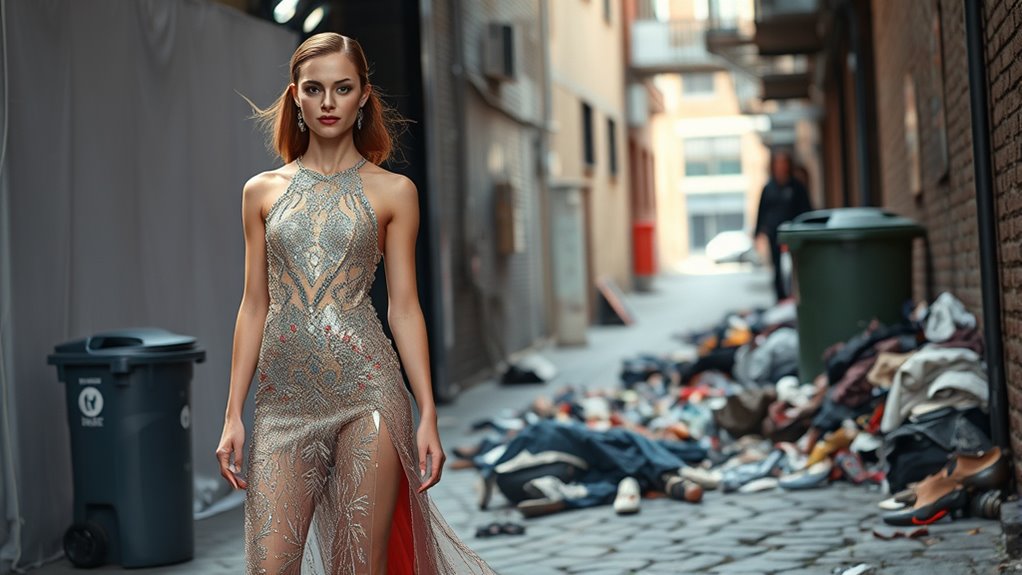

The lifespan of a trend depends on how it resonates with societal values and environmental impacts. You might see some trends flourish if they deeply influence culture, but quickly fade if their environmental footprint is harmful. Rapid spread via social media often shortens their longevity, especially when sustainability concerns grow. If you stay curious, you’ll uncover how cultural shifts and eco-awareness shape how long a trend lasts and leaves a mark.

Get business pricing on monitors, keyboards and dev gear
- Business-only prices and quantity discounts
- Tax-exempt purchasing
- Multiple users, one account, clear invoices
Key Takeaways
- Trends gain momentum through cultural resonance and social media, shaping societal perceptions and identity.
- Rapid adoption and novelty often lead to quick decline once public interest shifts.
- Environmental impact, especially from fast fashion, accelerates trend burnout due to waste and resource depletion.
- Sustainable practices and eco-conscious consumer behavior can prolong trends and reduce their ecological footprint.
- The lifespan of a trend reflects its cultural significance, environmental effects, and alignment with societal values.

Have you ever wondered why some trends fade quickly while others stick around for years? The lifespan of a trend depends on many factors, but two vital elements are its cultural impact and environmental consequences. When a new style or idea hits the scene, it often resonates with society, shaping how people see themselves and each other. If a trend aligns with current cultural values or offers a fresh way to express identity, it gains rapid momentum. Think about how social media amplifies trends, allowing them to spread like wildfire, embedding themselves into everyday life. As they become part of the cultural fabric, these trends influence everything from fashion choices to music preferences, often reflecting larger societal shifts. However, the same cultural impact can also accelerate a trend’s demise. Once the novelty wears off or public interest shifts, these once-hot fads can fade just as quickly as they appeared, leaving behind a fleeting imprint on society.
On the environmental front, trends have a significant, often overlooked, influence. Fast fashion is a prime example: the cycle of rapid production and consumption leads to massive waste and pollution. When you buy into a trend, especially one driven by fast fashion brands, you’re contributing to environmental consequences that last long after the trend’s peak. When the trend fizzles out, discarded clothes often end up in landfills, adding to environmental degradation. This cycle of constant production and disposal not only harms ecosystems but also depletes natural resources. As awareness about sustainability grows, many people are starting to question the true cost of fleeting trends. They realize that chasing after the latest styles can be environmentally destructive, prompting shifts toward more sustainable practices. Additionally, integrating creative practice principles into fashion and consumption habits can foster more mindful and innovative approaches to trend participation. Consequently, some trends may have a shorter lifespan because they are tied to brands or practices that are unsustainable, and once consumers become more eco-conscious, these trends tend to fade faster.
Ultimately, the lifespan of a trend hinges on how deeply it influences cultural norms and how it impacts the environment. Trends that resonate culturally and have minimal environmental footprint tend to last longer, becoming part of the collective identity. Conversely, those with negative environmental consequences or fleeting cultural appeal often burn out quickly, moving from runway to recycle bin in record time. So, the next time you find yourself caught up in the latest craze, think about its broader implications—because what’s trendy today might just be trash tomorrow. Understanding these dynamics helps you see beyond the surface, recognizing that trends are more than just fleeting fads; they’re reflections of societal values, environmental realities, and our collective future.
sustainable fast fashion clothing
As an affiliate, we earn on qualifying purchases.
As an affiliate, we earn on qualifying purchases.
Frequently Asked Questions
How Do Trends Originate in the Fashion Industry?
You see trends originate through a mix of trend catalysts like influential designers, celebrities, and social media. These catalysts spark ideas that move through the fashion cycle, where styles are introduced, adopted, and eventually fade. You, as a consumer, influence this cycle by embracing or rejecting trends. This dynamic process makes fashion ever-evolving, with trends emerging from creative innovation and social shifts, shaping what’s fashionable in each season.
What Role Does Social Media Play in Trend Lifecycle?
You see, social media accelerates trend lifecycles through viral spread and influencer impact. When influencers showcase a style or product, it quickly gains popularity, reaching a broad audience. Viral spread makes trends more fleeting but intense, as they rapidly gain and lose momentum. You’re influenced by what’s trending online, and social platforms turn trends into cultural phenomena almost overnight, shaping what you wear and how you express yourself.
Can Trends Have Cultural or Social Impacts Over Time?
Imagine a pebble dropping into a pond, rippling outward—trends can spark lasting cultural shifts and fuel social movements. You see, over time, trends influence perspectives and behaviors, shaping societal norms. They can challenge the status quo or reinforce it, becoming catalysts for change. So, yes, trends aren’t just fleeting fads; they leave a mark, transforming cultures and social landscapes long after they fade from the spotlight.
How Do Brands Influence the Longevity of Trends?
You see, brands influence the longevity of trends through their marketing and product choices, shaping consumer behavior over time. When they adopt or endorse a trend, it gains credibility and popularity, often extending its lifespan. Conversely, if brands quickly move away from a trend, it can fade faster. Your buying decisions are shaped by this influence, which in turn impacts how long a trend stays in the spotlight.
What Are the Environmental Effects of Fast Fashion Trends?
They say, “You are what you wear,” but fast fashion challenges this by harming the environment. When trends change rapidly, textile waste skyrockets, filling landfills and polluting ecosystems. Your choices matter; supporting brands that adopt sustainable practices can reduce this impact. By choosing quality over quantity, you help cut down on waste and lessen environmental damage caused by the quick turnover of fast fashion trends.
eco-friendly reusable shopping bags
As an affiliate, we earn on qualifying purchases.
As an affiliate, we earn on qualifying purchases.
Conclusion
You might think trends last forever, but they rarely do. History shows that most fads burn bright before fading away, making room for the next big thing. The theory that trends are cyclical holds some truth—what’s old often becomes new again. So, next time you jump on a trend, remember it’s temporary. Embrace the moment, knowing that today’s craze could be tomorrow’s forgotten memory in the recycle bin of fashion.
As an affiliate, we earn on qualifying purchases.
As an affiliate, we earn on qualifying purchases.
Columbus Day / Indigenous Peoples' Day Picks
long weekend sales
As an affiliate, we earn on qualifying purchases.