
TL;DR

Get business pricing on monitors, keyboards and dev gear
- Business-only prices and quantity discounts
- Tax-exempt purchasing
- Multiple users, one account, clear invoices
Google says UK drivers can now view petrol and diesel prices at nearby stations in Google Maps and Waze. The feature uses the government’s Fuel Finder data, but the announcement does not specify how often prices update or whether every station is covered.
Google Maps and Waze now show fuel prices at nearby UK petrol stations, letting drivers compare petrol and diesel costs on the map before choosing where to stop. Google says the feature uses the UK Government’s Fuel Finder data, alongside involvement from the Waze community, and is intended to help motorists find better-value fuel during the winter.
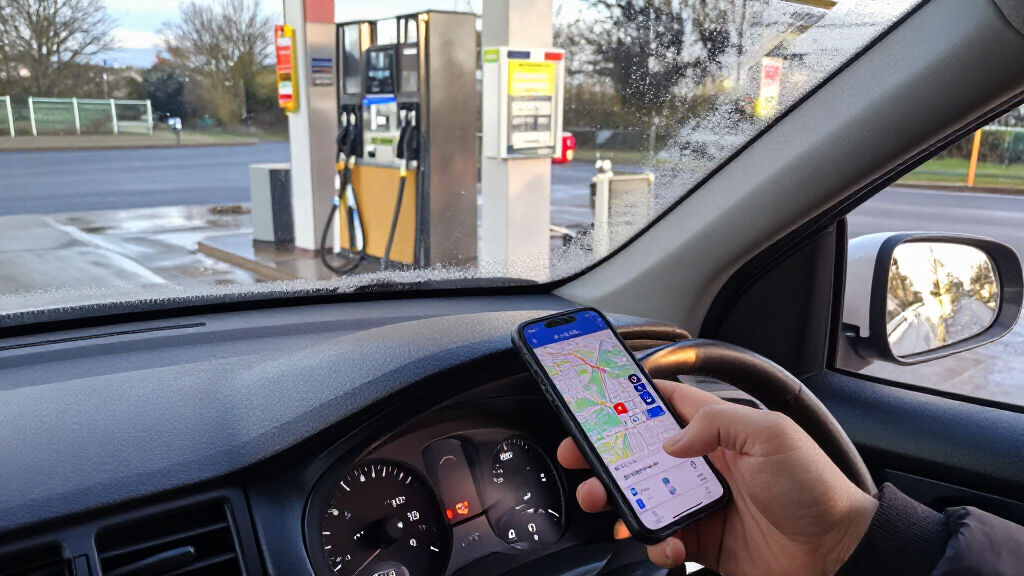
Drivers can search for “petrol” or “fuel” in either app to see prices at nearby stations, according to Google’s announcement. The map displays petrol and diesel rates, and users can view the different fuel types offered at a station in one place. That could help motorists compare options along a route rather than relying only on the closest forecourt.
Google described the information as a real-time view of fuel costs and said the service was developed in partnership with the UK Government and the Waze community. The company did not provide further technical details about how the data is collected, how frequently each listing is refreshed or what happens when a station’s submitted price is out of date.
The feature is available through Google Maps and Waze, but Google’s announcement does not set out device requirements, a rollout schedule or a list of participating stations. Drivers should treat displayed prices as useful comparison information and check the price at the forecourt, particularly if a listing appears old or differs from the pump.
Comparing Prices Before a Winter Stop
Fuel is a recurring cost for people who drive to work, make family journeys or travel longer distances. Showing station prices inside navigation apps may make it easier to compare nearby options while planning a trip, without switching to a separate price-checking service. For drivers choosing between stations, even a modest price difference can matter when filling a tank.
The practical value will depend on the accuracy and coverage of the listings. A map can help identify a cheaper option only if the station information is current and the listed fuel type matches what a vehicle needs. Drivers may also need to weigh the displayed price against the extra distance or time required to reach a different forecourt.
As an affiliate, we earn on qualifying purchases.
Government Fuel Finder Data in Maps
Google says its UK feature draws on Fuel Finder, a government-backed source of fuel-price information, and was introduced with help from the Waze community. The announcement presents the two apps as ways to access station prices while searching or navigating, rather than as separate dedicated fuel-price tools.
Google frames the launch around rising living costs and the expense of motoring. Its report promotes checking prices for petrol and diesel before stopping. It does not provide a comparison with other price apps or explain whether the displayed figures include every fuel grade sold at each location.
““We’re launching fuel prices in the UK on Google Maps and Waze.””
As an affiliate, we earn on qualifying purchases.
Price Updates and Station Coverage
Google’s announcement does not explain how frequently prices update, how many UK stations appear in the apps or whether coverage varies by region. It also does not describe how the service handles missing information, reporting delays or differences between a listed price and the price charged at the pump.
The company calls the data real-time, but the source material provides no update interval or accuracy figures. It is also unclear whether all fuel grades are listed consistently and whether the feature is available to every user immediately. Those details may affect how confidently drivers can rely on a map listing when choosing a station.
As an affiliate, we earn on qualifying purchases.
Check Prices in the Apps
Drivers can search for “petrol” or “fuel” in Google Maps or Waze and compare the prices shown for nearby stations. Google has not announced a further launch milestone or published additional operational details in the source report. Any clearer picture of station coverage, update frequency and availability will depend on information from Google or the relevant data providers.
For now, motorists can use the listings to identify possible lower-priced stops, then confirm the price and fuel grade at the station. That is especially sensible when a map entry is missing a recent update or when reaching the listed forecourt would add a detour.
As an affiliate, we earn on qualifying purchases.
Key Questions
How do I find fuel prices in Google Maps or Waze?
Google says to search for “petrol” or “fuel” in either app. Nearby stations and the prices shown for available fuel types should appear on the map.
Which fuel prices are included?
Google says the feature displays petrol and diesel prices and lets users view the fuel types offered at a station. The announcement does not list every grade or explain whether availability differs between stations.
Where do the listed prices come from?
Google says its feature uses the UK Government’s Fuel Finder data and was developed with involvement from the Waze community.
Are the prices guaranteed to match the pump?
No accuracy guarantee or update schedule is given in the announcement. Google describes the information as real-time, but drivers should check the forecourt price if a listing seems old or uncertain.
Source: rss
Halloween Picks
halloween
As an affiliate, we earn on qualifying purchases.