
TL;DR

Get business pricing on monitors, keyboards and dev gear
- Business-only prices and quantity discounts
- Tax-exempt purchasing
- Multiple users, one account, clear invoices
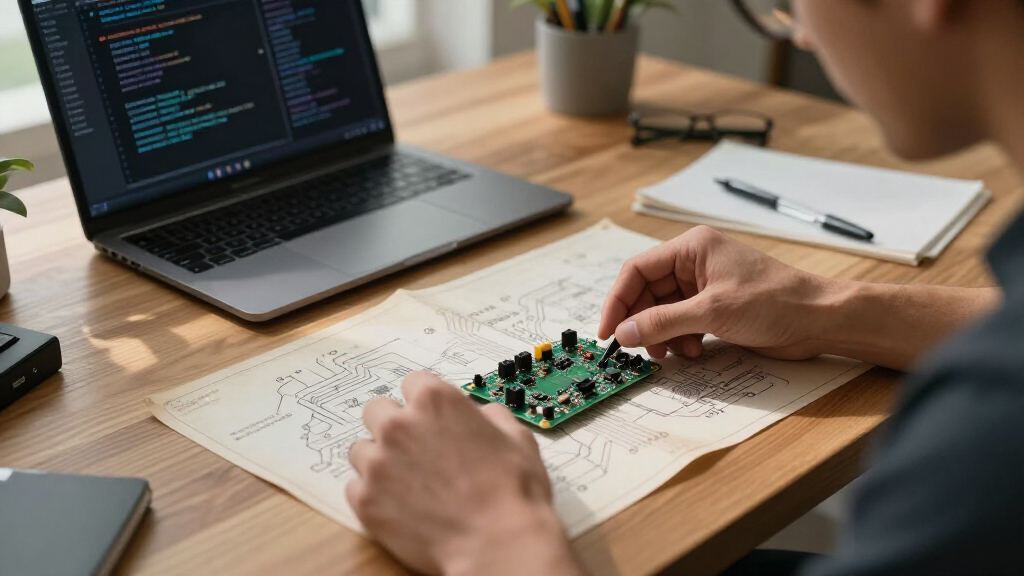
Long before ‘open source’ became a common phrase, engineers and hobbyists published hardware schematics openly. This practice laid the groundwork for today’s open-source movement and collaborative innovation.
Researchers have identified that hardware schematics were publicly shared by engineers and hobbyists long before the term ‘open source’ was established in the late 1990s. This practice of openly publishing technical drawings and plans predates the formalization of open source software and reflects a foundational phase of collaborative innovation in technology.
Historical records and interviews with early hardware developers reveal that sharing detailed schematics was common in the 1970s and 1980s, especially among hobbyists, small companies, and academic groups. These early pioneers believed in open collaboration, often posting their designs in technical magazines, user groups, and early computer clubs. This practice helped accelerate innovation and fostered a community-driven approach to hardware development.
While the phrase ‘open source’ was not used, the ethos of transparency and sharing was prevalent. Experts like Dr. Laura Simmons, a historian of technology, note that this period laid the groundwork for modern open-source principles, emphasizing the importance of accessible design for collective improvement. Recent archival discoveries have brought renewed attention to these early practices, showing that the roots of open source extend deep into hardware culture.
Historical Roots of Open Source Hardware
This discovery underscores that the principles of open collaboration and transparency in hardware predate the formal term ‘open source’. Recognizing these early practices highlights the longstanding community-driven ethos that continues to influence modern open-source projects, both hardware and software. It also challenges the narrative that open source is a purely modern development, showing its roots in earlier technical sharing.
As an affiliate, we earn on qualifying purchases.
Pre-Open Source Hardware Sharing Practices
Before the late 1990s, when the term ‘open source’ was coined in the context of software licensing, many engineers and hobbyists published their schematics openly. Notable examples include the Homebrew Computer Club in the 1970s, where members shared designs for early personal computers, and various DIY electronics communities that distributed detailed plans through magazines and newsletters. These practices fostered innovation and community engagement, setting a foundation for the formal open source movement.
Historical research, including recent interviews with surviving pioneers and analysis of old publications, confirms that this culture of open sharing was widespread and influential. This period was characterized by a belief in freely accessible knowledge as a way to advance technology for all, rather than proprietary secrecy.
electronics prototyping breadboard kit
As an affiliate, we earn on qualifying purchases.
As an affiliate, we earn on qualifying purchases.
Extent and Influence of Early Hardware Sharing
While evidence confirms that schematics were openly published, the full scope of their influence on subsequent open source initiatives remains unclear. It is also uncertain how widespread these practices were across different regions and communities, and whether they directly inspired later formal open source licensing models.
Further archival research is needed to quantify the impact and trace the lineage of these early sharing practices in shaping modern open source hardware movements.
As an affiliate, we earn on qualifying purchases.
Further Historical Research and Recognition Efforts
Researchers plan to examine more archival materials and conduct interviews with surviving early hardware developers to map the full history of open sharing practices. There is also interest in integrating these findings into educational content and public history projects to better acknowledge the roots of open source hardware.
Additionally, this discovery may influence current discussions on intellectual property and collaborative innovation, emphasizing that the ethos of open sharing predates formal licensing frameworks.
open source hardware development kit
As an affiliate, we earn on qualifying purchases.
As an affiliate, we earn on qualifying purchases.
Key Questions
When did the term ‘open source’ first come into use?
The term ‘open source’ was popularized in 1998, but the practice of openly sharing hardware schematics predates this by decades.
Did early hardware sharing influence modern open source projects?
Evidence suggests that early sharing practices fostered a culture of collaboration that influenced later open source hardware and software movements.
Were there legal or licensing frameworks for sharing schematics before open source?
Generally, sharing was informal and community-based; formal licensing frameworks like the GPL emerged later in the software domain.
How widespread was this early sharing culture?
It was prominent among hobbyists and small communities, but its prevalence across regions and larger institutions remains to be fully documented.
What does this discovery mean for current open source hardware advocates?
It highlights the historical depth of open sharing principles and may reinforce the importance of community-driven innovation today.
Source: hn
Halloween Picks
halloween
As an affiliate, we earn on qualifying purchases.