
📊 Full opportunity report: The High-End PC and Workstation Tax on ThorstenMeyerAI.com — validation score, market gap, and execution plan.
TL;DR
Memory costs have skyrocketed in 2026, reaching nearly equal to high-end GPUs and surpassing CPUs in some builds. DIY PC building is now more expensive than buying prebuilt systems, especially for high-end workstations, due to market shifts and supply constraints.
Memory prices have surged in 2026, with the cost of high-capacity DDR5 modules doubling or tripling compared to early 2025. This shift is significantly impacting high-end PC builders and workstation users, making component costs a primary concern and challenging the long-standing advantage of DIY builds.
According to HP, memory’s share of PC costs has increased from 15-18% to approximately 35% in a single quarter, pushing RAM and SSD prices to rival or exceed those of GPUs in mid- and high-end systems. A typical 32GB DDR5 kit now costs around $369, similar to a high-end graphics card, and in some cases, more than the CPU and SSD individually. This price spike has caused premium builds that once cost $2,000 to now range between $2,800 and $4,500, with memory and storage as the main drivers.
Market structure shifts have inverted the cost advantage traditionally held by DIY builders. Large OEMs and system integrators buy memory in bulk, hedging prices and spreading costs across shipments, whereas individual buyers purchase at spot prices, exposing themselves to volatile market swings. As a result, prebuilt systems can sometimes be cheaper than sourcing parts independently, challenging the DIY ethos.
Workstation memory, especially modules with capacities of 96GB or 128GB DDR5 RDIMMs, faces even steeper price increases and supply shortages. These modules are in high demand for professional applications like CAD, data analysis, and AI workloads, with prices projected to double or more by the end of 2026. Lead times for these components have lengthened, and premiums per gigabyte are at historic highs.
Memory pricing now behaves like a stock market, with weekly fluctuations driven by large orders, currency changes, and inventory levels. This volatility complicates procurement decisions, requiring strategic buying, bundling, and staged upgrades to manage costs effectively.
The high-end PC & workstation tax
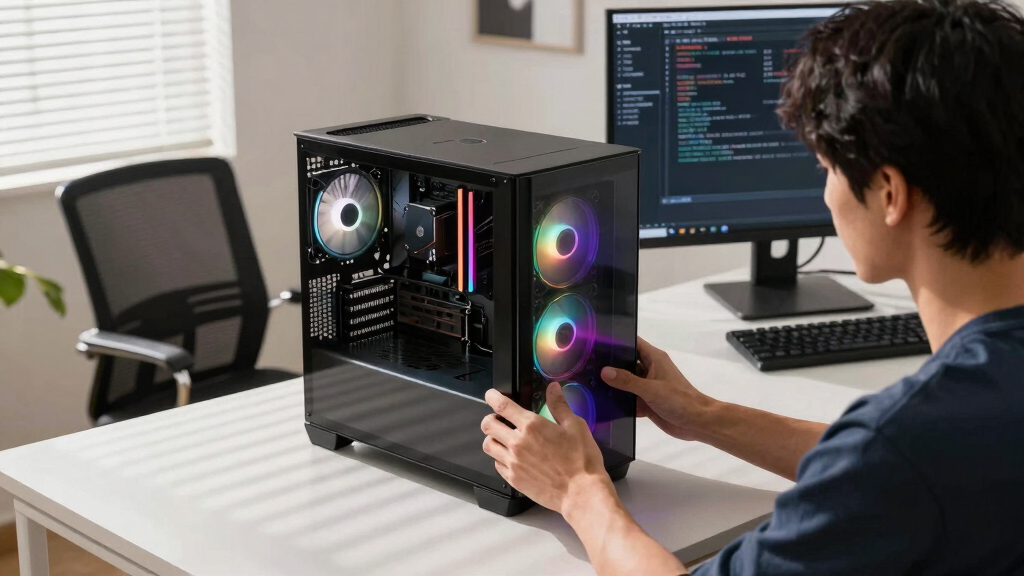
If you build your own machines or spec your team’s workstations, you’re the most exposed buyer in this market — no hedge, no bulk contract, just a parts cart and a number you used to ignore, now the biggest line on the invoice.
OEMs buy on bulk contracts and hold hedged stock; you pay the spot price on the day. The DIY builder is now the most exposed buyer in the chain — and the prebuilt is sometimes cheaper. Price it before you commit.
96GB & 128GB DDR5 RDIMMs are the scarcest, closest to the server memory makers prioritize. 64GB RDIMM could cost 2× by end-2026 vs early 2025. The parts that define a workstation are the ones squeezed hardest.
The squeeze didn’t just raise prices — it inverted the value system of high-end building. Buy big, buy early, build it yourself: each enthusiast virtue is now a way to overpay. Discipline beats ambition in 2026 — right-size hard, buy deliberately, lean on bundles, treat the prebuilt as a real price check. You can’t avoid the AI tax levied a layer up in the fabs; you can refuse to pay more of it than the job needs. Next: Cloud’s Hidden Memory Bill.
Impact of Memory Cost Surge on High-End Builds
This development fundamentally alters the economics of high-end PC and workstation construction. Builders and organizations must shift from traditional practices of buying early and in bulk to more cautious, strategic procurement. The increased costs and market volatility threaten the cost advantage of DIY builds and may lead to a greater reliance on prebuilt systems, which can sometimes be more economical due to bulk purchasing power.
For professionals relying on high-capacity memory, the premium and supply constraints could delay project timelines and increase hardware expenses, impacting productivity and budget planning. Overall, the memory tax is reshaping the high-end PC landscape, emphasizing efficiency, staged purchases, and careful value assessment.

Crucial 32GB DDR5 RAM Kit (2x16GB), 5600MHz (or 5200MHz or 4800MHz) Laptop Memory 262-Pin SODIMM, Compatible with Intel Core and AMD Ryzen 7000, Black – CT2K16G56C46S5
- Memory Capacity: 32GB DDR5 RAM Kit (2x16GB)
- Memory Speed: 5600MHz, 5200MHz, or 4800MHz
- Performance Boost: Enhances multitasking and responsiveness
As an affiliate, we earn on qualifying purchases.
As an affiliate, we earn on qualifying purchases.
2026 Memory Market Disruptions and Trends
The series on the 2026 memory crunch highlights a series of cascading supply and demand issues originating from the broader tech supply chain. After shortages in HBM, RAM, and storage, the latest focus is on the high-end components critical for premium desktops and workstations. Market analysts note that memory costs have historically been stable, but 2026 marks a turning point with prices behaving like volatile market stocks.
OEMs and large system integrators have secured their supplies through bulk contracts, enabling them to buffer costs temporarily. In contrast, individual builders and small businesses face exposure to spot market prices, which have surged due to increased demand from hyperscalers, AI developers, and enterprise users. This alignment of demand and supply constraints, combined with macroeconomic factors like currency fluctuations, has driven prices upward and introduced unpredictability into procurement planning.
High-capacity modules, essential for workstation workloads, are the most affected, with prices projected to double or triple compared to early 2025, and lead times stretching out. This situation underscores the need for strategic planning and cautious purchasing to mitigate costs.
“Memory’s share of the bill of materials has nearly doubled in a single quarter, reflecting a significant shift in component economics.”
— HP investor briefing

A-Tech 32GB Kit (2x16GB) DDR4 2666MHz PC4-21300 ECC RDIMM 2Rx4 Dual Rank 1.2V ECC Registered DIMM 288-Pin Server & Workstation RAM Memory Upgrade Modules (A-Tech Enterprise Series)
- Compatibility: For select DDR4 servers and workstations only
- Capacity: 32GB kit (2x16GB modules)
- Memory Type: DDR4 ECC Registered RDIMM
As an affiliate, we earn on qualifying purchases.
As an affiliate, we earn on qualifying purchases.
Unresolved Aspects of the Memory Price Surge
It is not yet clear how long the current price volatility will persist or whether supply chain adjustments will stabilize costs. The full impact on OEM pricing strategies and the availability of high-capacity modules remains uncertain, as market dynamics continue to evolve amid macroeconomic pressures and technological shifts.
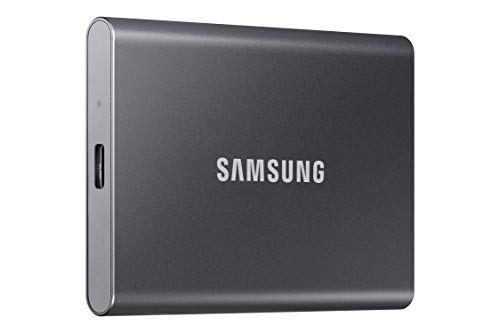
Samsung T7 Portable SSD 2TB Titan Gray, USB 3.2 Gen 2, Up to 1,050MB/s
- Designed for Creators: Fast speeds and durable for creators
- Quick Data Sharing: Up to 1,050MB/s read/write speeds
- High Capacity Storage: Up to 4TB storage capacity
As an affiliate, we earn on qualifying purchases.
As an affiliate, we earn on qualifying purchases.
Strategic Responses to the Memory Cost Crisis
Procurers and builders are advised to adopt staged purchasing, prioritize bundle deals, and avoid front-loading capacity at peak prices. Monitoring market trends and locking prices through contracts may become standard practice. Industry forecasts suggest that prices could stabilize or even decline if supply chain issues are resolved, but this remains uncertain in the short term.
Additionally, users may need to reassess their hardware requirements, opting for leaner configurations or delaying upgrades until prices ease. OEMs might also adjust their offerings, potentially favoring systems with optimized memory configurations or alternative solutions.

KOTIN Prebuilt Gaming PC RTX 5070 12GB, Ryzen 7 9700X, 32GB DDR5, 1TB SSD
- Powerful Graphics and CPU: RTX 5070 12GB and Ryzen 7 9700X
- High-Speed Memory and Storage: 32GB DDR5 RAM and 1TB NVMe SSD
- Integrated Smart Display: 11.3-inch screen shows system stats and weather
As an affiliate, we earn on qualifying purchases.
As an affiliate, we earn on qualifying purchases.
Key Questions
Why has memory become so expensive in 2026?
Memory prices surged due to supply shortages, increased demand from hyperscalers and AI applications, and market volatility driven by macroeconomic factors and inventory constraints.
How does this affect DIY PC builders?
DIY builders now face higher costs and greater price volatility, making it riskier to purchase components at spot prices. Strategic buying and staged upgrades are recommended to manage expenses.
Are prebuilt systems now more cost-effective than building your own?
In some cases, yes. OEMs can leverage bulk purchasing and hedging strategies that often make prebuilt systems cheaper or comparable in price, especially for high-end configurations.
Will memory prices go down again?
It is uncertain. Prices may stabilize if supply chain issues resolve, but current market volatility suggests caution. Monitoring industry trends is advised.
What should professionals do to manage costs?
Professionals should stage their upgrades, buy in bundles, lock in prices when possible, and avoid over-specifying capacity that may lead to unnecessary expenses.
Source: ThorstenMeyerAI.com