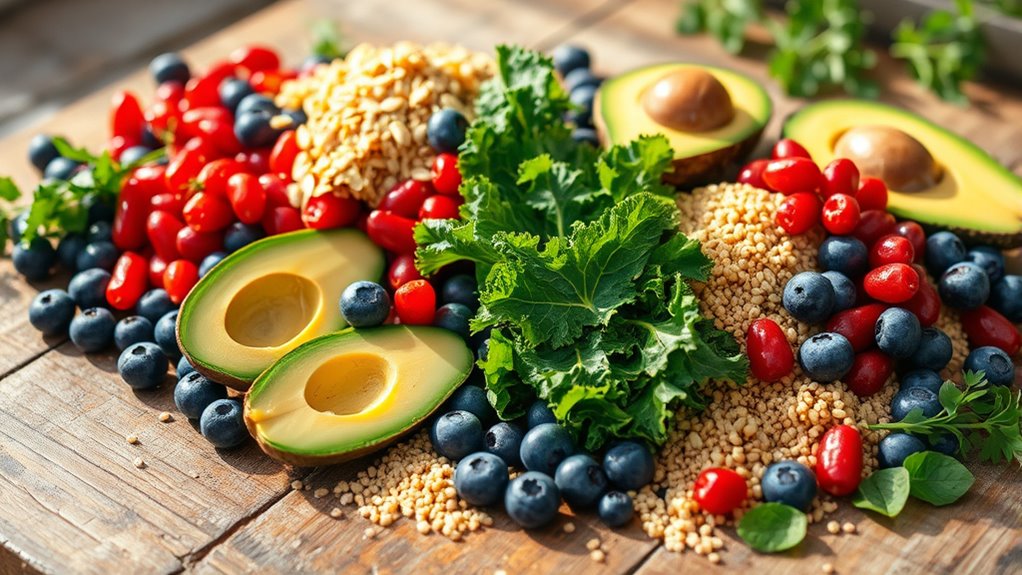

Superfoods are often hyped as miracle foods that can transform your health, but it’s important to look closer. These nutrient-packed foods, like blueberries and kale, are celebrated for their antioxidants, but no single food can provide all your dietary needs. Over-relying on them can lead to nutritional imbalances and misconceptions about health. Fundamentally, they should supplement a balanced diet, not replace it. There’s more to uncover about the myths and facts surrounding superfoods.
Key Takeaways
- The term “superfood” lacks a scientific definition and is often misused to promote health benefits without solid evidence.
- Superfoods are frequently rich in antioxidants, which help combat oxidative stress but are not a replacement for a balanced diet.
- Marketing can exaggerate the health benefits of superfoods, leading to unrealistic expectations about their impact on health.
- Overemphasizing superfoods may result in nutritional imbalances and neglect of essential food groups necessary for overall health.
- A holistic approach to nutrition, incorporating a variety of nutrient-dense foods, is key for long-term well-being.
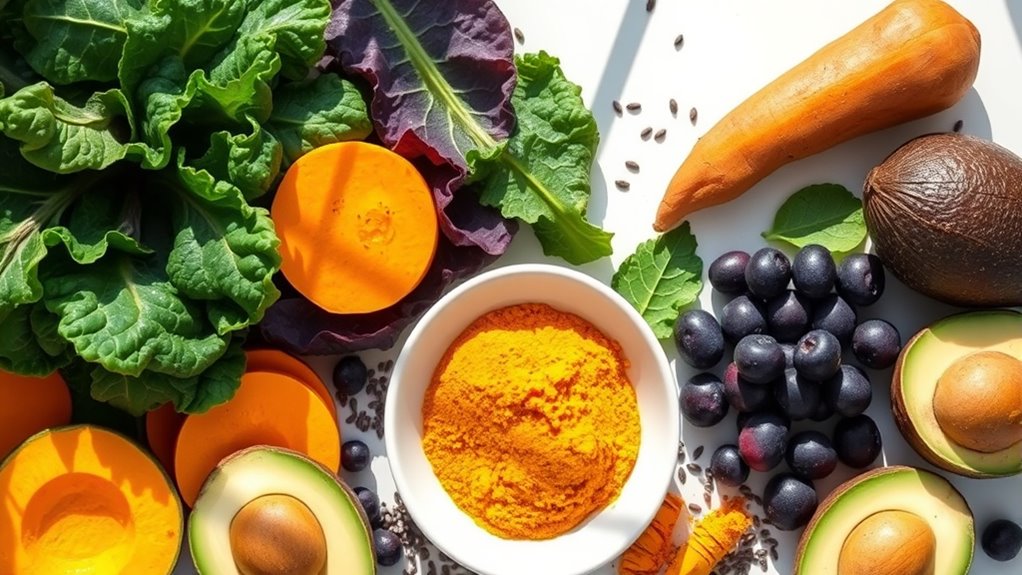
While the term “superfood” might sound enticing, it often leads to confusion about what foods truly deserve the label. You might think that these foods are miracle workers that can completely transform your health overnight. However, the reality is that the term “superfood” isn’t scientifically defined and can mean different things to different people. It’s fundamental to approach this concept with a healthy dose of skepticism, especially given the recent surge of fad diet misconceptions that often accompany discussions about superfoods.
When you hear about superfoods, you might be drawn to their touted antioxidant benefits. Foods like blueberries, kale, and acai berries are often celebrated for their high levels of antioxidants, which can help combat oxidative stress in the body. Antioxidants play an essential role in protecting your cells, and they can contribute to overall well-being. However, it’s crucial to remember that no single food can offer a cure-all. Eating a varied diet filled with a range of nutrient-dense foods will provide all the antioxidants and nutrients your body needs. Relying solely on a few so-called superfoods could lead you to neglect other fundamental nutrients.
Many people find themselves falling prey to fad diet misconceptions, believing that incorporating a handful of superfoods into their diet will yield miraculous results. It’s easy to get swept up in the marketing hype that surrounds these foods. You might think that simply adding a sprinkle of chia seeds to your morning smoothie or indulging in green juice will make all your health problems disappear. The truth is, while these foods can be beneficial, they should complement a balanced diet rather than serve as the centerpiece.
Moreover, focusing too heavily on superfoods can lead to nutritional imbalances. You might ignore other important food groups, thinking you’re covered because you’ve eaten a trendy ingredient. This narrow approach can undermine your health and lead to deficiencies. Instead of chasing after the latest superfood trend, prioritize whole, minimally processed foods and aim for variety. A strict wall separates our editorial and monetization teams to ensure unbiased information about nutrition.
In the end, understanding what superfoods really are and how to incorporate them wisely into your diet can empower you. Rather than falling for fad diets, focus on creating a balanced diet that supports your health and well-being. Embrace a holistic view of nutrition, and you’ll be far better off in the long run.
Frequently Asked Questions
Are Superfoods Suitable for Specific Diets, Like Vegan or Keto?
Yes, superfoods can fit specific diets like vegan or keto. For a plant-based diet, you’ll find options like quinoa, kale, and blueberries that pack a nutritional punch. If you’re following a keto diet, look for keto-compatible choices such as avocados, chia seeds, and nuts. Both diets can benefit from these nutrient-rich foods, helping you maintain your health goals while enjoying delicious meals. Just choose what aligns best with your dietary needs!
How Should Superfoods Be Incorporated Into Daily Meals?
Incorporating superfoods into your daily meals can feel like a culinary magic trick! Start by adding them to your meal planning—think smoothies packed with spinach or oatmeal topped with berries. Use these nutrient-rich foods for flavor enhancement; sprinkle chia seeds on salads or toss quinoa into stir-fries. Experiment with combinations to keep things exciting, and you’ll discover delicious ways to boost your nutrition while enjoying every bite.
Can Superfoods Replace Regular Fruits and Vegetables?
Superfoods can’t fully replace regular fruits and vegetables. While they offer superfood versatility and often boast a longer shelf life, they shouldn’t be your only source of nutrition. Regular fruits and veggies provide essential nutrients and fiber that superfoods might lack. Instead, think of superfoods as a great addition to your diet. Mix them in with your favorite fruits and vegetables to create balanced meals that maximize your health benefits.
Are There Any Side Effects of Consuming Superfoods?
While superfoods can be beneficial, they can also lead to possible side effects. For instance, consuming too much of a single superfood can create a nutrient imbalance, as it might cause you to miss out on essential nutrients found in other foods. A study shows that up to 30% of people experience digestive issues when overindulging in certain superfoods. So, it’s best to enjoy them in moderation alongside a balanced diet.
How Do Superfoods Differ From Dietary Supplements?
Superfoods differ from dietary supplements in that they’re whole foods packed with nutrients, while supplements often contain isolated nutrients or compounds. You can enjoy superfoods like berries and leafy greens as part of a balanced diet. Superfood quality is determined by their nutrient density, whereas supplements are subject to supplement regulations that can vary widely. So, while both can boost health, whole foods generally provide a broader range of benefits.
Conclusion
In the grand tapestry of nutrition, superfoods are the vibrant threads that catch your eye, promising a boost to your health. While some may glitter with exaggerated claims, remember that balance is key in your diet. Embrace these nutrient-packed delights, but don’t fall for the notion that they’re magical solutions. Instead, think of them as delightful additions to a well-rounded plate, enriching your meals and making your journey to wellness all the more enjoyable.