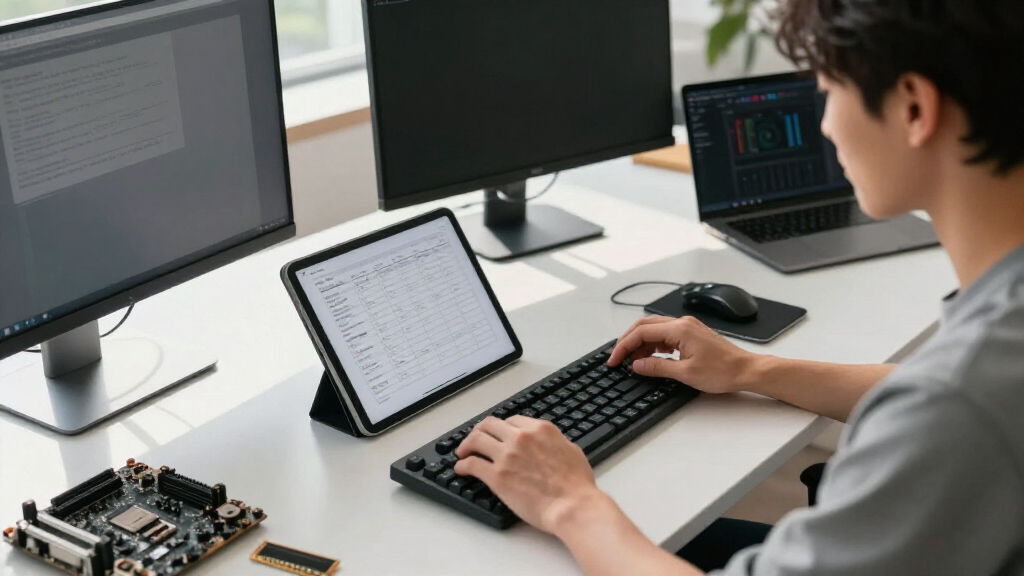

If you’re gearing up for a successful 2026 in software development and quality assurance, having the right hardware essentials is crucial. This checklist is designed for software engineers, QA testers, and tech enthusiasts who want to stay ahead of the curve with reliable, high-performance equipment. Whether you’re setting up a new workspace or upgrading your existing setup, this guide will help you focus on the most impactful tools.

Get business pricing on monitors, keyboards and dev gear
- Business-only prices and quantity discounts
- Tax-exempt purchasing
- Multiple users, one account, clear invoices
Organized into clear sections, this article highlights key hardware categories—from networking gear to storage solutions—so you can easily identify what fits your needs. Each section includes expert advice on what to look for, common pitfalls to avoid, and practical tips for choosing the right products. Use this checklist as a starting point to ensure your hardware supports seamless workflows and optimal productivity in 2026 and beyond.
Laptops & Workstations
While specific product recommendations are not included here, selecting the right laptop or workstation is foundational for any software or QA professional. Look for models with robust processors, ample RAM, and fast storage options to handle demanding development or testing tasks. Portability might be important if you work on the go, but don’t compromise on performance and durability. Compatibility with your existing peripherals and software is also key, so verify hardware specs before purchasing.
Many buyers make the mistake of prioritizing price over performance, which can lead to slower workflows and frustration. Instead, focus on the core specs that support your daily tasks. Consider future-proofing by choosing hardware with upgrade options or higher specifications than your current needs. Remember that a well-chosen laptop or workstation can boost productivity and reduce downtime, making it a worthwhile investment.
What to look for:
- Powerful processor (e.g., latest Intel or AMD)
- Adequate RAM (16GB or more recommended)
- Fast SSD storage
- Good thermal management and build quality
- Compatibility with your preferred OS and peripherals
Testing Devices & Monitors
Effective testing devices and monitors are vital for ensuring your software performs well across platforms. When selecting testing hardware, consider resolution, color accuracy, and connectivity options. Monitors with high refresh rates and wide color gamuts can improve visual testing accuracy, especially for UI/UX work. For testing devices, focus on compatibility with your target platforms, whether mobile, desktop, or embedded systems.
Common mistakes include underestimating the importance of ergonomic setups and monitor calibration. Investing in adjustable stands, proper lighting, and calibration tools can prevent eye strain and ensure consistent results. Compatibility with your existing hardware and software is essential, so double-check connector types and supported resolutions before making a purchase.
What to look for:
- High-resolution display (1080p or higher)
- Excellent color accuracy (sRGB, AdobeRGB support)
- Adjustable stands for ergonomic setup
- Multiple input options (HDMI, DisplayPort, USB-C)
- Reliable testing devices matching target platforms
Networking & Connectivity
Reliable networking hardware is the backbone of any efficient development environment. The NETGEAR 26-Port PoE Gigabit Ethernet Smart Managed Network Switch (GS7) offers extensive connectivity options for connecting servers, workstations, and testing devices. Managed switches provide advanced features such as VLAN support, traffic prioritization, and network monitoring, which are essential for maintaining a secure and efficient network.
Common pitfalls include neglecting PoE capabilities when powering devices like IP cameras or VoIP phones, or choosing switches with insufficient ports. Ensure the switch supports your current network size and future expansion plans. Compatibility with your existing network infrastructure and ease of management are also key factors. Properly configured, this hardware can enhance network stability and reduce downtime, critical for collaborative development environments.
What to look for:
- Sufficient number of ports (at least 24)
- PoE support for powered devices
- VLAN and QoS features
- Gigabit speed support
- Ease of management interface
NETGEAR 26-Port PoE Gigabit Ethernet Smart Managed Network Switch (GS724TP)

The NETGEAR GS724TP is a smart managed network switch with 24 PoE+ Gigabit Ethernet ports, supporting high-speed connectivity and power delivery for network devices. It includes 2 SFP ports for fiber optic connections and offers remote management via NETGEAR Insight.
Pros:
- High-speed Gigabit Ethernet ports with PoE+ support
- Remote management via NETGEAR Insight
- Flexible mounting options for versatile installation
Cons:
- Limited to 1-year management support
- Requires compatible Ethernet cables for optimal performance
Best for: Teams needing robust, expandable network solutions
Not ideal for: Unmanaged switches with limited features
Bottom line: Invest in smart networking gear for seamless connectivity.
External Storage & Backup
Data security and quick access are paramount in software development and QA workflows. The SanDisk 8TB Desk Drive SSD offers up to 1000MB/s read speeds, making it ideal for backing up large projects or transferring files rapidly. Its portable design and high capacity help streamline your workflow, whether you’re working remotely or in the office.
Many users fall into the trap of relying solely on cloud storage, but having a robust external drive provides immediate access and added security. When choosing storage, consider capacity, transfer speeds, and durability. An SSD with shock resistance and reliable build quality can withstand daily use and transport, safeguarding your valuable data. Regular backups using a dedicated external drive can prevent data loss and improve recovery times in case of hardware failure.
What to look for:
- High storage capacity (8TB or more)
- Fast read/write speeds (over 500MB/s recommended)
- Durable, portable design
- Compatibility with your operating system
- Reliable data transfer and power connection
SanDisk 8TB Desk Drive SSD, Up to 1000MB/s Read Speeds, Black

The SanDisk Desk Drive is an 8TB external SSD designed for fast data transfer and reliable backups. It offers read speeds up to 1000 MB/s, is compatible with Windows and Mac, and features a compact design suitable for desktop use.
Pros:
- High capacity of 8TB for large data storage
- Fast read speeds up to 1000 MB/s
- Compatible with both Windows and Mac systems
- Compact and desk-friendly design
Cons:
- Limited to USB 3.0 interface, not the latest USB standard
- No mention of included backup software features
- Weight may be slightly heavier compared to smaller portable drives
Best for: Developers needing quick backups and transfers
Not ideal for: Slow or low-capacity external drives
Bottom line: Prioritize speed and reliability for data security.
Input Devices
The Logitech MX Mechanical Wireless Illuminated Performance Keyboard is a top-tier choice for those seeking a comfortable and efficient typing experience. Its mechanical keys provide satisfying feedback, while wireless connectivity reduces clutter. The keyboard’s illuminated keys enhance usability in low-light environments, making it ideal for long coding or testing sessions.
Common mistakes include opting for cheaper, less durable keyboards that can cause fatigue or slow down work. Consider the keyboard’s compatibility with your devices and the availability of features like programmable keys or adjustable typing angles. Investing in a quality input device can significantly improve your workflow, reducing errors and increasing comfort during extended use. Ergonomics and build quality should be top priorities to prevent strain and ensure longevity.
What to look for:
- Mechanical key switches (preferably tactile or clicky)
- Wireless connectivity (Bluetooth or proprietary dongle)
- Backlit keys for low-light use
- Ergonomic design and adjustable angles
- Compatibility with your OS and devices
Logitech MX Mechanical Wireless Illuminated Performance Keyboard
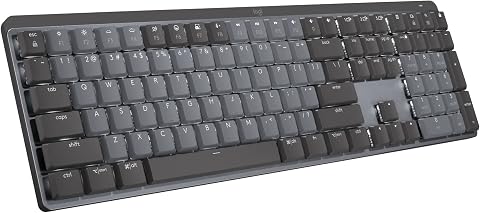
The Logitech MX Mechanical is a full-size wireless keyboard featuring low-profile mechanical switches with tactile feedback and smart backlit illumination that adjusts automatically. It supports multi-device pairing via Bluetooth or Logi Bolt receiver, offers customizable keys, and has a rechargeable battery for extended use.
Pros:
- Tactile, clicky mechanical keys with satisfying feedback
- Smart backlit keys that automatically adjust to lighting conditions
- Supports multi-device pairing with easy switching
- Ergonomic full-size layout for comfortable typing
Cons:
- Requires software for full customization, which may be inconvenient for some
- Battery life varies with usage and lighting settings
- Not compatible with Logitech Unifying technology
Best for: Software developers and QA testers long hours
Not ideal for: Basic membrane keyboards without backlighting
Bottom line: Choose a durable, comfortable input device for productivity.
Audio & Video Equipment
When building your software and QA hardware arsenal, start with your core needs and expand based on specific workflows. Prioritizing reliable, high-performance gear ensures smoother development cycles and fewer disruptions. Remember, investing thoughtfully in key hardware can save time and frustration in the long run.
Stay proactive with your hardware choices, and don’t hesitate to upgrade components as your projects grow. With this checklist, you’re well on your way to creating a robust, efficient workspace that supports your success in 2026 and beyond. Happy shopping, and here’s to a productive year ahead!
Halloween Picks
halloween
As an affiliate, we earn on qualifying purchases.