
TL;DR

Get business pricing on monitors, keyboards and dev gear
- Business-only prices and quantity discounts
- Tax-exempt purchasing
- Multiple users, one account, clear invoices
A developer has introduced an open-source eInk bike computer, offering a customizable, low-power display for cyclists. The project is gaining attention on Show HN, with details still emerging about its capabilities and adoption.
An individual developer has introduced an open-source eInk bike computer project on Show HN, aiming to provide a low-power, customizable display solution for cyclists. The project is gaining attention within the tech and cycling communities, highlighting interest in sustainable, DIY electronics for outdoor activities.
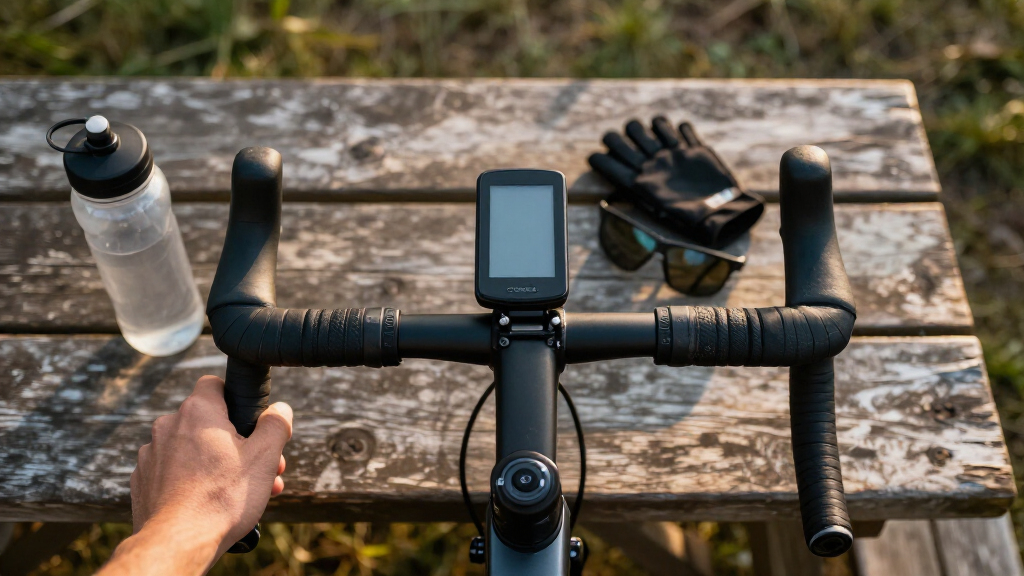
The project, launched publicly on Show HN, features a bicycle computer built around an eInk display, known for its low energy consumption and high readability in sunlight. The developer states that the device is designed to be fully open-source, allowing users to modify and adapt the hardware and software according to their needs. While specific technical specifications are not yet fully detailed, the project emphasizes ease of assembly, affordability, and environmental sustainability. The developer also mentioned that AI tools helped in creating some aspects of the design, including integration with wireless sensors using the ANT protocol, a common standard in fitness and cycling devices. The post has sparked a wave of interest among hobbyists, cyclists, and open-source hardware advocates, with many asking about the project’s current status and future plans.Potential Impact on Cycling Tech and DIY Projects
This development could influence how cyclists and hobbyists approach bike computing solutions by emphasizing sustainability, customization, and open-source principles. An open-source eInk bike computer could reduce reliance on proprietary devices, lower costs, and foster community-driven innovation. If widely adopted, it may also encourage more environmentally conscious designs in outdoor electronics, aligning with broader trends toward low-power, durable devices. The project’s open-source nature invites contributions from developers worldwide, potentially accelerating improvements and new features, and setting a precedent for DIY cycling gadgets. However, its actual adoption, reliability, and performance remain to be seen, as the project is still in early stages and details are limited.As an affiliate, we earn on qualifying purchases.
Rising Interest in Open-Source Cycling Devices
Interest in DIY and open-source hardware for cycling has been growing over recent years, driven by a desire for customizable, affordable, and sustainable alternatives to commercial products. Existing solutions often rely on proprietary hardware and software, limiting user control and flexibility. The emergence of open-source projects like this eInk bike computer reflects a broader trend in tech communities to democratize device creation and modify existing hardware. Search interest in related topics, such as open-source cycling gadgets and low-power displays, has spiked recently, although the specific trigger remains unconfirmed. Historically, cycling tech has seen incremental innovation, but recent movements emphasize user empowerment and environmental considerations. This project fits into that context by offering a potentially accessible, customizable, and eco-friendly alternative.“I just launched my Eink Bike computer project and think it is cool.”
— the project creator
As an affiliate, we earn on qualifying purchases.
Details on Hardware, Software, and Adoption Still Emerging
It is not yet clear how complete or functional the current version of the project is, nor how many users or developers are actively contributing. Technical specifications, performance metrics, and compatibility details remain unspecified, and the project’s future development trajectory is uncertain, pending community engagement and feedback.As an affiliate, we earn on qualifying purchases.
Next Steps Include Community Contributions and Development Updates
The developer is expected to release detailed hardware schematics, software code, and assembly instructions publicly. Community involvement could lead to feature enhancements, bug fixes, and broader adoption. Monitoring the project’s GitHub or similar repositories will reveal progress and potential milestones, such as a beta release or field testing. The project’s growth will depend on user feedback, contributions, and real-world performance evaluations.As an affiliate, we earn on qualifying purchases.
Key Questions
Is the open-source eInk bike computer available for purchase?
Currently, the project appears to be in the development or early release stage, with no commercial product announced. It is primarily shared as an open-source design for hobbyists and developers to build and modify.
What technical features does the bike computer offer?
Specific features are not fully detailed, but it is built around an eInk display for low power consumption and high sunlight readability. It reportedly supports wireless sensor integration via the ANT protocol, and the design is intended to be customizable.
How does this project compare to commercial cycling computers?
As an open-source DIY project, it emphasizes customization, environmental sustainability, and affordability, contrasting with proprietary devices that often lack user modification options and may rely on higher energy consumption.
What challenges might users face when building or using this device?
Potential challenges include sourcing compatible components, assembling hardware, and configuring software, especially for users unfamiliar with electronics or coding. The project’s current developmental stage means comprehensive documentation may still be under development.
Will the project support future updates or expansions?
The creator has indicated plans for ongoing development, with community contributions likely to shape future features and improvements. Details on specific update timelines are not yet available.
Source: hn
Halloween Picks
halloween
As an affiliate, we earn on qualifying purchases.