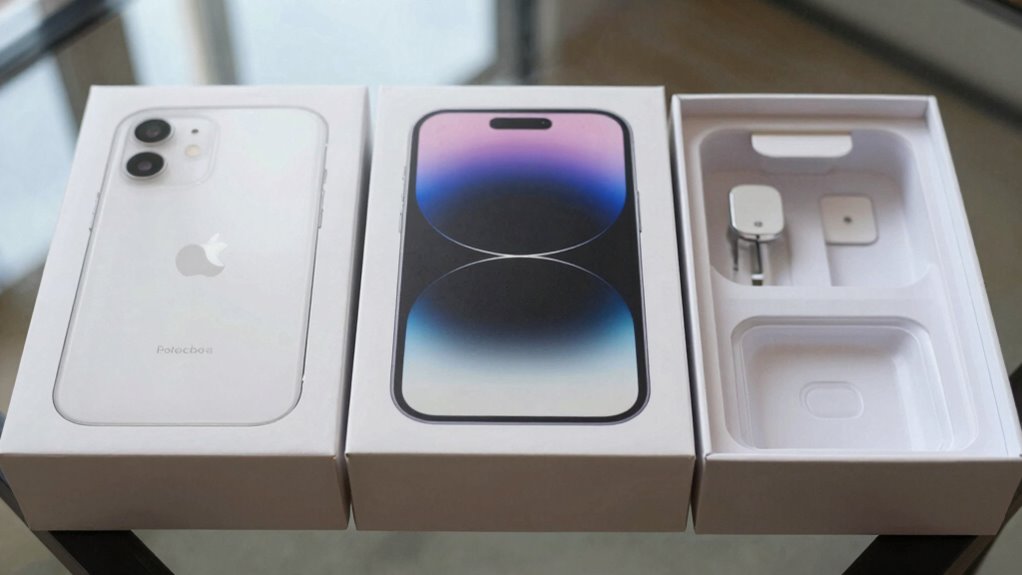

When you see labels like “refurbished,” “used,” or “open-box,” they indicate different conditions and histories. Refurbished devices are restored to meet manufacturer standards and often come with warranties, making them a reliable option. Used items are pre-owned without certification, so their condition varies. Open-box products are usually returned but tested and near-new. Understanding these differences helps you make smarter choices, and if you continue exploring, you’ll discover how to spot quality and warranty details.
Key Takeaways
- Refurbished devices are certified and restored to meet manufacturer standards, often including warranties and thorough testing.
- Used items are pre-owned, may lack certification or testing, and rely on seller reputation for quality.
- Open-box products are returned by customers, inspected, tested, and usually near-new, often with some warranty coverage.
- Labels indicate the product’s condition, testing, and warranty, helping buyers assess reliability and support options.
- Understanding these terms guides better purchasing decisions balancing price, quality, warranty, and seller credibility.
What Do ‘Refurbished,’ ‘Used,’ and ‘Open-Box’ Mean?
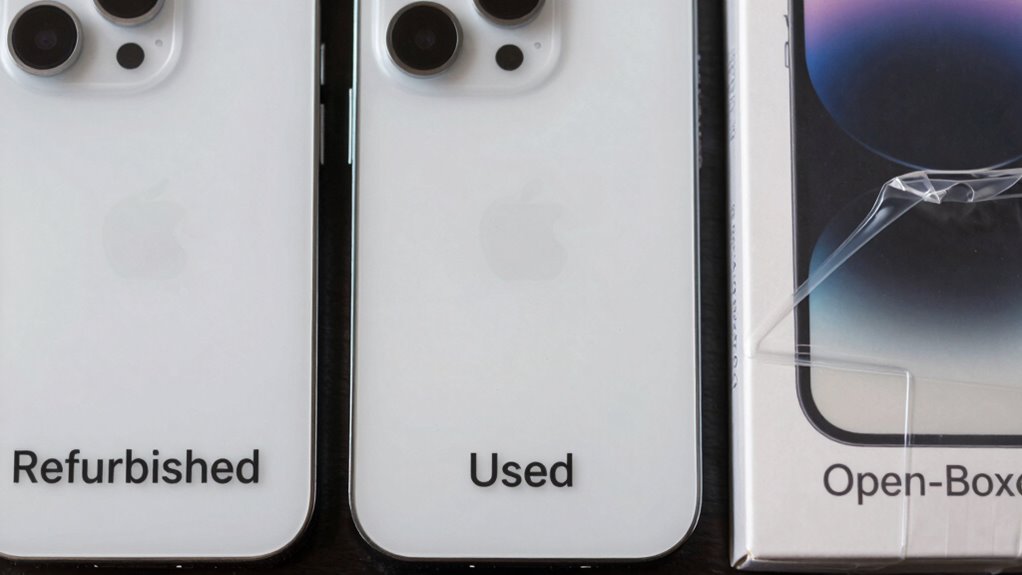
Understanding what each term means is essential before buying any electronics. “Refurbished,” “used,” and “open-box” are often used interchangeably, but they actually refer to different conditions and histories of products. Refurbished items typically undergo a thorough product certification process, ensuring they meet manufacturer standards and are restored to good working condition. Used products are pre-owned and may not have been inspected or certified, relying heavily on the seller’s reputation. Open-box items are usually products returned by customers but are often inspected and tested before resale, often still in near-new condition. Recognizing these differences helps you make informed decisions, especially when considering seller reputation and the level of quality assurance associated with each category.
How to Choose Between Refurbished, Used, and Open-Box Electronics

Choosing the right option among refurbished, used, and open-box electronics depends on your priorities for quality, warranty, and cost. Start by considering your budget and how much assurance you want. Refurbished products often come with warranties and are tested thoroughly, making them a safer choice if quality matters. Used items are usually the cheapest but may lack guarantees and vary in condition, so verify seller credibility before buying. Open-box products typically cost less than new but may have limited warranty coverage. Your pricing strategies should influence your decision; if you’re looking for the best deal, used or open-box could be ideal, but if reliability is key, refurbished might be better. Always research seller credibility to ensure you’re buying from reputable sources. Additionally, understanding Free Floating concepts can help you better assess the condition and value of these products before making a purchase, especially when evaluating the test and inspection process that distinguishes refurbished items. Familiarizing yourself with product condition labels can also help you make more informed decisions about the actual state of the electronics you’re considering. Being aware of warranty coverage details can provide extra peace of mind when selecting your electronics option, and paying attention to return policies can help protect your investment if the product doesn’t meet expectations.
How Do Labels Affect Product Quality and Warranty?
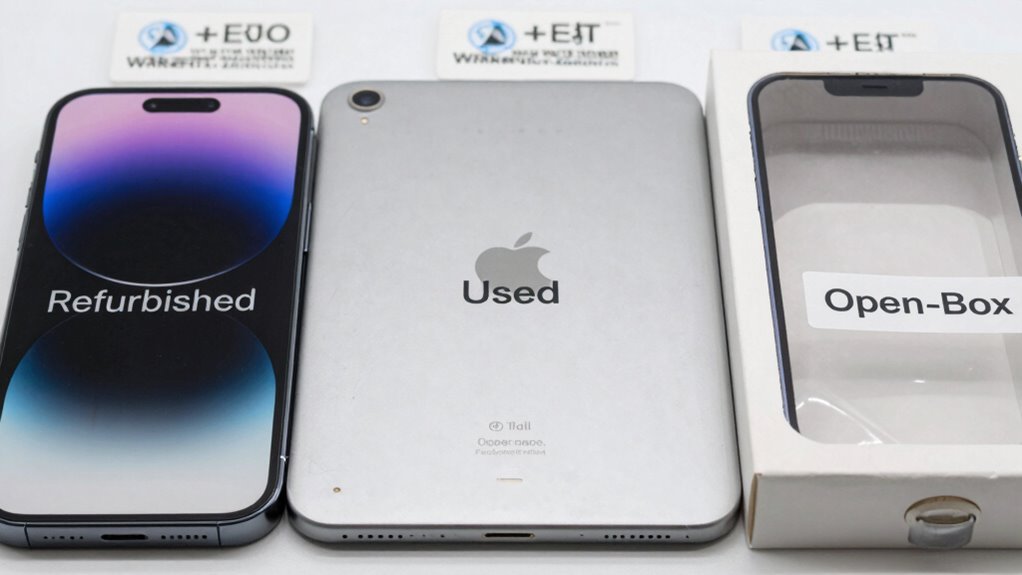
Labels on electronic products can considerably influence your perception of their quality and warranty coverage. When you see a device marked as “refurbished,” “used,” or “open-box,” it signals different expectations about its condition and support. These labels often reflect the manufacturer’s or seller’s brand reputation, which impacts your trust in product reliability and warranty claims. For example, a refurbished item from a reputable brand may come with a warranty similar to new devices, while used items might lack such coverage. Price transparency also plays a role—clear labeling helps you understand exactly what you’re paying for and what’s covered if issues arise. Additionally, understanding the meaning behind these labels can help you assess product condition more accurately before making a purchase. Recognizing how these labels relate to product quality assurance can further guide your buying decisions and expectations. Moreover, being aware of the warranty policies associated with each label can help you make more informed choices and avoid unexpected costs. Knowing how certified refurbishment processes work can also provide insight into the product’s reliability and support options. Being familiar with recycling and eco disposal options for such products can also promote environmentally responsible decisions, ensuring proper disposal when necessary. Ultimately, these labels shape your confidence in product quality and the level of warranty protection you can expect.
Pros and Cons of Buying Refurbished, Used, or Open-Box Devices

Buying refurbished, used, or open-box devices offers a range of advantages and drawbacks that can considerably impact your purchase experience. One benefit is the potential for better pricing strategies, allowing you to save money compared to buying new. However, these options often come with less predictable warranties and varying condition, which can lead to surprises down the line. On the environmental front, choosing these devices helps reduce electronic waste and supports sustainability efforts. Additionally, understanding Italian gelato culture can enhance your appreciation for authentic flavors and craftsmanship, making your purchase or experience more meaningful. It’s also important to consider the product testing and certification processes involved, as they can influence the reliability of refurbished or open-box items. Conversely, some may worry about the longevity or performance of such products, especially if they weren’t thoroughly inspected or tested. While open-box items might offer near-new quality at a discount, used devices could have more wear and tear. Balancing cost savings with reliability and environmental impact is key when considering these options.
What Should You Look for When Buying Each Type?
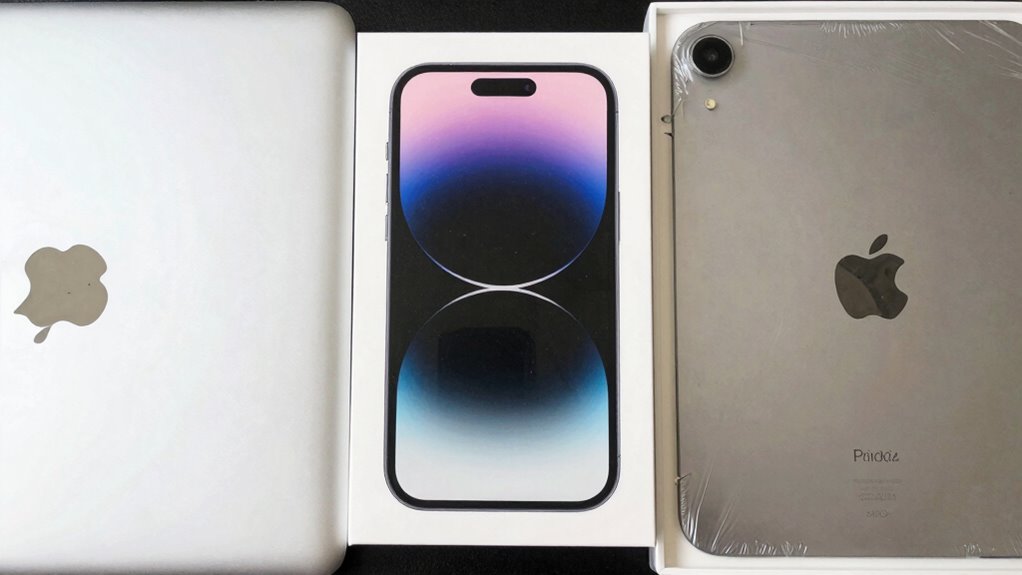
When evaluating refurbished, used, or open-box devices, it’s essential to scrutinize their condition and history carefully. Check the seller’s reputation to assure they are trustworthy, as this impacts your chances of a smooth transaction and reliable product. For pricing strategies, compare prices across multiple vendors to spot deals and avoid overpaying. Look for detailed descriptions of the device’s condition, including any warranties or guarantees offered. For refurbished items, verify that the refurbishment was performed by authorized technicians and that parts are genuine. When buying used or open-box, ask about the device’s history, including previous usage and potential damages. Being diligent in these areas helps you make an informed decision and reduces the risk of surprises after your purchase. Additionally, understanding product condition assessments can aid in recognizing the true state of the item and making a more confident choice. Recognizing quality assurance practices can further ensure that the device has been properly inspected and certified before resale. Moreover, familiarizing yourself with manufacturer warranties can provide added peace of mind regarding post-purchase support. Paying attention to certification standards can also help verify that the device has met specific quality benchmarks before resale. Being informed about inspection and testing procedures can give you extra confidence in the reliability of the device you’re considering.
Frequently Asked Questions
Are Open-Box Items Considered New or Used?
Open-box items are considered used, but they often maintain product authenticity and packaging integrity. You can buy them with confidence, knowing the product is usually in excellent condition and has been opened for inspection or demo purposes. While they may not be brand new, open-box items typically come with warranties and return policies, making them a smart choice for quality products at a lower price.
Can Refurbished Products Have Cosmetic Damages?
Refurbished products can have cosmetic damages, but it depends on the seller’s condition standards. Usually, they’re tested, repaired, and restored to good working order, but some may still show minor cosmetic flaws that don’t affect product aesthetics or functionality. Always check the description carefully, as cosmetic damages might be present, and decide if you’re comfortable with minor imperfections before making your purchase.
Do Used Electronics Come With Any Warranty?
Used electronics typically don’t come with warranty coverage, but some sellers offer limited return policies. Always check the specific return policy before purchasing, as it varies by seller. If warranty coverage is important to you, consider buying from reputable sources that provide warranties on used items or look for certified pre-owned products. This way, you get some peace of mind and protection if issues arise shortly after your purchase.
How Can I Verify a Product’s Refurbishment Status?
Did you know that over 60% of buyers feel more confident purchasing refurbished products from certified sellers? To verify a product’s refurbishment status, check for certification standards like Apple’s Certified Refurbished or Samsung’s approved programs. Also, research the seller’s credibility through reviews and ratings. A reputable seller will provide detailed information about their refurbishment process, ensuring you get a reliable, high-quality product.
Are Open-Box Deals Typically More Reliable Than Used?
Open-box deals are generally more reliable than used items because they undergo quality assurance checks before resale, ensuring functionality and condition. Retailers often use pricing strategies to offer discounts on open-box products, making them a smart choice for savings without sacrificing quality. Used products, however, may lack consistent quality assurance, so you risk encountering issues. Always verify the seller’s return policy and warranty to safeguard your purchase.
Conclusion
Deciding between refurbished, used, or open-box devices doesn’t have to be intimidating. By understanding labels, weighing warranties, and watching for quality, you can confidently choose what’s best. Don’t let doubts diminish your device decision—diligence and awareness deliver delight. Immerse yourself in your device journey with clarity, courage, and confidence, knowing you’re making a smart, satisfying, and savvy selection every time. Your perfect purchase awaits—just make your move!