
🔍 Read the full analysis: Practical Ways For Seniors To Incorporate AI Into Their Daily Routine on ThorstenMeyerAI.com

Get business pricing on monitors, keyboards and dev gear
- Business-only prices and quantity discounts
- Tax-exempt purchasing
- Multiple users, one account, clear invoices
TL;DR
OpenAI released a guide encouraging seniors to use AI assistants for daily tasks. While specifics are unconfirmed, the initiative aims to increase accessibility and safety for older users.
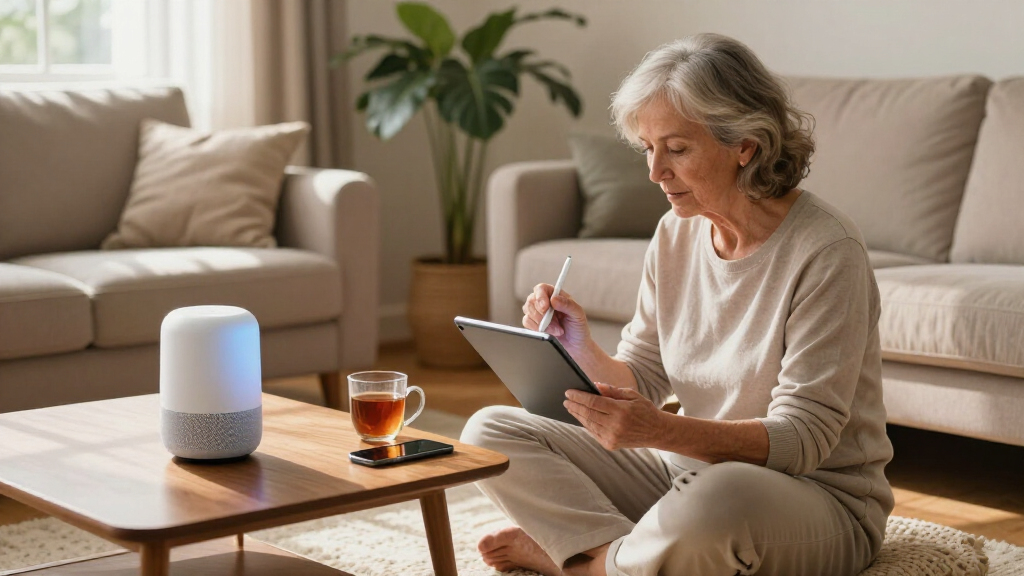
OpenAI has published guidance titled ‘Helping older adults use AI in everyday life,’ aiming to assist seniors in adopting AI tools for routine tasks. The initiative highlights AI as a practical resource for older adults, addressing their needs for independence, social connection, and health management. While the full details of the program remain unverified, the move signals a strategic effort to make AI accessible to a demographic that has traditionally lagged in technology adoption.
The publication by OpenAI emphasizes how AI assistants, such as ChatGPT, can support seniors with everyday activities like managing medications, staying connected with family, and handling administrative tasks. The guidance advocates for voice-based interfaces and simplified interactions, which can help users facing mobility, vision, or memory challenges. It also discusses the importance of safety features, although specific measures or tools are not yet confirmed.
OpenAI’s approach aligns with broader industry trends to make AI accessible to older populations, who are increasingly online but often encounter usability barriers. The guidance is part of a larger effort to promote digital literacy and safety among seniors, especially as AI tools become more integrated into daily life. The company has not announced dedicated features, partnerships, or measurable goals tied to this initiative, and the full scope of the guidance remains to be seen.
Potential Impact of AI on Senior Independence and Safety
This initiative matters because it targets a rapidly growing demographic that can benefit from AI-assisted independence and social engagement. Properly designed AI tools could help seniors manage health, reduce social isolation, and handle bureaucratic tasks more easily. However, the increased use of AI also raises concerns about safety, including vulnerability to scams and misinformation. The guidance from OpenAI signals a recognition of both the opportunities and risks, emphasizing the need for accessible and secure AI solutions tailored to older adults.
voice-activated AI assistant for seniors
As an affiliate, we earn on qualifying purchases.
As an affiliate, we earn on qualifying purchases.
Growing Adoption and Industry Efforts to Support Older Users
Since the launch of ChatGPT in late 2022, AI adoption among people over 50 has steadily increased, particularly for health inquiries, communication, and search tasks. Historically, technology companies targeted seniors with simplified devices, but current trends favor natural language interfaces that remove usability barriers. OpenAI’s recent guidance continues this shift by framing conversational AI as an accessible entry point for older adults, with the aim of broadening adoption and ensuring safety.
While some companies have developed dedicated products for seniors, OpenAI’s approach appears to focus on general-purpose AI tools with age-specific guidance. The industry is also exploring features like voice activation, memory support, and family account controls, which could further ease AI use for seniors. Regulatory and safety considerations are increasingly prominent as AI’s role in vulnerable populations expands.
medication management app for elderly
As an affiliate, we earn on qualifying purchases.
As an affiliate, we earn on qualifying purchases.
Unconfirmed Details About Specific Features and Safety Measures
It is not yet clear whether OpenAI’s guidance includes specific safety protocols such as fraud warnings, caregiver controls, or accessibility certifications. The full content of the published material remains unavailable for independent verification, leaving questions about the precise scope of the initiative, targeted features, and measurable outcomes. It is also uncertain whether the guidance is accompanied by dedicated products or partnerships aimed at seniors.
senior-friendly video calling device
As an affiliate, we earn on qualifying purchases.
As an affiliate, we earn on qualifying purchases.
Expected Developments in Senior-Friendly AI Tools and Policies
In the coming months, technology companies, including OpenAI, are likely to introduce more age-specific features such as voice-first interfaces, cognitive support tools, and family account management options. Monitoring regulatory developments around AI safety for vulnerable groups, including seniors, will also be crucial. Further research is expected to evaluate whether these tools effectively improve health, reduce loneliness, and enhance independence among older adults.
large display smart speaker for seniors
As an affiliate, we earn on qualifying purchases.
As an affiliate, we earn on qualifying purchases.
Key Questions
Will there be dedicated AI products for seniors?
While specific products are not yet confirmed, industry trends suggest that dedicated features like voice interfaces and caregiver controls may be developed to support senior users.
What safety measures are included in OpenAI’s guidance?
The full details are not publicly available, but safety features such as fraud alerts and accessibility options are likely to be part of future implementations.
Current evidence is limited. While AI has potential to improve social connectivity, rigorous studies are needed to confirm its impact on loneliness and mental health.
When will new AI features for seniors be available?
Specific timelines are not announced, but expect gradual rollout of supportive features over the next year as companies refine their offerings.
Primary source: OpenAI · via ThorstenMeyerAI.com
Halloween Picks
halloween
As an affiliate, we earn on qualifying purchases.