
TL;DR

Get monitors, keyboards and dev gear delivered free — and shop member deals
- Fast, free delivery on millions of items
- Access to Prime Big Deal Days deals on October 6–7
- Prime Video, Amazon Music and more included
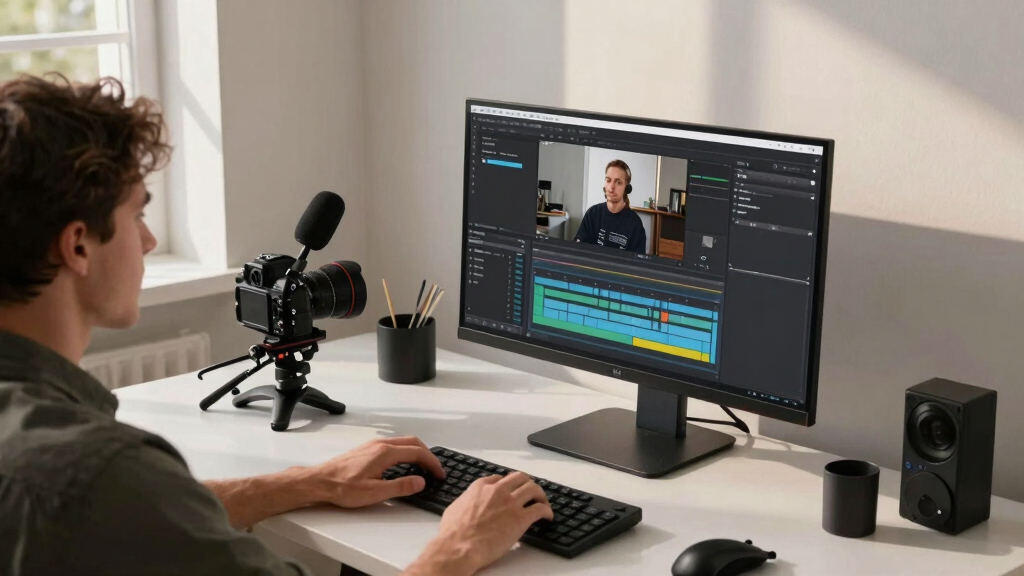
Upload one video, and a local tool generates a full set of publishing assets—titles, descriptions, clips, thumbnails, and more—without cloud dependency. This approach boosts privacy, reduces costs, and speeds up content production.
Imagine finishing a video and having an entire content rollout ready in minutes. No waiting for cloud servers, no risking sensitive data leaks. Just a local tool that turns one upload into a full suite of social posts, clips, descriptions, and thumbnails. Sounds like science fiction? It’s becoming a reality.
In this article, I’ll show you how a local-first workflow can save you hours, slash costs, and put you back in control. We’ll explore what this system does, how it works, and why it might be the game-changer your content strategy needs. Ready to see how one video can turn into a content empire — without the cloud?
Key Takeaways
- Local processing enables full control over your content, maintaining privacy and reducing costs.
- A complete publishing kit includes titles, descriptions, clips, thumbnails, captions, and social posts — all generated automatically.
- The workflow is fast and flexible, allowing you to review and refine assets before publishing, without cloud delays.
- Tradeoffs include hardware needs and potential lag in cutting-edge AI features, but the privacy benefits often outweigh these.
- This approach suits small creators, educators, and anyone handling sensitive material who wants a streamlined, offline workflow.
As an affiliate, we earn on qualifying purchases.
How a Local Workflow Turns One Video Into Every Asset You Need
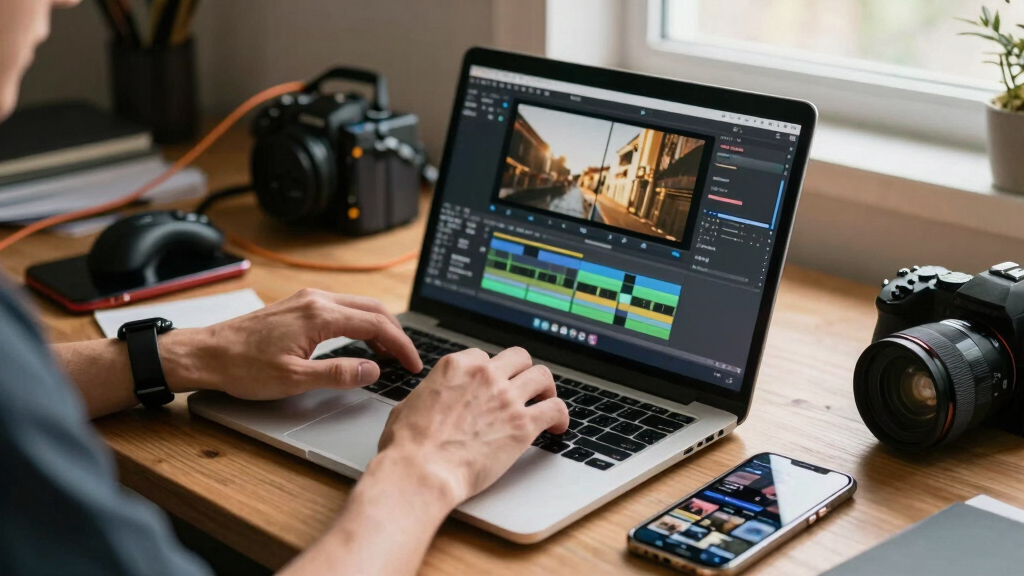
The secret lies in the layered analysis of your video. Instead of just transcribing, a local tool like ChannelHelm reads the audio, scans the visuals, and fuses both into a detailed, timestamped map. This means it understands the context, the highlights, and the key moments.
For example, it detects scene changes, reads on-screen text, and even analyzes the tone of your speech. Then, it uses this structured understanding to automatically generate titles, descriptions, clips, thumbnails, and social media posts. All of this happens on your machine — no cloud, no third-party servers.
As an affiliate, we earn on qualifying purchases.
What ‘Without the Cloud’ Actually Means for Your Content
‘Without the cloud’ isn’t just a buzzword; it’s a fundamental shift. Your files stay on your local system, protected from data breaches and privacy leaks. You don’t upload videos to third-party servers, so your unpublished content remains private and secure.
This approach also cuts costs. You avoid ongoing subscription fees for cloud processing services. Instead, you invest in local hardware once, then run as many projects as you want, whenever you want.
Take, for example, a course creator who records videos in their home studio. They can process and publish everything from their laptop, knowing that sensitive course content stays sealed tight and never leaves their premises.

As an affiliate, we earn on qualifying purchases.
The 5 Key Outputs a Local Publishing Kit Can Deliver
| Output Type | What It Is | Example |
|---|---|---|
| Titles & Descriptions | Optimized, platform-specific titles and descriptions based on video content analysis. | “Boost Your Productivity with These Tips” — a catchy title scored for engagement. |
| Clips & Shorts | Highlight moments cut into short, shareable videos optimized for TikTok, Reels, Shorts. | A 15-second clip showing the funniest or most insightful part of your interview. |
| Thumbnails | Clickable images generated from key moments, with suggested text overlays. | A bright, bold thumbnail of your speaker mid-sentence, with a caption like ‘You Won’t Believe This!’ |
| Captions & Transcripts | Accurate, timestamped captions ready for upload or editing. | Text overlay synchronized with speech, perfect for accessibility and SEO. |
| Social Posts & Threads | Platform-tailored social snippets, tweets, or threads that drive engagement. | A short tweet with a link to the full video, crafted from the key topic. |
privacy-focused video processing software
As an affiliate, we earn on qualifying purchases.
As an affiliate, we earn on qualifying purchases.
How to Turn One Video Into a Full Content Kit in 4 Simple Steps
- Drop or link your video: Upload your file or paste a YouTube URL. The system detects the channel and prepares to analyze.
- Let the analysis run: Background workers transcribe, scan visuals, and fuse data. You watch progress in real time, knowing which layers are complete.
- Review & refine: Open the draft assets — titles, clips, descriptions — and make quick edits. You can regenerate specific parts or start fresh if needed.
- Publish & track: Send your assets to social platforms, blogs, or websites. All within a single interface, with clear progress indicators.
Why Privacy and Control Matter More Than Ever
Using a local workflow means you keep your content under your roof. No third-party servers storing your raw footage or unpublished drafts. For creators handling sensitive projects — like private courses or confidential interviews — this is a game-changer.
Plus, you see exactly what’s happening at every step. Every output records its origin, model version, and prompt used, so you know precisely how each asset was created. This transparency builds trust and accountability.
Imagine a journalist working on an investigative piece. They process everything on their secure laptop, avoiding leaks or accidental uploads. That’s the power of a truly local publishing pipeline.

Cost, Speed, and Flexibility — Why Local Wins
Cloud-based tools often charge monthly or per-use fees, which can spiral as your output grows. Local tools like ChannelHelm let you invest once in hardware and software, then produce endlessly without extra costs. That’s a big saving.
Speed is another advantage. You’re not waiting on internet speeds or cloud queues. Everything happens locally, often faster than uploading and downloading large files. For example, a 30-minute video can be analyzed and ready for editing in under 10 minutes on a decent workstation.
Flexibility? Huge. You work offline, on your schedule. No need to be online to generate your assets, or worry about cloud outages. It’s content control on your terms.

What Are the Limitations and Tradeoffs?
Local processing isn’t magic; it demands decent hardware and some setup. Complex videos with high resolutions or long durations may take longer to analyze.
It also might lack some cutting-edge cloud AI features that update frequently. For instance, cloud services often roll out new models faster, so your local tool might lag behind in some capabilities.
Finally, ongoing maintenance and updates are your responsibility. But for many, the control and privacy are worth it.

Who Should Use a Local Publishing Kit System?
This setup works best for creators who prioritize privacy, cost-efficiency, and speed. Indie publishers, educators, course creators, and small teams benefit most.
If you produce content regularly and need to repurpose quickly across platforms, this workflow shrinks turnaround times dramatically. Plus, it’s perfect for those handling sensitive or unpublished material that can’t risk cloud exposure.
Large enterprises might prefer cloud integrations for scalability, but the solo creator or small team will find this approach a breath of fresh air.
Looking Ahead: The Future of Local Video Publishing
Expect more AI features to move on-device, making workflows faster and more private. As models get smaller and more efficient, the line between cloud and local processing blurs.
Future updates could include richer metadata extraction, better scene understanding, and even direct publishing from local apps. The goal? A seamless, fully automated pipeline from raw video to published content, all on your own hardware.
For creators, this means more control, less dependency, and faster turnarounds — all while keeping their content private and secure.
Frequently Asked Questions
What exactly does the tool generate from one video?
It creates titles, descriptions, clips, thumbnails, transcripts, captions, and social media posts — all tailored to each platform and optimized for engagement.
Does it work fully offline, or only partially local?
It works mostly offline, analyzing your files on your machine. Some updates or models might require internet access, but the core process is local.
What file formats are supported?
Common formats like MP4, MOV, and AVI are supported. Check the tool’s documentation for specifics on resolution and codec compatibility.
How accurate is the AI extraction or repurposing?
Highly dependent on the video quality and AI models used. Expect around 85-95% accuracy for captions and scene detection, but always review and refine.
Yes, these are core outputs. The system analyzes your video and generates these assets, which you can fine-tune before publishing.
Conclusion
Switching to a local-first publishing workflow is like having your own content factory on your desktop. It keeps your media safe, cuts costs, and speeds up your entire publishing pipeline. Think of it as turning a single video into a whole publishing empire — on your terms.
In a world where privacy and speed matter more than ever, this approach might just be the smartest move you make for your content. Ready to take control? Your entire publishing kit is waiting, just one click away.

Fall Picks
fall essentials
As an affiliate, we earn on qualifying purchases.