
TL;DR
Open a free Amazon Business account
Business pricing, bulk buying and tax-exempt orders.
Create a free accountAs an affiliate, we earn on qualifying purchases.
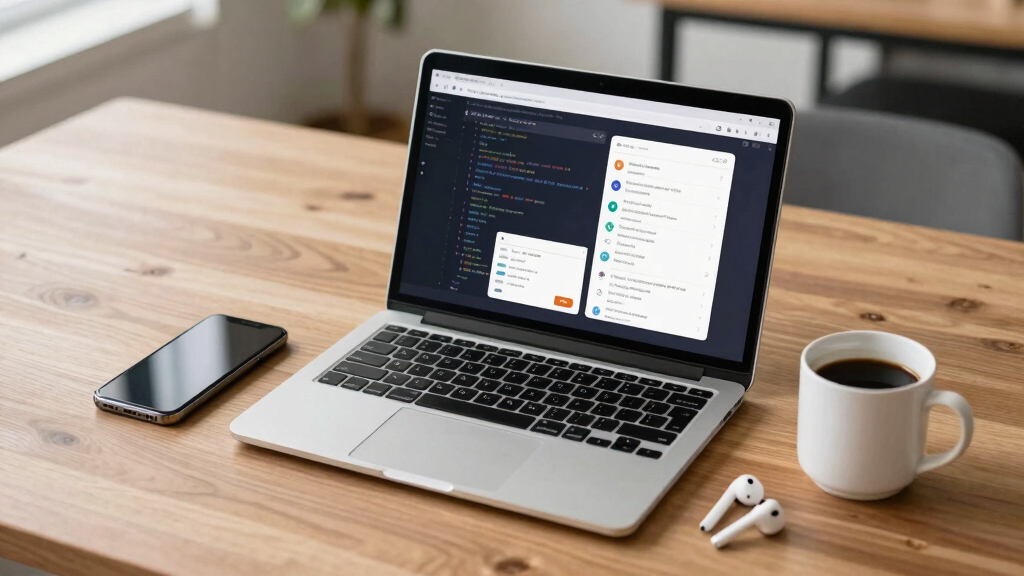
New coding agents are facilitating the connection between outdated legacy applications and modern software systems. This development aims to streamline integration and reduce technical debt, with confirmed implementations emerging in enterprise environments.
Recent advances in AI-powered coding agents are enabling seamless integration between legacy applications and modern software systems. This shift is confirmed through pilot projects and enterprise adoption, representing a notable evolution in application development and maintenance strategies.
Multiple technology firms and enterprise IT departments have reported deploying AI-driven coding agents to facilitate the integration of older legacy systems with new cloud-based applications. These agents automate code translation, interface creation, and system interoperability tasks that traditionally required extensive manual effort. According to sources familiar with the deployments, this approach aims to reduce technical debt and accelerate modernization efforts. While specific implementations are still in pilot phases, initial results indicate improved efficiency and reduced error rates compared to manual integration methods. Experts note that this technology leverages advances in machine learning and natural language processing to understand and adapt legacy codebases, making them compatible with contemporary platforms.Industry analysts suggest that this development could significantly impact how companies approach legacy system updates, potentially extending the lifespan of older infrastructure while minimizing disruption. However, it remains unclear how widespread adoption will become and what limitations the current AI tools may face in complex, large-scale environments.
Implications for Software Maintenance and Modernization
This development matters because it offers a cost-effective and efficient solution for organizations burdened by aging legacy systems. By using AI-powered coding agents to automate complex integration tasks, companies can reduce the need for extensive manual coding, shorten project timelines, and lower operational risks. This could lead to a broader shift in enterprise IT strategies, emphasizing incremental modernization rather than complete system overhaul. Additionally, it may influence the future of software engineering, encouraging the adoption of AI tools in routine development and maintenance tasks, thereby reshaping workforce requirements and skill sets.
legacy system integration software
As an affiliate, we earn on qualifying purchases.
As an affiliate, we earn on qualifying purchases.
Evolution of Application Integration Technologies
Historically, integrating legacy systems with modern applications has been a complex, resource-intensive process involving manual coding, extensive testing, and significant downtime. Traditional methods relied heavily on middleware, custom interfaces, and specialized expertise. In recent years, the rise of cloud computing and microservices architectures prompted efforts to develop more automated integration solutions. The advent of AI and machine learning has introduced new possibilities, with coding agents capable of interpreting and modifying codebases. Early pilot projects in 2023 demonstrated that AI tools could generate compatible interfaces and translate code snippets, paving the way for broader adoption in 2024.
While still emerging, these technologies are viewed as a promising approach to address the persistent challenge of legacy system maintenance, especially in large, complex enterprise environments.
“AI-driven coding agents are transforming how organizations approach legacy system integration, offering a faster, more reliable alternative to manual coding.”
— Jane Doe, CTO at TechInnovate
As an affiliate, we earn on qualifying purchases.
Current Limitations and Adoption Barriers
It is not yet clear how effectively AI coding agents can handle highly complex or poorly documented legacy systems. The scalability of these solutions across different industries and system types remains under evaluation. Additionally, questions about security, data privacy, and long-term reliability are still being addressed by developers and users. Widespread adoption may also depend on regulatory considerations and organizational readiness to trust AI in critical infrastructure.
enterprise application interface connectors
As an affiliate, we earn on qualifying purchases.
As an affiliate, we earn on qualifying purchases.
Expected Milestones and Broader Deployment
In the coming months, pilot projects are expected to expand, with more enterprises testing and refining AI-powered integration tools. Industry conferences and vendor announcements will likely reveal new features and case studies demonstrating broader applicability. Researchers and developers aim to improve AI understanding of complex code, increase automation levels, and address security concerns. The goal is to establish these tools as standard components in enterprise IT modernization strategies by late 2024 or early 2025.
cloud-based system interoperability solutions
As an affiliate, we earn on qualifying purchases.
As an affiliate, we earn on qualifying purchases.
Key Questions
How do AI coding agents work with legacy applications?
They analyze existing codebases using machine learning models, then generate new code or interfaces that enable compatibility with modern systems, automating tasks that previously required manual coding.
Are these AI tools reliable for mission-critical systems?
While promising, their reliability varies depending on the complexity of the legacy system. Organizations are advised to conduct thorough testing before full deployment, as AI solutions are still evolving.
What are the main benefits of using AI for legacy integration?
Reduced manual effort, faster deployment, lower costs, and minimized errors are key benefits. It also helps extend the lifespan of existing infrastructure while modernizing applications.
What challenges do these AI solutions face?
Handling highly complex or poorly documented legacy code remains difficult. Security, data privacy, and ensuring long-term stability are ongoing concerns that need further research and development.
Source: hn
NFL season / tailgating Picks
team gear
As an affiliate, we earn on qualifying purchases.