
TL;DR

Get business pricing on monitors, keyboards and dev gear
- Business-only prices and quantity discounts
- Tax-exempt purchasing
- Multiple users, one account, clear invoices
Meta has introduced new servers that reuse older RAM modules, integrated with a custom-designed bridge chip. This approach aims to cut costs and enhance efficiency, but full details are still developing.
Meta has begun deploying new data center servers that reuse older RAM modules, paired with a custom-designed bridge chip, a move aimed at reducing hardware costs and improving efficiency. The initiative reflects Meta’s ongoing efforts to optimize infrastructure expenses amid rising hardware costs and supply chain challenges.
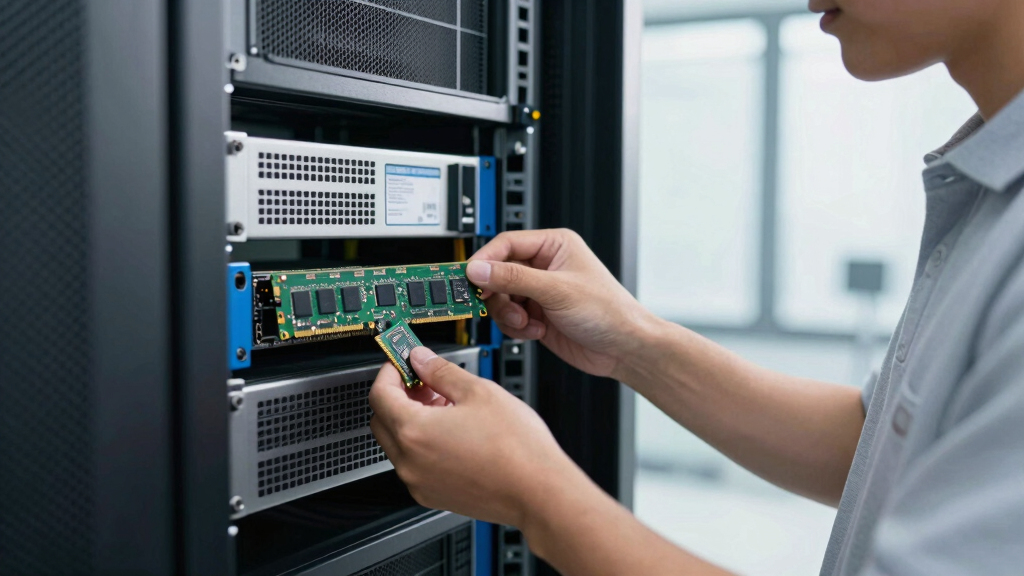
According to sources familiar with Meta’s hardware strategy, the company is repurposing existing RAM modules in its latest server designs rather than sourcing entirely new memory components. These reused modules are integrated with a custom bridge chip designed specifically to manage the connection between the RAM and the server’s main processing units.
While the exact specifications of the bridge chip are not publicly disclosed, reports suggest it is tailored to maximize compatibility with older RAM modules, enabling Meta to extend the useful life of existing hardware and reduce capital expenditure. This approach is part of Meta’s broader initiative to increase hardware sustainability and cost efficiency in its data centers.
Meta has not officially issued detailed technical disclosures about the new server architecture, but industry insiders note that this strategy could influence other cloud providers seeking cost-saving measures amid fluctuating hardware prices and supply chain constraints.
Implications of Reusing Old RAM in Data Center Hardware
This development could mark a significant shift in data center hardware procurement strategies, emphasizing reuse and customization to cut costs. For Meta, it offers a way to extend the lifecycle of existing components, potentially reducing environmental impact and capital expenditure. If successful, this approach might influence industry standards, encouraging other companies to explore similar hardware reuse strategies to navigate economic and supply chain pressures.
As an affiliate, we earn on qualifying purchases.
Meta’s Hardware Cost-Saving Strategies Amid Supply Challenges
Meta, like many other cloud service providers, faces rising costs for new hardware due to supply chain disruptions and increased component prices. Previously, the company has focused on optimizing server efficiency and reducing energy consumption. The current move to reuse RAM modules with a custom bridge chip aligns with a broader industry trend toward hardware sustainability and cost management.
Historically, server memory has been a non-reusable component, but recent innovations in custom bridging technology suggest a shift toward more flexible hardware architectures. Meta’s initiative appears to be a pioneering step in this direction, although details remain scarce about the technical specifics and long-term reliability.
“We are exploring innovative ways to optimize our infrastructure, including hardware reuse, to support our scalability and sustainability goals.”
— Meta spokesperson
As an affiliate, we earn on qualifying purchases.
Technical Details and Long-Term Reliability Still Unclear
It is not yet clear how the custom bridge chip manages compatibility and performance over time, or how it compares to traditional server memory architectures in terms of reliability and speed. Details about the specific models of reused RAM or the design specifications of the bridge chip remain undisclosed, and industry experts are awaiting more technical disclosures from Meta.
As an affiliate, we earn on qualifying purchases.
Further Technical Disclosures and Industry Adoption Expected
Meta is likely to release more detailed technical information about its new server architecture in upcoming industry conferences or technical disclosures. Observers will also watch for the performance and reliability of these servers over time, which could influence broader industry adoption of hardware reuse strategies. Additionally, other cloud providers may explore similar approaches if Meta’s initiative proves successful.
As an affiliate, we earn on qualifying purchases.
Key Questions
Why is Meta reusing old RAM in its servers?
Meta aims to reduce hardware costs and extend the lifespan of existing components by repurposing older RAM modules, aligning with cost-efficiency and sustainability goals.
What is the role of the custom bridge chip?
The custom bridge chip is designed to connect reused RAM modules with the server’s processing units, managing compatibility and performance.
Does reusing RAM affect server performance?
It is currently unclear how the reuse impacts performance and reliability; further testing and technical disclosures are needed.
Could this approach influence industry standards?
If successful, Meta’s strategy could inspire other data center operators to adopt hardware reuse practices, potentially shifting industry standards toward more sustainable and cost-effective designs.
When will more technical details be available?
Meta is expected to disclose additional technical information at future industry events or in official reports, but no specific timeline has been announced.
Source: hn
Halloween Picks
halloween
As an affiliate, we earn on qualifying purchases.