
TL;DR

Get monitors, keyboards and dev gear delivered free — and shop member deals
- Fast, free delivery on millions of items
- Access to Prime Big Deal Days deals on October 6–7
- Prime Video, Amazon Music and more included
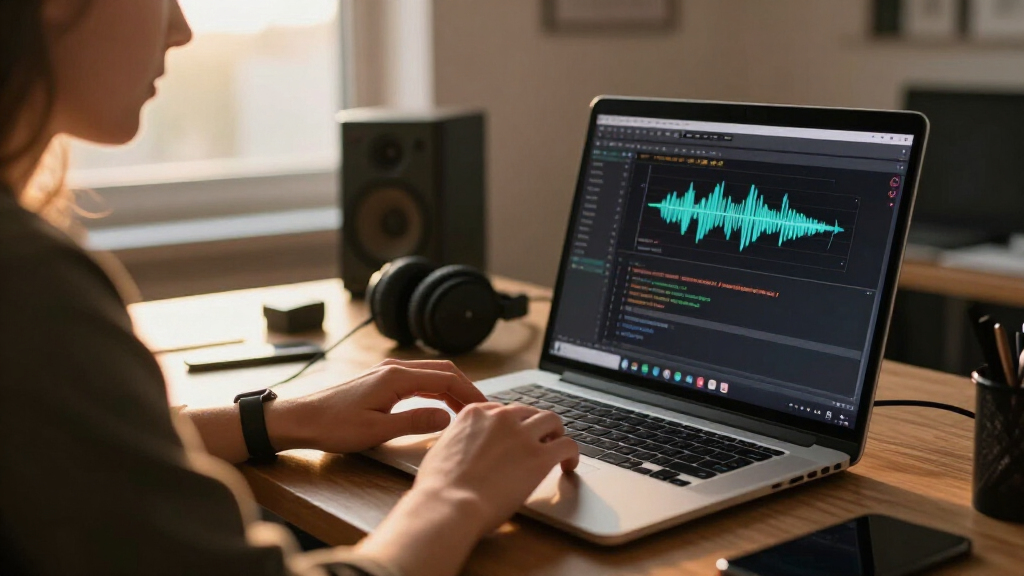
Developers have launched an open-source clone of Fasttracker II, written in C with SDL 2. The project aims to preserve the classic tracker experience while improving portability and performance. The release is in early stages, with ongoing development and community involvement encouraged.
An open-source clone of Fasttracker II, the iconic music tracker software from the late 1990s, has been released in C programming language with SDL 2. The project aims to recreate the original experience while ensuring cross-platform compatibility and improved performance, attracting interest from the demoscene, music enthusiasts, and developers.
The project, initiated by a group of developers on GitHub, is currently in early development but has achieved core functionality, including pattern editing, sample playback, and basic module support. Unlike the original Fasttracker II, which was Windows-only, this clone is designed to run seamlessly on Windows, Linux, and macOS, thanks to SDL 2, a popular multimedia library.
According to the project maintainers, the codebase is written entirely in C, with SDL 2 handling input, audio, and graphics. They aim to preserve the original tracker’s interface and features while optimizing for modern hardware. The project is open for contributions, with plans to add features like VST plugin support, modern UI enhancements, and expanded module compatibility.
Why a Modern Fasttracker II Clone Matters for Music Preservation
This project matters because it preserves a key piece of digital music history by recreating Fasttracker II in a modern, portable form. It allows enthusiasts and new users to experience the classic tracker interface without relying on outdated or unsupported software. Additionally, it opens opportunities for modular development and integration with contemporary music production workflows, potentially revitalizing interest in tracker music and demoscene culture.
music tracker software for Windows
As an affiliate, we earn on qualifying purchases.
As an affiliate, we earn on qualifying purchases.
Background of Fasttracker II and Open-Source Reimplementations
Fasttracker II, developed by IT Software in the late 1990s, was a pioneering music tracker that became a staple in the demoscene and electronic music communities. Its popularity led to numerous clones and ports, but most remained Windows-specific or outdated. In recent years, there has been a resurgence of interest in tracker music, coupled with a desire for open-source, cross-platform tools. This new C-based SDL 2 clone builds on that momentum, aiming to bridge the gap between nostalgia and modern development practices.
“Our goal is to faithfully recreate Fasttracker II’s core features while making it accessible on any modern system. SDL 2 provides the perfect foundation for cross-platform support.”
— Lead developer of the project
VST plugin support for music tracker
As an affiliate, we earn on qualifying purchases.
As an affiliate, we earn on qualifying purchases.
Development Status and Future Feature Plans
While the core functionality is in place, several features such as advanced effects, VST plugin support, and a polished user interface are still in development. It is not yet clear when a stable, feature-complete release will be available, and community contributions are ongoing.
cross-platform digital audio workstation
As an affiliate, we earn on qualifying purchases.
As an affiliate, we earn on qualifying purchases.
Upcoming Milestones and Community Involvement Opportunities
The project team plans to release alpha versions for testing within the next few months, inviting community feedback. Future updates will focus on expanding module support, improving UI, and adding modern features. Contributions from developers and musicians are actively encouraged to accelerate progress and refine the tool.
As an affiliate, we earn on qualifying purchases.
Key Questions
Is this clone fully compatible with original Fasttracker II modules?
Currently, the clone supports basic module formats similar to the original, but full compatibility with all features and formats is still under development.
Can I use this project on Linux or macOS?
Yes, thanks to SDL 2, the project is designed to run on Windows, Linux, and macOS, with initial testing reports indicating good cross-platform performance.
Will this project support plugins or modern effects?
Plugin support and advanced effects are planned features, but they are not yet implemented. These will be part of future development milestones.
How can I contribute to this project?
The project is hosted on GitHub, and contributions are welcome. Developers can submit code, while musicians and testers can provide feedback through issue reports and discussions.
When will a stable release be available?
There is no official release date yet; the team is focusing on core functionality first. Expect alpha versions in the coming months, with a stable build potentially later in 2024.
Source: hn
Evergreen bestsellers Picks
bestsellers
As an affiliate, we earn on qualifying purchases.