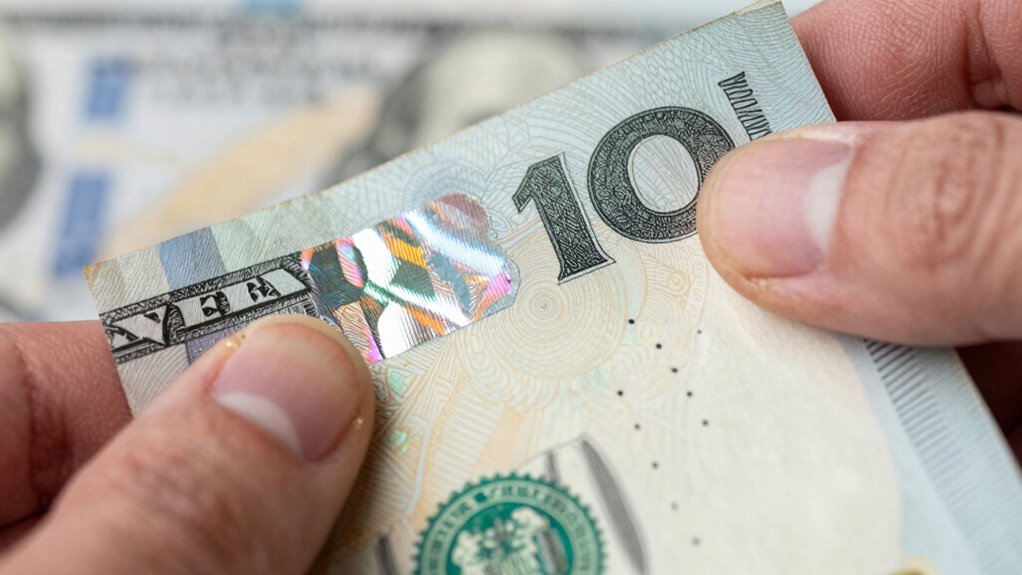

The most common mistakes when checking for counterfeit bills include overlooking security features like watermarks, holograms, and UV-reactive elements, relying only on visual cues, and neglecting tactile verification. People often ignore microprinting, security threads, or subtle color-shifting ink, making it easier to miss fake bills. Properly inspecting with tools, feeling the paper, and comparing security features can help you detect fakes confidently. If you keep these tips in mind, you’ll spot counterfeits more effectively.

Get business pricing on monitors, keyboards and dev gear
- Business-only prices and quantity discounts
- Tax-exempt purchasing
- Multiple users, one account, clear invoices
Key Takeaways
- Neglecting to check security features like watermarks, holograms, and UV-reactive elements is a common mistake.
- Relying solely on visual appearance without tactile verification can lead to false positives or negatives.
- Not using verification tools such as UV lights, magnification, or comparison with authentic bills reduces detection accuracy.
- Overlooking discrepancies in size, color, print quality, and microdetails increases the risk of accepting fake bills.
- Failing to perform a comprehensive, multi-layered inspection process with trained personnel often results in missed counterfeits.
As an affiliate, we earn on qualifying purchases.
How to Detect Counterfeit Bills Quickly and Confidently

Are you ready to spot counterfeit bills in seconds? Currency counterfeiting is a common problem, but with the right counterfeit detection methods, you can quickly identify fake bills. Start by examining the paper quality—real currency feels distinct, with a unique texture. Check for consistent printing, sharp lines, and correct colors; blurry or uneven ink often signals a fake. Use ultraviolet light if available—genuine bills have security features that glow under UV. Feel the raised print on certain areas, like the portrait or serial numbers. Familiarize yourself with the security features of genuine currency, and always stay alert. These quick checks empower you to confidently detect counterfeit bills and prevent loss or fraud in everyday transactions.
magnifying glass for currency verification
As an affiliate, we earn on qualifying purchases.
As an affiliate, we earn on qualifying purchases.
Recognizing Physical Signs That Indicate Fake Currency
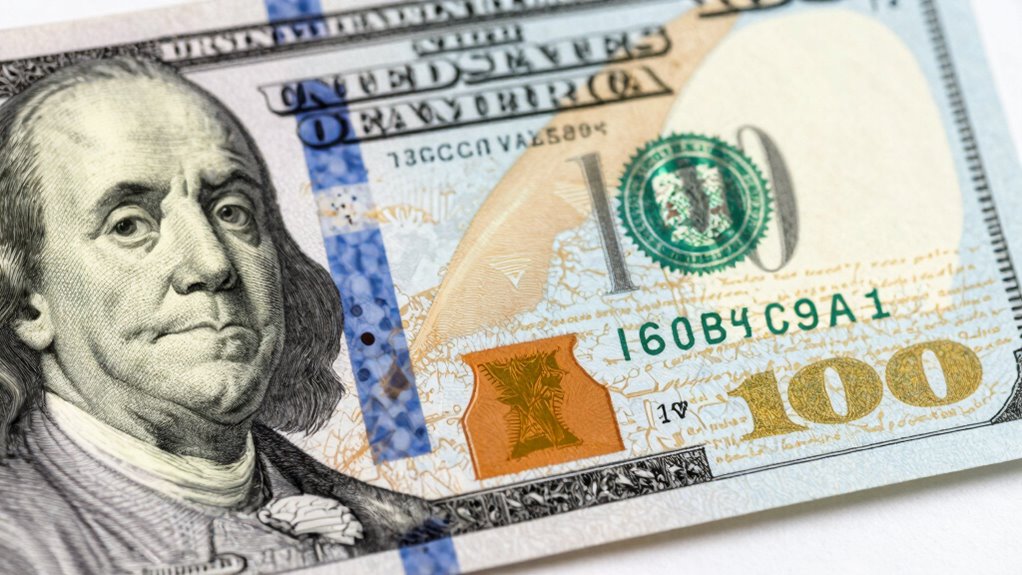
You can spot fake currency by feeling the paper’s texture; real bills have a distinct, slightly rough feel. Next, carefully examine the security features, such as watermarks and holograms, to see if they match authentic notes. Paying close attention to these physical signs helps you quickly identify counterfeit bills. Additionally, inspecting the filtration of the paper can reveal inconsistencies that are common in counterfeit notes. Recognizing the waterproof features of genuine currency further aids in distinguishing real bills from fakes. Being familiar with the security elements used in authentic bills enhances your ability to detect counterfeits effectively. Understanding specialized printing techniques also helps identify subtle differences that counterfeiters often overlook.
Feel the Paper Texture
Feeling the paper texture is a crucial step in distinguishing genuine currency from counterfeit notes. You should pay close attention to the texture feel, as authentic bills typically have a distinct, slightly rough surface due to high-quality paper. Counterfeit notes often feel smoother or plasticky because they lack the same paper quality. Genuinely printed bills usually have a firm, substantial feel, whereas fake ones tend to be thinner or more fragile. Run your fingers over the note, and if it feels unusually slick, flimsy, or inconsistent with other bills, it’s a red flag. Recognizing these physical signs helps you quickly identify counterfeit currency and avoid accepting fake bills that could compromise your transactions. Always compare the texture feel to a genuine bill if you’re unsure. Additionally, the paper quality of authentic currency often includes embedded security fibers that are difficult to replicate accurately, making fiber content another key indicator of authenticity. To further verify authenticity, examining the security features embedded within genuine bills can provide additional reassurance.
Examine Security Features
Examining security features is a vital step in verifying the authenticity of a banknote. By closely inspecting these features, you strengthen counterfeit prevention efforts and guarantee the currency meets established currency standards. Look for the watermark, which should be visible when held up to light, and check the security thread embedded within the paper. Use a UV light to reveal hidden symbols or fibers only visible under ultraviolet light. The color-shifting ink on certain numbers or images should change when tilted. Microprinting, fine lines, and raised printing are also signs of genuine currency. If any of these features appear blurry, inconsistent, or missing, it’s a strong indicator the bill could be fake. Paying attention to these physical signs helps you detect counterfeits quickly and accurately. Additionally, familiarizing yourself with the latest security features in circulating banknotes enhances your ability to identify fakes effectively. Recognizing physical signs is essential in ensuring the currency’s legitimacy and preventing counterfeit circulation. Being aware of the security features that are difficult to replicate can further improve your detection skills and reduce the risk of accepting counterfeit bills. Incorporating advanced security features, such as holograms and color-shifting elements, provides an extra layer of verification. Understanding the design complexity of genuine bills can help distinguish authentic currency from counterfeit copies.
currency security features inspection kit
As an affiliate, we earn on qualifying purchases.
As an affiliate, we earn on qualifying purchases.
The Key Security Features Every Bill Should Have
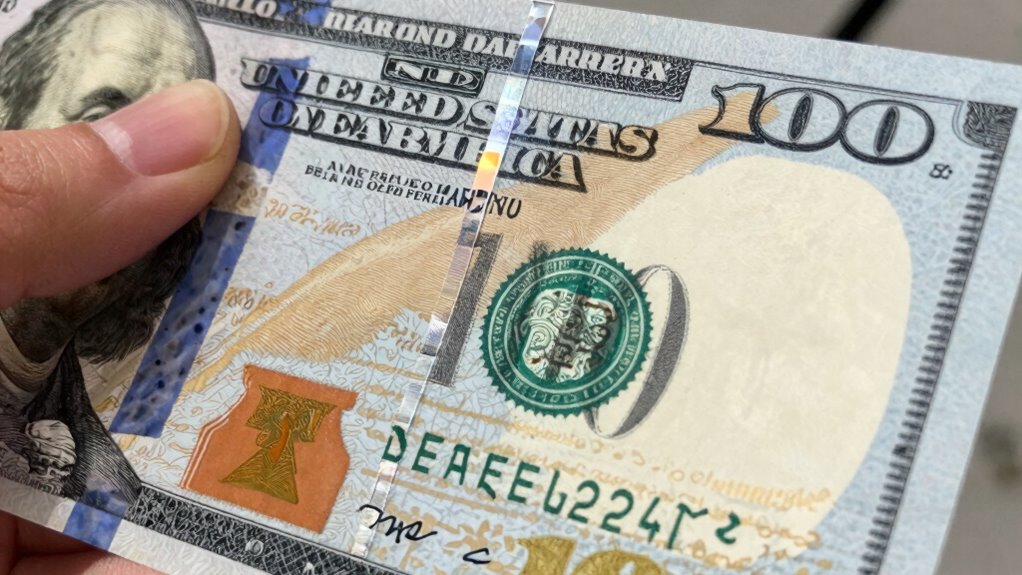
To spot genuine bills, you should check for watermarks and holograms, which are hard for counterfeiters to replicate. The security thread should be visible when you hold the bill up to the light, indicating authenticity. These features are essential in verifying that a bill is real and not counterfeit. Additionally, examining the bill’s energetic alignment can help you sense whether it feels authentic beyond visual checks. Paying attention to security features such as color-shifting inks and microprinting can further aid in detection. Recognizing physical characteristics like the bill’s weight and texture can also help distinguish genuine currency from fake copies. Incorporating advanced counterfeit detection techniques can enhance your ability to identify fake bills more accurately. Being familiar with counterfeit detection methods can also prepare you to respond effectively if you suspect a bill is counterfeit.
Watermarks and Holograms
Have you ever wondered how genuine bills are distinguished from counterfeit ones? Watermarks and holograms are critical security features that help you identify authentic currency.
- Check watermark placement—it should be visible when held up to the light, matching the bill’s portrait or design. A proper watermark is embedded seamlessly and is one of the most reliable indicators of authenticity. Understanding the wave and wind patterns in the watermark can further enhance your detection skills. Being familiar with advanced security features can also help differentiate genuine bills from fakes. Recognizing counterfeit detection techniques is essential for maintaining financial security, especially in everyday transactions.
- Inspect hologram authenticity—real holograms reflect light differently and display shifting images, not flat stickers. Familiarity with security features can greatly improve your detection skills.
- Feel the texture—watermarks are embedded, giving the bill a distinct feel compared to fake copies.
- Observe the visual effects—genuine holograms produce vibrant, multi-dimensional effects that are hard to replicate.
- Understand the security features—familiarity with vetted security features enhances your ability to detect counterfeits accurately. Regularly updating your knowledge about these features ensures you stay ahead of counterfeiters.
Security Thread Visibility
A key security feature on most genuine bills is the embedded security thread, which runs vertically through the note. You can verify this by checking the security thread visibility; it should be embedded and appear as a dark line when held up to the light. Authentic bills often have the thread woven into the paper, not printed on the surface. Counterfeit detection techniques include inspecting whether the thread glows under UV light or has microprinted text inside it. When examining a bill, look for the thread’s consistent placement and whether it matches the specific security features of genuine currency. Properly checking security thread visibility helps you quickly identify fakes and prevents accepting counterfeit bills. Security features such as watermarks and color-shifting ink also play a vital role in authenticating currency. This simple step is essential for effective counterfeit detection.
As an affiliate, we earn on qualifying purchases.
Common Mistakes When Handling and Examining Cash
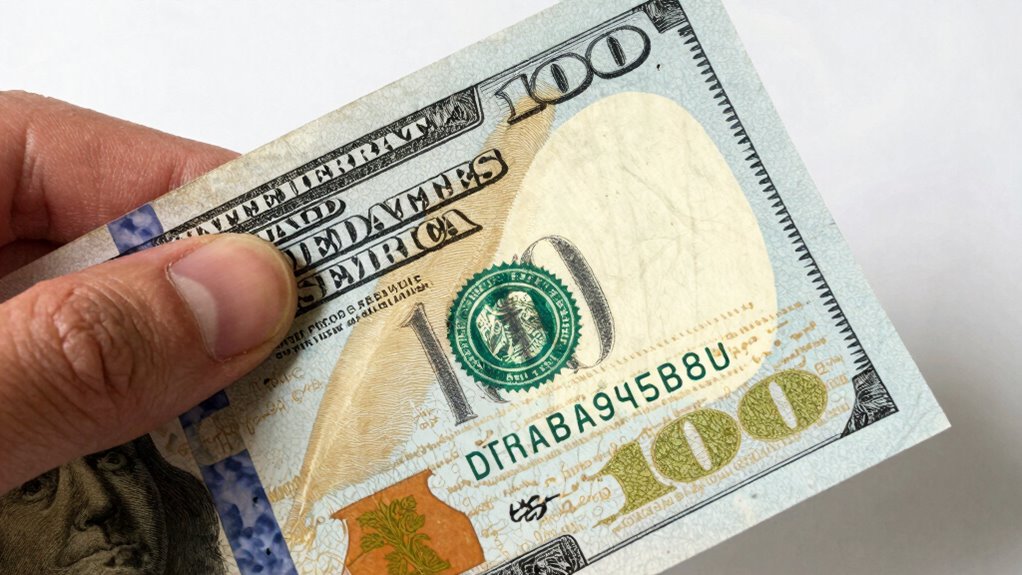
Handling cash improperly can easily lead to mistakes that compromise counterfeit detection. When you rush or neglect proper cash handling procedures, you risk overlooking subtle signs of counterfeit bills. Keep in mind that counterfeit trends evolve, making thorough examination essential. Here are common mistakes to avoid:
Improper cash handling can lead to missed counterfeit signs; thorough inspection is essential to prevent errors.
- Ignoring the security features, assuming all bills look the same.
- Handling bills with dirty or greasy hands, which can obscure details.
- Failing to compare suspicious bills against genuine ones side-by-side.
- Relying solely on visual checks and skipping texture or feel tests.
Using Your Phone or Tools to Verify Authenticity
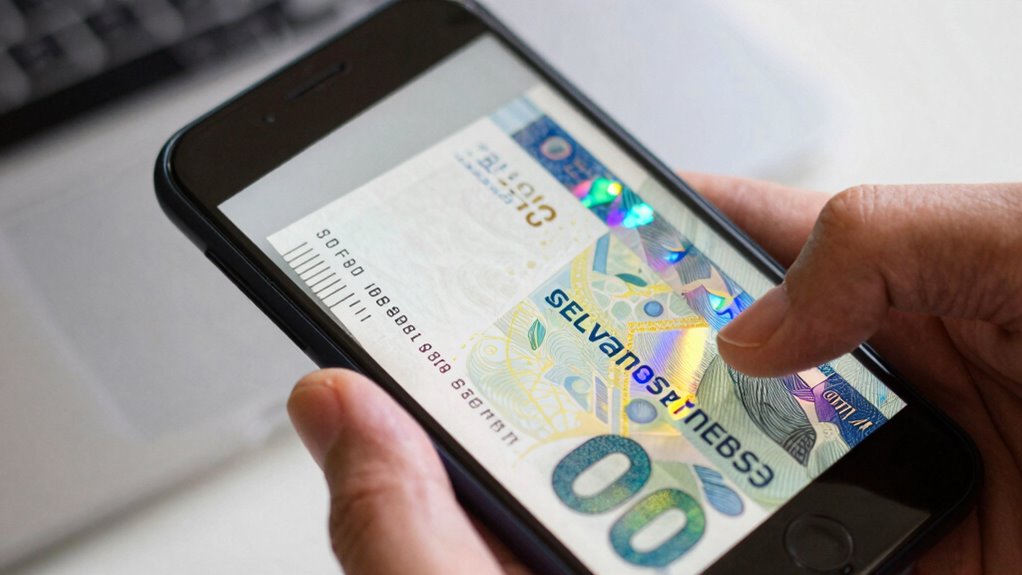
You can quickly verify authenticity using your phone or simple tools, making the process more efficient. Mobile apps can scan and analyze security features, while UV light reveals hidden markings. Checking for security features like watermarks and holograms is also essential in confirming genuine items.
Mobile Apps for Verification
Mobile apps have become essential tools for verifying the authenticity of products right from your phone. With counterfeit detection apps gaining popularity, you can quickly identify fake bills or goods on the spot. Before downloading, check mobile app reviews to guarantee reliability and accuracy. These apps often use advanced features like barcode scanning, image analysis, and security code validation to confirm authenticity. Here are four reasons to rely on them:
- Instantly spot counterfeit bills with confidence.
- Save time and avoid unnecessary trips to authorities.
- Access real-time updates on counterfeit patterns.
- Gain peace of mind knowing you’re making safe transactions.
Using these tools, you become your own first line of defense against fakes, making counterfeit detection apps invaluable in today’s market.
Using UV Light Features
Using UV light features is an effective way to verify the authenticity of various products without specialized equipment. When you shine a UV light on a genuine bill or item, you’ll see invisible markings that are only visible under this type of light. These markings are embedded during manufacturing and serve as a hidden security feature. Counterfeit bills often lack these UV-reactive elements or display them incorrectly. To check, simply turn on your UV light or use a UV flashlight app on your phone, then hold it close to the bill or product. If the invisible markings appear as expected, it’s a good sign of authenticity. If not, it could be counterfeit. Always compare your findings with official security features for the best results.
Checking Security Features
Checking security features with your phone or tools offers a practical way to confirm whether a product or bill is genuine. These methods enhance your ability to prevent counterfeiting and improve currency authentication. By actively verifying security elements, you empower yourself to spot fakes quickly. Here are four ways to boost your counterfeit prevention:
- Magnify the bill’s details with your phone’s camera to reveal micro-text and fine lines.
- Use a UV light app to check for hidden security threads and markings.
- Scan the bill’s QR code or serial number with trusted authentication apps.
- Compare color-shifting inks on your screen to see if they change as expected.
These tools give you confidence in your currency validation skills, helping you stay vigilant against counterfeit bills.
Why Serial Numbers Matter When Checking Bills
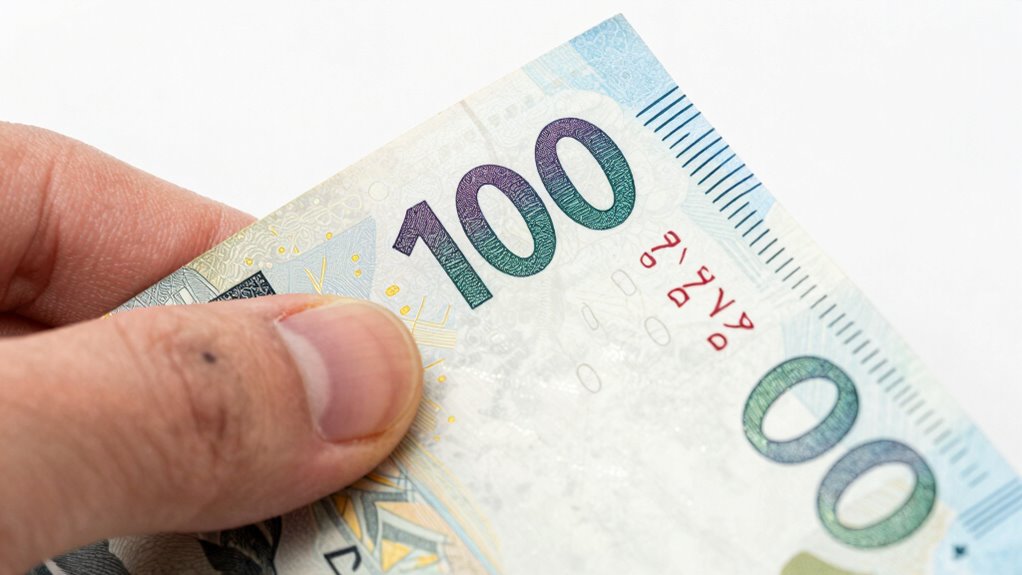
Serial numbers play a crucial role in verifying the authenticity of bills because they serve as unique identifiers for each note. When performing serial number verification, you check if the serial number on the bill matches records or known patterns. Consistent bill numbering helps prevent counterfeit bills from slipping through, as fake notes often have duplicated or missing serial numbers. Authentic bills typically have a specific format and sequence, so discrepancies can indicate a fake. By paying close attention to serial numbers, you guarantee each bill is genuine and properly accounted for. Remember, irregularities like mismatched or blurry numbers are red flags. Maintaining bill numbering consistency is a simple yet effective way to catch counterfeit bills before they circulate further.
Spotting Poor Printing and Color Discrepancies
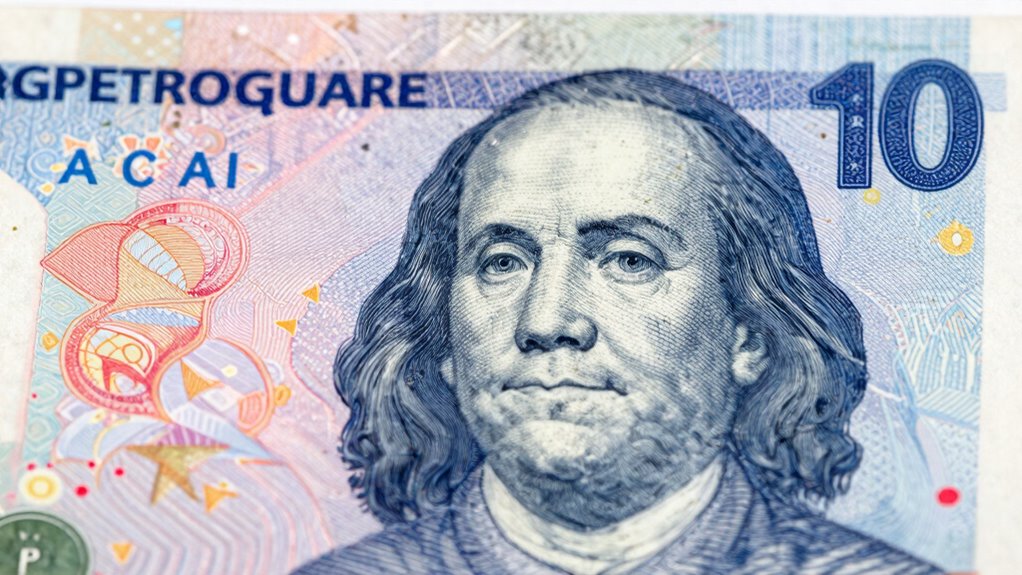
Poor printing quality and color inconsistencies are clear signs of counterfeit bills. When examining a note, look closely for flaws in the printing quality, such as blurry images or uneven ink. Pay attention to color inconsistency, where shades may appear off or uneven, revealing poor reproduction. Here are four key signs to watch for:
- Blurry or smudged images that lack sharpness.
- Uneven color distribution, with areas that seem too dark or faded.
- Incorrect or faded hues compared to authentic bills.
- Misaligned printing where design elements don’t line up perfectly.
How to Identify Fake Watermarks and Holograms
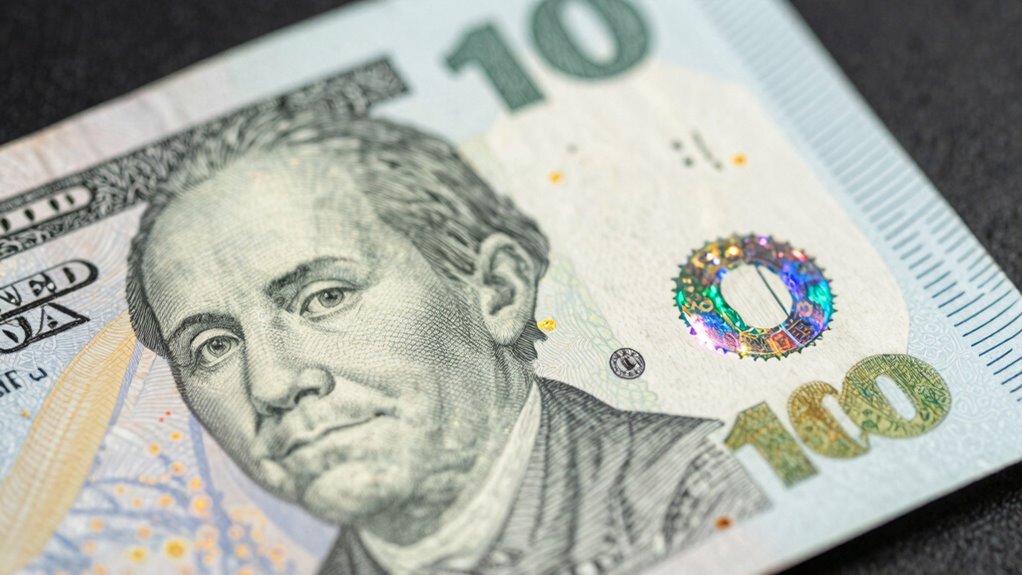
While poor printing and color flaws can reveal counterfeit bills, authentic currency also features security elements like watermarks and holograms that are harder to replicate. To identify a fake watermark, perform a watermark comparison by holding the bill up to light. Authentic watermarks are embedded into the paper and appear as a clear, consistent image that matches official currency. Fake bills often have blurry or inconsistent watermarks. Hologram differences are also key; genuine holograms reflect light and display shifting images or colors when tilted. Compare the hologram’s appearance closely to a genuine bill, noting any dullness or mismatched images. These security features are difficult to duplicate precisely, so paying attention to watermark details and hologram differences helps you spot counterfeit bills effectively.
What to Do If Security Features Are Faint or Missing
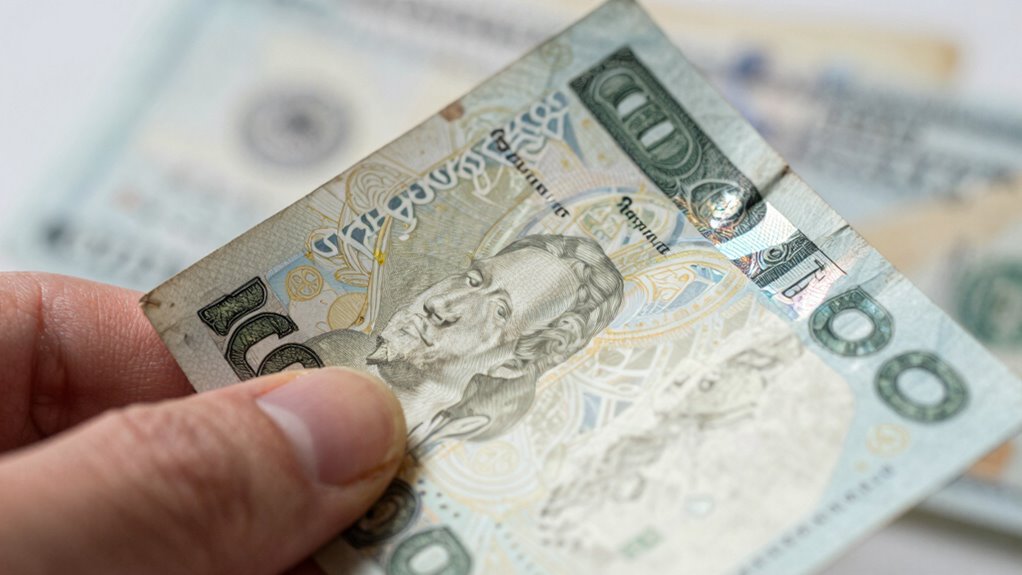
When security features like watermarks or holograms appear faint or missing, it’s a clear sign that the bill may be counterfeit. You should act quickly to protect yourself and others. Here are four steps to take:
- Inspect closely for any signs of security feature faintness or missing security elements.
- Compare the bill with a verified authentic note to spot discrepancies.
- Avoid accepting the bill if you suspect it’s counterfeit; don’t try to pass it on.
- Report your findings to the authorities or your bank immediately to prevent further circulation.
Faint security features and missing security elements are red flags that demand your attention. Trust your instincts—your vigilance helps keep counterfeit bills out of circulation.
Step-by-Step: Your Quick Guide to Authenticating Bills
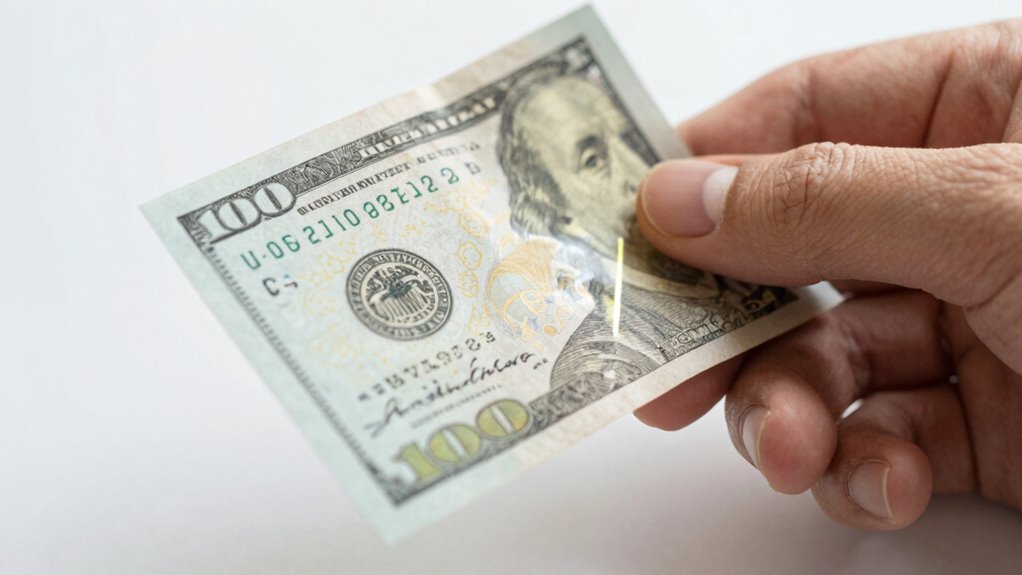
Authenticating a bill quickly and accurately involves a straightforward, step-by-step process that anyone can follow. First, check the security features like watermarks, color-shifting ink, and security threads. Next, compare the bill’s size and color to authentic currency. Finally, perform a tactile test by feeling the paper’s texture. Use this quick reference table:
| Step | What to Check | Tips |
|---|---|---|
| Visual Inspection | Security features, holograms, color shifts | Use a bright light for better visibility |
| Tactile Test | Feel the paper’s texture | Genuine bills have a distinct feel |
| Compare Details | Size, serial numbers, printing quality | Authentic bills match official specs |
This currency authentication process enhances counterfeit detection and helps you spot fake bills efficiently.
Frequently Asked Questions
How Often Do Counterfeit Bills Circulate in the Economy?
Counterfeit bills circulate quite often, with the prevalence varying by region. You might encounter fake currency regularly, which poses detection challenges due to increasingly sophisticated counterfeits. Staying vigilant helps you spot subtle signs of counterfeit prevalence, such as poor printing quality or inconsistent security features. By understanding common fake-bill mistakes, you can improve your detection skills and protect yourself from accepting counterfeit money, reducing its impact on the economy.
What Are the Latest Technological Advances in Counterfeit Detection?
Imagine a digital fortress guarding your cash; that’s what the latest advances in counterfeit detection do. You now rely on digital watermarking embedded in banknotes, which acts like an invisible fingerprint. Holographic security features shimmer and shift, making fake bills instantly recognizable. These technological marvels work together, providing you with sharper eyes and smarter tools to keep counterfeiters at bay and protect your money with confidence.
Are There Specific Bills More Commonly Counterfeited Than Others?
Yes, specific bills, especially high denominations like $100, are more commonly counterfeited because they hold higher value. You should pay extra attention to these bills, checking for security features like watermarks, security threads, and color-shifting ink. Counterfeiters tend to target these bills, making it vital for you to stay vigilant. Using advanced detection tools can help you quickly identify fake bills and protect your transactions.
How Do Counterfeiters Replicate Security Features Inaccurately?
Did you know that over 60% of counterfeit bills are caught due to poor security feature imitation? Counterfeiters often replicate security features inaccurately, like misalignments or missing holograms, because they lack the precise printing techniques. They use cheap inks and inferior materials, leading to printing inaccuracies. These flaws stand out during authentication, making it easier for you to spot fake bills by closely examining security features and noticing any discrepancies.
Can Counterfeit Detection Methods Vary by Currency Denomination?
Yes, counterfeit detection methods can vary by currency denomination. You’ll notice security feature variations across different bills, requiring you to utilize denomination-specific techniques. For instance, detecting a counterfeit $20 may involve checking the watermark and security thread, while a $100 bill might need you to examine color-shifting ink and microprinting. Familiarizing yourself with these specific features helps you spot fakes more effectively and guarantees you’re using the right methods for each denomination.
Conclusion
By mastering these counterfeit detection tips, you’ll become a fortress against fake bills—more vigilant than a hawk on the hunt. Remember, even a tiny discrepancy can save you from a mountain of trouble. Stay sharp, trust your instincts, and don’t let counterfeiters turn your cash world upside down. With practice, you’ll spot fake bills faster than lightning, protecting your finances and reputation from the chaos of counterfeit chaos.
Halloween Picks
halloween
As an affiliate, we earn on qualifying purchases.