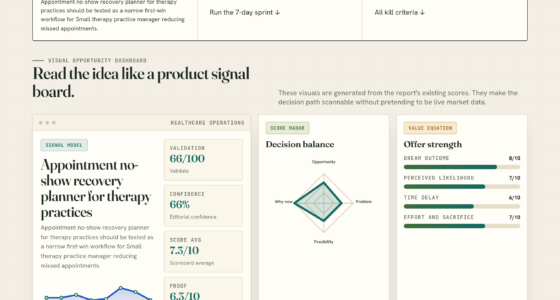
📊 Full opportunity report: Find Your Words With A Voice Journal For Mothers on IdeaNavigator AI — validation score, market gap, and execution plan.

Get business pricing on monitors, keyboards and dev gear
- Business-only prices and quantity discounts
- Tax-exempt purchasing
- Multiple users, one account, clear invoices
TL;DR
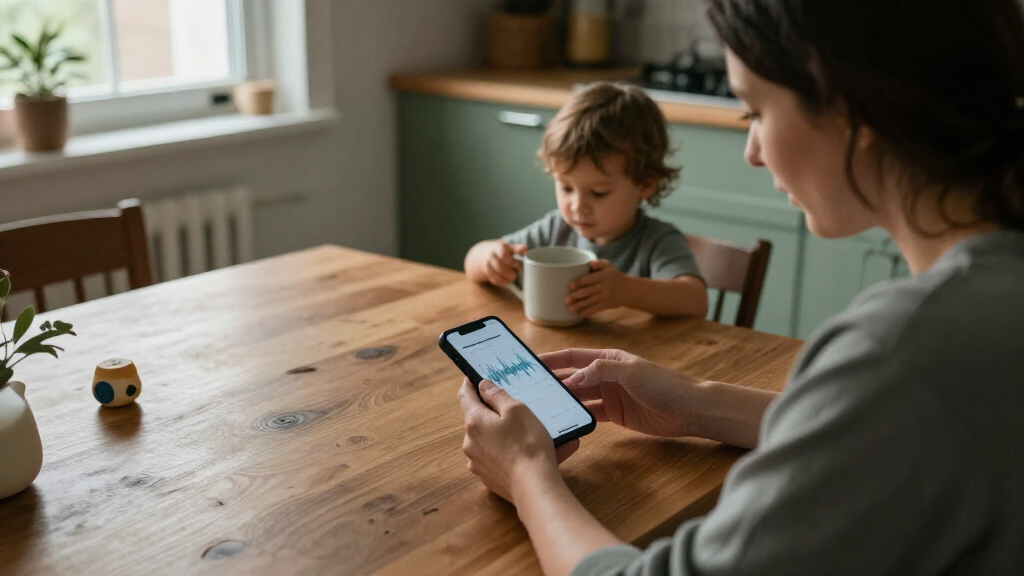
IdeaNavigator AI has proposed a voice journal for mothers, designed to capture personal experiences through short recordings and turn them into reflections and keepsake books. The proposal outlines a possible test with 200 new mothers, but it does not confirm that an app has launched, that a company is building it, or that the concept has been validated.
IdeaNavigator AI has outlined a proposed voice-journaling app for mothers, aimed at recording their personal experiences when caring for a baby leaves little time to type. The concept describes one-tap audio capture, transcribed entries and later reflections, but does not announce a launched product or confirm that development or user testing has begun.
The proposal focuses on a specific use case: a mother who has no hands free and wants to preserve thoughts and moments beyond a child’s feeding schedule or developmental milestones. It argues that many baby apps prioritize information about the baby, while a mother’s own account of changes in identity, relationships and daily life can go unrecorded when typing is impractical. That description is the concept’s rationale, not a finding supported with research data in the proposal.
The suggested minimum viable product would let users make a one-tap voice recording during activities such as feeding or walking. The app would transcribe entries, tag emotional themes and produce weekly reflections intended to surface patterns. It could also bring older entries back on milestone anniversaries and compile recordings into private yearly books.
For revenue, IdeaNavigator AI suggests a subscription, with printed books sold as an additional purchase. Its proposed validation plan is to launch a test with 200 new mothers, track entries per week through month three and assess printed-book purchases around a child’s first birthday. These are suggested product and research steps; no participant recruitment, results, pricing or release schedule is provided.
Recording Mothers’ Experiences
The idea addresses a different job from a conventional baby tracker: preserving the parent’s own memories and reflections rather than primarily logging the child’s care. If the proposed workflow proves useful, hands-free recording could lower the effort needed to keep a personal journal during a period when routines are demanding. The suggested reflections and anniversary prompts would also give users ways to revisit entries rather than leaving them as an archive of audio files.
For readers, the distinction between a product opportunity and a proven benefit matters. The proposal points to maternal well-being and personal memory-keeping as possible reasons people might use such a service, but it supplies no evidence that the app improves mental health, strengthens relationships or reliably helps mothers retain memories. Whether users would record regularly, welcome emotional-theme labels or pay for printed books remains to be tested.
guided journal for new mothers postpartum reflections
As an affiliate, we earn on qualifying purchases.
As an affiliate, we earn on qualifying purchases.
From Baby Tracking to Journaling
The concept is framed within the motherhood wellness apps market. Its central product distinction is to put the mother’s experience at the center, rather than limiting an app to baby milestones and care records. The proposal says improvements in speech-to-text and greater awareness of maternal mental health make the idea timely, but it does not cite particular technology benchmarks, studies or market figures to substantiate those points.
Its proposed path is staged: first test whether new mothers record entries consistently, then examine whether they buy a printed collection at the child’s first birthday. Weekly entries through month three would provide an early measure of continued use, while book conversion would test a later revenue opportunity. No comparison group, success threshold or detailed test design is specified.
motherhood memory book pregnancy and baby's first year
As an affiliate, we earn on qualifying purchases.
As an affiliate, we earn on qualifying purchases.
Product and Evidence Still Pending
No launch, developer, or testing results are confirmed in the proposal. It does not identify a product name, a team responsible for building the app, an app-store release, or a date for the suggested 200-person test. It is also unclear whether any prototype exists or whether the proposed features have been assessed with mothers.
Several practical questions remain open: how recordings and transcripts would be stored and protected; whether users could edit or delete entries; how emotional themes would be assigned; and whether private books would remain under the user’s control. The proposal gives no subscription price, printed-book cost, accessibility details or explanation of how the service would respond if an entry raised a concern about a user’s well-being. Its references to speech-to-text capability and maternal mental-health awareness are framing claims, not quantified evidence in the document.
portable voice recorder one touch recording
As an affiliate, we earn on qualifying purchases.
As an affiliate, we earn on qualifying purchases.
Testing Would Establish Demand
The next stated step is a proposed test with 200 new mothers. If carried out, the plan would measure recording frequency through the third month and check printed-book purchases around the first birthday. Those measures could indicate whether the basic capture habit persists and whether some users want a physical keepsake, though the proposal does not set targets that would count as success.
Until a test, product announcement or results are reported, the concept should be treated as an early product proposal, not an available service. Any future update would need to establish whether an app is being built, what privacy protections and pricing it offers, and whether mothers use it often enough to support the subscription and book model.
Source: IdeaNavigator AI
custom printed photo book baby first year memories
As an affiliate, we earn on qualifying purchases.
As an affiliate, we earn on qualifying purchases.
Key Questions
Has the voice journal app launched?
No launch is confirmed. The available information outlines a product concept and proposed features, without a release date or evidence that an app is available.
What would the proposed app do?
It would let mothers record short voice entries, transcribe them, tag emotional themes and receive weekly reflections. The concept also suggests resurfacing entries on milestone anniversaries and compiling them into private yearly books.
Who is the proposed app for?
The target user is described as a mother with limited time or free hands who wants to record her own experiences alongside, or beyond, information about her baby.
How would the idea be tested?
IdeaNavigator AI proposes testing with 200 new mothers, tracking entries per week through month three and checking printed-book purchases around the child’s first birthday. No test results or recruitment details are reported.
What remains unknown about the service?
It is not known whether a product is being developed, how recordings would be stored, what a subscription or printed book would cost, or whether users would keep recording over time.
Source: IdeaNavigator AI
Halloween Picks
halloween
As an affiliate, we earn on qualifying purchases.