
TL;DR

Get business pricing on monitors, keyboards and dev gear
- Business-only prices and quantity discounts
- Tax-exempt purchasing
- Multiple users, one account, clear invoices
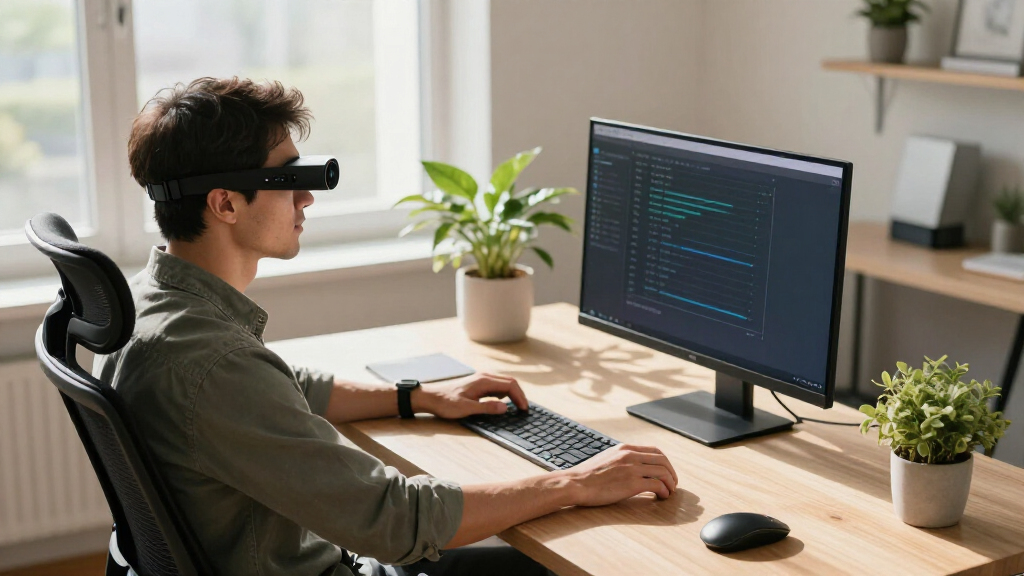
A webcam eye monitoring application is being piloted to help remote knowledge workers manage screen fatigue. It tracks blink rate and prompts breaks, aiming to improve eye comfort without sending video data externally.
A new webcam-based eye monitoring application is being tested to help remote workers reduce eye strain by tracking blink rate and prompting regular breaks. This development responds to increased screen time during remote and hybrid work setups, aiming to provide an objective signal of eye fatigue and promote healthier screen habits.
The proposed application uses on-device computer vision to estimate blink rate and monitor screen distance without transmitting video data externally. It logs daily eye comfort scores and nudges users to take a 20-20-20 break when blinking drops below a certain threshold. The system is designed as a subscription service targeting individuals and small remote teams, with a pilot involving twenty workers scheduled to run for two weeks.
According to IdeaNavigator AI, this initiative seeks to validate whether real-time blink monitoring can effectively reduce symptoms like dry eyes and headaches associated with prolonged screen use. The pilot will assess improvements in self-reported eye comfort and break adherence, with the goal of establishing a scalable solution for digital eye health.
Potential Impact on Remote Work Eye Health
This development could offer a practical, accessible solution to a widespread problem faced by remote workers. By providing objective feedback and encouraging healthier screen habits, the app may reduce the incidence of digital eye strain, which affects millions globally. Its success could lead to broader adoption of on-device eye health monitoring tools, improving overall well-being for knowledge workers and reducing healthcare costs related to eye problems.
As an affiliate, we earn on qualifying purchases.
Growing Need for Screen Fatigue Solutions
Remote and hybrid work arrangements have significantly increased daily screen time, intensifying issues like dry eyes, headaches, and visual fatigue. Current approaches largely rely on self-awareness and manual breaks, which are often ignored or delayed until symptoms worsen. Existing solutions include software reminders and ergonomic advice, but these lack objective, real-time monitoring of eye health. The advent of on-device computer vision now enables more precise, privacy-preserving tracking of blink rate and screen distance, creating new opportunities for preventive eye care tools.
“Using on-device computer vision, we can estimate blink rate without sending any video data externally, making it a privacy-friendly way to promote eye health.”
— an anonymous researcher
As an affiliate, we earn on qualifying purchases.
Uncertainties Around Effectiveness and Adoption
It is not yet clear how effective the blink-based nudges will be in reducing symptoms of eye strain over the long term. The pilot is limited to twenty participants for two weeks, and results remain preliminary. Additionally, user acceptance and consistent use of the app in real-world settings are still unknown, as is the potential for integration into broader workplace wellness programs.
blue light blocking glasses for computer
As an affiliate, we earn on qualifying purchases.
As an affiliate, we earn on qualifying purchases.
Next Steps in Validation and Deployment
The immediate next step is completion of the two-week pilot, followed by analysis of user feedback and eye comfort scores. If results are positive, developers plan to refine the app and expand testing to larger groups. They also aim to explore integration with existing remote work tools and seek partnerships with organizations interested in digital eye health solutions. Further research will determine the long-term benefits and scalability of this approach.
ergonomic webcam with eye monitoring
As an affiliate, we earn on qualifying purchases.
As an affiliate, we earn on qualifying purchases.
Key Questions
How does the webcam eye monitoring app work?
The app uses on-device computer vision to estimate blink rate and monitor screen distance, then prompts users to take breaks when blinking drops below a healthy threshold.
Is my video data sent anywhere when using this app?
No, the system processes all visual data locally on the device, ensuring user privacy and data security.
When will this technology be available for general use?
The technology is currently in pilot testing; broader availability depends on pilot outcomes and further development, which could take several months.
Can this app replace traditional ergonomic advice?
It is designed to complement ergonomic practices by providing objective, real-time feedback on eye health, not replace existing guidelines.
Will this work on all types of webcams?
The app is optimized for standard webcams with sufficient resolution and frame rate, but compatibility details are still being finalized.
Source: IdeaNavigator AI
Halloween Picks
halloween
As an affiliate, we earn on qualifying purchases.