🔍 Read the full analysis: China Orbits Satellite AI Compute Node With SenseTime And Zhipu AI Backing on ThorstenMeyerAI.com

Get monitors, keyboards and dev gear delivered free — and shop member deals
- Fast, free delivery on millions of items
- Access to Prime Big Deal Days deals on October 6–7
- Prime Video, Amazon Music and more included
TL;DR
A Tech Times headline reports that China has placed an AI compute node in orbit with backing from SenseTime and Zhipu AI. The available material does not confirm the launch date, spacecraft, companies’ roles or whether the system has processed workloads in space.
A Tech Times headline, as detailed in the original analysis, reports that China has placed an AI compute node in orbit with backing from SenseTime and Zhipu AI. The material available for this report contains no article body or corroborating mission details, leaving the launch, the companies’ roles and the system’s operating status unconfirmed.
The Tech Times headline identifies an orbital AI compute node in China and names SenseTime and Zhipu AI as backers. It also describes the companies as US-sanctioned, but the headline provides no detail on which restrictions it means or how they relate to the project. No dated launch record, spacecraft name or operator is identified in the material provided.
The headline’s word “backed” does not specify what either company contributed. The available Tech Times material does not establish whether they provided software, hardware, financing, technical work or another form of support. It includes no statements from the companies, Chinese officials or a satellite operator.
The report material contains no specifications for the node’s computing capacity, power supply or communications links. It does not say whether the payload is functioning, has processed AI workloads or is part of a demonstration or an ongoing service. The headline is evidence of what Tech Times reported, not independent confirmation of an operational system.
What Orbital AI Could Change
If confirmed and operational, an AI compute node in orbit could test whether some data can be analyzed closer to where it is collected by satellites and other space-based systems. In principle, that might reduce the amount of information that needs to be transmitted to Earth before analysis. The Tech Times headline does not show that this node has achieved that result.
The project’s practical value would depend on details that are not available in the Tech Times material, including power, computing capacity and communications, as well as the workloads it can run and the mission results. Without those details, it is not possible to judge whether the reported node is a limited experiment or a useful service.
The sanctions reference in the headline also raises questions about the project’s commercial and regulatory setting. The headline alone does not identify the relevant restrictions, entities or activities, and it does not establish how either company’s reported backing relates to them. Those points require specific documentation before any conclusions can be drawn.
As an affiliate, we earn on qualifying purchases.
What the Available Report Says
The material provided identifies the item as a Tech Times report, but contains only its headline. It gives no publication date, account of a launch or link to a named mission or spacecraft. As a result, the timing and circumstances of the reported orbiting cannot be established from the available source material.
In the Tech Times headline, the description of the companies as backers does not define their involvement. That distinction matters: a financial contribution, technical role and supply of software or hardware would describe different relationships. No company statements or mission documents are included in the material provided to clarify which, if any, applies.
The headline also labels SenseTime and Zhipu AI as subject to US sanctions, but offers no explanation of the designations or their relevance to the reported node. The available material substantiates this only as wording in the Tech Times headline.
As an affiliate, we earn on qualifying purchases.
Launch and Payload Status Unclear
The available Tech Times material does not identify the launch date, satellite, operator or orbit. It does not confirm that the node is operating or that it has processed AI workloads in space. Its hardware, power source, communications system, capacity and intended users are also unspecified.
The nature of SenseTime’s and Zhipu AI’s involvement remains unclear, as do the sanctions cited in the headline and their connection to the project. The material includes no direct comments, technical disclosures, mission records or independent observations. A fuller report or corroborating documentation could resolve these gaps; until then, the operational and regulatory implications cannot be assessed.
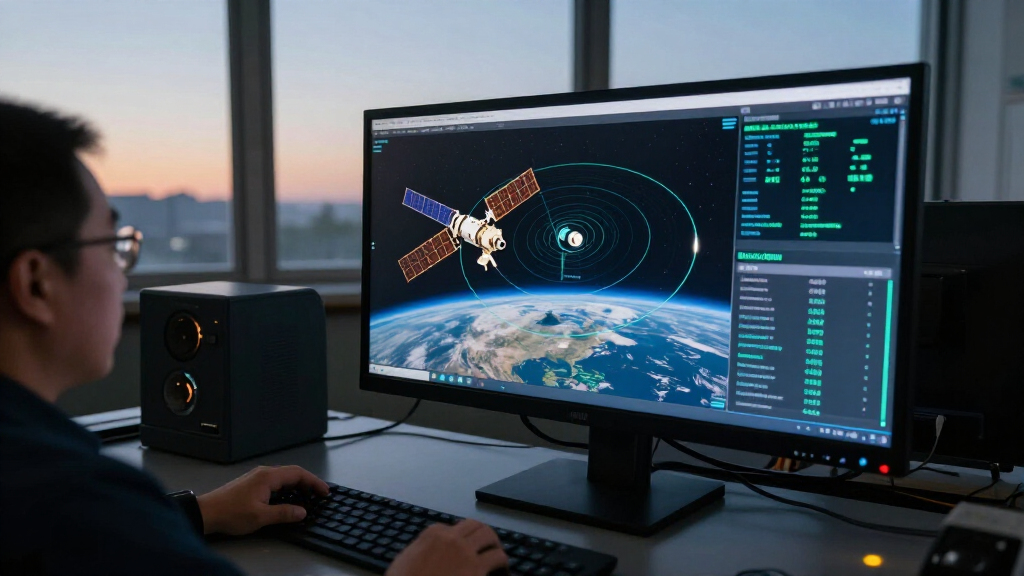
orbital satellite processing device
As an affiliate, we earn on qualifying purchases.
As an affiliate, we earn on qualifying purchases.
Evidence Needed to Verify the Mission
Useful confirmation would include a dated launch record or mission announcement identifying the spacecraft and operator, followed by evidence that the payload entered service. Technical information on its hardware, power, communications and intended workloads would help show what the node can do. None of these details appears in the Tech Times material provided.
Statements from SenseTime and Zhipu AI could clarify what “backed by” means in this case. Documentation identifying the relevant sanctions and explaining their connection to the project would help readers assess that part of the headline. No such follow-up or confirmation is included in the available material.
As an affiliate, we earn on qualifying purchases.
Key Questions
What does the report say happened?
A Tech Times headline reports that China has orbited an AI compute node backed by SenseTime and Zhipu AI. The available material does not include supporting launch or mission details.
Is the node confirmed to be operating?
No operating status is confirmed in the material provided. It does not say whether the system has processed AI workloads in orbit.
Did SenseTime and Zhipu AI build the satellite?
That is not established. The headline calls them backers but does not explain whether they contributed financing, software, hardware, technical work or another form of support.
What is known about the satellite’s hardware?
No hardware specifications are available here. The account does not identify computing capacity, power supply, communications links, orbit or intended users.
What does the sanctions reference establish?
The headline describes SenseTime and Zhipu AI as US-sanctioned, but the available material does not identify the restrictions or explain how they relate to the project.
Primary source: SenseTime · via ThorstenMeyerAI.com
Halloween Picks
halloween
As an affiliate, we earn on qualifying purchases.