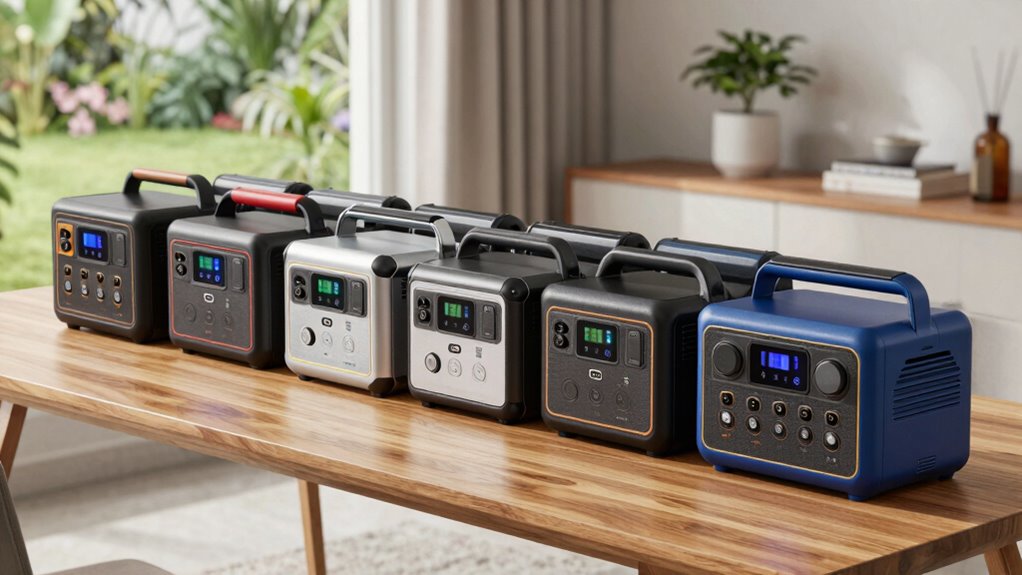
When choosing portable power stations for home backup, the key considerations are capacity, portability, and versatility. The BLUETTI AC180 stands out as the best overall for its large capacity and durable LiFePO4 battery. The EF ECOFLOW Delta 3 Classic offers a powerful, fast-charging option for emergencies, while the Jackery Explorer 300 is ideal for small-scale backup needs and portability. The main tradeoffs involve balancing size, weight, and power output. Keep reading for a detailed analysis of the top options, their strengths, and tradeoffs to find the best fit for your home backup needs.

Get business pricing on monitors, keyboards and dev gear
- Business-only prices and quantity discounts
- Tax-exempt purchasing
- Multiple users, one account, clear invoices
Complete the kit


Key Takeaways
- The best portable power stations for home backup balance capacity and portability, with larger units ideal for whole-home backup and smaller units suited for essential devices.
- LiFePO4 batteries are favored for their longevity and safety, particularly in larger models designed for frequent use.
- High wattage outputs are crucial for powering larger appliances, but may come with increased size and weight, affecting portability.
- Solar compatibility varies widely; the most versatile models support fast recharging via solar, which is a key advantage during extended outages.
- Price often correlates with capacity and features, but the most expensive options aren’t always necessary for basic backup needs.
| BLUETTI AC180 Portable Power Station 1152Wh LiFePO4 Solar Generator |  | Best Overall for Home Backup and Outdoor Versatility | Battery Capacity: 1152Wh | Battery Type: LiFePO4 | Charging Time: 1 hour (AC input) | VIEW ON AMAZON | See Our Full Breakdown |
| EF ECOFLOW Portable Power Station Delta 3 Classic, 1024Wh, 1800W AC |  | Best for Smart Control and Long-Term Reliability | Capacity: 1024Wh | Output Power: 1800W | Surge Power: 3600W | VIEW ON AMAZON | See Our Full Breakdown |
| Jackery Explorer 300 Portable Power Station, 292Wh |  | Best for Lightweight Portability and Versatile Camping Use | Capacity: 292Wh | Weight: 7.5 lbs | Outlets: 2 AC, 1 USB-C PD, 2 USB-A, 1 Car port | VIEW ON AMAZON | See Our Full Breakdown |
| Jackery Explorer 1000 v2 Portable Power Station, 1070Wh, 1500W |  | Best for Extended Outdoor Power and Long-Term Use | Capacity: 1070Wh | AC Output: 1500W | Surge Peak: 3000W | VIEW ON AMAZON | See Our Full Breakdown |
| Jackery HomePower 3600 Plus Power Station, 3584Wh, 3600W AC Output |  | Best for Whole-Home Backup and Large Power Needs | Capacity: 3584Wh | Power Output: 3600W | Voltage: 120V & 240V in parallel | VIEW ON AMAZON | See Our Full Breakdown |
| DaranEner Portable Power Station 192Wh LiFePO4 Battery Backup Solar Generator with 2 300W AC Outlets, USB-C PD 60W Fast Charge, Emergency Power Bank for Camping, Outdoor, Home |  | Best Overall for Compact Home Backup | Capacity: 192Wh | AC Outlets: 2 (300W each, peak 600W) | USB-C PD: 60W | VIEW ON AMAZON | See Our Full Breakdown |
| MARBERO Portable Power Station 88Wh, 120W Surge, Solar Generator 24,000mAh |  | Best for Lightweight Outdoor Use and Emergencies | Capacity: 88Wh | Output Wattage: 80W | Battery Type: LiFePO4 | VIEW ON AMAZON | See Our Full Breakdown |
| Anker SOLIX S2 Portable Power Station, 2010Wh, 1500W |  | Best for High-Capacity Home Backup | Capacity: 2010Wh | Continuous Power: 1500W | Peak Power: 3000W | VIEW ON AMAZON | See Our Full Breakdown |
| ALLWEI Portable Power Station 300W, 256Wh Solar Generator LiFePO4 Battery |  | Best for Versatile Emergency and Outdoor Power | Capacity: 256Wh | Continuous Power: 300W | Peak Surge Power: 600W | VIEW ON AMAZON | See Our Full Breakdown |
| LIBRIDS Portable Power Station 640Wh, 1200W Surge, Solar Generator with 4 AC Outlets |  | Best for Heavy-Duty Home Backup and Outdoor Power | Capacity: 640Wh | Surge Power: 1200W | Rated Power: 600W | VIEW ON AMAZON | See Our Full Breakdown |
| Portable Solar Generator 300W with 60W Solar Panel | 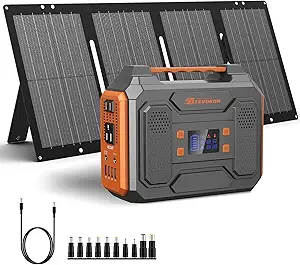 | Best Compact Outdoor Power for Off-Grid Adventures | Power Output: 300W | Solar Panel: 60W foldable monocrystalline | Battery Capacity: Big battery pack (exact capacity not specified) | VIEW ON AMAZON | See Our Full Breakdown |
| ABOK Ark3600 Portable Power Station with 200W Solar Panel |  | Best for Long-Lasting Home Backup with Expandability | Capacity: 3840Wh (expandable to 11520Wh) | Battery Type: LiFePO₄ | Lifespan: Over 4000 cycles, up to 10 years | VIEW ON AMAZON | See Our Full Breakdown |
| Portable Power Station 500W, 519.48Wh Solar Generator Backup |  | Best for Compact Emergency Power and Essential Device Charging | Wattage: 519.48Wh | Output Wattage: 500W | Additional Features: Fast USB-C PD 60W, QC 3.0, BMS safety | VIEW ON AMAZON | See Our Full Breakdown |
| Anker SOLIX C2000 Gen 2 Portable Power Station, 2048Wh, 2400W, Camping |  | Best for Fast Recharge and High Power for Outdoor Use | Capacity: 2048Wh | Rated Power: 2400W | Peak Power: 4000W | VIEW ON AMAZON | See Our Full Breakdown |
| Anker SOLIX C1000 Gen 2 Portable Power Station |  | Best Compact High-Capacity Backup for Emergency and Off-Grid Use | Capacity: 1024Wh | Rated Power: 2000W | Peak Power: 4000W | VIEW ON AMAZON | See Our Full Breakdown |
| portable power stations for home backup | Capacity | Battery Type | Weight |
|---|---|---|---|
| BLUETTI AC180 Portable Power S | — | LiFePO4 | not specified |
| EF ECOFLOW Portable Power Stat | 1024Wh | LiFePO4 | 26.7 pounds |
| Jackery Explorer 300 Portable | 292Wh | — | 7.5 lbs |
| Jackery Explorer 1000 v2 Porta | 1070Wh | LFP | 23.8 lbs |
| Jackery HomePower 3600 Plus Po | 3584Wh | — | 77.2 pounds |
| DaranEner Portable Power Stati | 192Wh | LiFePO4 | — |
| MARBERO Portable Power Station | 88Wh | LiFePO4 | 1.04 kg |
| Anker SOLIX S2 Portable Power | 2010Wh | LiFePO4 | — |
| ALLWEI Portable Power Station | 256Wh | LiFePO4 | — |
| LIBRIDS Portable Power Station | 640Wh | LiFePO4 | — |
| Portable Solar Generator 300W | — | — | — |
| ABOK Ark3600 Portable Power St | 3840Wh (expandable to 11520Wh) | LiFePO₄ | — |
| Portable Power Station 500W | — | — | 14.1 pounds |
| Anker SOLIX C2000 Gen 2 Portab | 2048Wh | — | 41.7 lb |
| Anker SOLIX C1000 Gen 2 Portab | 1024Wh | — | not specified |
More Details on Our Top Picks
BLUETTI AC180 Portable Power Station 1152Wh LiFePO4 Solar Generator
The BLUETTI AC180 stands out for combining high capacity with rapid charging, making it a dependable choice for both home backup and outdoor adventures. Its 1152Wh LiFePO4 battery can be recharged fully in just 1 hour, surpassing many competitors like the EF ECOFLOW Delta 3, which takes longer to recharge. While the AC180’s weight isn’t specified, it’s likely on the heavier side, which could impact portability. Its ability to support solar input up to 500W adds an eco-friendly edge, though it requires an external solar panel. Compared with models like the Jackery Explorer 1000, it offers a larger capacity and faster recharge, but at the potential cost of increased weight and complexity. This makes the AC180 well-suited for users prioritizing quick recharge and high capacity, especially during extended power outages or outdoor use.
Pros:- Rapid 1-hour full recharge capability
- High capacity suitable for multiple devices
- Supports solar charging up to 500W
- Can be upgraded to higher output (up to 2700W)
Cons:- Weight not specified, may be heavy for portability
- Requires external solar panel for solar charging
- Limited details on size and portability
Best for: Homeowners seeking a reliable, fast-charging backup with solar support and outdoor versatility
Not ideal for: Lightweight travelers or those needing ultra-portable options due to potential weight and size
- Battery Capacity:1152Wh
- Battery Type:LiFePO4
- Charging Time:1 hour (AC input)
- Maximum Output:1800W (upgradable to 2700W)
- Solar Input:500W
- Weight:not specified
Our verdict“This is a strong pick for users who need fast recharging and high capacity in a versatile, eco-friendly portable power station.”
EF ECOFLOW Portable Power Station Delta 3 Classic, 1024Wh, 1800W AC
The EF ECOFLOW Delta 3 Classic offers a compelling mix of capacity and smart features, including an app for remote monitoring and control, which makes it ideal for tech-savvy users. Its 1024Wh battery and 1800W rated output are competitive, though it trails the Jackery Explorer 1000 in pure capacity. The Delta 3’s 45-minute recharge to 80% is faster than many, including the Jackery Explorer 300, but its 26.7-pound weight still makes it a bit bulky for everyday portability. The UPS function adds a layer of protection for sensitive electronics, making it well-suited for home backup scenarios. Compared with the BLUETTI AC180, it offers slightly less capacity but more advanced control features, appealing to users who value smart management over maximum power capacity.
Pros:- Smart app control for monitoring and management
- Fast recharge to 80% in 45 minutes
- UPS feature for seamless power backup
- Long battery life of over 10 years
Cons:- Relatively heavy at 26.7 pounds
- Limited to 120V outlets, restricting some larger appliances
- Slightly lower capacity than some competitors
Best for: Tech-oriented homeowners wanting app control and reliable long-term backup
Not ideal for: Users seeking ultra-lightweight options or higher capacity for large appliances
- Capacity:1024Wh
- Output Power:1800W
- Surge Power:3600W
- Charging Time:45 minutes to 80%
- Battery Type:LiFePO4
- Weight:26.7 pounds
Our verdict“Ideal for tech-savvy users seeking a smart, reliable backup with fast recharging and surge protection.”
Jackery Explorer 300 Portable Power Station, 292Wh
The Jackery Explorer 300 excels as a lightweight, portable backup for small devices, weighing only 7.5 pounds. Its 292Wh capacity is ideal for camping, emergency phone charging, or short-term power outages, but it falls short for running larger appliances. Compared to the BLUETTI AC180 or Jackery Explorer 1000, it offers significantly less capacity, making it unsuitable for extended outages or high-wattage devices. Its durable LiFePO4 battery provides over 4,000 charge cycles, promising long-term reliability, but solar charging requires an additional panel (not included). Its multiple outlets, including USB-C and car ports, make it versatile for small electronics, but the limited power output caps its use to low-wattage devices. This choice is perfect for users prioritizing weight and convenience over capacity.
Pros:- Extremely lightweight and portable
- Multiple charging options including USB-C
- Long-lasting LiFePO4 battery with over 4,000 cycles
- Fast solar charging (with panel)
Cons:- Limited capacity makes it unsuitable for high-power appliances
- Solar panel not included
- Rated for only 300W output
Best for: Campers or emergency kit users needing lightweight, portable charging for small devices
Not ideal for: Homeowners needing to power large appliances or during extended outages
- Capacity:292Wh
- Weight:7.5 lbs
- Outlets:2 AC, 1 USB-C PD, 2 USB-A, 1 Car port
- Charge Cycles:Over 4,000
- Peak Surge Power:600W
- Charging Time (solar):Approximately 2.8 hours
Our verdict“Best suited for lightweight, portable needs such as camping or quick emergency power for small devices.”
Jackery Explorer 1000 v2 Portable Power Station, 1070Wh, 1500W
The Jackery Explorer 1000 v2 offers a substantial 1070Wh capacity with quick charging, making it suitable for longer outdoor adventures or backup scenarios. Its 1500W AC output supports most household electronics, though it doesn’t quite match the larger capacity of the Jackery HomePower 3600 Plus. The device’s fast recharge in 1 hour is a significant advantage over many competitors, including the EF ECOFLOW Delta 3. Weighing 23.8 pounds, it balances portability with power, but solar compatibility is limited to Jackery panels, which could be restrictive. Its durable LFP battery and 4,000 charge cycles ensure long-term reliability, but the limited number of ports might restrict device variety. This makes it ideal for users who need high-capacity power on the go but are willing to invest in compatible solar gear.
Pros:- High capacity with 1070Wh for extended use
- Fast 1-hour recharge time
- Long-lasting LFP battery with over 4,000 cycles
- Multiple ports including USB-C and AC
Cons:- Solar compatibility limited to Jackery panels
- Relatively heavy at 23.8 pounds
- Limited ports for diverse device needs
Best for: Outdoor enthusiasts or homeowners needing reliable, high-capacity backup with quick recharge
Not ideal for: Users needing a lighter, more portable solution for brief outages or minimal device charging
- Capacity:1070Wh
- AC Output:1500W
- Surge Peak:3000W
- Charging Time:1 hour (fast charging)
- Battery Type:LFP
- Weight:23.8 lbs
Our verdict“This is a solid choice for users demanding high capacity and quick recharging in a portable design, especially for outdoor use.”
Jackery HomePower 3600 Plus Power Station, 3584Wh, 3600W AC Output
The Jackery HomePower 3600 Plus is designed to handle serious backup demands, with a massive 3584Wh capacity and 3600W output capable of powering large household appliances. Its expandable capacity up to 21kWh offers flexibility for prolonged outages or whole-house backup. Although it weighs 77.2 pounds, its built-in wheels and telescopic handle ease transportation—important considering its size. The multiple charging options, including solar, AC, DC, and even gas generator input, provide unmatched versatility. Compared with smaller models like the Explorer 1000, it’s less portable but more capable of handling critical home systems. The high initial cost and setup complexity might deter casual users, but for those seeking a reliable, long-term backup solution, this model shines.
Pros:- Large 3584Wh capacity for long backup periods
- Expandable up to 21kWh for whole-house coverage
- Multiple charging options including solar, gas, and AC
- Wheels and telescopic handle for mobility
Cons:- Heavy at 77.2 pounds, reducing portability
- High initial cost
- Setup may be complex for some users
Best for: Homeowners needing a robust, expandable backup system for critical appliances during outages
Not ideal for: People requiring lightweight, portable units for occasional, short-term use
- Capacity:3584Wh
- Power Output:3600W
- Voltage:120V & 240V in parallel
- Weight:77.2 pounds
- Number of Outlets:2
- Cycles:6,000
Our verdict“This is the best option for those needing a high-capacity, expandable backup system for full home coverage during outages.”
DaranEner Portable Power Station 192Wh LiFePO4 Battery Backup Solar Generator with 2 300W AC Outlets, USB-C PD 60W Fast Charge, Emergency Power Bank for Camping, Outdoor, Home
This DaranEner model stands out for its long-lasting LiFePO4 battery, offering over 3500 cycles, which surpasses many portable options like the MARBERO and ALLWEI in durability. Its 192Wh capacity is ideal for powering essential devices during outages or outdoor trips but limits its ability to handle high-wattage appliances compared to larger units like the Anker SOLIX S2. The multiple outlets, including USB-C PD and AC, make it highly versatile, though it can’t support devices exceeding 300W—so it’s best for small electronics. Its lightweight design and built-in LED flashlight add convenience for emergency use, but the lack of solar panel and car cable inclusion might be inconvenient. Overall, this pick makes the most sense for users prioritizing durability, portability, and multiple charging options for small to medium devices during outages or outdoor activities.
Pros:- Long-lasting LiFePO4 battery with over 3500 cycles
- Multiple recharging options including solar, AC, and car
- Lightweight and compact with a built-in LED flashlight
Cons:- Limited to devices under 300W, unsuitable for high-power appliances
- Solar panel and car charging cables are not included
Best for: Homeowners who need a reliable, durable backup for essential small electronics and outdoor adventurers seeking portability.
Not ideal for: Those looking to power high-wattage appliances or require larger capacity for extended outages, as it can’t handle heavy-duty loads.
- Capacity:192Wh
- AC Outlets:2 (300W each, peak 600W)
- USB-C PD:60W
- Battery Type:LiFePO4
- Cycle Life:3500+ cycles
- Input Charging Power:Max 100W (AC), Max 60W (solar)
Our verdict“This portable station offers excellent durability and versatility for users needing reliable backup power for small devices during outages or outdoor use.”
MARBERO Portable Power Station 88Wh, 120W Surge, Solar Generator 24,000mAh
The MARBERO 88Wh unit excels in portability, making it a favorite for camping, travel, and quick emergency needs, especially compared to bulkier options like the Anker SOLIX S2. Its compact size and weight of just over a kilogram make it highly portable, though its 88Wh capacity limits its use to small devices and short-term backup. The 80W output, with 120W surge, is enough for phones, tablets, and small gadgets, but it won’t power larger appliances or multiple devices simultaneously for extended periods. The inclusion of multiple ports, including USB-C PD, enhances its versatility, and the bright LED flashlight adds emergency value. However, since solar panels are sold separately and capacity is limited, it’s less suited for prolonged power outages or high-demand scenarios. This model fits best for users who prioritize portability and quick recharging for low-power devices outdoors or in emergencies.
Pros:- Ultra-lightweight and compact design for portability
- Multiple output ports including USB-C PD
- Bright LED flashlight with SOS mode
Cons:- Limited capacity restricts heavy-duty or prolonged use
- Solar panel not included, requiring additional purchase
Best for: Outdoor enthusiasts, travelers, and emergency kitners needing a lightweight, reliable power source for small electronics.
Not ideal for: Users expecting to power larger appliances or needing extended backup during prolonged outages, due to its limited capacity.
- Capacity:88Wh
- Output Wattage:80W
- Battery Type:LiFePO4
- Cycle Life:24,000mAh
- Weight:1.04 kg
- Dimensions:6.5″L x 4.6″W x 3.1″H
Our verdict“This small, portable power station is perfect for quick, low-power device charging during outdoor trips or brief emergencies.”
Anker SOLIX S2 Portable Power Station, 2010Wh, 1500W
The Anker SOLIX S2 offers a significant leap in capacity and power, featuring 2010Wh and 1500W continuous output, making it suitable for powering larger home essentials like refrigerators and small appliances for hours—something smaller units like the LIBRIDS or ALLWEI struggle with. Its lithium iron phosphate (LiFePO4) battery ensures over 10,000 cycles, promising longevity for regular backup use. While it’s still portable compared to traditional generators, its 35.7 lbs weight and sizable footprint mean it’s less convenient for frequent outdoor portability. The absence of a 12V DC port is a minor drawback for some users, and its maximum 400W solar input limits rapid recharging. This model makes sense for homeowners wanting a reliable, high-capacity backup that balances portability with substantial power supply for longer outages.
Pros:- High capacity of 2010Wh for extended backup power
- Supports multiple recharging methods, including solar
- LiFePO4 battery with over 10,000 cycles for longevity
Cons:- No 12V DC port included, limiting some device compatibility
- Limited to 1500W continuous power, not suitable for high-wattage appliances
Best for: Homeowners seeking a high-capacity, durable backup for essential appliances during power outages with moderate portability needs.
Not ideal for: Users requiring ultra-lightweight or ultra-compact units for frequent outdoor use, as this unit is heavier and bulkier.
- Capacity:2010Wh
- Continuous Power:1500W
- Peak Power:3000W
- Battery Type:LiFePO4
- Cycle Life:10,000 cycles
- Recharging Power:Up to 400W solar
Our verdict“This high-capacity station is ideal for homeowners needing reliable, longer-term backup power with reasonable portability for essential appliances.”
ALLWEI Portable Power Station 300W, 256Wh Solar Generator LiFePO4 Battery
The ALLWEI 256Wh station combines a solid capacity with multiple output options, supporting up to six devices at once, which makes it more versatile than smaller counterparts like the MARBERO. Its 300W continuous power is enough for most small appliances, and the inclusion of multiple ports—including AC, DC, USB-A, and USB-C—enhances its flexibility for camping, emergency, or off-grid use. Its LiFePO4 battery promises 3000+ cycles, ensuring longevity over many recharges. While it’s slightly heavier and larger than ultra-portables, its balanced size is suitable for both outdoor trips and backup in a home setting. The main limitation is its moderate capacity, which might require frequent recharging during extended outages. Overall, this is a dependable middle ground for users needing both capacity and portability with multiple device support.
Pros:- Supports up to six devices simultaneously
- Long-lasting LiFePO4 battery with 3000+ cycles
- Multiple output options including AC, DC, USB-C, and USB-A
Cons:- Limited capacity for extended or high-wattage use
- Weight and size are less portable than smaller models
Best for: Outdoor enthusiasts and emergency preparedness fans needing a reliable power source with multiple outlets for various devices.
Not ideal for: Those expecting to power large appliances or needing long-term backup power, due to its modest capacity.
- Capacity:256Wh
- Continuous Power:300W
- Peak Surge Power:600W
- Battery Type:LiFePO4
- Cycle Cycles:3000+
- Recharging Methods:AC, solar, car
Our verdict“A well-rounded portable power station offering multiple outlets and good durability for outdoor and emergency use, but not suited for heavy-duty appliance backup.”
LIBRIDS Portable Power Station 640Wh, 1200W Surge, Solar Generator with 4 AC Outlets
The LIBRIDS 640Wh unit stands out for its substantial 1200W surge capacity, making it capable of supporting larger appliances like refrigerators and multiple small devices simultaneously—something smaller units like the ALLWEI or MARBERO can’t handle. Its 600W rated power strikes a good balance for common household backup needs, and the four AC outlets increase its versatility for multi-device use. The pure sine wave inverter ensures safe operation for sensitive electronics, and the fast 1.5-hour charging time via AC is impressive. However, its weight and size make portability less convenient, and detailed specs on weight are missing, which could influence mobility. This model is a strong choice for users who want a portable yet powerful backup for home essentials and outdoor projects alike.
Pros:- High capacity of 640Wh for extended backup
- Supports multiple devices with four AC outlets
- Fast charging in just 1.5 hours
Cons:- Heavier and larger, less portable
- Weight details not specified, which could affect mobility
Best for: Homeowners seeking a portable, high-capacity backup capable of powering multiple appliances during outages or outdoor events.
Not ideal for: Individuals needing ultra-lightweight options for frequent outdoor portability, given its heavier build.
- Capacity:640Wh
- Surge Power:1200W
- Rated Power:600W
- Battery Type:LiFePO4
- Cycle Cycles:4000+
- Recharging Time:1.5 hours
Our verdict“This robust power station offers ample capacity and multiple outlets for reliable home backup and outdoor power needs, with some portability tradeoffs.”
Portable Solar Generator 300W with 60W Solar Panel
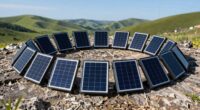
This 300W solar generator, bundled with a 60W foldable solar panel, excels in outdoor settings where portability and solar recharging are priorities. Compared to larger units like the ABOK Ark3600, it offers a much lighter footprint but cannot support heavy-duty appliances. Its high conversion efficiency and safety features make it dependable for small device charging, especially in remote areas. However, performance declines if not frequently recharged, and it’s not waterproof—limiting outdoor exposure. This pick makes the most sense for campers or outdoor enthusiasts needing reliable, portable power without the bulk of larger units.
Pros:- Includes a foldable 60W solar panel for versatile recharging outdoors
- Multiple outlets accommodate various small devices simultaneously
- Built-in safety features and cooling system enhance reliability
Cons:- Performance can decline if not charged regularly, affecting reliability
- Not waterproof, so outdoor exposure has risks
- Limited to devices under 300W, unsuitable for larger appliances
Best for: Outdoor enthusiasts and campers who need a lightweight, solar-compatible backup for small devices
Not ideal for: Homeowners seeking to power larger appliances during outages, due to its limited wattage and capacity
- Power Output:300W
- Solar Panel:60W foldable monocrystalline
- Battery Capacity:Big battery pack (exact capacity not specified)
- AC Outlets:2 x 300W Max
- USB Ports:3 x 5V/3A, 1 x quick charge 5V/3A, 9V/2A Max
- Charging Methods:AC outlet, 60W solar panel, 12V carport
- Protection Features:Short circuit, over-current, over-voltage, overload, overheating
- Conversion Efficiency:20.5%
Our verdict“Ideal for outdoor users needing portable, solar-capable power for small electronics, but not for home appliance backup.”
ABOK Ark3600 Portable Power Station with 200W Solar Panel
The ABOK Ark3600 stands out for its massive 3840Wh capacity, making it suitable for serious home backup or extended outdoor use. Its LiFePO₄ batteries promise over 4000 cycles, offering a decade of reliable service, and it supports a 3600W rated output—much higher than most portable options like the Anker SOLIX C1000. Although it’s heavier and bulkier, its fast charging (around 1.3 hours) and Bluetooth monitoring elevate its usability. The main tradeoff is its size and price, which might deter casual users. This unit makes sense for those needing extensive power reserves with future expandability, prioritizing long-term performance over portability.
Pros:- Massive 3840Wh capacity with long-lasting LiFePO₄ batteries
- Supports a 3600W rated output suitable for most household appliances
- Fast recharge time and Bluetooth app monitoring for user convenience
- Expandable capacity up to 11520Wh for longer runtime
Cons:- Heavy and bulky, less portable for frequent transport
- Higher cost may be prohibitive for casual users
- Requires sunlight for optimal solar recharging, which isn’t always available
Best for: Homeowners or outdoor enthusiasts needing high-capacity, expandable power for long-term backup or large appliance use
Not ideal for: Users seeking lightweight, compact solutions for occasional device charging, due to its weight and size
- Capacity:3840Wh (expandable to 11520Wh)
- Battery Type:LiFePO₄
- Lifespan:Over 4000 cycles, up to 10 years
- Rated Output:3600W
- Peak Power:4500W
- Charging Methods:AC, PV, Car
- Output Ports:15 including AC, USB-A, USB-C, DC, Cigarette Lighter
- Additional Features:Bluetooth app monitoring, wheels
Our verdict“Best suited for users who prioritize extensive backup capacity and future expandability over portability and initial cost.”
Portable Power Station 500W, 519.48Wh Solar Generator Backup
This 519.48Wh power station offers a reliable, portable solution for emergency or outdoor use, supporting devices up to 500W. It shines in its versatility, with multiple charging options—solar, car, or wall—making it flexible for various situations. Its fast USB-C PD 60W and QC 3.0 ports support quick device charging, and BMS safety features add peace of mind. Compared to larger units like the ABOK Ark3600, it’s more manageable for everyday carry, but its limited wattage and absence of a solar panel make it less ideal for prolonged off-grid power. It’s best suited for those needing a compact backup for essential electronics during outages or outdoor trips.
Pros:- High-capacity 519.48Wh for multiple device charges
- Multiple charging options including solar, with fast USB-C PD
- Built-in BMS safety features ensure reliable operation
- Portable design at 14.1 pounds for easy transport
Cons:- Limited to devices under 500W, restricting some appliances
- No dedicated solar panel included, requiring additional purchase
- Relatively heavy for frequent portability
Best for: Individuals seeking a portable, quick-charging backup for essential devices during emergencies or outdoor activities
Not ideal for: Homeowners needing to power large appliances or entire home circuits, due to its limited wattage and capacity
- Wattage:519.48Wh
- Output Wattage:500W
- Additional Features:Fast USB-C PD 60W, QC 3.0, BMS safety
- Weight:14.1 pounds
- Charging Methods:AC, solar, car
Our verdict“A solid choice for those needing a compact, reliable power bank for essential devices in emergencies or outdoor use.”
Anker SOLIX C2000 Gen 2 Portable Power Station, 2048Wh, 2400W, Camping
The Anker SOLIX C2000 Gen 2 offers a compelling balance of capacity and portability with 2,048Wh and a peak power of 4,000W. Its rapid recharge in under an hour via AC and solar sets it apart from many competitors like the Jackery Explorer 1000, which takes longer to recharge. Designed with outdoor activities in mind, its relatively light weight for its capacity makes it suitable for camping or emergency home backup. Its expandable capacity and multiple ports increase versatility, but the high price and limited detailed solar compatibility information could be stumbling blocks. This model appeals most to outdoor users who need quick recharging and reliable power for multiple appliances.
Pros:- Fast recharge time of 58 minutes via AC and solar
- High peak power supporting multiple appliances simultaneously
- Relatively lightweight at 41.7 lbs for its capacity
- Expandable capacity for longer outdoor use
Cons:- Over 41 pounds, which may challenge portability for some
- Limited specifics on solar panel compatibility
- Price not specified, potentially high for budget-conscious buyers
Best for: Campers and outdoor adventurers who require fast recharging and high peak power for multiple devices
Not ideal for: Casual users or those seeking a lightweight, ultra-portable solution for occasional use, due to its weight and price
- Capacity:2048Wh
- Rated Power:2400W
- Peak Power:4000W
- Recharge Time:58 minutes
- Weight:41.7 lb
- Recharge Method:AC and solar
Our verdict“Best for outdoor users needing rapid recharging and high power output in a portable package, with a willingness to invest upfront.”
Anker SOLIX C1000 Gen 2 Portable Power Station
The Anker SOLIX C1000 Gen 2 combines a 1,024Wh capacity with a 2,000W continuous output, making it a practical choice for home backup, camping, or off-grid situations. Its fast recharging—just 49 minutes via HyperFlash tech—outpaces many competitors like the DaranEner, which lacks such rapid charging. Its compact size and multiple ports support a wide range of devices, and its solar compatibility enhances off-grid usability. The main consideration is that it’s not the largest capacity in this roundup, so users with extensive power needs may prefer the larger units. This model is ideal for those who want a balance of power, portability, and quick recharging.
Pros:- Fast recharge in under 50 minutes with HyperFlash technology
- Lightweight and compact for portability
- Supports solar charging and multiple device ports
- High cycle count of 4,000 cycles for durability
Cons:- Limited capacity compared to larger units like ABOK Ark3600
- Exact weight not specified, but smaller size suggests portability rather than heavy-duty use
- Price not listed, which could impact decision for budget buyers
Best for: Homeowners or campers needing quick, reliable backup for essential devices with a compact footprint
Not ideal for: Users requiring long-term, high-capacity power for multiple large appliances, due to its 1024Wh size
- Capacity:1024Wh
- Rated Power:2000W
- Peak Power:4000W
- Recharge Time:49 minutes
- Battery Cycles:4,000
- Weight:not specified
Our verdict“A smart choice for those needing quick, reliable power with a portable form factor for home or outdoor backup.”

How We Picked
I evaluated each portable power station based on capacity, power output, recharging options, build quality, and portability. Reliability and user reviews also played a role in assessing real-world performance. I prioritized models that balance high capacity with manageable size, especially for home backup scenarios, and gave extra weight to those with safe, long-lasting battery chemistries like LiFePO4. The ranking considers how well each unit suits different backup needs, from essential device powering to whole-home support, while also factoring in value and ease of use.| portable power stations for home backup | Battery Type |
|---|---|
| BLUETTI AC180 Portable Power S | LiFePO4 |
| EF ECOFLOW Portable Power Stat | LiFePO4 |
| Jackery Explorer 300 Portable | — |
| Jackery Explorer 1000 v2 Porta | LFP |
| Jackery HomePower 3600 Plus Po | — |
| DaranEner Portable Power Stati | LiFePO4 |
| MARBERO Portable Power Station | LiFePO4 |
| Anker SOLIX S2 Portable Power | LiFePO4 |
| ALLWEI Portable Power Station | LiFePO4 |
| LIBRIDS Portable Power Station | LiFePO4 |
| Portable Solar Generator 300W | — |
| ABOK Ark3600 Portable Power St | LiFePO₄ |
| Portable Power Station 500W | — |
| Anker SOLIX C2000 Gen 2 Portab | — |
| Anker SOLIX C1000 Gen 2 Portab | — |
Factors to Consider When Choosing Portable Power Stations For Home Backup
Choosing the right portable power station for home backup involves understanding your power needs, expected usage, and how the device integrates into your emergency planning. The following factors help clarify what to look for beyond basic specs, ensuring you select a unit that matches your specific situation and offers reliable performance during outages.Capacity and Power Output
Capacity, measured in watt-hours (Wh), determines how long your devices can run during an outage. For whole-home backup, look for units with at least 1000Wh; smaller models are better suited for essential devices only. Power output, rated in watts (W), indicates how much energy the station can deliver instantaneously. High surge wattage is important for starting appliances like refrigerators or sump pumps. Balancing capacity and output ensures your backup can handle your critical devices without being overly bulky.
Battery Chemistry and Longevity
Battery chemistry impacts safety, lifespan, and performance. LiFePO4 batteries are increasingly popular because they last longer—often exceeding 2000 charge cycles—and are safer under stress. Cheaper units with traditional lithium-ion batteries might suffice for occasional use but could degrade faster with frequent cycling. Investing in a LiFePO4-based model generally offers better value for regular home backup, especially if you want to avoid replacing batteries often.
Recharging Options
Solar compatibility is a significant advantage for extended outages, allowing the power station to recharge without relying solely on traditional outlets. Check if the model supports fast solar recharging and the maximum solar input wattage. Also, consider other recharging methods like AC outlets or car adapters for flexibility. A versatile recharging setup can keep your power station ready through prolonged power failures, especially if grid power is unavailable.
Size, Weight, and Portability
While larger capacity units tend to be heavier and less portable, some models strike a good balance with manageable size for home backup. If you need to move the station frequently—say, during a power outage or outdoor use—consider weight and handle design. Compact units are easier to store and transport but may lack the capacity needed for sustained backup. Evaluate your space and mobility needs carefully to avoid over- or under-specifying your backup system.
Price and Value
Higher capacity and advanced features come at a premium, but not every user requires the most expensive models. Consider how much capacity you need and which features are essential—like solar input or fast recharging—to avoid overspending. Sometimes, a mid-range model offers the best balance between cost and performance for typical home backup needs. Be wary of very cheap units that may lack durability or sufficient power for critical appliances.
Frequently Asked Questions
Can a portable power station fully backup my home during an outage?
Most portable power stations are designed to power essential devices rather than entire homes. For a full backup, you’d need a very high-capacity unit—typically over 3000Wh—and the ability to handle high surge wattages. Many models can support critical appliances like refrigerators, lights, and small electronics, but powering an entire home, especially with larger appliances, often requires a dedicated home backup system or a larger, stationary generator. Carefully assess your essential power needs and select a station with sufficient capacity and output for those devices.
How long can a portable power station run my refrigerator?
The runtime depends on your refrigerator’s power draw and the station’s capacity. For example, a typical small refrigerator might use around 100-200W, meaning a 1000Wh station could run it for approximately 5 to 10 hours, assuming continuous operation. Larger or older models might draw more power, reducing runtime. To maximize longevity, consider units with high surge capacity and continuous wattage ratings that meet or exceed your refrigerator’s startup requirements. This ensures reliable operation during outages.
Are solar-compatible portable power stations worth the extra cost?
Solar compatibility can be a valuable feature, especially if you anticipate prolonged outages or want to reduce reliance on grid power for recharging. Solar-compatible units allow you to replenish capacity using sunlight, which can be free and sustainable. However, the initial investment is higher, and solar input may be limited by available sunlight and panel capacity. If you live in an area with consistent sun and want a resilient backup system, investing in solar-compatible models makes sense. For occasional use, traditional recharging methods might suffice.
What size should I choose for my home backup needs?
The ideal size depends on the number and type of devices you want to support during an outage. For basic essentials like lights, phones, and small appliances, a station with around 500-1000Wh may be enough. For supporting larger appliances or multiple devices simultaneously, look for units over 2000Wh. Keep in mind that larger capacity models tend to be heavier and more expensive, so balancing your needs with portability and budget is key. Planning your backup load will help you choose the right size without overspending.
How often will I need to recharge my portable power station?
The frequency of recharging depends on usage and capacity. During normal operation, if you use the station sparingly, it might only need recharging every few weeks or months. During extended outages, daily recharging via solar or grid power may be necessary to keep it ready. Consider your typical emergency scenario and choose a model with a recharge cycle that matches your preparedness level. Regularly maintaining and testing your unit ensures it will perform reliably when needed.
Conclusion
For most homeowners seeking reliable backup, the BLUETTI AC180 offers the best overall blend of high capacity, safety, and longevity. If budget is a primary concern, the Jackery Explorer 300 provides sufficient power for essentials at a lower price point. Those with higher demands or looking for a premium solution should consider the Anker SOLIX C2000 for its massive capacity and fast charging. Beginners and small-scale users will find the MARBERO Portable Power Station simple and portable, while those planning for prolonged outages benefit from solar-compatible models like the EF ECOFLOW Delta 3 Classic. Your choice depends on your specific backup needs, budget, and whether portability or capacity takes priority.
As an affiliate, we earn on qualifying purchases.Halloween Picks
halloween