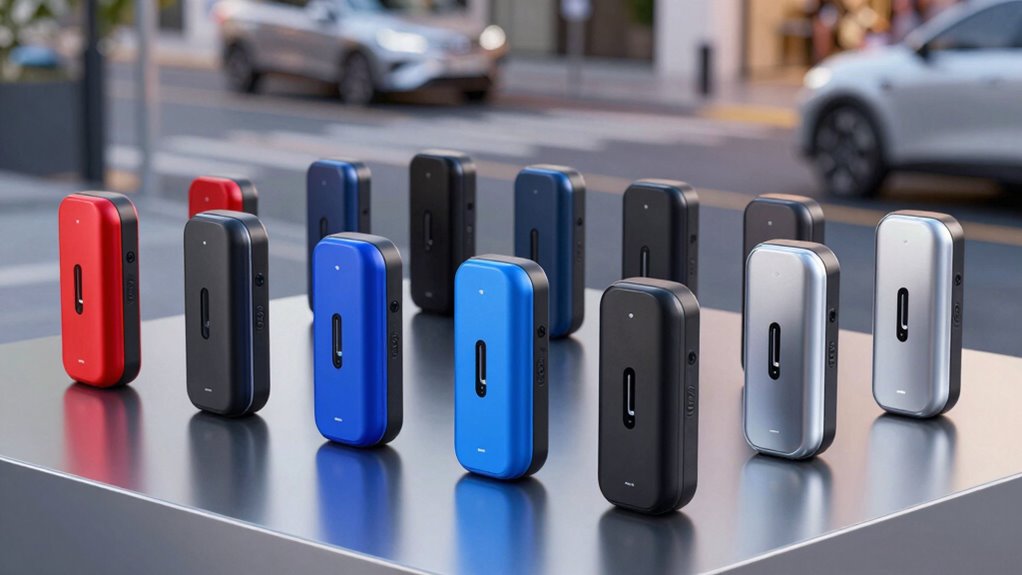

Choosing the right portable EV charger level 1 and 2 determines whether you can charge efficiently at home or rely on slower emergency rates. The VEVOR Level 1&2 EV Charger stands out as the best overall pick for its 16 Amp output and generous 25-foot cable, offering a balance of speed and reach. For Tesla owners, the EVDANCE Tesla Portable EV Charger provides native compatibility without adapter hassle, while the Lectron Level 1/2 appeals to those needing higher amperage flexibility. The main tradeoff in this category is between maximum charging speed and plug versatility; higher amps often require specific heavy-duty outlets. Continue reading to see how these options stack up against your specific electrical setup and driving habits.

Get business pricing on monitors, keyboards and dev gear
- Business-only prices and quantity discounts
- Tax-exempt purchasing
- Multiple users, one account, clear invoices
Key Takeaways
- Cable length is a primary differentiator; 25-foot cords appear frequently and offer significant convenience over standard 15-foot options.
- Amperage flexibility varies widely, with some units locking at 16A while others allow adjustment between 8A and 40A based on outlet capacity.
- Connector compatibility is shifting, with most units supporting J1772, but NACS (Tesla) native support is becoming a key feature for newer models.
- Build quality often correlates with heat management; units with robust casing and certified safety standards (ETL/UL) minimize overheating risks during extended Level 2 sessions.
- Price does not always dictate performance; several mid-range options match the charging speeds of premium brands by leveraging standard NEMA adapters.


| portable ev chargers level 1 and 2 | Cable Length | Connector Type |
|---|---|---|
| VEVOR Level 1&2 EV Charger | 25 ft | SAE J1772 |
| EVDANCE Tesla Portable EV Char | 25 ft | NACS |
| Portable Level 1 & 2 EV Charge | 25 feet | SAE J1772 |
| Level 1 & 2 Portable EV Charge | 20 ft | Tesla (NACS) |
| DeWalt Level 1 & 2 Portable EV | 25 ft | SAE J1772 |
| Lectron Level 1/2 Portable EV | 20 ft | NACS |
| 2026 New Level 1&2 EV Charger | — | — |
| Bokman Level 1 & Level 2 EV Ch | 25ft | — |
| WOLFBOX Portable Level 1&2 EV | 25ft | — |
| VEVOR Level 1+2 Portable EV Ch | 28 Feet | SAE J1772 |
| Junsun Portable Level 1 and Le | 26 ft | SAE-J1772 |
| EVDANCE Level 1 & 2 EV Charger | 25 ft | — |
| EVDANCE Level 1 & 2 EV Charger | 25 ft | J1772 |
| 2026 Upgraded Level 1 & 2 EV C | — | — |
| Level 1 & 2 EV Charger | 25ft | — |
More Details on Our Top Picks
VEVOR Level 1&2 EV Charger, 16 Amp, Portable Electric Vehicle Charger with 25 ft Cable, 120V-240V, NEMA 6-20P Plug, SAE J1772 Compatibility
This VEVOR unit stands out as the best budget dual-level option for drivers who need flexibility without a premium price tag. Unlike the EVDANCE Tesla Portable EV Charger, which restricts its utility to a specific connector type, the VEVOR model uses the universal SAE J1772 standard, making it compatible with the vast majority of non-Tesla EVs on the road. The 25-foot cable is a significant advantage, offering reach that many shorter competitors lack, allowing you to park further from the outlet. However, the 16 Amp limit means it charges slower than high-current models like the 32A or 40A options in this roundup. It lacks a dedicated wall mount, so storage requires improvisation. For those who want a reliable, no-frills backup charger that works at home and away, this makes strong financial sense.
Pros:- Universal SAE J1772 compatibility fits most EVs
- Generous 25-foot cable length for parking flexibility
- Supports both 120V and 240V inputs for dual-level charging
- Cost-effective entry point for dual-level capability
Cons:- Lower 16A max current limits charging speed compared to 32A models
- No included wall mount or storage solution
- Build quality feels utilitarian compared to premium brands
Best for: Non-Tesla EV owners needing a affordable, versatile backup charger for home and occasional travel.
Not ideal for: Tesla owners without adapters, or drivers who need maximum charging speed (32A+).
- Connector Type:SAE J1772
- Max Amperage:16 Amp
- Cable Length:25 ft
- Voltage Input:120V-240V
- Plug Types:NEMA 6-20P, NEMA 5-15 Adapter
- Weight:6.8 pounds
- Dimensions:9.72 x 3.82 x 2.32 inches
Our verdict“This is the smart choice for J1772 vehicle owners who prioritize cable length and versatility over maximum amperage.”
EVDANCE Tesla Portable EV Charger 16A Level 1 & 2 Electric Vehicle Charger
The EVDANCE Tesla Portable EV Charger is tailored specifically for vehicles using the NACS connector, eliminating the need for bulky adapters. While the DeWalt Level 1 & 2 Portable EV Charger offers broader brand compatibility, this EVDANCE model provides a seamless plug-and-play experience for Tesla drivers. Its IP66-rated weatherproof design ensures reliability in harsh conditions, and the integrated timer allows for off-peak charging scheduling, a feature many basic models omit. The adjustable amperage adds a layer of safety for older home electrical systems. However, the strict NACS compatibility means it is useless for J1772 vehicles without a separate adapter, limiting its resale value or utility if you switch brands. It is a specialized tool, not a generalist.
Pros:- Native NACS connector fits Tesla vehicles directly
- Built-in timer for scheduling off-peak charging
- High IP66 rating for superior weather resistance
- Adjustable amperage settings for electrical safety
Cons:- Exclusive NACS connector requires adapters for other EVs
- Requires a dedicated 20A circuit for optimal Level 2 performance
- Limited compatibility restricts future-proofing
Best for: Tesla owners who want a dedicated, adapter-free portable charger with scheduling features.
Not ideal for: Drivers of non-Tesla EVs (J1772) or those who might switch to a different brand soon.
- Connector Type:NACS
- Max Amperage:16 A
- Voltage:240 volts
- Wattage:3.84 kWh
- Plug Type:NEMA 6-20
- Cable Length:25 ft
- Form Factor:Portable
Our verdict“Buy this if you are committed to Tesla and value the convenience of a native NACS connector over universal compatibility.”
Portable Level 1 & 2 EV Charger for J1772 EVs, NEMA 5-15/6-20
This charger distinguishes itself with a real-time TFT display, offering detailed charging metrics that the VEVOR Level 1&2 EV Charger and similar basic models lack. The screen provides immediate feedback on voltage, amperage, and session data, which is helpful for diagnosing home electrical issues. With adjustable current from 8A to 16A, it offers finer control than fixed-amperage units, allowing you to dial down power if your wiring is older. The 25-foot cable matches the length of top competitors, ensuring you are not tethered to the outlet. The downside is its bulkier housing, which makes it less pocketable than slimmer options. Additionally, Tesla owners will need a separate adapter, unlike the native NACS options. It is best for tech-savvy users who want data visibility.
Pros:- Integrated TFT display shows real-time charging stats
- Adjustable current (8A-16A) adapts to home wiring limits
- IP66 water resistance supports outdoor use
- 2-year warranty provides better peace of mind
Cons:- Bulky form factor reduces portability
- Requires separate adapter for Tesla/NACS vehicles
- Max 16A speed is slower than 32A competitors
Best for: J1772 EV owners who want detailed charging data and adjustable amperage control.
Not ideal for: Users seeking the most compact device or Tesla owners without adapters.
- Connector Type:SAE J1772
- Current Range:8A-16A adjustable
- Voltage:110/120V and 240V
- Cable Length:25 feet
- Water Resistance:IP66
- Temperature Range:−22°F to 122°F
- Weight:7.58 pounds
- Warranty:2 years
- Display:Real-time TFT
Our verdict“Choose this model if you value detailed charging information and adjustable power settings over compact size.”
Level 1 & 2 Portable EV Charger 32Amp 110V-240V with 20FT Cable for Tesla
For Tesla owners needing faster top-ups, this 32 Amp charger significantly outpaces the 16A limits found in the EVDANCE Tesla Portable EV Charger and VEVOR models. The NEMA 14-50 plug allows for robust Level 2 charging, delivering nearly double the speed of standard 16A units when connected to a compatible dryer-style outlet. It includes a carrying bag, a thoughtful addition for travelers that many competitors omit. However, the 20-foot cable is shorter than the 25-foot cords on other picks, which might force you to park closer to the outlet. It is strictly for Tesla models, so it lacks the universal J1772 flexibility of other options. This is a speed-focused tool for those with 240V access.
Pros:- 32 Amp current enables much faster Level 2 charging
- Includes a portable carrying bag for easy storage
- Dual voltage support (110V-240V) for flexibility
- LED indicators provide clear status updates
Cons:- Shorter 20-foot cable limits parking options
- Exclusive Tesla compatibility excludes J1772 vehicles
- Requires a high-capacity 240V outlet for full speed
Best for: Tesla owners with access to 240V NEMA 14-50 outlets who prioritize charging speed.
Not ideal for: Users with only 120V outlets or drivers of non-Tesla vehicles.
- Applicable Models:Tesla Model 3/Y/S/X, Cybertruck
- Max Current:32 Amp (Level 2)
- Voltage:110V-240V
- Cable Length:20 ft
- Plug Types:NEMA 14-50, NEMA 5-15
- Included Accessories:Carrying bag
- Connector Type:Tesla (NACS)
- Safety Features:Overcharge and overheating shutdown
Our verdict“This is the best choice for Tesla drivers who have the right outlet and want to minimize charging time.”
DeWalt Level 1 & 2 Portable EV Charger, 16 Amps, 120-240V, 25 ft Cable
The DeWalt Level 1 & 2 Portable EV Charger leverages the brand’s reputation for durability, backed by a 3-year warranty that exceeds the typical 1-2 year coverage seen with the VEVOR and Portable Level 1 & 2 EV Charger models. It is CSA certified, providing third-party verification of safety and performance that some generic competitors may lack. The 25-foot cable ensures you are not restricted by outlet location, matching the best-in-class reach. However, like most J1772 chargers, it requires a separate adapter for Tesla vehicles, which adds friction for that specific user base. The design is plug-in only, offering no hardwiring options for permanent installation. It is a solid, reliable choice for those who prioritize brand trust and long-term support.
Pros:- 3-year warranty offers superior long-term protection
- CSA certification ensures verified safety standards
- 25-foot cable provides excellent reach
- Durable construction suited for rugged use
Cons:- Tesla compatibility requires a separate adapter
- Limited to 16A max current for slower charging
- No hardwiring option for permanent installation
Best for: J1772 EV owners who value brand reputation, safety certifications, and extended warranties.
Not ideal for: Tesla owners without adapters, or users needing higher amperage (32A+).
- Connector Type:SAE J1772
- Amperage:16 A
- Input Voltage:120-240V
- Cable Length:25 ft
- Certification:CSA
- Dimensions:2.17″D x 4.33″W x 9.27″H
- Warranty:3 years
- Compatible Devices:All SAE J1772 EVs
Our verdict“Select this charger if you want peace of mind from a trusted brand with a strong warranty and safety certifications.”
Lectron Level 1/2 Portable EV Charger (8A-40A) with NACS Connector
This charger is specifically engineered for the future, featuring a native NACS connector that eliminates the need for adapters on new Tesla and Rivian models. Unlike the WOLFBOX PE40, which relies on the older J1772 standard, this unit plugs directly into the growing ecosystem of North American Charging Standard vehicles. The 40-amp capability provides rapid Level 2 speeds, making it ideal for drivers who need quick top-ups. However, the plastic housing feels less robust than the aluminum-alloy build of competitors, and its NACS-only design excludes the vast majority of current non-Tesla EVs without a separate adapter, limiting its versatility for mixed-vehicle households.
Pros:- Native NACS connector supports the latest EV standard
- High 40A output for fast Level 2 charging
- ETL-certified safety with real-time LED monitoring
Cons:- Plastic enclosure lacks the durability of metal alternatives
- Incompatible with J1772 vehicles without an extra adapter
Best for: Owners of new Tesla models or NACS-compatible EVs who want a native plug without adapters.
Not ideal for: Drivers of older J1772 vehicles, as this requires an additional adapter and lacks native compatibility.
- Connector Type:NACS
- Amperage:8A – 40A
- Max Wattage:4800 watts
- Cable Length:20 ft
- Plug Types:NEMA 14-50, NEMA 5-15
- Certification:ETL-certified
- Warranty:2 Years
- Material:Plastic
Our verdict“This is the definitive choice for NACS vehicle owners prioritizing future-proofing over broad compatibility.”
2026 New Level 1&2 EV Charger, 8-16Amp, 25FT Cord, J1772 EV/PHEVs
With a maximum output of 16 amps, this unit is perfectly matched to the battery sizes of plug-in hybrids, avoiding the cost and bulk of higher-amperage units. Compared to the Bokman 32A, this charger is significantly lighter at under 8 pounds, making it easier to toss in a trunk for occasional use. The 25-foot cord offers generous reach for garage setups. However, the 16-amp cap means it cannot deliver the rapid charge speeds of the Lectron or WOLFBOX models, making it a poor choice for full-electric vehicles with large batteries that require faster replenishment for daily commuting.
Pros:- Lightweight 7.41-pound design for easy portability
- 25-foot cord provides flexible placement options
- Waterproof design suitable for outdoor use
Cons:- Limited to 16A, resulting in slower charge times for full EVs
- Requires manual setup adjustments for different vehicle types
Best for: Plug-in hybrid (PHEV) owners who need slow, consistent overnight charging.
Not ideal for: Full-electric vehicle owners with large batteries who need faster charging speeds.
- Compatibility:J1772 EVs and PHEVs
- Current Range:8A to 16A
- Cord Length:25FT
- Power Output:Up to 3.84kW
- Weight:7.41 pounds
- Plug Types:NEMA 5-15/5-20, NEMA 6-20
- Warranty:2 years
Our verdict“A practical, lightweight solution for PHEV drivers who don’t need high-speed charging.”
Bokman Level 1 & Level 2 EV Charger, 32A, 25ft, NEMA 14-50P/5-15 Adapter
Built with an IP65 weatherproof rating and a temperature tolerance down to -22°F, this charger is designed for harsh environments where other units might fail. The 32-amp output strikes a balance between speed and safety, offering faster replenishment than the VEVOR 16A model without hitting the upper limits of residential circuits. While the heavy-duty cable ensures longevity, the unit lacks the smart app connectivity found in the VEVOR, relying instead on simple tactile controls. This makes it less convenient for remote monitoring but more resilient in areas with poor Wi-Fi coverage or extreme weather conditions.
Pros:- IP65 rating withstands rain and dust effectively
- Operates reliably in temperatures as low as -22°F
- 32A output supports faster Level 2 charging
Cons:- No Wi-Fi or app connectivity for remote management
- Heavier build makes it less convenient for frequent travel
Best for: Drivers in cold climates or rural areas needing a rugged, outdoor-capable charger.
Not ideal for: Tech-savvy users who want remote app control and scheduling features.
- Power:32A
- Cable Length:25ft
- Adapter:NEMA 14-50P/5-15
- Weatherproof:IP65
- Temperature Range:-22°F to 130°F
- Certification:ETL
- Compatibility:J1772
Our verdict“A rugged, no-nonsense charger built to survive outdoor elements and cold winters.”
WOLFBOX Portable Level 1&2 EV Charger 40amp for J1772 EVSE
The aluminum alloy housing sets this unit apart, offering superior heat dissipation and durability compared to the plastic enclosures of the Lectron or Bokman. Its 40-amp capacity matches the top-tier speed of the Lectron, but the WOLFBOX adds the flexibility of being wall-mountable or portable. At nearly 15 pounds, it is heavier than the VEVOR or 16A models, making it less ideal for frequent travel. However, for users who want a permanent home charger that can double as a travel unit, the robust construction and ETL/UL certifications provide peace of mind that lighter, cheaper options cannot match.
Pros:- Rugged aluminum alloy case for better durability and heat management
- Dual-use design supports both wall mounting and portability
- 40A output delivers maximum safe Level 2 charging speeds
Cons:- Heavy 14.92-pound weight hinders easy transport
- Requires separate adapters for non-standard outlets
Best for: Homeowners who want a durable, semi-permanent charger that can also travel.
Not ideal for: Frequent travelers who prioritize lightweight portability over rugged construction.
- Charging Current:6A to 40A
- Cable Length:25ft
- Voltage:208-240V
- Plug Types:NEMA 14-50, 5-15, 6-20 adapters
- Certification:ETL, UL safety standards
- Material:Rugged aluminum alloy
- Weight:14.92 pounds
- Dimensions:16.5 x 12.75 x 7.5 inches
Our verdict“A premium, heavy-duty option for those who value build quality over minimal weight.”
VEVOR Level 1+2 Portable EV Charger (16 Amp, 120V/240V) with 28-Foot Cable and NEMA Adapters
This model stands out for its Smart Life app integration, allowing users to monitor charging status and set schedules from their phone—a feature absent in the Bokman and Lectron models. The 28-foot cable is the longest in this group, offering extra reach for tricky driveway configurations. While its 16-amp limit is lower than the WOLFBOX or Lectron, it is sufficient for most overnight home charging needs. The reliance on Wi-Fi or Bluetooth can be a drawback in metal garages with poor signal, but for tech-oriented users, the remote monitoring capabilities justify the tradeoff in raw power.
Pros:- Smart Life app enables remote monitoring and scheduling
- 28-foot cable provides the longest reach in this comparison
- Dual voltage support for flexible outlet compatibility
Cons:- 16A maximum limits charging speed compared to 32A+ rivals
- App connectivity can be unreliable in areas with weak signal
Best for: Users who want remote monitoring and scheduling via a smartphone app.
Not ideal for: Drivers needing the fastest possible charge times or those with poor garage Wi-Fi.
- Brand:VEVOR
- Connector Type:SAE J1772
- Voltage:120V / 240V
- Amperage:16 Amp
- Max Wattage:3.8 kW
- Cable Length:28 Feet
- Plug Types:NEMA 6-20P, NEMA 5-15 Adapter
- Certification:ETL Listed
- Operating Temperature:-30°C to 45°C
Our verdict“The ideal choice for data-driven drivers who prioritize connectivity and cable length over maximum amperage.”
Junsun Portable Level 1 and Level 2 EV Charger 240V 32A with 26ft Cable
This unit stands out by offering 32A output, significantly outpacing the 16A limits found in the EVDANCE Level 1 & 2 EV Charger. If your home outlet supports it, this charger delivers nearly double the charging speed, reducing overnight wait times considerably. The 26-foot cable provides ample reach, though it is slightly heavier to manage than shorter alternatives. While it lacks the app connectivity of some competitors, its straightforward LCD interface makes real-time monitoring simple for users who prefer physical controls over smartphone integration.
Pros:- Delivers up to 32A for faster Level 2 charging speeds
- Includes comprehensive safety protections like leakage detection
- Bright LCD display offers clear real-time charging data
Cons:- Heavier and bulkier than 16A portable chargers
- Limited information on long-term durability and weather resistance ratings
Best for: EV owners with a dedicated 240V outlet who want the fastest possible portable charging speeds without installing a hardwired station.
Not ideal for: Travelers needing a compact, lightweight unit, as the high-power components make this bulkier and heavier than 16A models.
- Connector Type:SAE-J1772
- Max Amperage:32 A
- Input Voltage:240 volts
- Wattage:7.68 kW
- Cable Length:26 ft
- Protection Features:Leakage, Overcharge, Under Voltage
Our verdict“Choose this if you have a robust 240V outlet and prioritize charging speed over portability.”
EVDANCE Level 1 & 2 EV Charger – Portable J1772 EVSE with 25FT Cable, ETL Listed
Unlike the basic plug-and-play nature of the Junsun Portable Level 1 and Level 2 EV Charger, this EVDANCE model integrates smart app control, allowing for scheduling and remote monitoring. This feature is invaluable for users who want to charge during off-peak hours to save on electricity costs. The ETL listing provides added peace of mind regarding safety standards. However, the 16A cap means it charges slower than high-amperage competitors, and Tesla owners will need a separate adapter, unlike some all-in-one solutions.
Pros:- Smart app control enables scheduling and remote monitoring
- ETL Listed for verified safety and quality standards
- Rugged, weatherproof design with flexible TPE cable
Cons:- Maximum current limited to 16A, slower than 32A alternatives
- Does not include a Tesla adapter for direct connection
Best for: Tech-savvy drivers who want to schedule charging windows via smartphone and prioritize certified safety standards.
Not ideal for: Tesla drivers without an existing adapter, as this unit does not include one for Tesla-specific ports.
- Charging Levels:Level 1 & 2
- Max Amperage:16A
- Voltage:120V/240V
- Cable Length:25 ft
- Weight:7 lbs
- Compatibility:All J1772 EVs & PHEVs
- Certification:ETL Listed
Our verdict“Ideal for users who value app connectivity and certified safety over raw charging speed.”
EVDANCE Level 1 & 2 EV Charger, 16A 120-240V Portable Electric Car Charger
This charger offers a solid middle ground, matching the EVDANCE Smart App model in hardware but lacking the software complexity. It features a smart LED display for monitoring, which is easier to read outdoors than some LCD screens. With adjustable current settings, it adapts to your household circuit capacity, preventing breaker trips. While it lacks the 32A speed of the Junsun unit, its IP66-rated control box makes it exceptionally durable for outdoor use, appealing to those who park in driveways exposed to the elements.
Pros:- IP66-rated control box for superior weather resistance
- Adjustable current settings prevent circuit overload
- Long 25-foot cable offers flexible parking positions
Cons:- Requires manual adjustment of electrical settings
- No smart connectivity or app-based scheduling
Best for: Drivers who need a durable, weather-resistant charger with simple physical controls and adjustable amperage.
Not ideal for: Users seeking maximum charging speed, as the 16A limit is half the capacity of high-power competitors.
- Connector Type:J1772
- Input Voltage:120-240V
- Amperage:16A
- Wattage:3840 watts
- Cable Length:25 ft
- Weather Resistance:IP66-rated control box, IP54-rated connector
- Plug Type:Type B – 3 pin (North American)
Our verdict“A robust, no-nonsense option for users who prioritize durability and simplicity over smart features.”
2026 Upgraded Level 1 & 2 EV Charger for All J1772 EVs
The Raylix unit distinguishes itself with multiple plug options, offering greater flexibility than the single-plug designs of the EVDANCE Level 1 & 2 EV Charger. Its 4-level current control (8A-16A) allows for fine-tuned adjustments, which is safer for older home wiring than fixed high-amperage models. The high-resolution display provides detailed metrics, though it may feel cluttered for those who just want a simple ‘on’ switch. It is lighter than the Junsun 32A model, making it a better candidate for occasional travel.
Pros:- Includes multiple plug options for versatile outlet compatibility
- 4-level current control allows for precise, safe adjustments
- High-resolution display for detailed real-time monitoring
Cons:- Complex interface may confuse users seeking simplicity
- Limited to North American electrical standards
Best for: Users with varied electrical outlets who need precise current control to match their home’s wiring capacity.
Not ideal for: Those looking for the absolute fastest charging, as the 16A limit and complex interface may slow down daily use.
- Model:RAYLIX level 1&2 ev charger
- Input Voltage:120V/240V
- Current Options:8A/10A/12A/16A
- Charging Power:3.68kW (240V, 16A)
- Weight:6.65 pounds
- Water Resistance:IP65
- Warranty:2 years
Our verdict“Best suited for users who need to adapt to different outlets and want granular control over charging speed.”
Level 1 & 2 EV Charger – 16Amp Adjustable Current Home Charging Station
This charger focuses on energy efficiency with a built-in smart timer for off-peak charging, a feature that sets it apart from the basic plug-and-play EVDANCE Level 1 & 2 EV Charger. The NEMA 6-20 plug with a 5-15 adapter ensures it works with standard household outlets as well as dedicated EV circuits. At 7.76 pounds, it is heavier than the Raylix model, making it less ideal for frequent travel. However, its IP66 rating ensures it can withstand harsh weather conditions better than many competitors.
Pros:- Built-in smart timer for automated off-peak charging
- Includes NEMA 6-20 plug and 5-15 adapter for flexibility
- IP66 waterproof rating for reliable outdoor use
Cons:- Heavier at 7.76 pounds compared to lighter portable units
- Requires specific electrical outlets for optimal performance
Best for: Budget-conscious drivers who want to automate charging during lower-cost electricity hours.
Not ideal for: Frequent travelers, as the weight and lack of a dedicated carrying case make it cumbersome to transport.
- Voltage Range:110V-240V
- Current:6A-16A adjustable
- Plug Types:NEMA 6-20, 5-15 Adapter
- Connector:SAE J1772
- Weight:7.76 pounds
- Standards:NEMA Type 4, IP66
- Cable Length:25ft
Our verdict“A practical choice for homeowners looking to reduce electricity bills through timed charging.”
How We Picked
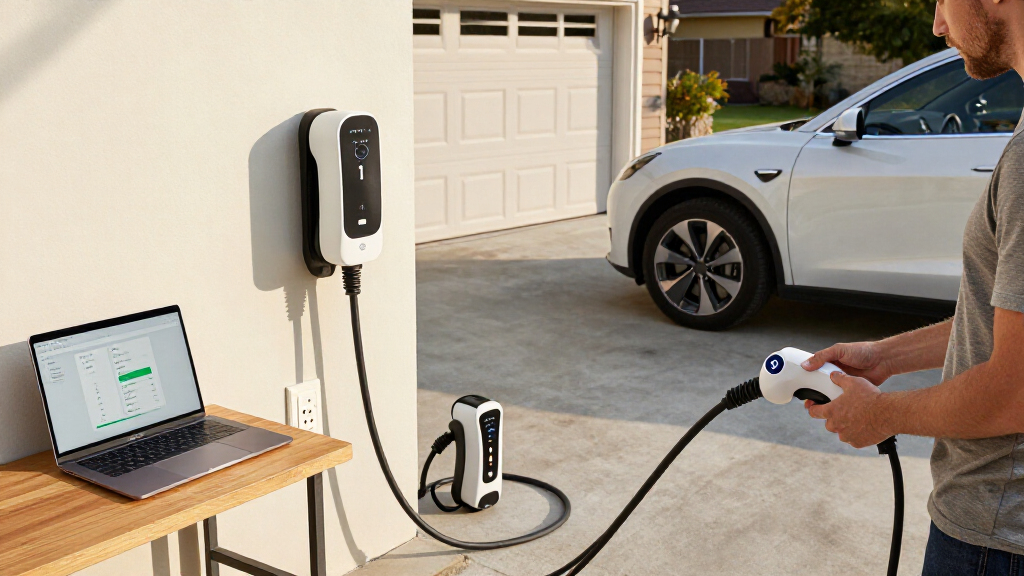
I evaluated these portable EV chargers by focusing on three core pillars: electrical compatibility, user convenience, and safety certification. First, I filtered for units that genuinely support both Level 1 (120V) and Level 2 (240V) charging, as many products claim versatility but require separate adapters that are not included. I prioritized models with clear amperage ranges, ensuring they could handle standard household outlets (NEMA 5-15) as well as dedicated EV circuits (NEMA 14-50 or 6-20).
Next, I assessed practical usability factors such as cable length, plug durability, and display clarity. A charger that cannot reach your vehicle from your garage outlet is functionally useless, so length was weighted heavily. Finally, I examined safety features, including ground fault protection and thermal cutoffs, to ensure the devices meet rigorous industry standards rather than just marketing claims.
| portable ev chargers level 1 and 2 | Connector Type |
|---|---|
| VEVOR Level 1&2 EV Charger | SAE J1772 |
| EVDANCE Tesla Portable EV Char | NACS |
| Portable Level 1 & 2 EV Charge | SAE J1772 |
| Level 1 & 2 Portable EV Charge | Tesla (NACS) |
| DeWalt Level 1 & 2 Portable EV | SAE J1772 |
| Lectron Level 1/2 Portable EV | NACS |
| 2026 New Level 1&2 EV Charger | — |
| Bokman Level 1 & Level 2 EV Ch | — |
| WOLFBOX Portable Level 1&2 EV | — |
| VEVOR Level 1+2 Portable EV Ch | SAE J1772 |
| Junsun Portable Level 1 and Le | SAE-J1772 |
| EVDANCE Level 1 & 2 EV Charger | — |
| EVDANCE Level 1 & 2 EV Charger | J1772 |
| 2026 Upgraded Level 1 & 2 EV C | — |
| Level 1 & 2 EV Charger | — |
Factors to Consider When Choosing Portable Ev Chargers Level 1 And 2
Selecting a portable charger requires matching the device to your existing home electrical infrastructure and driving patterns. Here are the critical factors to weigh before making a purchase.Amperage and Charging Speed
Level 2 charging is defined by amperage, which directly dictates how many miles of range you gain per hour. Most portable units top out at 32 Amps, delivering roughly 25-30 miles of range per hour, while some newer models push to 40 Amps for faster top-ups. However, higher amperage requires a dedicated circuit; plugging a 40A charger into a standard 15A household outlet will trip the breaker immediately. I recommend checking your breaker panel to see if you have spare capacity for a 20A or 30A circuit, which allows for safer, sustained Level 2 charging without upgrading your home’s wiring.
Outlet Compatibility and Adapters
The plug on the end of the cable determines where you can charge. NEMA 5-15 is the standard three-prong household plug, suitable for slow Level 1 charging. NEMA 14-50 is common in RV parks and newer homes, supporting high-speed Level 2 charging. Some units come with interchangeable adapters, which is a significant convenience feature for travelers. If you lack a dedicated EV outlet, look for a charger that includes a NEMA 5-15 adapter out of the box, as this allows you to start charging immediately at a slower rate while you arrange for an electrician to install a higher-capacity outlet.
Cable Length and Handling
Cable length is often overlooked until you realize your car cannot reach the outlet. A 25-foot cable is the sweet spot for most garage setups, providing enough slack to park slightly away from the wall. Shorter 15-foot cables are cheaper but limit parking flexibility and increase the risk of strain on the connector. Consider the cable’s thickness and flexibility; heavier-duty cables with thicker insulation are more durable and resist tangling, but they can be unwieldy to store. If you plan to use the charger on the road, a longer cable ensures you can access outlets in tight hotel garages or parking lots.
Safety Certifications and Build
Charging an EV involves high current for extended periods, making safety paramount. Look for units certified by ETL or UL, which indicates independent testing for fire and electrical hazards. Avoid uncertified generic chargers, as they may lack proper ground fault circuit interrupters (GFCI) or thermal protection. A robust casing that resists heat buildup is also critical; plastic housings that become hot to the touch during Level 2 sessions indicate poor thermal management. Investing in a certified unit protects your vehicle’s battery and your home’s electrical system.
Connector Type: J1772 vs. NACS
As of 2027, the industry is transitioning toward NACS (North American Charging Standard), formerly known as Tesla’s connector. Most non-Tesla EVs still use J1772. If you drive a Tesla, a native NACS charger is more convenient, though adapters work fine. If you drive a J1772 vehicle, ensure the charger uses the J1772 standard, as universal compatibility is improving but not yet guaranteed. Some chargers now feature interchangeable handles, allowing you to swap connectors if you change vehicles or want to future-proof your purchase.
Frequently Asked Questions
Can I use a Level 2 portable charger on a standard household outlet?
You can physically plug it in if you use the correct adapter, but you must manually limit the amperage on the charger to match the outlet’s capacity, typically 8 or 12 Amps. This effectively turns the Level 2 charger into a Level 1 charger, resulting in slower charging speeds. Attempting to draw 32 Amps from a standard 15-Amp household circuit will trip the breaker and potentially overheat the wiring, which is a fire hazard. Always verify your charger has adjustable current settings before connecting to non-dedicated outlets.What is the real-world difference between Level 1 and Level 2 charging speeds?
Level 1 charging uses 120V AC power and typically adds 3 to 5 miles of range per hour, which is sufficient for short daily commutes or overnight charging. Level 2 charging uses 240V AC power and can add 20 to 30 miles of range per hour, making it necessary for long-distance travel or high-mileage driving. The difference is substantial; a Level 1 charge from empty might take two days for a large EV, while Level 2 can complete the same task overnight. Choose Level 2 capability if you need the flexibility to charge quickly at home or public stations.Do I need a dedicated circuit for my portable EV charger?
For safe and efficient Level 2 charging, a dedicated circuit is highly recommended to prevent breaker trips and ensure consistent power delivery. While you can technically share a circuit with other low-draw appliances, EVs draw a significant, continuous load that can conflict with other devices. If you plan to charge regularly at home, installing a dedicated 240V outlet (like NEMA 14-50 or 6-20) is a worthwhile investment. For occasional emergency use, a portable charger with adjustable amps can safely operate on shared circuits at lower power settings.Are expensive portable chargers better than cheaper ones?
Price often reflects build quality, cable durability, and advanced features like Wi-Fi connectivity or app control, but it does not always guarantee faster charging. A mid-range charger with ETL certification and a 32A output will charge your car at the same speed as a premium brand. Cheaper units may compromise on cable thickness, connector quality, or safety certifications, which can lead to overheating or premature failure. I recommend prioritizing safety certifications and warranty support over brand prestige or smart features unless you specifically need remote monitoring.Can I use a portable charger at public EV stations?
Most public Level 2 stations require you to use their built-in cable and connector; you cannot plug your portable charger into their infrastructure. However, some destinations, hotels, or RV parks provide standard 240V outlets (like NEMA 14-50) where you can use your own portable charger. This is useful in areas with limited public EVSE availability. Always check the location’s amenities before traveling; if they only offer dedicated EVSE units, your portable charger will be useless there unless you have a specific adapter for the station’s plug, which is rare.Conclusion
Choosing the right portable EV charger level 1 and 2 depends on your home electrical setup and daily driving needs. For most users, the VEVOR Level 1&2 EV Charger offers the best balance of speed, reach, and price. If you drive a Tesla, the EVDANCE Tesla Portable EV Charger is the logical choice for seamless integration. For those needing maximum flexibility and future-proofing, the Lectron Level 1/2 with its wide amperage range stands out. Beginners should look for units with clear instructions and included adapters to simplify the learning curve, while power users might prefer the WOLFBOX for its high amperage capabilities. Match the amperage to your breaker capacity, prioritize safety certifications, and consider cable length to avoid frustration. This guide aims to clarify these tradeoffs so you can select the charger that fits your lifestyle.
Columbus Day / Indigenous Peoples' Day Picks
long weekend sales
As an affiliate, we earn on qualifying purchases.