The best four-season camping tent depends on whether you need a lightweight shelter for exposed trips or a roomy base camp for winter comfort. My best overall pick is the Clostnature 4 Season Backpacking Tent, which prioritizes a practical balance of cold-weather protection and packability for two people. The OneTigris Stella is another strong compact option, while the 6–8 Person Poly-Cotton Hot Tent suits groups who want space and a stove jack. The main tradeoffs are weight, livable room, setup demands, and whether a tent is designed for severe conditions or broader three-to-four-season use. Read on for how each option fits a different kind of trip and what to check before choosing.

Get business pricing on monitors, keyboards and dev gear
- Business-only prices and quantity discounts
- Tax-exempt purchasing
- Multiple users, one account, clear invoices
Complete the kit

Key Takeaways
- Backpacking and base-camp tents solve different problems: the Clostnature and OneTigris Stella focus on two-person portability, while the poly-cotton and inflatable hot tents prioritize room and stove use.
- A four-season label does not guarantee the same storm capability: the Forceatt is listed for three to four seasons, so buyers should compare its intended conditions with tents designed specifically for winter.
- Stove-jack tents require a different safety and setup plan: the two hot-tent options add heating potential, but buyers must account for stove compatibility, ventilation, clearance, and safe operation.
- Capacity affects comfort as much as head count: a tent sized for two may feel tight once winter sleep systems and bulky gear are inside; group hot tents provide more room but are far less suited to carrying on a trail.
- Ease of pitching and carry weight pull in opposite directions: the GEERTOP and Forceatt emphasize accessible setup or lightweight use, while larger shelters trade trail convenience for space and camp comfort.
| 4 Season Hot Tent with Stove Jack, 6-8 Person Poly-Cotton Cabin Tent |  | Best for Group Base Camps | Capacity: 6–8 people | Fabric: Poly-cotton canvas with PU3000mm waterproof coating | Floor: Puncture-resistant PE | VIEW ON AMAZON | See Our Full Breakdown |
| GEERTOP 2 Person Blackout Camping Tent, Waterproof 4-Season Easy Setup |  | Best for Blackout Sleeping | Capacity: 2 people | Water resistance: PU3000 outer layer; PU5000 floor | Materials: Polyester, Oxford fabric, and aluminum | VIEW ON AMAZON | See Our Full Breakdown |
| Clostnature 4 Season Backpacking Tent – 2 Person Cold Weather Winter Tent |  | Best for Lightweight Backpacking | Capacity: 2 people | Water resistance: 1500mm | Weight: 6.3 lb; 5.3 lb minimum trail weight | VIEW ON AMAZON | See Our Full Breakdown |
| Inflatable Hot Tent with Skylight and Stove Jack, 4-6 Person |  | Best for Fast Car-Camp Setup | Capacity: 4–6 people | Dimensions: 118 × 83 × 78 in | Weight: 31 lb | VIEW ON AMAZON | See Our Full Breakdown |
| Forceatt 2-3 Person Waterproof and Windproof Camping Tent, Lightweight Aluminum Backpacking Tent for 3-4 Seasons |  | Best for Shoulder-Season Versatility | Capacity: 2–3 people | Season positioning: 3–4 seasons | Weight: 5.5 lb | VIEW ON AMAZON | See Our Full Breakdown |
| OneTigris Stella 4-Season Camping Tent, Waterproof, Lightweight, Easy Setup, 2-Person |  | Best Lightweight Four-Season Pick | Occupancy: 2 people | Weight: 4.8 lb / 2.2 kg | Dimensions: 6.9 ft x 4.1 ft x 3.7 ft | VIEW ON AMAZON | See Our Full Breakdown |
| four season camping tent | Capacity | Weight | Water resistance | Materials |
|---|---|---|---|---|
| 4 Season Hot Tent with Stove J | 6–8 people | — | — | — |
| GEERTOP 2 Person Blackout Camp | 2 people | 7.7 lb | PU3000 outer layer; PU5000 floor | Polyester, Oxford fabric, and aluminum |
| Clostnature 4 Season Backpacki | 2 people | 6.3 lb; 5.3 lb minimum trail weight | 1500mm | — |
| Inflatable Hot Tent with Skyli | 4–6 people | 31 lb | — | — |
| Forceatt 2-3 Person Waterproof | 2–3 people | 5.5 lb | — | Polyester and aluminum poles |
| OneTigris Stella 4-Season Camp | — | 4.8 lb / 2.2 kg | 3000mm waterproof rating | Nylon tent, floor, and rainfly; aluminum poles |
More Details on Our Top Picks
4 Season Hot Tent with Stove Jack, 6-8 Person Poly-Cotton Cabin Tent
This cabin tent makes the most sense when shared space and stove compatibility matter more than low pack weight. Its 6–8-person capacity, two doors, and four windows suit a family camp or hunting base where people need room to spread out. The built-in stove jack also sets it apart from the backpacking-focused Clostnature 4 Season Backpacking Tent, which is far lighter but offers no stove setup or comparable group space. Poly-cotton canvas and a PU3000mm coating are intended to balance weather protection with breathability, while the listed 15-minute setup is relatively quick for this larger shelter. The tradeoff is substantial bulk: it is a poor fit for carrying far from a vehicle, and two people may be needed to pitch it smoothly. Stove use also depends on a suitable campsite and careful fire safety.
Pros:- Roomy stated capacity of 6–8 people suits group stays.
- Included stove jack supports compatible wood-stove setups.
- Four windows and breathable poly-cotton fabric support airflow.
- Listed assembly time is about 15 minutes.
Cons:- Heavy-duty cabin construction is poorly suited to backpacking.
- Two people may be needed for a smoother setup.
- Stove use requires a suitable campsite and careful safety practices.
Best for: Families, hunting groups, and car campers who want a roomy four-season base camp with a stove jack.
Not ideal for: Backpackers or solo campers who need a light, compact shelter, or anyone camping where safe wood-stove use is not permitted.
- Capacity:6–8 people
- Fabric:Poly-cotton canvas with PU3000mm waterproof coating
- Floor:Puncture-resistant PE
- Doors and windows:2 doors; 4 windows
- Stove support:Stove jack included
- Setup time:About 15 minutes
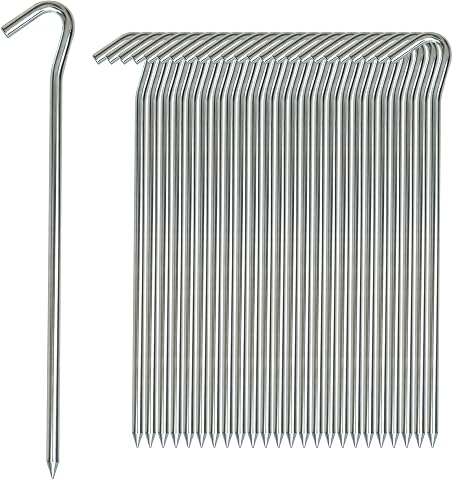
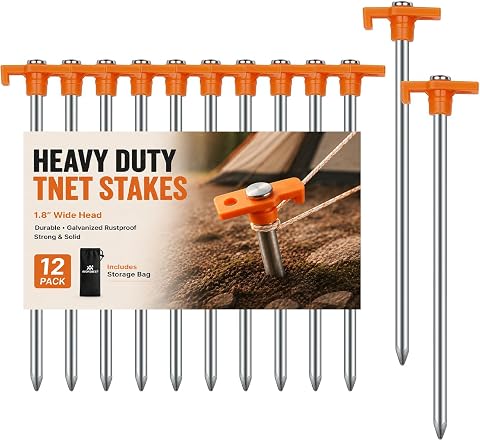
- Stakes and guylines:12 stakes; 6 guylines
Our verdict“Choose this tent for a group car-camping base where space and stove compatibility outweigh portability.”
GEERTOP 2 Person Blackout Camping Tent, Waterproof 4-Season Easy Setup
The GEERTOP is the most sleep-focused pick here: its blackout fabric is meant to reduce incoming light and provide added temperature insulation, a distinct priority from the straightforward storm-ready design of the Forceatt 2-3 Person Waterproof and Windproof Camping Tent. Two doors, two rooms, and vestibules give a pair of campers separate access and a place for gear, while the freestanding aluminum-pole setup is more suited to a campsite than the heavier stove-jack shelters in this lineup. Its stated 7.7-pound weight and packed size make it less compelling for long-distance backpacking than the 6.3-pound Clostnature. The waterproof figures—PU3000 outer layer and PU5000 floor—are useful details, but the listing does not specify extra ventilation options. Dry-clean-only care may also be inconvenient after muddy trips.
Pros:- Blackout fabric is designed to limit light in the sleeping area.
- Two doors and two rooms offer access and space separation for two campers.
- PU3000 outer layer and PU5000 floor provide stated water-resistance ratings.
- Freestanding design uses aluminum poles.
Cons:- At 7.7 pounds, it is heavier than the 6.3-pound Clostnature.
- Dry-clean-only care can complicate cleaning after outdoor use.
- The supplied description does not identify additional ventilation features.
Best for: Two-person campers who prioritize a dark sleeping space, gear separation, and a freestanding shelter for year-round trips.
Not ideal for: Long-distance backpackers seeking the lightest option, or campers who want clearly specified ventilation features and easy-care fabric.
- Capacity:2 people
- Water resistance:PU3000 outer layer; PU5000 floor
- Materials:Polyester, Oxford fabric, and aluminum
- Weight:7.7 lb
- Dimensions:82.6 × 55 × 45 in
- Packed size:17.3 × 6.7 × 6.7 in
- Doors and rooms:2 doors; 2 rooms
Our verdict“Pick the GEERTOP if a darker sleep environment matters more than minimum trail weight or simple fabric care.”
Clostnature 4 Season Backpacking Tent – 2 Person Cold Weather Winter Tent
Among the two-person shelters here, the Clostnature puts the strongest emphasis on carrying weight: its 6.3-pound listed weight and 5.3-pound minimum trail weight beat the GEERTOP’s 7.7 pounds. That makes it the more appealing choice for hikers who want a dedicated cold-weather tent without moving up to a car-camping shelter. Two doors and two vestibules help keep entry and gear storage manageable for a pair, while the double-layer doors offer a way to balance coverage and airflow. Its listed 1500mm water resistance is lower than the GEERTOP’s PU3000 outer layer and the Forceatt’s 3000mm index, so buyers focused on wet conditions may prefer those alternatives. The interior also tops out at 45.8 inches, and careful pitching matters for weather protection.
Pros:- 6.3-pound item weight and 5.3-pound minimum trail weight support backpacking.
- Two doors and two vestibules provide separate access and gear storage.
- Listed three-minute assembly time makes pitching quick.
- Mesh and fabric double-layer doors provide ventilation options.
Cons:- 1500mm water resistance is lower than the stated ratings for the GEERTOP and Forceatt.
- 45.8-inch maximum height may feel restrictive for taller campers.
- Weather protection depends on careful setup.
Best for: Two-person backpackers who want a compact cold-weather shelter with two vestibules and a lower carry weight than the GEERTOP.
Not ideal for: Campers expecting prolonged heavy rain or taller users who need generous headroom and interior space.
- Capacity:2 people
- Water resistance:1500mm
- Weight:6.3 lb; 5.3 lb minimum trail weight
- Floor dimensions:86.6 × 59 in
- Maximum height:45.8 in
- Doors and vestibules:2 doors; 2 vestibules
- Assembly time:About 3 minutes
Our verdict“Choose the Clostnature for two-person backpacking when lower carry weight matters more than a higher stated water-resistance rating.”
Inflatable Hot Tent with Skylight and Stove Jack, 4-6 Person
This inflatable shelter trades conventional poles for air-beam setup, with a listed inflation time of five minutes and no poles to assemble. That is a different kind of convenience from the 15-minute setup listed for the larger 4 Season Hot Tent with Stove Jack, 6-8 Person Poly-Cotton Cabin Tent, though the cabin tent holds more people. The inflatable model still provides a stove jack, mesh windows, and dual doors, so it suits cold-weather group camps where quick pitching and a panoramic PVC skylight are part of the appeal. Its 31-pound weight makes it a vehicle-based shelter rather than a hiking choice, and inflation requires a high-pressure pump. Buyers should also verify that the pump is available for their setup; a fast pitch depends on having the right equipment.
Pros:- Listed five-minute inflation avoids assembling conventional tent poles.
- Stove jack supports compatible cold-weather stove use.
- Mesh windows and two doors provide ventilation options.
- Panoramic PVC skylight adds an open view from inside.
Cons:- 31-pound weight makes it unsuitable for backpacking.
- Inflation requires a high-pressure pump.
- At 4–6-person capacity, it has less stated room than the 6–8-person cabin tent.
Best for: Car campers and outdoor groups who want a 4–6-person shelter that inflates quickly and accommodates a stove setup.
Not ideal for: Backpackers, campers carrying gear over long distances, or buyers unwilling to bring a high-pressure pump.
- Capacity:4–6 people
- Dimensions:118 × 83 × 78 in
- Weight:31 lb
- Material:420D Oxford with PU3000mm waterproofing
- Setup:Inflates in about 5 minutes; no poles
- Stove support:Stove jack included
- Doors and rooms:2 doors; 1 room
- Ventilation:Mesh windows and dual doors
Our verdict“Choose this inflatable tent for vehicle-supported group camping when rapid setup and a stove jack matter more than low weight.”
Forceatt 2-3 Person Waterproof and Windproof Camping Tent, Lightweight Aluminum Backpacking Tent for 3-4 Seasons
The Forceatt is the more flexible pick for campers who split time between mild-weather trips and occasional colder outings: its 3–4-season positioning avoids promising the same dedicated winter focus as the Clostnature or the stove-ready group tents. At 5.5 pounds, it is lighter than the GEERTOP and slightly lighter than the Clostnature’s listed item weight, while its 3000mm waterproof index gives it a stronger stated water rating than the Clostnature’s 1500mm. Dual doors and vestibules are part of the product description, making access and gear storage practical for a small party. Its tradeoff is that the listed interior is sized for 2–3 people, and there is no supplied specification for packed size or included stakes. Buyers planning severe winter conditions should favor a purpose-built four-season shelter instead.
Pros:- 5.5-pound listed weight is lower than the GEERTOP and Clostnature item weights.
- 3000mm waterproof index exceeds the Clostnature’s listed 1500mm.
- Dual doors and vestibules support access and gear storage.
- Listed setup time is about three minutes.
Cons:- Designed for 3–4 seasons, so it is not the strongest fit for severe winter conditions.
- 2–3-person capacity limits room for larger groups or bulky winter gear.
- Packed size and included stakes are not specified in the supplied data.
Best for: Two-person backpackers and weekend campers who want a light shelter for three-season use with some shoulder-season capability.
Not ideal for: Campers facing severe winter weather, larger groups, or buyers who need confirmed packed dimensions and included-stakes details.
- Capacity:2–3 people
- Season positioning:3–4 seasons
- Weight:5.5 lb
- Interior floor dimensions:88.6 × 53.1 in
- Interior height:43.3 in
- Waterproof index:3000mm
- Materials:Polyester and aluminum poles
- Doors and storage:Dual doors and vestibules
Our verdict“Pick the Forceatt for lighter shoulder-season trips, but choose a dedicated winter shelter for harsher conditions.”
OneTigris Stella 4-Season Camping Tent, Waterproof, Lightweight, Easy Setup, 2-Person
The OneTigris Stella stands out for campers who want a four-season shelter without a heavy pack load. At 4.8 pounds, it is easier to carry than the larger hot tents in this lineup, while its aluminum poles and stated 3000mm waterproof rating suit trips where compact gear and weather protection matter. The listed setup time is about three minutes, a practical advantage when conditions are poor or daylight is short. A removable blackout outer tent adds flexibility, though the supplied details do not establish how it performs in severe wind or deep snow.
Compared with the Clostnature 2 Person, the Stella’s clearest distinction is its removable outer layer and quick setup; both target compact, cold-weather use. Its 6.9-by-4.1-foot footprint and one-room layout leave limited room for two people and gear, so it is less suited to long stays than the larger stove-jack tents. The tradeoff is a more portable shelter, with extra stakes or guy lines potentially needed in strong wind.
Pros:- At 4.8 lb, it is a comparatively light option for carrying to camp.
- Listed setup time of about three minutes helps reduce pitching time in poor conditions.
- A 3000mm waterproof rating provides a stated measure of rain protection.
- Removable blackout outer tent allows a more adaptable configuration.
Cons:- Compact dimensions and one-room layout limit space for two people and their gear.
- May need additional stakes or guy lines in very windy conditions.
- No stove jack is listed, unlike the larger hot-tent options in the roundup.
Best for: Two-person campers prioritizing low carry weight, quick setup, and a compact four-season shelter for shorter trips.
Not ideal for: Campers who need generous interior room, space for extended stays, or a shelter designed around a stove; its two-person footprint is compact and no stove jack is listed.
- Occupancy:2 people
- Weight:4.8 lb / 2.2 kg
- Dimensions:6.9 ft x 4.1 ft x 3.7 ft
- Water resistance:3000mm waterproof rating
- Materials:Nylon tent, floor, and rainfly; aluminum poles
- Setup time:Approximately 3 minutes
- Poles:4
- Included:Tent poles, stakes, guy lines, and storage bag
Our verdict“Choose the Stella if you want a lightweight, quick-pitch four-season tent for two and can accept a tight interior.”
How We Picked
I compared these tents against the needs that matter most in cold-weather camping: the stated season range, weather protection, sleeping capacity, carry practicality, setup demands, and usable space for winter gear. I also treated stove compatibility as a separate feature rather than a blanket advantage, since a stove jack only helps buyers who want a hot-tent setup and can use it safely.
The ranking favors options with a clear role and a plausible balance of shelter performance and usability. The Clostnature takes the lead as a purpose-built two-person cold-weather backpacking choice; the OneTigris Stella follows as another compact, specifically four-season option. The group and inflatable hot tents rank lower for general use because their room and stove features come with a less portable, more specialized camp setup. GEERTOP and Forceatt are useful alternatives, but their blackout or three-to-four-season positioning makes careful matching to winter conditions especially important.
| four season camping tent | Materials |
|---|---|
| 4 Season Hot Tent with Stove J | — |
| GEERTOP 2 Person Blackout Camp | Polyester, Oxford fabric, and aluminum |
| Clostnature 4 Season Backpacki | — |
| Inflatable Hot Tent with Skyli | — |
| Forceatt 2-3 Person Waterproof | Polyester and aluminum poles |
| OneTigris Stella 4-Season Camp | Nylon tent, floor, and rainfly; aluminum poles |
Factors to Consider When Choosing Four Season Camping Tents
Before choosing a tent, match its design to the weather, trip style, and amount of gear you bring—not just the season label. These factors can help you avoid buying a roomy shelter that is awkward to carry or a lightweight tent that does not suit your exposure and campsite.
Match the tent to the winter conditions you actually face
Cold-weather camping can mean anything from frosty forest camps to exposed sites with strong wind and blowing snow, and those conditions place different demands on a shelter. Read the product’s stated season range and setup guidance rather than treating “four-season” as a guarantee of performance in every storm. A tent suitable for sheltered trips may not be the right choice for a high, exposed campsite. Check how the design handles ventilation, wind exposure, and snow loading, and plan to clear snow rather than letting it accumulate. When conditions are severe or uncertain, site choice and pitching skill matter alongside the tent itself. Choose for your most demanding likely trip, not just the easiest outing on your calendar.
Choose capacity based on winter gear, not summer occupancy
Sleeping capacity usually describes how many people can fit, not how comfortable they will be with bulky winter sleeping bags, insulated pads, boots, and packs. Two campers may find a two-person shelter workable for sleeping but cramped when weather keeps them inside. If you expect long hours in camp, extra floor space and a vestibule can make daily routines easier. Larger tents add weight and take more room in a vehicle or at a campsite, so that comfort has a real cost. Solo campers who want to bring equipment inside may prefer extra capacity, while backpackers often need to keep the shelter small. Check both the floor plan and the storage arrangement before deciding that a listed capacity is enough.
Treat stove-jack compatibility as a system, not a bonus
A stove jack allows a compatible stove pipe to pass through the tent fabric, but it does not make every stove safe or suitable for every shelter. Verify the recommended stove size, pipe route, heat clearances, and ventilation instructions for the specific tent and stove combination. Plan for a stable, fire-resistant cooking or heating area and keep combustible gear away from hot surfaces. A stove can add warmth and help dry damp items, but it also brings fuel, maintenance, and fire-management tasks. Buyers who do not want those responsibilities may be better served by a conventional cold-weather tent and appropriate sleep insulation. Never rely on a stove as a substitute for safe ventilation or a suitable sleeping system.
Balance carry weight against time spent at camp
Backpackers feel every extra pound on the approach, while car campers may prefer a roomier shelter that is easier to live in for several nights. Compare the packed tent, poles, stakes, footprint, and any stove equipment as a complete load rather than looking only at the tent body. A lightweight tent can be a poor choice if it leaves too little room for the trip’s gear, while a spacious hot tent may be impractical on a long hike. For trips with a short walk from the vehicle, comfort and interior room can matter more than minimum weight. For trail travel, prioritize manageable packed bulk and a setup you can pitch in poor weather. Decide where the tent will spend most of its time—on your back or at camp.
Check setup demands and campsite requirements
Winter pitching can involve gloves, fading light, frozen ground, and limited places to anchor a shelter, so a simple setup can prevent frustration. Look for clear instructions about pole structure, guy lines, stake needs, and whether the tent requires a broad, level site. Some campsites make it difficult to drive stakes, which may call for suitable anchors or careful use of available terrain. Practice pitching at home before relying on a new tent in cold weather. Inflatable designs also require buyers to understand their pump, inflation process, and backup plan if a component fails. A shelter that pitches reliably for your group and campsite can be a better fit than one with extra features you rarely use.
Read waterproofing details alongside ventilation
Rain and snow protection matter, but a tightly sealed shelter can collect condensation when warm, moist air meets cold fabric. Check how the tent manages airflow and whether vents can remain useful in the conditions you expect. A blackout coating, such as the feature highlighted on the GEERTOP, addresses light inside the tent; it should not be mistaken for evidence of stronger storm protection. Seams, floor coverage, fly design, and the quality of the pitch all affect how well a shelter handles wet conditions. Use a footprint only when it is compatible and does not extend beyond the tent floor, where it could channel water underneath. Good site drainage and ventilation remain part of the setup, not just the tent’s specifications.
Frequently Asked Questions
Can I use a three-to-four-season tent for winter camping?
Possibly, but the season range alone cannot tell you whether a specific tent fits your route and weather. Check the manufacturer’s guidance for wind, precipitation, and intended conditions, then compare that with your campsite exposure and experience. A sheltered winter trip with a dependable forecast places different demands on a tent than an exposed trip where strong winds or heavy snow are possible. The Forceatt is listed for three to four seasons, so I would treat it as a choice to evaluate carefully against your conditions rather than assume it matches a dedicated winter shelter. When the forecast or terrain is beyond the tent’s stated use, choose a more suitable shelter or change the trip plan.
Should I buy a larger tent or a two-person backpacking tent for winter?
Choose based on how you travel and how much time you expect to spend inside. A compact two-person model is easier to carry and makes more sense when the shelter must go on a backpack, but winter sleep systems and packs can make the interior feel tight. A larger tent provides more room for people and gear, yet adds substantial bulk and is usually better suited to vehicle-based or fixed-camp trips. If you camp alone, extra capacity may make room for equipment, but it can still be unnecessary weight on the trail. Sketch out who and what needs to fit before choosing by the capacity number alone.
Is a stove-jack tent a good choice for a first winter camping trip?
It can suit a first trip if you want a base-camp setup and are prepared to learn stove operation, ventilation, and fire safety. The jack itself does not supply heat or make an incompatible stove safe, so check the tent and stove instructions as a pair. New winter campers may find a conventional shelter easier to manage while they learn how to choose a site and stay warm with suitable clothing and sleep gear. A hot tent also means carrying extra equipment and fuel, which can rule it out for backpacking. Pick one only if its benefits match your camp style and you are ready to follow the safety requirements.
What should I prioritize if I expect both rain and snow?
Start with the tent’s stated weather use and construction details, then look at the whole pitch: fly coverage, floor protection, seams, guy-out points, and ventilation. Wet snow and rain can expose weaknesses that a season label does not describe, while still air can increase condensation inside a tightly closed tent. A sheltered, well-drained campsite can reduce exposure, but it cannot compensate for choosing a shelter outside its intended conditions. Make sure you can secure the tent with the anchors suited to the ground and keep vents usable as weather allows. Pack a plan for managing moisture, since damp clothing and sleep gear can quickly undermine comfort.
Which tent type makes the most sense for a family or group winter base camp?
A roomy cabin-style or hot-tent design is usually a more natural fit for a group base camp than a compact backpacking shelter, particularly when people need space for bulky equipment. The 6–8 person poly-cotton tent and the 4–6 person inflatable hot tent are the group-oriented choices in this roundup, while the Clostnature and Stella target smaller trips. Compare the usable floor area and sleeping layout with the number of campers rather than assuming the maximum capacity will feel spacious. Also account for transport, pitching room, and any stove-related responsibilities. If the group must carry the tent far from a vehicle, the larger format may be the wrong tradeoff.
Conclusion
For the broadest fit among these options, I recommend the Clostnature 4 Season Backpacking Tent as the best overall pick for two-person cold-weather trips where carry practicality matters. The Forceatt is my best value-style choice for buyers who want a lightweight, accessible tent and whose conditions fit its three-to-four-season positioning; it is not my pick for assuming the most demanding winter use. For a beginner, the GEERTOP offers a straightforward alternative when blackout performance and easy setup matter, but buyers should verify that its protection suits their expected weather. The OneTigris Stella is the compact choice for campers seeking a dedicated two-person four-season format, while the poly-cotton hot tent is best for groups wanting stove-compatible base-camp space. I’d reserve the inflatable hot tent for buyers who specifically want a larger stove-ready shelter and are comfortable with its specialized setup. Choose by trip conditions and transport first; extra room or heating features only help when they fit the way you camp.
Halloween Picks

DomKom 6 ft Halloween Inflatable Ghosts Roasting Marshmallows

Halloween Inflatable Haunted House Maze – 20×20 ft with Removable Roof and Blower

Kalolary 11 ft Halloween Inflatable Archway Ghost House Tunnel
As an affiliate, we earn on qualifying purchases.