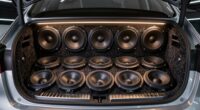
For a balanced component car speaker upgrade, I’d start with the JBL GTO609C, which pairs a two-way layout with a well-rounded feature set; the Focal 165AS3 stands out for shoppers seeking a three-way system, while the Rockford Fosgate Prime R165-S is a straightforward two-way alternative. The main tradeoffs are sound-system complexity, amplifier needs, and installation flexibility—not just headline wattage. Three-way kits can offer more driver specialization, but they may take more work to place and tune than conventional two-way sets. I’ve ranked these 14 options by how well their configuration, power requirements, and practical fit serve different buyers. Continue reading for the full comparison and help matching a set to your car and audio plans.

Get business pricing on monitors, keyboards and dev gear
- Business-only prices and quantity discounts
- Tax-exempt purchasing
- Multiple users, one account, clear invoices
Key Takeaways
- The JBL GTO609C is my best overall pick because it offers a balanced two-way path for shoppers who want an upgrade without stepping up to a more involved three-way layout.
- Three-way systems are a distinct choice, not an automatic upgrade: the Focal 165AS3 and CT Sounds Meso three-way set suit buyers willing to plan driver placement and system integration.
- Published maximum wattage does not tell the whole story. Match speakers to amplifier output and check RMS power handling before choosing among high-wattage options such as the Pioneer P.R.O. Series or CT Sounds Meso.
- There are several practical two-way alternatives at different levels of system complexity: Rockford Fosgate Prime R165-S, Pioneer TS-A1601C, and Alpine SXE-1751S are worth comparing if you want to keep the setup simpler.
- Fit and installation needs can separate a good match from a frustrating purchase. Tweeter placement, crossover space, mounting depth, and vehicle-specific adapters matter across this roundup, even when speaker diameter is listed as 6.5 inches.
| Alpine SXE-1751S 6.5-inch 2-Way Component Car Speakers (Pair) |  | Best Balanced Everyday Upgrade | Speaker configuration: 2-way component | Woofer diameter: 6.5 inches | RMS power: 45 Watts | VIEW ON AMAZON | See Our Full Breakdown |
| Pioneer P.R.O. Series TS-M651PRO 6.5″ Component Car Speakers 500W Max |  | Best for High-Output Systems | Speaker size: 6.5 inches | Configuration: Component | Power handling: 120W RMS; 500W maximum | VIEW ON AMAZON | See Our Full Breakdown |
| Pyle 2-Way Custom Component Speaker System – 6.5” 400 Watt, Yellow |  | Best for Flexible Tweeter Placement | Configuration: 2-way component | Speaker size: 6.5 inches | Tweeter size: 0.5 inches | VIEW ON AMAZON | See Our Full Breakdown |
| Focal 165AS3 6.5” 3-Way Component Speaker Kit, RMS 80W, Max 160W |  | Best Three-Way Design | Configuration: 3-way component | Woofer diameter: 6.5 inches | Tweeter diameter: 1 inch | VIEW ON AMAZON | See Our Full Breakdown |
| CT Sounds Meso 6.5” 500 Watt 3-Way Premium Component Car Speaker Set |  | Best for High-Power Three-Way Builds | Configuration: 3-way component | Speaker size: 6.5 inches | Power handling: 250W RMS; 500W maximum | VIEW ON AMAZON | See Our Full Breakdown |
| Rockford Fosgate Prime R165-S 6.5” 2-Way Component Speaker System (Pair) |  | Best for OEM-Style Replacement | Speaker size: 6.5 inches | Configuration: 2-way component system | Tweeter diameter: 0.5 inches | VIEW ON AMAZON | See Our Full Breakdown |
| CT Sounds Meso 6.5” 320 Watt 2-Way Premium Component Car Speaker Set |  | Best for High-Output Two-Way Builds | Speaker size: 6.5 inches | Configuration: 2-way component set | RMS power: 160 watts | VIEW ON AMAZON | See Our Full Breakdown |
| ORION Cobalt CT-CK655 6.5” 4 Ohm 2-Way Car Speaker Set of 2 with Tweeters |  | Best for Simple Flush-Mount Replacements | Speaker size: 6.5 inches | Configuration listed: 2-way; description also identifies coaxial speakers | Impedance: 4 ohms | VIEW ON AMAZON | See Our Full Breakdown |
| Pioneer TS-A1601C 6.5″ 2-Way Component Car Speakers |  | Best for Published Performance Details | Speaker size: 6.5 inches | Configuration: 2-way component | Continuous power handling: 80 watts | VIEW ON AMAZON | See Our Full Breakdown |
| ORION Cobalt CB65C 6.5″ 2-Way Component Speaker System, 280W Pair |  | Best for a Defined Mid-Power Upgrade | Woofer diameter: 6.5 inches | Configuration: 2-way component system | Impedance: 4 ohms | VIEW ON AMAZON | See Our Full Breakdown |
| JBL GTO609C 270 Watts 6.5-Inch Premium Car Audio Component Speaker System |  | Best for Adjustable Tweeter Tuning | Speaker size: 6.5 inches | Power handling: 270 watts | Tweeter diameter: 19 mm | VIEW ON AMAZON | See Our Full Breakdown |
| KICKER 51KSS6504 KS-Series 6.5″ Component System with 1″ Tweeters, 4-Ohm, Pair |  | Best for Clear, Full-Range Daily Listening | Model number: 51KSS6504 | Speaker size: 6.5 inches | Tweeter size: 1 inch | VIEW ON AMAZON | See Our Full Breakdown |
| Recoil REM65 Echo Series 6.5-Inch Car Audio Component Speaker System |  | Best for Buyers Prioritizing Stated RMS Power | Speaker diameter: 6.5 inches | RMS power: 100 watts | Peak power: 200 watts | VIEW ON AMAZON | See Our Full Breakdown |
| Pioneer TS-D65C 6.5″ 2-Way Car Component Speakers – 270W Max |  | Best for Installation Flexibility | Speaker size: 6.5 inches | System type: 2-way component | Maximum power: 270 watts | VIEW ON AMAZON | See Our Full Breakdown |
| component car speaker | Speaker size | Impedance | Configuration | Tweeter diameter |
|---|---|---|---|---|
| Alpine SXE-1751S 6.5-inch 2-Wa | — | 4 Ohms | — | — |
| Pioneer P.R.O. Series TS-M651P | 6.5 inches | — | Component | — |
| Pyle 2-Way Custom Component Sp | 6.5 inches | 4 ohms | 2-way component | — |
| Focal 165AS3 6.5” 3-Way Compon | — | 4 ohms | 3-way component | 1 inch |
| CT Sounds Meso 6.5” 500 Watt 3 | 6.5 inches | 4 ohms | 3-way component | 25mm |
| Rockford Fosgate Prime R165-S | 6.5 inches | 4 ohms | 2-way component system | 0.5 inches |
| CT Sounds Meso 6.5” 320 Watt 2 | 6.5 inches | 4 ohms | 2-way component set | 25 mm |
| ORION Cobalt CT-CK655 6.5” 4 O | 6.5 inches | 4 ohms | — | — |
| Pioneer TS-A1601C 6.5" 2-Way C | 6.5 inches | — | 2-way component | — |
| ORION Cobalt CB65C 6.5" 2-Way | — | 4 ohms | 2-way component system | — |
| JBL GTO609C 270 Watts 6.5-Inch | 6.5 inches | — | — | 19 mm |
| KICKER 51KSS6504 KS-Series 6.5 | 6.5 inches | 4 ohms | — | — |
| Recoil REM65 Echo Series 6.5-I | — | — | — | 1 inch |
| Pioneer TS-D65C 6.5" 2-Way Car | 6.5 inches | — | — | 26 mm |
More Details on Our Top Picks
Alpine SXE-1751S 6.5-inch 2-Way Component Car Speakers (Pair)
I’d choose the Alpine SXE-1751S for a straightforward component upgrade where balanced coverage matters more than extreme output. Its 45W RMS handling and stated 60Hz–20kHz response suit everyday listening, while the 6.5-inch format fits a common vehicle speaker size. Compared with the high-output Pioneer TS-M651PRO, the Alpine is the less specialized choice: it avoids that model’s emphasis on high sound pressure, but its supplied data also gives no sensitivity figure to help predict how loudly it will play from a factory stereo. The 4-ohm impedance is a familiar match for many car systems. Its tradeoffs are modest power handling beside the CT Sounds Meso and no water resistance, so I’d keep it inside a protected cabin and skip it for a system built around very high amplifier output.
Pros:- 45W RMS handling supports a practical everyday car-audio upgrade.
- Stated 60Hz–20kHz frequency response covers a broad range for music playback.
- 4-ohm impedance suits many conventional car audio setups.
- 6.5-inch woofer size is a common fitment dimension.
Cons:- Lower RMS handling than the Pioneer TS-M651PRO and CT Sounds Meso 3-way set.
- No sensitivity specification is provided to estimate output with a factory head unit.
- Not waterproof, so it is intended for protected vehicle installation.
Best for: Drivers replacing factory speakers for regular music listening who want a conventional 6.5-inch component set and do not need high-SPL output.
Not ideal for: Listeners building a high-output system or anyone needing speakers for exposed, wet locations; the rated RMS handling is lower than the Pioneer TS-M651PRO and the Alpine is not waterproof.
- Speaker configuration:2-way component
- Woofer diameter:6.5 inches
- RMS power:45 Watts
- Peak power:280 Watts
- Impedance:4 Ohms
- Frequency response:60Hz–20kHz
- Tweeter type:Neodymium
- Waterproof:No
- Warranty:1-year manufacturer warranty
Our verdict“Pick the Alpine for a conventional daily-driver upgrade, but choose the Pioneer TS-M651PRO or CT Sounds Meso if your priority is higher-output playback.”
Pioneer P.R.O. Series TS-M651PRO 6.5″ Component Car Speakers 500W Max
The Pioneer TS-M651PRO is the pick here for drivers who want high output from a 6.5-inch component speaker, not a mild factory replacement. Its listed 94dB sensitivity and 120W RMS handling point toward a system designed to play loudly, while the 50Hz–18kHz response gives a stated range for bass and treble coverage. That makes it a clearer high-SPL choice than the Alpine SXE-1751S, whose 45W RMS rating is more modest. The tradeoff is that the Pioneer’s 500W figure is maximum handling, not continuous power; buyers should size amplification around the 120W RMS rating and plan for careful installation. Compared with the Focal 165AS3, it is more focused on loud playback than a three-way layout. It may be excessive for casual listening or a basic system without suitable amplification.
Pros:- 94dB sensitivity is specified, helping buyers compare potential output with other models.
- 120W RMS handling is higher than the Alpine SXE-1751S’s 45W RMS rating.
- 50Hz–18kHz stated frequency range covers a broad span of playback.
- Designed for high-SPL applications and dynamic listening.
Cons:- The 500W maximum figure can be misleading if mistaken for continuous power; RMS handling is 120W.
- Proper installation and appropriate amplification matter for getting the intended performance.
- High-output orientation may be unnecessary for casual listeners using a factory stereo.
Best for: Car-audio enthusiasts adding an amplifier and seeking a sensitive 6.5-inch component set for louder playback and high-SPL use.
Not ideal for: Drivers keeping a basic factory system or seeking an easy casual-listening swap; its high-output focus and installation demands may be unnecessary for those setups.
- Speaker size:6.5 inches
- Configuration:Component
- Power handling:120W RMS; 500W maximum
- Sensitivity:94dB
- Frequency response:50Hz–18kHz
- Item weight:5.68 pounds
- Product dimensions:4.17 x 6.85 x 6.85 inches
Our verdict“Choose the Pioneer when you’re building an amplified, loud-playing system; for modest everyday listening, the Alpine SXE-1751S is a less specialized alternative.”
Pyle 2-Way Custom Component Speaker System – 6.5” 400 Watt, Yellow
The Pyle system earns its place for buyers who need multiple tweeter mounting options rather than a simple drop-in replacement. Its 0.5-inch silk-dome tweeters can be flush-, surface- or angle-mounted, giving installers more freedom to direct high frequencies around a vehicle’s layout. That makes it more adaptable than the Alpine SXE-1751S in placement, though Alpine supplies a clearer full-range response specification. Pyle lists a 1.3kHz–22kHz response, but that figure leaves the low-frequency limits of the complete system unclear, so I wouldn’t treat it as a verified full-system range. The 400W power-handling claim also lacks an RMS figure in the supplied data. Its varied materials and included wiring kit are useful for a custom install, but buyers should be prepared to handle wiring and fitment rather than expect a simple factory-style swap.
Pros:- Flush, surface, and angle mounting options let installers adapt tweeter placement.
- Includes a wiring kit for a custom installation.
- 6.5-inch mid-bass speakers use a common vehicle size.
- Silk-dome tweeters and multiple listed construction materials support a varied component design.
Cons:- The supplied 1.3kHz–22kHz range does not clarify the complete system’s low-frequency response.
- 400W power handling is listed without an RMS rating.
- Installation requires wiring and fitment knowledge; the speakers are not listed as waterproof.
Best for: DIY installers who want flexible tweeter positioning and are comfortable checking fitment, wiring, and amplifier compatibility before installation.
Not ideal for: Buyers wanting clearly stated RMS handling or a verified full-system frequency range; the supplied specifications do not provide either.
- Configuration:2-way component
- Speaker size:6.5 inches
- Tweeter size:0.5 inches
- Power handling:400 watts
- Impedance:4 ohms
- Listed frequency response:1.3kHz–22kHz
- Tweeter mounting options:Flush, surface, and angle
- Tweeter material:Silk dome
- Color:Yellow
Our verdict“Choose Pyle for adaptable tweeter mounting and a hands-on installation, but pick the Alpine SXE-1751S if clearer power and frequency specifications matter more.”
Focal 165AS3 6.5” 3-Way Component Speaker Kit, RMS 80W, Max 160W
I’d shortlist the Focal 165AS3 for buyers specifically interested in a three-way component layout with a stated 80W RMS rating. Its woven-fiberglass woofer and TN44 tweeter are named in the product information, while the ABS chassis offers a different construction approach from Pyle’s mix of steel, aluminum, and polymer components. Compared with the Alpine SXE-1751S, Focal brings a three-way design and higher RMS handling, but the Alpine provides a more complete frequency-response range: Focal’s supplied specification says only 55 hertz, without an upper limit. Its 160W maximum rating is also well below the CT Sounds Meso’s 500W maximum, so this is not the choice for chasing the largest power figures. A two-year warranty is a useful distinction, but buyers still need to confirm vehicle fitment and plan for wired installation.
Pros:- Three-way component design differs from the Alpine SXE-1751S’s two-way layout.
- 80W RMS handling exceeds the Alpine’s 45W RMS rating.
- Woven-fiberglass woofer and ABS chassis are specified materials.
- Two-year warranty is longer than the Alpine’s listed one-year warranty.
Cons:- The supplied frequency-response specification lists 55Hz only, with no upper limit.
- 160W maximum handling is lower than the CT Sounds Meso’s 500W maximum.
- Requires vehicle installation and wired connections; it is not waterproof.
Best for: Drivers who want a 6.5-inch three-way component kit with 80W RMS handling and a woven-fiberglass woofer for a planned vehicle installation.
Not ideal for: High-output system builders seeking a much higher power-handling figure, or shoppers who require a complete published frequency range before choosing.
- Configuration:3-way component
- Woofer diameter:6.5 inches
- Tweeter diameter:1 inch
- RMS power:80W
- Maximum power:160W
- Impedance:4 ohms
- Listed frequency response:55 hertz
- Materials:Woven fiberglass and ABS
- Warranty:2 years
Our verdict“Pick the Focal if a three-way design and 80W RMS rating suit your build, but look at the CT Sounds Meso for a higher stated power ceiling.”
CT Sounds Meso 6.5” 500 Watt 3-Way Premium Component Car Speaker Set
The CT Sounds Meso is the lineup’s strongest match for an enthusiast planning around high RMS power and a three-way layout. Its 250W RMS rating stands well above the Focal 165AS3’s 80W RMS and the Alpine SXE-1751S’s 45W RMS, making amplifier matching a defining part of the decision rather than an afterthought. The set lists a midrange and silk-dome tweeters, with a 25mm tweeter diameter, but its frequency specification is only 20,000Hz rather than a full range. That limits direct response comparisons with Alpine and Pioneer. The listed 12.4-pound weight and large dimensions also call for careful fitment and sturdy mounting; this is less appealing as a quick factory-speaker replacement. It is not water resistant, so its stated outdoor-event suitability should not be read as protection from rain or exposure.
Pros:- 250W RMS handling is the highest RMS rating among these five products.
- Three-way design includes a midrange and silk-dome tweeters.
- 6.5-inch driver size supports comparison with common car speaker openings.
- Listed for car and truck compatibility.
Cons:- At 12.4 pounds with substantial listed dimensions, fitment and mounting deserve careful checking.
- The supplied frequency specification lists 20,000Hz without a lower limit.
- Not water resistant, despite the product description mentioning outdoor events.
Best for: Car and truck audio enthusiasts building an amplified, high-power three-way system who can verify space, mounting strength, and wiring needs.
Not ideal for: Drivers seeking a light, simple replacement for factory speakers, or anyone installing speakers where they may be exposed to water.
- Configuration:3-way component
- Speaker size:6.5 inches
- Power handling:250W RMS; 500W maximum
- Impedance:4 ohms
- Tweeter diameter:25mm
- Listed frequency specification:20,000Hz
- Item weight:12.4 pounds
- Dimensions:7.4 x 7.8 x 16.69 inches
- Water resistance:Not water resistant
Our verdict“Choose the CT Sounds Meso for a carefully fitted, amplified three-way build with high RMS handling; the Focal 165AS3 is a less power-focused alternative.”
Rockford Fosgate Prime R165-S 6.5” 2-Way Component Speaker System (Pair)
I’d put the Rockford Fosgate Prime R165-S on the shortlist for replacing factory speakers while keeping the system straightforward. Its 6.5-inch woofers, separate 0.5-inch tweeters, and integrated crossovers provide the component layout buyers want without requiring a move to a higher-powered setup like the CT Sounds Meso. The stated 80-watt peak handling suits a modest factory or aftermarket system, but it gives less headroom than the Pioneer TS-A1601C’s listed 350-watt maximum. The polypropylene woofer and Mylar tweeter are intended for durable in-car use, though this set is not waterproof. I’d also verify the vehicle’s mounting space and 4-ohm compatibility before buying: the included hardware may help, but component installs still call for basic wiring and fitment know-how.
Pros:- Separate woofers and tweeters with integrated crossovers
- 80-watt peak handling fits modest system upgrades
- Polypropylene woofers and Mylar tweeters are suited to in-car use
- Mounting hardware is included
Cons:- Lower stated peak power than the Pioneer TS-A1601C and CT Sounds Meso
- Requires a 4-ohm system and some installation knowledge
- Not waterproof
Best for: Drivers replacing factory 6.5-inch speakers who want separate tweeters and crossovers without building a high-power audio system.
Not ideal for: Buyers planning a high-output amplifier setup, or anyone whose vehicle requires a different impedance or has exposed speaker locations that need waterproofing.
- Speaker size:6.5 inches
- Configuration:2-way component system
- Tweeter diameter:0.5 inches
- Peak power:80 watts
- Impedance:4 ohms
- Woofer material:Polypropylene
- Tweeter material:Mylar
- Warranty:1-year limited
Our verdict“Choose the R165-S for a conventional factory-speaker replacement with component-style separation, not for maximum amplifier headroom.”
CT Sounds Meso 6.5” 320 Watt 2-Way Premium Component Car Speaker Set
For buyers who want a component set with more stated power capacity than a basic factory replacement, I’d favor the CT Sounds Meso. Its 160-watt RMS and 320-watt maximum ratings give it more headroom on paper than the Rockford Fosgate Prime R165-S, whose peak rating is 80 watts. The silk-dome tweeters, passive crossovers, and supplied wiring support a more deliberate two-way installation, while the product description emphasizes balanced mid-bass and treble for listening at higher levels. That makes the Meso a better match for an upgraded wired system than for a minimal plug-in refresh. The tradeoffs are limited documentation—the frequency-response range is not specified—and no water-resistance rating. I’d choose it over the Pioneer TS-A1601C only when its particular power ratings and included components suit the planned system.
Pros:- 160-watt RMS and 320-watt maximum power ratings
- Silk-dome tweeters and passive crossovers included
- Wiring and mounting hardware support a component installation
- Designed for a balance of mid-bass and treble
Cons:- Frequency-response range is not specified
- No water-resistance rating
- Wired installation requires suitable vehicle fitment and system matching
Best for: Car-audio upgraders pairing 6.5-inch component speakers with an amplifier and seeking higher stated RMS handling than an entry-level replacement.
Not ideal for: Drivers who want verified frequency-response specifications, wireless connectivity, or speakers for locations exposed to water.
- Speaker size:6.5 inches
- Configuration:2-way component set
- RMS power:160 watts
- Maximum power:320 watts
- Impedance:4 ohms
- Tweeter diameter:25 mm
- Tweeter type:Silk dome
- Warranty:1 year
Our verdict“Pick the Meso when a higher-output two-way component setup matters more than complete published response specifications.”
ORION Cobalt CT-CK655 6.5” 4 Ohm 2-Way Car Speaker Set of 2 with Tweeters
The ORION Cobalt CT-CK655 is best treated as a straightforward 6.5-inch vehicle-speaker replacement, not as the most fully documented component system here. The listing specifies a 50-watt RMS rating and 450-watt maximum, but that large maximum figure doesn’t tell me how it will compare at everyday listening levels; the CT Sounds Meso provides a clearer RMS figure at 160 watts. The CT-CK655’s polypropylene cones and neodymium dome tweeters offer a practical material mix, while flush mounting may suit vehicles with compatible openings. However, the description calls this set coaxial even as it mentions tweeters, so I’d confirm the exact speaker layout and installation requirements before treating it as a conventional separate-component kit. Its listed 80 Hz response also offers limited guidance for buyers prioritizing deep bass.
Pros:- 50-watt RMS rating is provided alongside the maximum rating
- Polypropylene cones and neodymium dome tweeters
- 4-ohm impedance suits compatible vehicle systems
- Flush-mount format may fit suitable factory locations
Cons:- Product description is inconsistent about coaxial versus component configuration
- Listed 80 Hz response provides limited information about bass extension
- Not water resistant
Best for: Drivers seeking a basic 6.5-inch, 4-ohm replacement set for compatible flush-mount locations and who will verify the speaker layout before installation.
Not ideal for: Buyers specifically requiring clearly documented separate component crossovers, deep-bass performance, or water-resistant speakers.
- Speaker size:6.5 inches
- Configuration listed:2-way; description also identifies coaxial speakers
- Impedance:4 ohms
- RMS power:50 watts
- Maximum power:450 watts
- Frequency response listed:80 Hz
- Mounting type:Flush mount
- Cone and tweeter materials:Polypropylene and neodymium
Our verdict“Consider the CT-CK655 for a simple compatible 6.5-inch replacement, but confirm its configuration before buying it as a component kit.”
Pioneer TS-A1601C 6.5″ 2-Way Component Car Speakers
I’d rank the Pioneer TS-A1601C highly for buyers comparing system fit and output on the basis of published specs. Its 80-watt continuous handling, 90 dB sensitivity, and stated 33 Hz–58 kHz response offer more decision-making detail than the CT Sounds Meso, which does not list a frequency range. The multi-fit adapters may also ease installation across compatible vehicle openings, although they do not remove the need to check depth, wiring, and tweeter placement. Compared with the Rockford Fosgate Prime R165-S, Pioneer claims substantially higher maximum power handling, but amplifier matching still matters: the 350-watt maximum is not the same as continuous handling. I’d select it for a measured upgrade plan, not simply because its frequency range or peak rating looks larger on paper.
Pros:- 80-watt continuous power handling is specified
- 90 dB sensitivity provides a useful system-matching reference
- 33 Hz–58 kHz frequency response is listed
- Multi-fit adapters are included for compatible installations
Cons:- The 350-watt maximum rating should not be mistaken for continuous handling
- Installation still depends on vehicle-specific fit and proper wiring
- Amplifier output must be matched to the 80-watt continuous rating
Best for: DIY installers who want a 6.5-inch component set with stated continuous power, sensitivity, frequency response, and multi-fit adapters.
Not ideal for: Buyers who cannot verify vehicle fitment or plan to run the speakers without matching amplifier output to their continuous power handling.
- Speaker size:6.5 inches
- Configuration:2-way component
- Continuous power handling:80 watts
- Maximum power handling:350 watts
- Frequency response:33 Hz–58 kHz
- Sensitivity:90 dB
- Item weight:1.8 pounds
- Dimensions:1.89 x 5.67 x 1.89 inches
Our verdict“Choose the TS-A1601C if published system-matching specifications and adaptable fitment matter more than a simple low-power replacement.”
ORION Cobalt CB65C 6.5″ 2-Way Component Speaker System, 280W Pair
The ORION Cobalt CB65C offers a clear middle ground for buyers who want a named RMS rating and a specified response range without stepping up to the CT Sounds Meso’s higher stated 160-watt RMS capacity. Its 70-watt RMS handling, 88 dB sensitivity, and 70 Hz–20 kHz response make the system’s intended range easier to compare than the less-documented ORION CT-CK655. A silk-dome tweeter is listed, and the pair’s 280-watt peak rating may appeal to listeners planning a moderate vehicle-audio upgrade. Still, peak power should not drive amplifier choice; the RMS figure is the more useful match. The set is not waterproof, and the product data’s coaxial mounting description sits awkwardly beside its component-system title, so I’d confirm the speaker arrangement and crossover details before purchase.
Pros:- 70-watt RMS and 280-watt peak ratings are specified
- 70 Hz–20 kHz frequency response is listed
- 88 dB sensitivity helps with system comparisons
- Silk-dome tweeter is specified
Cons:- Lower RMS power handling than the CT Sounds Meso
- Not waterproof
- Product data describes coaxial mounting despite the component-system title
Best for: Drivers planning a moderate 4-ohm car-audio upgrade who want a specified RMS rating, sensitivity, and frequency range.
Not ideal for: Buyers seeking high RMS capacity, waterproof installation, or a fully clear description of separate component and crossover arrangements.
- Woofer diameter:6.5 inches
- Configuration:2-way component system
- Impedance:4 ohms
- RMS power:70 watts
- Peak power:280 watts
- Frequency response:70 Hz–20 kHz
- Sensitivity:88 dB
- Tweeter type:Silk dome
Our verdict“Choose the CB65C for a documented mid-power upgrade, after confirming that its component layout matches your installation plan.”
JBL GTO609C 270 Watts 6.5-Inch Premium Car Audio Component Speaker System
The JBL GTO609C is a strong fit for buyers who want to tailor treble to their car’s layout rather than accept a fixed balance. Its adjustable tweeter volume can help compensate when tweeters sit close to the listener or are aimed off-axis, while the I-Mount system offers flexible placement. The Plus One carbon-injected woofer cone is intended to move more air for fuller bass from a 6.5-inch driver. Compared with the Pioneer TS-D65C, JBL emphasizes tweeter adjustment and mounting flexibility; Pioneer supplies a stated continuous power rating and a wider mounting-style list. The tradeoff is that JBL’s supplied data gives no sensitivity or frequency response, so matching it to an existing head unit or amplifier takes more research. It is also not water resistant, making it a poor choice for exposed installations.
Pros:- Adjustable tweeter volume allows some control over treble balance.
- I-Mount system supports flexible tweeter placement.
- Plus One carbon-injected cone is designed to support stronger bass output.
- 270-watt power-handling figure suits buyers planning a higher-output car audio setup.
Cons:- No sensitivity or frequency-response figures are supplied for system matching.
- Not water resistant, limiting suitability for exposed locations.
- Wired car-audio use only; it does not offer wireless connectivity.
Best for: Listeners fitting component speakers into a car where tweeter placement or brightness needs adjustment, especially those comfortable checking amplifier compatibility.
Not ideal for: Buyers seeking weather-resistant speakers or a plug-and-play choice with clearly listed sensitivity and frequency-response figures.
- Speaker size:6.5 inches
- Power handling:270 watts
- Tweeter diameter:19 mm
- System type:2-way component
- Woofer cone:Carbon-injected Plus One
- Tweeter mounting:I-Mount system
- Connectivity:Wired
- Water resistance:Not water resistant
Our verdict“Choose the JBL GTO609C if adjustable tweeter level and flexible placement matter more than published system-matching details or water resistance.”
KICKER 51KSS6504 KS-Series 6.5″ Component System with 1″ Tweeters, 4-Ohm, Pair
The KICKER 51KSS6504 suits drivers who want a conventional 6.5-inch component set with a stated 4-ohm impedance and 1-inch tweeters. Its polypropylene cones and silk components point toward a balanced everyday setup, while the listed 40 Hz response figure suggests bass extension is part of the design brief. That number alone does not show how loud the speakers play at a given power, so I would still check amplifier output and fit before buying. Compared with the Recoil REM65, KICKER provides a defined impedance and a listed maximum power figure, while Recoil specifies both RMS and peak ratings and claims water resistance. KICKER’s 250-watt maximum is also below the JBL GTO609C and Pioneer TS-D65C figures. The sizeable listed dimensions and wired-only installation make this less suitable for tight doors or buyers seeking easy wireless upgrades.
Pros:- Specified 4-ohm impedance helps when matching speakers to an amplifier.
- Includes 1-inch tweeters for dedicated high-frequency reproduction.
- Polypropylene cones and silk materials are specified for the system.
- 40 Hz frequency-response figure gives buyers a bass-extension reference.
Cons:- 250-watt maximum rating is lower than the listed figures for the JBL GTO609C and Pioneer TS-D65C.
- Listed dimensions may rule it out for some vehicle doors.
- The supplied data does not state continuous or RMS power handling.
Best for: Car owners seeking a 4-ohm component set for a daily-driver system who can confirm door clearance and match it to a suitable amplifier.
Not ideal for: Buyers with shallow or unusually narrow door cavities, or those who need documented RMS power handling or water resistance.
- Model number:51KSS6504
- Speaker size:6.5 inches
- Tweeter size:1 inch
- Impedance:4 ohms
- Maximum power:250 watts
- Frequency response:40 Hz (listed figure)
- Mounting type:Door mount
- Warranty:1 year
Our verdict“Pick the KICKER if you want a clearly specified 4-ohm component system for a compatible daily-driver installation and have room for its dimensions.”
Recoil REM65 Echo Series 6.5-Inch Car Audio Component Speaker System
The Recoil REM65 Echo Series gives amplifier planners a useful detail many listings omit: its 100-watt RMS rating, alongside a 200-watt peak figure. That continuous-power specification is more informative for matching an amplifier than a peak number by itself. Polypropylene woofers and silk soft-dome tweeters make it a straightforward 6.5-inch component option, and the supplied data also lists adjustable tweeter volume. Compared with the KICKER 51KSS6504, Recoil is clearer about RMS handling, while KICKER specifies its 4-ohm impedance and a 40 Hz response figure. Recoil’s data calls the mounting type wall mount, so buyers should verify the intended vehicle fit and installation hardware before committing. Its listed waterproof status may appeal where moisture is a concern, but the description still limits its intended use to car audio and specific mounting situations.
Pros:- 100-watt RMS and 200-watt peak ratings offer more useful power context than a peak figure alone.
- Polypropylene cones and silk soft-dome tweeters are specified.
- Adjustable tweeter volume provides some control over high-frequency balance.
- Listed as waterproof, unlike the JBL GTO609C and Pioneer TS-D65C.
Cons:- The listed wall-mount type makes vehicle fitment worth verifying before purchase.
- The supplied specs do not state impedance or frequency response.
- Installation may require more expertise to achieve the intended setup.
Best for: DIY installers choosing an amplifier around a stated continuous speaker rating and willing to verify mounting compatibility before installation.
Not ideal for: Buyers who need clearly documented impedance, vehicle-specific fit information, or a simple installation without setup expertise.
- Speaker diameter:6.5 inches
- RMS power:100 watts
- Peak power:200 watts
- Tweeter diameter:1 inch
- Woofer cone material:Polypropylene
- Tweeter type:Silk soft dome
- Mounting type:Wall mount (listed)
- Waterproof:Listed as true
Our verdict“Choose the Recoil REM65 if its stated 100-watt RMS handling helps your amplifier planning and you can confirm its mounting arrangement suits your vehicle.”
Pioneer TS-D65C 6.5″ 2-Way Car Component Speakers – 270W Max
The Pioneer TS-D65C stands out for buyers whose main challenge is fitting separate components into a particular door and tweeter location. Its listed flush, surface, and bracket mounting options give installers more placement routes than the JBL GTO609C’s specified I-Mount system. Pioneer also provides both a 270-watt maximum and 90-watt continuous rating, making the continuous figure a more useful reference when choosing an amplifier. The broad stated response range, from 32 Hz to 49 kHz, gives a technical snapshot, though it does not replace listening preferences or installation checks. Compared with the Recoil REM65, Pioneer offers clearer mounting choices and continuous power data, but Recoil is listed as waterproof while this Pioneer model is not. Its 84 dB sensitivity also makes amplifier matching worth attention rather than assuming a factory head unit will drive it to the desired level.
Pros:- Flush, surface, and bracket mounting options support varied installation layouts.
- 90-watt continuous rating is more useful for amplifier matching than maximum power alone.
- Published 84 dB sensitivity and frequency-response figures provide system-planning details.
- 26 mm tweeter offers a distinct high-frequency driver size within this group.
Cons:- Not water resistant, unlike the listed Recoil REM65.
- 84 dB sensitivity makes amplifier compatibility worth checking.
- The supplied data lists a 270-watt maximum, which should not be mistaken for continuous handling.
Best for: Installers who need several tweeter mounting approaches and want continuous-power and sensitivity figures for system planning.
Not ideal for: Drivers needing water-resistant speakers or expecting strong output from a low-powered factory head unit without checking system compatibility.
- Speaker size:6.5 inches
- System type:2-way component
- Maximum power:270 watts
- Continuous power:90 watts
- Frequency response:32 Hz–49 kHz
- Sensitivity:84 dB
- Tweeter diameter:26 mm
- Mounting options:Flush, surface, and bracket mount
- Water resistance:Not water resistant
Our verdict“Choose the Pioneer TS-D65C if multiple mounting options and a stated 90-watt continuous rating matter more than water resistance or high sensitivity.”

How We Picked
I compared the 14 component car speaker sets on the details that shape a real upgrade: two-way versus three-way design, stated power handling, included tweeters and crossovers where specified, and the likely demands of installation and system matching. I treated maximum wattage as a limited comparison point rather than a measure of sound quality; RMS ratings and amplifier compatibility offer more useful guidance for day-to-day selection.
The ranking favors options that make a clear case for their place in a typical car audio system, while leaving room for specialized picks. The JBL GTO609C leads as a versatile two-way choice; the Focal 165AS3 and CT Sounds Meso three-way set serve buyers prepared for a more involved build. Simpler two-way kits rank well for accessible upgrades, while less clearly differentiated options sit lower because buyers have fewer stated advantages to weigh. I also account for the limits of product specifications: vehicle fit, tuning, installation quality, and the rest of the audio chain can change the result.
Factors to Consider When Choosing Component Car Speakers
Before choosing a set, I’d work from the car and the system you plan to build, rather than treating every 6.5-inch kit as interchangeable. These broader checks can prevent a mismatch that product specifications alone won’t catch.
Choose Two-Way or Three-Way Around Your Installation Plan
A two-way kit divides sound between a woofer and tweeter, making it a simpler starting point for many factory-location upgrades. A three-way set adds another driver, which can give a system more options for assigning frequency ranges, but only if you have suitable mounting locations and a plan for integration. Buyers sometimes assume more drivers always mean better sound; placement, crossover behavior, and tuning can matter more than driver count. Check where each driver could sit before buying, especially if the car has limited dash or door space. If you want a modest upgrade with fewer placement decisions, a two-way system is usually the more practical route. Choose three-way when the extra driver supports a deliberate system design, not just because the specification looks larger.
Match RMS Handling to the Amplifier, Not Just the Headline Number
Maximum wattage is a peak figure and should not be treated as the power a speaker can handle continuously. Use the RMS rating when available, then compare it with the amplifier’s clean output at the speaker’s impedance. A speaker with a large maximum number can still be a poor match for an underpowered or badly configured system. Conversely, installing a more capable amplifier does not automatically improve results if gain settings or crossover points are wrong. Keep some headroom rather than forcing an amplifier to clip to reach the volume you want. When published specifications differ in how they describe power, compare like with like and ask the installer to verify compatibility.
Check Vehicle Fit Beyond the 6.5-Inch Label
A 6.5-inch designation describes a speaker class, not a guarantee that the speaker will drop into every factory opening. Mounting depth, basket shape, window clearance, grille space, and the vehicle’s wiring connectors can all affect fit. Measure the opening and available depth, then check vehicle-specific fit information before ordering. Some installations need adapter brackets, wiring harnesses, or door modifications, which add time and can affect the final placement. Tweeters introduce another fit question: factory sail panels and dash locations may not accept every housing cleanly. I’d confirm both woofer and tweeter locations before comparing sound-system features.
Plan Tweeter Placement and Crossover Access
Component speakers separate the tweeter from the woofer, so placement is part of the sound decision. A tweeter mounted high in a door or near the dash can create a different listening balance from one hidden low in the door. Passive crossovers also need a secure, dry spot where they remain accessible for service. A common mistake is to buy a component kit and discover there is no convenient place for its crossover or tweeter. Ask whether the car’s factory locations can be reused and whether the installer can route new wiring cleanly. If you prefer minimal fabrication, prioritize a kit and vehicle combination with straightforward mounting options.
Decide Whether You Need an Amplifier or DSP
Replacing factory speakers can improve clarity, but a factory head unit may not provide enough clean power to show what a higher-capability set can do. An external amplifier can add output and control, while a digital signal processor can help correct timing and frequency-response problems in the vehicle. Those additions also increase cost, wiring, setup time, and the need for careful tuning. Don’t buy speakers based on a future system unless you have a realistic plan for the amplifier and installation. If you will keep the factory source, check sensitivity and power requirements as well as RMS handling. Buyers building a larger system should budget for tuning and integration, not only the speakers.
Spend More for a Clear System Benefit
A higher-spec kit is worth paying more for only when its advantages match your build, such as a configuration you can install properly or power handling suited to an amplifier you already own. Paying for a three-way set without room for its extra driver may add installation hassle without a useful improvement. On the other hand, choosing only by simplicity can leave a system under-equipped if you plan to run substantial amplifier power. Compare what is included, what must be purchased separately, and whether the vehicle needs adapters or fabrication. Build quality, support information, and clear fit data can matter more than an impressive wattage claim. I’d spend on the weakest part of the planned system rather than choosing the most elaborate speaker set by default.
Frequently Asked Questions
Can I install component car speakers without adding an amplifier?
Often, yes, but the result depends on the speakers’ power needs, sensitivity, and the output of your factory radio. A factory source can run many component sets, though it may not reach the volume or control you want without distortion. Check RMS ratings and compatibility rather than relying on maximum wattage. If you later add an amplifier, confirm that its output suits the speakers and that the system can be tuned properly. A qualified installer can also check whether factory wiring limits the planned setup.
Are three-way component speakers better than two-way speakers for a daily driver?
Not by default. A three-way design adds another driver, but it also calls for suitable mounting positions and effective integration. In a daily driver with limited space or no plans for custom work, a two-way kit may be easier to install and tune. A three-way set makes more sense when the car can accommodate the extra driver and the rest of the system supports the configuration. Prioritize fit, crossover design, and tuning over the number of drivers.
How do I know whether a 6.5-inch component set will fit my car?
Look up the vehicle’s speaker openings and compare them with the kit’s mounting depth, frame dimensions, and tweeter size. The 6.5-inch label alone does not account for window clearance, bracket shape, or grille space. Check whether your car needs adapter rings, a wiring harness, or changes to the factory mounting points. Verify tweeter and crossover locations too, since both can require separate mounting space. If fit information is unclear, ask a car audio installer to measure the openings before you order.
Should I choose based on maximum wattage or RMS power?
Use RMS power as the more useful figure for matching speakers with an amplifier because it relates to continuous handling. Maximum wattage is a peak figure and does not tell you how much power the speaker should receive during normal operation. Check the amplifier’s output at the speaker’s impedance and avoid pushing it into clipping. Also account for system tuning and crossover settings, which affect how much low-frequency energy reaches the speakers. If a listing gives only a maximum rating, look for a reliable RMS specification before making a power-based comparison.
What should I budget for beyond the component speaker set?
The final installation may require vehicle-specific brackets, wiring adapters, sound-deadening material, and labor. A separate amplifier or signal processor may also be part of the plan, but neither is mandatory for every setup. Component kits need places for the tweeters and crossovers, so installation complexity can vary more than the speaker diameter suggests. Ask for a fit check and a complete installation estimate before choosing between kits. That makes it easier to compare the true system cost rather than the speaker set alone.
Conclusion
For most buyers, I recommend the JBL GTO609C as the best overall starting point in this lineup, with the Rockford Fosgate Prime R165-S a sensible alternative if a straightforward two-way setup is the priority. For value-minded shoppers, compare the Pioneer TS-A1601C and Alpine SXE-1751S against your car’s fit and amplifier plans rather than choosing by wattage claims. The Focal 165AS3 is my best premium-style pick for a planned three-way build, while the CT Sounds Meso three-way set is better suited to buyers ready to manage placement and system integration. Beginners should favor a two-way kit and confirm fit before ordering; experienced builders can weigh the Pioneer P.R.O. Series, KICKER KS-Series, and other options against their amplifier and tuning plans. If your needs are specific—such as a three-way layout, a brand preference, or a particular power setup—let installation space and compatible RMS ratings make the final call.
Halloween Picks
halloween
As an affiliate, we earn on qualifying purchases.