A 4K streaming media player can be a simple TV upgrade or a hub for local media, voice control, and faster networking, depending on the model. I rank the Roku Ultra as the best overall choice for its broad 4K format support and connected-player features; the Roku Streaming Stick 4K is a compact alternative, while the Fire TV Cube suits hands-free Alexa users. The main tradeoffs are streaming apps versus playback from USB or SD cards, compactness versus connection options, and straightforward menus versus advanced controls. Some listed devices are not 4K streamers at all, so matching the device to your screen and media habits matters. Read on for the full comparison and help choosing the right player for your setup.

Get monitors, keyboards and dev gear delivered free — and shop member deals
- Fast, free delivery on millions of items
- Access to Prime Big Deal Days deals on October 6–7
- Prime Video, Amazon Music and more included
Key Takeaways
- The amazon.com/dp/B09BZZ3MM7?tag=featurebuddies-20&ascsubtag=dc-253358″ target=”_blank” rel=”nofollow sponsored noopener”>amazon.com/dp/B0DXY833HV?tag=featurebuddies-20&ascsubtag=dc-253358″ target=”_blank” rel=”nofollow sponsored noopener”>Roku Ultra leads for a conventional streaming setup: it pairs 4K, HDR10+, Dolby Vision, and Dolby Atmos support with a full-size player rather than a stick.
- Compactness and format support pull in different directions: Roku Streaming Stick 4K brings Dolby Vision in a small form, while the Streaming Stick Plus lists HDR10+ but not Dolby Vision.
- Amazon’s premium options emphasize connectivity and voice features: the Fire TV Cube adds hands-free Alexa, while the Fire TV Stick 4K Max offers Wi-Fi 6E in a smaller device.
- Local-file players solve a different problem from app-based streamers: the NEUMI Atom 4K Lite, Micca Speck, and HDD-enclosure player focus on USB, SD, or drive playback rather than the same streaming-app experience.
- Not every item is a 4K player: the Roku Streaming Stick HD is an HD device, so it is a mismatch for buyers who require 4K output.
| Roku Streaming Stick Plus with Voice Remote (4K & HDR10+) |  | Best Simple Streaming Stick | Resolution: 4K UHD | HDR support: HDR10+ | Connectivity: Wi-Fi, Bluetooth | VIEW ON AMAZON | See Our Full Breakdown |
| NEUMI Atom 4K Lite Digital Trigger Media Player for USB Drives and SD Cards | 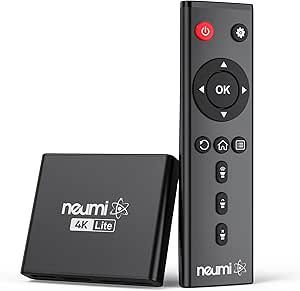 | Best for Triggered Local Playback | Resolution: 2160p/60Hz (4K/UHD) | Video codecs: H.264/AVC, H.265/HEVC | Connectivity: HDMI, USB | VIEW ON AMAZON | See Our Full Breakdown |
| Roku Ultra Streaming Player – 4K, HDR10+, Dolby Vision, Dolby Atmos |  | Best Overall for Roku Home Theater | Resolution and HDR: 4K, HDR10+, Dolby Vision | Audio: Dolby Atmos | Connectivity: Wi-Fi 6, Ethernet | VIEW ON AMAZON | See Our Full Breakdown |
| Formuler Z12 Ultra – 4K Streaming Media Player, Android 12, Dolby Vision, Dolby Atmos, HDR10+, Gigabit LAN, WiFi 6E, 4GB RAM, 128GB ROM, Bluetooth Voice Remote |  | Best for Storage and Connectivity | Operating system: Android 12 | Processor: Quad-core | Memory: 4GB DDR4 RAM | VIEW ON AMAZON | See Our Full Breakdown |
| Micca Speck 4K Ultra-HD USB and microSD Media Player |  | Best Compact Local Media Player | Model: Micca Speck 4K | Video output: 3840 × 2160 pixels; product information also lists up to 4096 × 2304 at 30fps and 4K/60Hz HDMI output | Video codecs: H.265/HEVC, H.264/AVC, MPEG1/2/4, VC1 | VIEW ON AMAZON | See Our Full Breakdown |
| Roku Streaming Stick 4K with Voice Remote – HDR10+ & Dolby Vision |  | Best for Simple 4K Setup | Resolution: 4K | HDR formats: Dolby Vision, HDR10+ | Connection: Wi-Fi | VIEW ON AMAZON | See Our Full Breakdown |
| TiVo Stream 4K Media Player |  | Best for Unified App Browsing | Resolution: 4K UHD | HDR: Dolby Vision | Audio: Dolby Atmos | VIEW ON AMAZON | See Our Full Breakdown |
| Amazon Fire TV Cube (3rd Gen), Hands-Free Streaming Device with Alexa, Wi-Fi 6E, 4K Ultra HD |  | Best Premium Hands-Free Player | Processor: Octa-core, 4 × 2.2 GHz and 4 × 2.0 GHz | Memory: 2 GB | Storage: 16 GB | VIEW ON AMAZON | See Our Full Breakdown |
| Fire TV Stick 4K Max (2nd Gen) Streaming Device with Alexa+ and Wi-Fi 6E Support |  | Best Compact Fire TV Performance | Output resolution: 2160p, 1080p, 720p up to 60 fps | Processor: Quad-core, 2.0 GHz | Storage: 16 GB | VIEW ON AMAZON | See Our Full Breakdown |
| Roku Streaming Stick HD with Voice Remote |  | Best for Non-4K TVs | Resolution: 1080p | Connectivity: Bluetooth, Wi-Fi | Connector: HDMI | VIEW ON AMAZON | See Our Full Breakdown |
| Amazon Fire TV Stick 4K Plus (2026 Model) with Alexa+ and Wi-Fi 6 |  | Best for Wi-Fi 6 Streaming | Dimensions: 99 × 30 × 14 mm (housing); 108 × 30 × 14 mm including connector | Weight: 43.5 g | Processor: Quad-core 1.7 GHz | VIEW ON AMAZON | See Our Full Breakdown |
| 4K Ultra HD Media Player & HDD Enclosure 2-in-1, Digital Signage, Supports H.265/HEVC, H.264/AVC, MP4, MKV, MP3, JPG, Auto Playback, Supports HDDs, USB/SD Card, 4K HDMI, Analog AV |  | Best for Local Media and Signage | Video output resolution: 4096 × 2304 pixels | Supported video codecs: H.265/HEVC, H.264/AVC | Supported media formats: MKV, MP4, AVI, MOV, MPG, VOB, M2TS, TS, MP3, WAV, FLAC, APE, JPG, GIF, BMP, PNG | VIEW ON AMAZON | See Our Full Breakdown |
| 4k streaming media player | Connectivity |
|---|---|
| Roku Streaming Stick Plus with | Wi-Fi, Bluetooth |
| NEUMI Atom 4K Lite Digital Tri | HDMI, USB |
| Roku Ultra Streaming Player | Wi-Fi 6, Ethernet |
| Formuler Z12 Ultra | Wi-Fi 6E, Gigabit LAN |
| Micca Speck 4K Ultra-HD USB an | — |
| Roku Streaming Stick 4K with V | — |
| TiVo Stream 4K Media Player | Wi-Fi, HDMI |
| Amazon Fire TV Cube | — |
| Fire TV Stick 4K Max | — |
| Roku Streaming Stick HD with V | Bluetooth, Wi-Fi |
| Amazon Fire TV Stick 4K Plus | — |
| 4K Ultra HD Media Player & HDD | — |
More Details on Our Top Picks
Roku Streaming Stick Plus with Voice Remote (4K & HDR10+)
The Roku Streaming Stick Plus is the easiest fit here for someone who wants streaming apps on a 4K TV without adding a box or power adapter. It plugs into HDMI and draws power from the TV, keeping the installation tidy; its voice remote also handles TV power and volume, so everyday control stays simple. Compared with the Roku Ultra, this stick gives up Dolby Vision, Dolby Atmos, Wi-Fi 6, and Ethernet, but its smaller setup is appealing if HDR10+ and Wi-Fi streaming meet your needs. Bluetooth Headphone Mode adds a practical way to listen privately. Its limits are clear: it depends on stable Wi-Fi and a compatible TV USB power source, and it is not the pick for a wired network or higher-end format support.
Pros:- Compact HDMI stick design keeps the setup unobtrusive
- TV-powered operation can reduce extra cables and outlet use
- Voice remote controls streaming search, TV power, and volume
- Bluetooth Headphone Mode supports private listening
Cons:- Needs stable Wi-Fi and an available HDMI port
- Requires a TV USB power source
- Lacks the Dolby Vision, Dolby Atmos, and wired Ethernet listed for Roku Ultra
Best for: Viewers who want a compact Roku streaming setup for a 4K HDR10+ TV and prefer a remote that also controls TV power and volume.
Not ideal for: Home-theater owners who want Dolby Vision, Dolby Atmos, Ethernet, or the Roku Ultra’s Wi-Fi 6 connection.
- Resolution:4K UHD
- HDR support:HDR10+
- Connectivity:Wi-Fi, Bluetooth
- Connector:HDMI
- Form factor:TV stick
- Power source:TV USB/HDMI port; no wall adapter required
- Remote features:Voice control, TV power and volume control, Bluetooth Headphone Mode
- Voice and smart home support:Alexa, Google Home, Apple AirPlay and HomeKit
Our verdict“Choose this stick for straightforward 4K HDR10+ streaming with a tidy, TV-powered setup, but pick the Roku Ultra for broader home-theater format and connection support.”
NEUMI Atom 4K Lite Digital Trigger Media Player for USB Drives and SD Cards
The NEUMI Atom 4K Lite is the outlier in this group: it plays locally stored files rather than connecting to streaming services. That makes it more suitable for a screen showing a prepared video loop, photo set, or other USB- or SD-card media than for a living-room app hub. It supports 4K at 60Hz, common H.264 and H.265 codecs, and a broad range of file types, with listed storage capacity up to 4 TB and product information noting support for larger USB drives. Compared with the Micca Speck 4K, it adds trigger-based playback features, which can suit interactive displays, but the sensor and push-button accessories are separate. Skip it if you expect Netflix-style apps or internet streaming: neither is part of its feature set.
Pros:- Plays 4K UHD video at up to 60Hz
- Supports H.264 and H.265 video codecs
- Handles a wide range of video and image formats
- Automatic playback and trigger functions suit unattended displays
Cons:- No streaming apps or internet connectivity
- Trigger sensors and push-button accessories are sold separately
- Local playback depends on users supplying and managing media storage
Best for: Digital-signage operators or home users who need automatic or trigger-based playback of locally stored 4K video, photos, or music.
Not ideal for: Viewers looking for streaming apps, online content, or a general-purpose replacement for a Roku or other connected player.
- Resolution:2160p/60Hz (4K/UHD)
- Video codecs:H.264/AVC, H.265/HEVC
- Connectivity:HDMI, USB
- Supported file systems:FAT32, exFAT, NTFS
- Listed memory storage capacity:4 TB
- Media formats:MP4, MKV, AVI, TS/TP, MOV, VOB, M2TS, JPG, JPEG, BMP, GIF
- Dimensions:3 × 2.6 × 0.6 inches
- Weight:9.9 ounces
Our verdict“Pick the NEUMI for scheduled or trigger-based playback from local media, not for streaming shows and movies from online services.”
Roku Ultra Streaming Player – 4K, HDR10+, Dolby Vision, Dolby Atmos
The Roku Ultra earns the strongest all-around place in this batch for buyers who want app-based streaming with a more complete home-theater feature set. It combines 4K, HDR10+, Dolby Vision, and Dolby Atmos, while Wi-Fi 6 and Ethernet give households more connection choices than the Roku Streaming Stick Plus. The rechargeable Voice Remote Pro adds backlit buttons, hands-free voice control, USB-C charging, and a remote finder—useful perks if the remote often gets misplaced or the room is dim. Compared with the more specialized Formuler Z12 Ultra, Roku’s appeal is a straightforward streaming experience rather than listed high-capacity internal storage and Wi-Fi 6E. The tradeoffs are a rechargeable remote that needs upkeep and a wired setup that requires space for a separate player. It is more device than a basic streaming stick user may need.
Pros:- Supports 4K, HDR10+, Dolby Vision, and Dolby Atmos
- Wi-Fi 6 and Ethernet provide wireless and wired network options
- Rechargeable remote includes backlit buttons and hands-free voice control
- Remote finder and Bluetooth Headphone Mode add useful control options
Cons:- Rechargeable remote needs periodic charging
- Separate player takes more space than a direct-plug streaming stick
- Advanced features may be unnecessary for viewers with basic streaming needs
Best for: Roku users building a 4K home-theater setup who want Dolby Vision, Dolby Atmos, Ethernet, and a feature-rich voice remote.
Not ideal for: People who want the smallest, simplest HDMI stick or who do not need premium HDR, audio, and networking features.
- Resolution and HDR:4K, HDR10+, Dolby Vision
- Audio:Dolby Atmos
- Connectivity:Wi-Fi 6, Ethernet
- Remote:Rechargeable Roku Voice Remote Pro with backlit buttons, hands-free voice control, USB-C charging, and remote finder
- Headphone feature:Bluetooth Headphone Mode
- Interface:Fast interface
Our verdict“Choose the Roku Ultra for a fuller Roku-based 4K home theater, while the Streaming Stick Plus is the simpler choice for basic HDR10+ streaming.”
Formuler Z12 Ultra – 4K Streaming Media Player, Android 12, Dolby Vision, Dolby Atmos, HDR10+, Gigabit LAN, WiFi 6E, 4GB RAM, 128GB ROM, Bluetooth Voice Remote
The Formuler Z12 Ultra is the most hardware-focused option in this set, with 4GB RAM, 128GB of storage, Wi-Fi 6E, and Gigabit LAN. That combination suits buyers who want more built-in capacity and a choice of fast wired or wireless networking, rather than the minimal footprint of the Roku Streaming Stick Plus. Its listed playback support includes 4K at 60fps, AV1, H.265, HDR10+, and HLG; the product description also lists Dolby Vision and Dolby Atmos. A customizable home screen and backlit Bluetooth voice remote give it room for a more tailored setup. The tradeoff is that the extra options may take more setup, and the supplied product information gives limited detail about app compatibility. Buyers who mainly want a simple, familiar Roku experience may find the Roku Ultra easier to shortlist.
Pros:- 128GB storage and 4GB RAM provide substantial onboard capacity
- Wi-Fi 6E and Gigabit LAN offer flexible high-speed networking
- Supports 4K 60fps playback and listed formats including AV1, HDR10+, and HLG
- Bluetooth voice remote has backlit keys
Cons:- Setup may be more involved than with the Roku streaming options
- App compatibility details are limited in the supplied product information
- Its advanced hardware may be unnecessary for basic streaming needs
Best for: Experienced streaming-device owners who want substantial built-in storage, Wi-Fi 6E or Gigabit LAN, and broad 4K HDR format support.
Not ideal for: Beginners seeking a simple streaming setup, or buyers who need clear confirmation that specific apps are supported.
- Operating system:Android 12
- Processor:Quad-core
- Memory:4GB DDR4 RAM
- Storage:128GB
- Video playback:4K 60fps, 10-bit
- Supported formats:AV1, H.265/HEVC, H.264, HDR10+, HLG; product description also lists Dolby Vision and Dolby Atmos
- Connectivity:Wi-Fi 6E, Gigabit LAN
- Remote:Bluetooth voice remote with backlit keys
- Standby power:0.5W
Our verdict“Choose the Formuler for storage, network flexibility, and format support, but favor Roku if a more familiar, straightforward streaming experience matters more.”
Micca Speck 4K Ultra-HD USB and microSD Media Player
The Micca Speck 4K is a small local-media player for people who already keep videos, music, or photo slideshows on removable storage. Its USB and microSD readers, broad file-system support, and HDMI output make it useful for personal media libraries and digital signage; auto-loop and rotation features add options beyond ordinary playback. Unlike the Roku Streaming Stick Plus, it does not connect to streaming apps or Wi-Fi, so it cannot serve as a general-purpose online streaming hub. Its listed 4K output reaches 4096×2304 at up to 30fps, while the product description also cites 4K/60Hz HDMI output; buyers should check the source-file and output requirements for their setup. The small enclosure is easy to place, but all content must come from storage devices you provide.
Pros:- Compact enclosure suits tight spaces and multiple-display setups
- Reads both USB storage and microSD cards
- Supports drives up to 8TB and microSD cards up to 1TB
- Auto-loop and rotation functions are useful for digital signage
Cons:- No built-in streaming apps or Wi-Fi connectivity
- Requires external storage for all media playback
- Listed 4K output details differ between the supplied specifications and description
Best for: People setting up a compact TV or signage display to play personal videos, photos, and music from USB drives or microSD cards.
Not ideal for: Streaming-service viewers who want built-in apps, Wi-Fi, or a connected voice-controlled entertainment hub.
- Model:Micca Speck 4K
- Video output:3840 × 2160 pixels; product information also lists up to 4096 × 2304 at 30fps and 4K/60Hz HDMI output
- Video codecs:H.265/HEVC, H.264/AVC, MPEG1/2/4, VC1
- Connectors:HDMI, analog AV
- Supported file systems:FAT, FAT32, exFAT, NTFS
- Maximum USB drive size:8TB
- Maximum microSD card size:1TB
- Dimensions and weight:2.95 × 2.52 × 0.59 inches; 62g
Our verdict“Pick the Micca Speck 4K for compact playback from your own storage, but choose a Roku device if you want online streaming services.”
Roku Streaming Stick 4K with Voice Remote – HDR10+ & Dolby Vision
I’d choose the Roku Streaming Stick 4K for a straightforward upgrade when the priority is getting 4K and major HDR formats without adding a box beside the TV. Its stick form factor plugs into HDMI and sits behind the screen, while Dolby Vision and HDR10+ support let compatible TVs show more of the available HDR detail. Roku’s channel selection and voice remote keep everyday browsing uncomplicated. Compared with the Amazon Fire TV Stick 4K Max (2nd Gen), this Roku emphasizes a simple interface and compact installation rather than Wi-Fi 6E and 16 GB of storage. The tradeoff is that its listed 1 GB of RAM leaves less headroom than the TiVo Stream 4K’s 2 GB, and it depends on Wi-Fi; buyers wanting built-in hands-free voice control should look at the Fire TV Cube instead.
Pros:- Supports 4K, Dolby Vision, and HDR10+ on compatible TVs.
- Compact HDMI stick design stays out of sight behind the television.
- Voice remote supports simple search and everyday playback control.
- Roku provides access to a broad range of streaming channels, including free options.
Cons:- Listed 1 GB of RAM is less than the TiVo Stream 4K’s 2 GB.
- Relies on Wi-Fi rather than offering wired Ethernet.
- Remote features are less extensive than the Fire TV Cube’s hands-free Alexa controls.
Best for: People upgrading a 4K TV who want a compact Roku interface, voice search, and Dolby Vision without a separate streaming box.
Not ideal for: Viewers who need Ethernet, built-in hands-free voice control, or greater listed memory for a more demanding app setup.
- Resolution:4K
- HDR formats:Dolby Vision, HDR10+
- Connection:Wi-Fi
- Connector:HDMI
- Form factor:TV stick
- Memory:1 GB RAM
- Control:Remote control, voice control
- Supported services:Hulu, Netflix, Pandora, Prime Video, Vudu
Our verdict“Choose this Roku for a tidy, easy-to-use 4K upgrade, but pick the Fire TV Cube if you want hands-free control or the TiVo for a unified Android TV interface.”
TiVo Stream 4K Media Player
The TiVo Stream 4K suits viewers who want one place to search across streaming apps rather than jumping between services to find something to watch. Android TV, Google Assistant voice control, and personalized recommendations give it a more consolidated browsing approach than the Roku Streaming Stick 4K, whose appeal is a simpler Roku-led experience. It also pairs Dolby Vision video with Dolby Atmos audio, a useful combination for a compatible TV and sound system. Compared with the Fire TV Cube, TiVo is a small plug-in device without the Cube’s built-in microphones, HDMI input, or Wi-Fi 6E. Its 8 GB of storage is limited for app-heavy setups, and it needs an HDMI-equipped TV. I’d favor it for discovery and cross-app search, not for the most expandable or hands-free setup.
Pros:- Unified search and recommendations help surface content across multiple apps.
- Combines 4K UHD and Dolby Vision video with Dolby Atmos audio support.
- Google Assistant voice control is built into the Android TV experience.
- Compact plug-in design takes up little space around the television.
Cons:- 8 GB of storage may constrain app installations and other downloads.
- Requires a TV with an HDMI input and a separate internet connection.
- Does not offer the Fire TV Cube’s built-in microphones or Wi-Fi 6E.
Best for: Households using several streaming apps who want Android TV search and recommendations to bring available shows together.
Not ideal for: Buyers who want hands-free voice commands, abundant app storage, or the Cube’s expanded HDMI and network connections.
- Resolution:4K UHD
- HDR:Dolby Vision
- Audio:Dolby Atmos
- Operating system:Android TV
- Connectivity:Wi-Fi, HDMI
- Memory:2 GB RAM
- Storage:8 GB
- Dimensions:3.03 × 2.09 × 0.63 inches
Our verdict“Pick the TiVo Stream 4K if cross-app discovery matters more than storage capacity, hands-free Alexa, or advanced connectivity.”
Amazon Fire TV Cube (3rd Gen), Hands-Free Streaming Device with Alexa, Wi-Fi 6E, 4K Ultra HD
The Fire TV Cube (3rd Gen) earns its premium role through more than 4K playback: it combines built-in Alexa microphones, a fast octa-core processor, Wi-Fi 6E, and connections for controlling or routing other devices. That makes it a stronger fit than the Fire TV Stick 4K Max (2nd Gen) for a media setup where hands-free commands and HDMI integration matter. It also supports Dolby Vision, HDR10+, HLG, and Dolby Atmos, giving compatible TVs and sound systems a broad format range. The Cube is a separate, visible 1.13-pound unit, unlike the discreet Roku Streaming Stick 4K, and its 6 GHz Wi-Fi advantage depends on a compatible network using WPA3. I’d skip it if you only need basic streaming: the extra hardware and connectivity are more than a simple stick requires.
Pros:- Built-in Alexa microphones enable voice commands without picking up a remote.
- Octa-core processor and Wi-Fi 6E are suited to quick app access and capable networks.
- Supports Dolby Vision, HDR10+, HLG, Dolby Atmos, and Dolby TrueHD passthrough.
- HDMI input and output, USB-A, Ethernet, and IR support offer flexible setup options.
Cons:- Larger and heavier than plug-in options such as the Roku Streaming Stick 4K.
- Wi-Fi 6E at 6 GHz requires a compatible WPA3 network to use that band.
- Its added hardware may be unnecessary for buyers who only need app streaming.
Best for: Viewers building a connected living-room setup who want hands-free Alexa, broad HDR and audio support, and HDMI device control.
Not ideal for: People seeking the smallest, simplest 4K streamer or those without a compatible Wi-Fi 6E network who would not use its advanced controls.
- Processor:Octa-core, 4 × 2.2 GHz and 4 × 2.0 GHz
- Memory:2 GB
- Storage:16 GB
- Wi-Fi:Tri-band Wi-Fi 6E
- Video formats:4K Ultra HD, Dolby Vision, HDR10, HDR10+, HLG, AV1
- Audio formats:Dolby Atmos, 7.1 surround sound, Dolby TrueHD passthrough
- Ports:HDMI 2.1 input and output, USB-A 2.0, IR extender, Ethernet
- Dimensions and weight:3.38 × 3.38 × 2.99 inches; 1.13 lb
Our verdict“Choose the Fire TV Cube for hands-free Alexa and a connected entertainment system; choose a streaming stick if you want a discreet, simpler 4K player.”
Fire TV Stick 4K Max (2nd Gen) Streaming Device with Alexa+ and Wi-Fi 6E Support
The Fire TV Stick 4K Max (2nd Gen) puts a strong feature set in a small HDMI stick: 4K output, Dolby Vision, HDR10+, Dolby Atmos, Wi-Fi 6E, and 16 GB of storage. It is a more discreet alternative to the Fire TV Cube, while retaining the Fire TV ecosystem and Alexa voice remote; what it gives up is the Cube’s built-in microphones, octa-core processor, and HDMI input. Compared with the Roku Streaming Stick 4K, it offers more listed storage and newer Wi-Fi capability, though the benefit of Wi-Fi 6E depends on having a compatible network. HDMI ARC support and remote IR control can simplify operation with compatible gear, but it remains a stick rather than a hub for routing other devices. Some content and services also require separate subscriptions.
Pros:- Supports 4K with Dolby Vision, HDR10+, HLG, and Dolby Atmos.
- Wi-Fi 6E tri-band support can suit compatible high-capacity home networks.
- 16 GB of storage exceeds the listed capacity of the TiVo Stream 4K.
- Alexa voice remote includes IR control, with HDMI ARC support for compatible setups.
Cons:- Needs a compatible 4K TV to deliver 4K output.
- Does not have the Fire TV Cube’s built-in microphones or HDMI input.
- Wi-Fi 6E benefits depend on a compatible router and network conditions.
Best for: Fire TV users who want a compact 4K stick with Dolby formats, Wi-Fi 6E, and a voice remote with IR control.
Not ideal for: People who need hands-free Alexa, an HDMI input for another device, or who cannot use a Wi-Fi 6E network.
- Output resolution:2160p, 1080p, 720p up to 60 fps
- Processor:Quad-core, 2.0 GHz
- Storage:16 GB
- Wi-Fi:Tri-band Wi-Fi 6E
- Bluetooth:Bluetooth 5.2 + BLE
- Video formats:Dolby Vision, HDR10+, HDR, HLG
- Audio formats:Dolby Atmos, Dolby TrueHD, DTS-HD and DTS passthrough
- Dimensions and weight:108 × 30 × 14 mm including connector; 43.5 g
Our verdict“Pick this stick for a compact Fire TV setup with broad 4K formats and Wi-Fi 6E, but choose the Cube for hands-free control and HDMI integration.”
Roku Streaming Stick HD with Voice Remote
The Roku Streaming Stick HD is the outlier in a 4K-player roundup: it tops out at 1080p, so I’d recommend it only when the television itself is HD or when 4K is not part of the plan. It preserves the Roku approach of a compact HDMI stick, voice search, and broad app access, but it cannot match the Roku Streaming Stick 4K on resolution or Dolby Vision and HDR10+ support. That limitation matters because buying it for a 4K television leaves the screen’s higher-resolution capability unused. The listed compatibility with Alexa, Apple AirPlay and HomeKit, and Google Home adds flexibility for households with different devices, though streaming still depends on Wi-Fi. Compared with the TiVo Stream 4K, this Roku has a simpler HD remit rather than Android TV’s unified search and Dolby Atmos support.
Pros:- Compact HDMI stick design keeps the installation unobtrusive.
- Voice remote supports search and everyday streaming control.
- Supports popular services including Apple TV+, Disney+, Hulu, Netflix, and Prime Video.
- Works with Alexa, Apple AirPlay and HomeKit, and Google Home.
Cons:- Maximum resolution is 1080p, unlike the Roku Streaming Stick 4K.
- Does not provide the 4K HDR formats and Dolby Vision support of the 4K Roku model.
- Requires Wi-Fi for streaming and does not list wired networking.
Best for: Owners of 1080p televisions who want a small Roku device, voice search, and access to popular streaming apps.
Not ideal for: Anyone shopping specifically for a 4K player or planning to upgrade soon to a 4K television.
- Resolution:1080p
- Connectivity:Bluetooth, Wi-Fi
- Connector:HDMI
- Control:Remote control, voice control
- Supported services:Apple TV+, Disney+, Hulu, Netflix, Prime Video
- Smart home compatibility:Alexa, Apple AirPlay and HomeKit, Google Home, Roku Smart Home
- Form factor:Streaming stick
Our verdict“Choose this Roku only for an HD television; for a 4K screen, the Roku Streaming Stick 4K is the better-matched option.”
Amazon Fire TV Stick 4K Plus (2026 Model) with Alexa+ and Wi-Fi 6
The Fire TV Stick 4K Plus is a strong fit for a household that wants streaming apps, voice control, and modern 4K formats in a compact HDMI device. Dolby Vision, HDR10+, and Dolby Atmos provide broad support for compatible TVs and audio systems, while Wi-Fi 6 can help keep playback steady on a busy home network. Compared with the Roku Streaming Stick 4K, this model pairs its picture and sound format support with Alexa voice control and smart-home commands. Its tradeoffs are 8GB of storage, which can constrain app installs, and reliance on streaming services for content rather than local-drive playback. Buyers also need a compatible TV and content to benefit from 4K or HDR.
Pros:- Supports 4K output with Dolby Vision, HDR10+, and HLG for compatible TVs and content.
- Wi-Fi 6 dual-band connectivity can support smoother streaming on a network shared by multiple devices.
- Alexa Voice Remote provides voice search and smart-home control, plus IR control.
- Compact stick design connects through HDMI and supports Dolby Atmos audio.
Cons:- 8GB of storage can limit how many apps and other files users keep installed.
- The listed ports do not provide a standard USB connection for direct media-library playback.
- 4K and HDR benefits depend on compatible equipment, available content, and regional service support.
Best for: Households with a Wi-Fi 6 router, a compatible 4K HDR TV, and an interest in Alexa voice and smart-home control alongside streaming apps.
Not ideal for: Viewers who want to play a large personal media library from an attached hard drive, or buyers who need generous built-in app storage.
- Dimensions:99 × 30 × 14 mm (housing); 108 × 30 × 14 mm including connector
- Weight:43.5 g
- Processor:Quad-core 1.7 GHz
- Storage:8 GB
- Wi-Fi:Dual-band Wi-Fi 6 (802.11 a/b/g/n/ac/ax)
- Bluetooth:Bluetooth 5.2 + BLE
- Video formats:Dolby Vision, HDR10+, HLG, H.265, H.264, VP9, AV1
- Supported resolutions:2160p, 1080p, and 720p up to 60 fps
- Ports and audio:HDMI 2.1 with ARC, micro USB; Dolby Atmos, surround sound, stereo, HDMI pass-through
Our verdict“Choose the Fire TV Stick 4K Plus if you want Alexa-led streaming with broad HDR format support and have a Wi-Fi 6 network and compatible 4K TV.”
4K Ultra HD Media Player & HDD Enclosure 2-in-1, Digital Signage, Supports H.265/HEVC, H.264/AVC, MP4, MKV, MP3, JPG, Auto Playback, Supports HDDs, USB/SD Card, 4K HDMI, Analog AV
This 4K media player and HDD enclosure is aimed at a different kind of buyer than the streaming sticks in this roundup: it plays files from storage instead of supplying apps for online services. Support for common video, audio, and image formats, plus automatic playback, looping, and resume, makes it a practical fit for presentations, signage, or a home library kept on an external drive. Unlike the Amazon Fire TV Stick 4K Plus, it accepts local media and can work without streaming apps or an internet connection. That focus is also its limit: the hard drive is not included, and buyers should not expect app-based streaming. Its listed output is 4096×2304, but playback suitability depends on the source files and connected display.
Pros:- Plays a broad selection of video, audio, and image file formats from local storage.
- Automatic playback, looping, and resume features suit digital signage and repeat presentations.
- Functions as an HDD enclosure and supports HDDs up to 8TB and microSD cards up to 1TB.
- Supports FAT, FAT32, exFAT, and NTFS file systems.
Cons:- No streaming apps, so it cannot replace a Roku or Fire TV streaming device for online services.
- An HDD is not included, adding a separate storage purchase and setup step.
- Storage configuration and file compatibility may take more effort than using a plug-in streaming stick.
Best for: Small businesses, presenters, and home-media collectors who need unattended looping playback from an HDD, USB drive, or microSD card.
Not ideal for: Buyers seeking Netflix-style streaming apps, voice search, or a ready-to-use player without supplying and configuring external storage.
- Video output resolution:4096 × 2304 pixels
- Supported video codecs:H.265/HEVC, H.264/AVC
- Supported media formats:MKV, MP4, AVI, MOV, MPG, VOB, M2TS, TS, MP3, WAV, FLAC, APE, JPG, GIF, BMP, PNG
- Maximum HDD capacity:8TB
- Maximum microSD capacity:1TB
- Supported file systems:FAT, FAT32, exFAT, NTFS
- Dimensions:7 × 5.8 × 2.1 in
- Weight:3.84 oz
- Color:Piano black
Our verdict“Pick this player for local-file playback and unattended signage, but choose the Fire TV Stick 4K Plus or another streaming device for app-based viewing.”
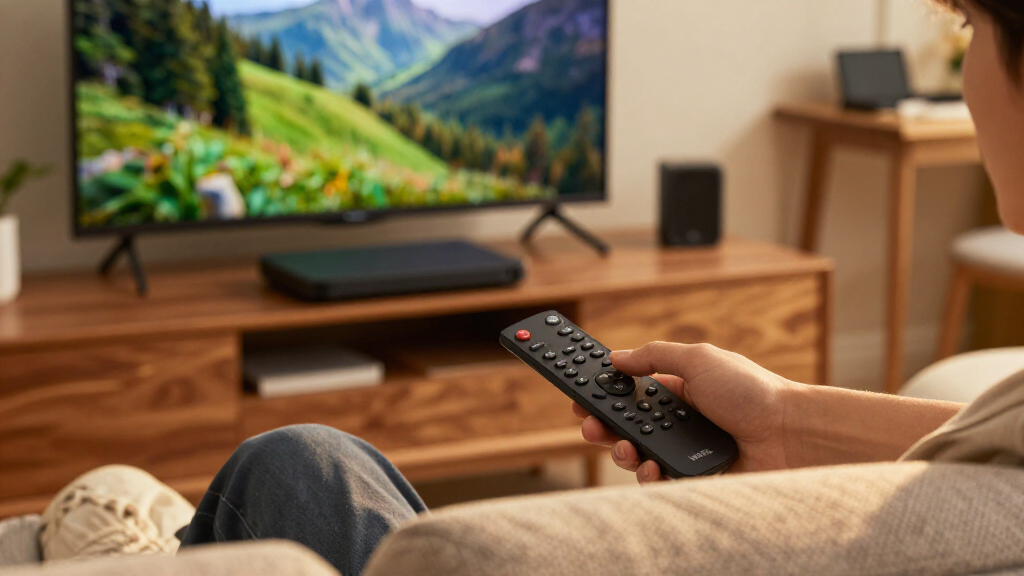
How We Picked
I compared the 12 devices by how well their stated features match common buying needs: 4K output and HDR formats, access style, connectivity, local-media support, and ease of fitting into a home setup. For app-based streamers, I gave weight to the combination of resolution formats, voice-control approach, and whether the device is a stick, box, or hands-free hub. For local-file models, the relevant strengths are supported storage and media playback functions—not streaming-app features they are not presented as offering.
The ranking gives priority to devices that make the clearest case as versatile 4K streaming players, then separates compact, premium, and specialist options by their tradeoffs. That places the Roku Ultra ahead for broad format support, while the Roku sticks and Fire TV devices serve buyers with tighter space or Amazon-focused preferences. USB- and SD-focused players rank as specialist picks, and the Roku Streaming Stick HD ranks last for this 4K-focused roundup because its listed resolution does not meet the core requirement.
| 4k streaming media player | Connectivity |
|---|---|
| Roku Streaming Stick Plus with | Wi-Fi, Bluetooth |
| NEUMI Atom 4K Lite Digital Tri | HDMI, USB |
| Roku Ultra Streaming Player | Wi-Fi 6, Ethernet |
| Formuler Z12 Ultra | Wi-Fi 6E, Gigabit LAN |
| Micca Speck 4K Ultra-HD USB an | — |
| Roku Streaming Stick 4K with V | — |
| TiVo Stream 4K Media Player | Wi-Fi, HDMI |
| Amazon Fire TV Cube | — |
| Fire TV Stick 4K Max | — |
| Roku Streaming Stick HD with V | Bluetooth, Wi-Fi |
| Amazon Fire TV Stick 4K Plus | — |
| 4K Ultra HD Media Player & HDD | — |
Factors to Consider When Choosing 4k Streaming Media Player
Before choosing a player, I would match its job to the content you actually watch. A device built for streaming apps is not automatically a good local-file player, and a media player with extensive USB support may not replace a familiar smart-TV platform. These factors help separate devices that share a 4K label but serve different setups.
Match the Player to Your Source of Video
Start by listing where your video comes from: subscription apps, live services, personal files, or a mixture. App-centered devices such as Roku and Fire TV models are the more direct fit when you want a streaming interface and voice search. USB, SD-card, and hard-drive players target files you already own and may be useful for signage or offline playback. A common mistake is assuming every HDMI player includes the same app selection or file-browser experience. If you need both jobs, check that each device explicitly supports the sources and formats you plan to use rather than relying on the phrase “media player.”
Check Your TV’s Resolution and HDR Support
A 4K output label helps only when the television and content can make use of it. Check the TV’s supported HDR formats as well as resolution, since Dolby Vision and HDR10+ are not interchangeable badges. A player that supports a format your screen lacks may still work, but that feature will not provide its intended picture benefit on that display. Also check the HDMI input and settings: an older television may accept the device while limiting resolution or HDR. If you are buying for a mixed-age household, broad format support can reduce the chance that a future TV upgrade leaves the player behind.
Choose Between a Stick, Box, and Hands-Free Hub
Form factor affects more than appearance. A stick keeps the setup tucked behind a TV and suits limited shelf space, while a box can be easier to reach for cable connections or place near other equipment. A hands-free device such as the Fire TV Cube makes voice commands central, but that approach is not necessary for someone who prefers a standard remote. Check where the HDMI ports sit and whether nearby cables or a wall-mounted television leave enough room. Paying for a larger form factor makes sense only when its controls or connection options solve a real problem in your room.
Treat Wi-Fi and Ethernet as Setup Decisions
Faster wireless standards matter most when your home network and internet service can take advantage of them. A Wi-Fi 6E device does not automatically fix weak coverage, congestion, or a slow broadband connection. For a television far from the router, first consider router placement, mesh coverage, or a wired connection if the player offers one. Gigabit LAN can be useful for demanding local-network playback, while wireless may be simpler for a basic streaming setup. Avoid choosing by the Wi-Fi label alone; the network path from router to TV can be the real limit.
Separate Streaming Apps From Local-File Compatibility
People with video libraries should check container and codec support, storage connections, and how the player handles playback before buying. A file extension such as MKV does not guarantee that every video or audio track inside the file will play correctly. USB and SD-card support is helpful for direct playback, but a drive-based player may not offer the search, recommendations, or account-based apps expected from a streaming stick. If you depend on subtitles, unusual audio formats, or large drives, verify those details against the exact model documentation. This check can prevent a 4K-capable device from failing on the files you bought it to play.
Decide Which Convenience Features You’ll Actually Use
Voice remotes, hands-free commands, Bluetooth, and larger onboard storage can make a device easier to operate, but their value depends on your habits. If you mostly open a few familiar apps, a basic remote may be enough and a more elaborate control system can add little. Voice search is more useful when you regularly search across services or operate other smart-home devices. Storage figures matter more when installing many apps or keeping content locally, and they should not be confused with a built-in library of movies. Choose features that remove a recurring inconvenience rather than collecting specifications you may never use.
Frequently Asked Questions
Which player in this roundup is the best fit if I want 4K and Dolby Vision?
The Roku Ultra and Roku Streaming Stick 4K both list Dolby Vision alongside 4K support, as do the Formuler Z12 Ultra and Fire TV Cube. The right pick depends on the rest of your setup: the Ultra is the broad, conventional Roku option, while the stick suits a compact installation. The Cube is a stronger match if hands-free Alexa and Wi-Fi 6E are priorities. Before buying, confirm that your television supports Dolby Vision and that the services you use deliver content in that format. Otherwise, Dolby Vision support may not change what you see.
Can a USB or SD-card media player replace a Roku or Fire TV device?
Not necessarily. The NEUMI Atom 4K Lite, Micca Speck, and 2-in-1 HDD-enclosure player are presented around playback from removable or attached storage, rather than the app-centered experience of Roku and Fire TV streamers. They may suit personal video collections, offline playback, or digital signage, but do not assume they provide the same subscriptions, search, or voice features. If you need both streaming services and local files, check whether one device supports both workflows or plan for separate equipment. Your main source of video should decide which category comes first.
Is the Roku Streaming Stick HD suitable for a 4K television?
It can connect to a 4K television, but the listed device is an HD streaming stick rather than a 4K player. That means it does not meet the main goal if you specifically want 4K output from this purchase. It may still make sense for an older secondary screen or for a viewer who does not need 4K. For a 4K primary television, choose one of the listed 4K Roku or Fire TV models instead. Check the exact model name carefully, since the Roku stick lineup includes both HD and 4K options.
Should I choose the Fire TV Cube or a Fire TV Stick for my living room?
I would choose the Cube when hands-free Alexa control and its hub-like role are important to how you use the room. A Fire TV Stick is the more compact route when you mainly want streaming apps and voice control through a remote. The Fire TV Stick 4K Max lists Wi-Fi 6E, while the Fire TV Stick 4K Plus lists Wi-Fi 6, so check your network before treating that difference as a reason to buy. A stronger wireless standard cannot compensate for poor router coverage. If you do not plan to use hands-free commands, the stick is likely the simpler fit.
What should I check before using a player with my home media files?
Confirm the supported containers, codecs, audio formats, subtitle behavior, and storage types for your actual files. A device listing support for MKV or H.265 does not prove that every file using those labels will play, since files can contain different tracks and encoding details. Check whether the player reads your drive format and whether it can supply enough power to a connected drive. For an enclosure-style player, also confirm drive capacity and automatic playback behavior if it will run unattended. Testing a representative sample file before moving a full library can reveal compatibility gaps early.
What are the best 4k streaming media players?
The best 4k streaming media players are the picks above, chosen to help you find an option that fits your viewing setup and streaming habits. When comparing them, consider the services you use, the video and audio formats your TV supports, and whether you want features such as voice search or a simple interface. Also check how each player connects to your home network and whether its remote is easy to use. The right choice depends on your priorities, so review the recommendations above and match their listed features to your devices and everyday viewing needs.
Conclusion
For most buyers seeking an app-based 4K streaming media player, I recommend the Roku Ultra as the best overall because it combines 4K, HDR10+, Dolby Vision, and Dolby Atmos support in a full-size player. The best value-oriented compact choice is the Roku Streaming Stick 4K for viewers who want 4K and Dolby Vision without a separate box; buyers who prioritize HDR10+ in a stick can compare the Streaming Stick Plus. For a premium, voice-first setup, the Fire TV Cube is the standout, while the Fire TV Stick 4K Max is better for someone who wants a compact Amazon streamer with Wi-Fi 6E. Beginners who want a familiar remote-and-app setup can start with a Roku stick, provided they select a 4K model rather than the HD version. For local files, removable storage, or signage, compare the NEUMI, Micca, and HDD-enclosure options by their specific format and storage needs; skip them if streaming apps are your main priority.
Halloween Picks
halloween
As an affiliate, we earn on qualifying purchases.