
TL;DR

Get business pricing on monitors, keyboards and dev gear
- Business-only prices and quantity discounts
- Tax-exempt purchasing
- Multiple users, one account, clear invoices
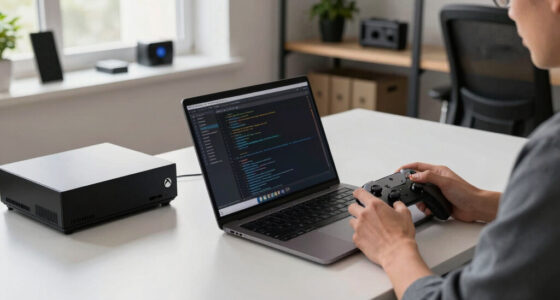
A prototype signal monitor using 500 lines of bare C++ is being tested to detect platform and tooling changes early. It aims to help small software teams make faster, informed decisions. The development is in early testing stages, with potential to improve tech operations workflows.
A new signal monitoring approach using 500 lines of bare C++ is being tested to detect platform and tooling changes relevant for small software companies. This development aims to provide product and engineering leads with timely, filtered updates that influence decision-making, addressing a gap in current information channels.
The initiative involves creating a focused monitor that scans feeds like Hacker News for relevant platform and tooling updates, similar to what is discussed in Technology Operations Signal Monitor: The Future Of Flipper Zero Development. It filters signals to those impacting small software teams and summarizes each change into a concise brief, including what changed, why it matters, and recommended actions.
This project is currently in the testing stage, with initial deployment aimed at five small companies. It aligns with recent developments in AI Operations Signal Monitor: MiMo Code Is Now Released And Open-source. The goal is to validate whether role-specific alerts can influence decision-making and streamline the process of staying ahead of platform shifts. The approach was prompted by recent rapid changes in platform and tooling landscapes, which often go unnoticed until they cause operational issues.
Early Detection of Platform Changes for Small Teams
This development could significantly improve how small software companies stay informed about critical platform and tooling updates. By filtering and summarizing relevant signals, it allows product and engineering leads to respond faster, potentially avoiding costly delays or misaligned decisions. If successful, it may set a precedent for role-specific monitoring tools tailored to the needs of small-scale teams, improving agility and operational efficiency.
signal monitoring tools for software development
As an affiliate, we earn on qualifying purchases.
As an affiliate, we earn on qualifying purchases.
Growing Need for Real-Time, Role-Specific Signal Monitoring
As platform and tooling updates accelerate, small software companies often struggle to keep pace due to scattered information sources and lack of targeted alerts. Current methods rely on weekly summaries or manual monitoring, which can delay response times. The recent surge in rapid platform changes highlighted the need for more immediate, role-filtered signals. The idea of using minimalistic C++ code for such monitoring stems from the desire for lightweight, fast, and customizable tools that can be integrated into existing workflows.
“Using bare C++ for signal monitoring offers a lightweight, fast approach that can be tailored to specific needs of small teams.”
— an anonymous researcher
real-time platform update alert software
As an affiliate, we earn on qualifying purchases.
As an affiliate, we earn on qualifying purchases.
Unclear Performance and Adoption Metrics
It is not yet confirmed how accurately the bare C++ monitor will detect relevant signals or how well it will integrate into existing workflows. The effectiveness of filtering and summarization at scale remains to be validated through ongoing testing. Additionally, the adoption rate among small companies and their responsiveness to such role-specific alerts are still unknown.
lightweight C++ monitoring scripts
As an affiliate, we earn on qualifying purchases.
As an affiliate, we earn on qualifying purchases.
Next Steps: Pilot Expansion and Performance Evaluation
The project team plans to expand testing to more small software companies over the coming months, collecting feedback on detection accuracy and usability. Further development will focus on refining filtering algorithms and integrating user feedback. Success metrics will include decision impact, response times, and user satisfaction, guiding potential commercialization or broader deployment.
role-specific software alert systems
As an affiliate, we earn on qualifying purchases.
As an affiliate, we earn on qualifying purchases.
Key Questions
What exactly is the bare C++ signal monitor?
The monitor is a lightweight tool written in 500 lines of bare C++ designed to scan feeds like Hacker News for platform and tooling updates relevant to small software teams, filtering and summarizing key signals.
How does this differ from existing monitoring tools?
Unlike comprehensive enterprise monitoring solutions, this approach is minimalistic, role-specific, and designed for quick deployment and filtering of signals that matter to small teams, emphasizing speed and customization.
When will this tool be available for wider use?
The current phase is testing, with no official release date yet. If pilot results are positive, broader deployment could occur within the next year.
What are the main challenges faced in this project?
Key challenges include ensuring detection accuracy, minimizing false positives, and integrating the tool into existing workflows without adding complexity.
Why focus on bare C++ instead of higher-level languages?
Bare C++ offers maximum speed, low overhead, and customization potential, making it suitable for lightweight, role-specific monitoring in fast-changing environments.
Source: IdeaNavigator AI
Halloween Picks
halloween
As an affiliate, we earn on qualifying purchases.