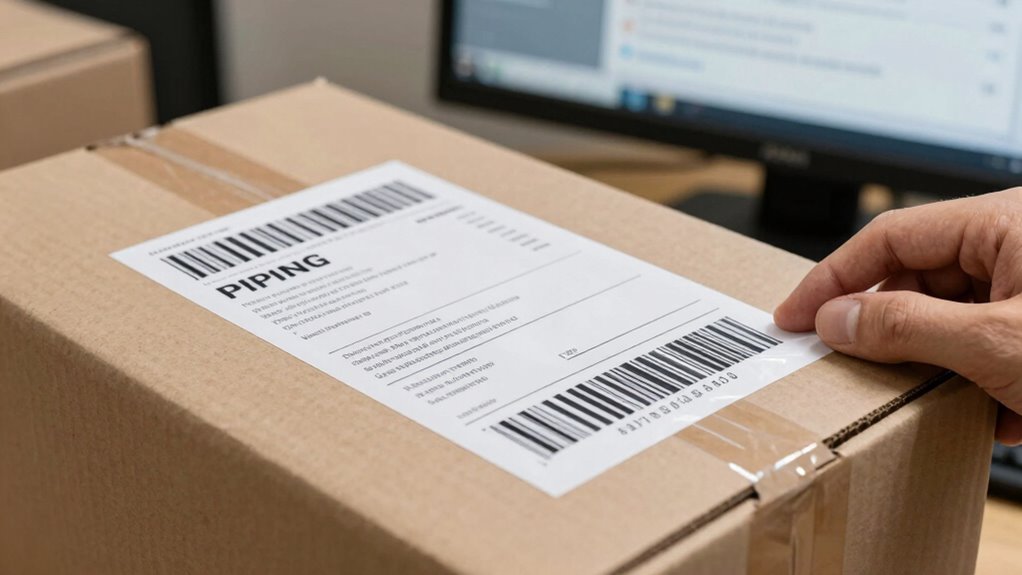

To guarantee your shipping labels are effective, measure your package accurately to select the right size and format. Use suitable label types like rectangular, square, or custom sizes based on your item’s dimensions. Make sure your printer settings match the label material, and test print to avoid smudges. Proper label size, format, and quality help your shipment stay compliant and scannable. Keep exploring to master all the best practices for flawless label printing.
Key Takeaways
- Measure your package accurately to select a label size that fits without covering essential information.
- Choose label formats and sizes that match your package dimensions and shipping carrier requirements.
- Use high-quality labels compatible with your printer type to ensure clear, smudge-free printing.
- Calibrate your printer and run test prints to verify alignment, barcode readability, and print quality.
- Confirm label size and format meet carrier guidelines to ensure proper adhesion and scannability during transit.

Software Test Design: Write comprehensive test plans to uncover critical bugs in web, desktop, and mobile apps
As an affiliate, we earn on qualifying purchases.
How to Measure Your Package and Choose the Right Label Size
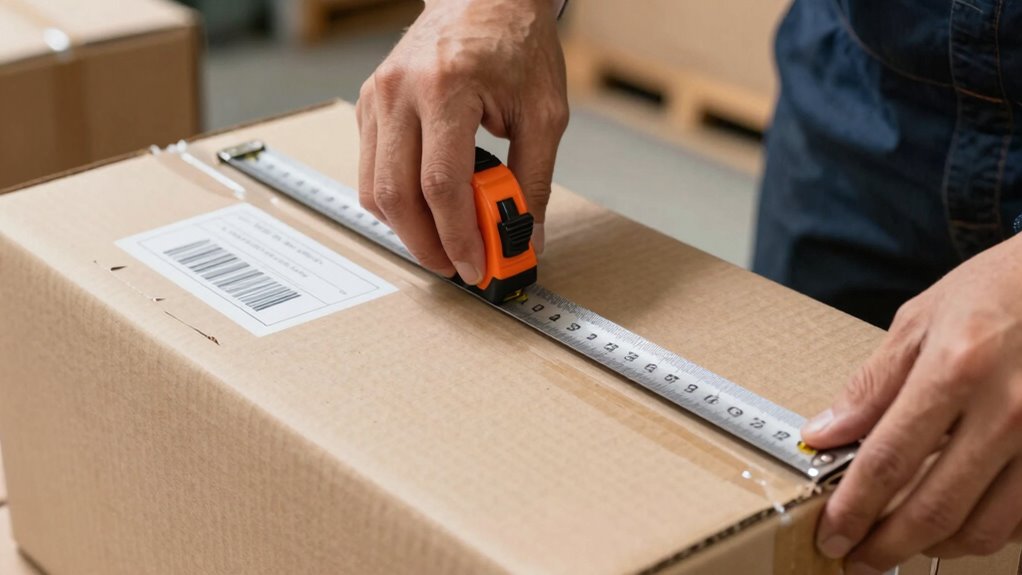
Before printing your shipping label, make certain to accurately measure your package to guarantee the label fits properly and stays secure during transit. Use a measuring tape to determine the package dimensions—length, width, and height. Ensure you record these measurements precisely, as incorrect dimensions can lead to label misalignment or shipping delays. Measure the package at its largest points and keep the tape snug but not tight. Knowing your package dimensions helps you select the correct label size, avoiding labels that are too small or excessively large. Proper measurement ensures your label adheres smoothly and remains intact until delivery. Being aware of package weight and size is crucial for choosing the appropriate shipping method and label type. Accurate measurements also help in preventing shipping errors, which can save time and reduce costs. Additionally, understanding label size standards can facilitate compliance with carrier requirements and ensure smoother processing. Recognizing shipping carrier policies can help you avoid unexpected complications during transit. Taking these steps minimizes errors and streamlines your shipping process, giving you confidence that your package is correctly labeled and ready for transit. A comprehensive measurement can further improve the accuracy of your shipping details and help avoid potential issues.
What Are the Most Common Shipping Label Formats and When to Use Them
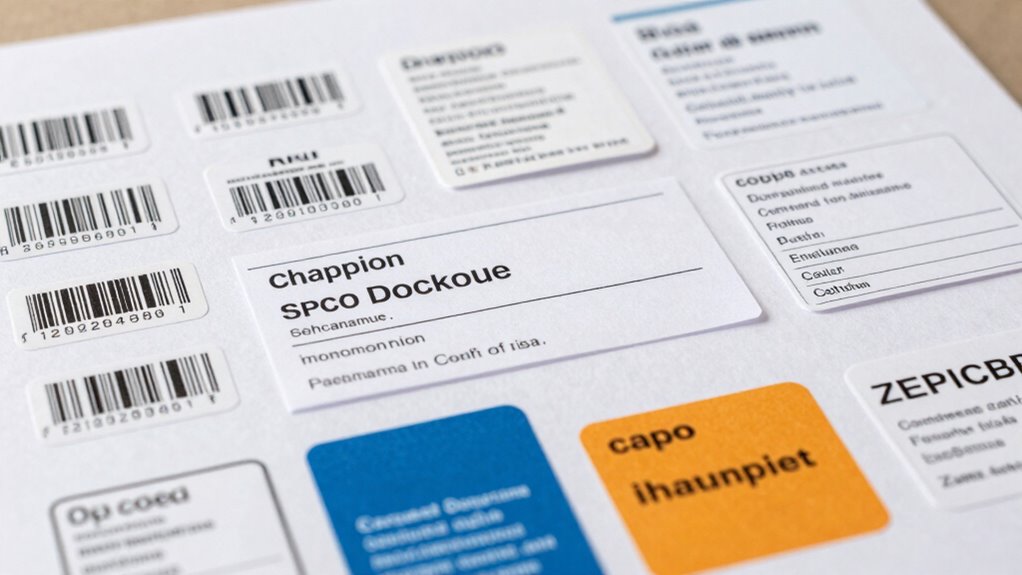
Understanding the most common shipping label formats can help you choose the right one for your needs. The standard rectangular label is widely used for most packages, offering a straightforward label design that fits easily on boxes and envelopes. For smaller items, a square or rounded corner label might be better, especially if space is limited. Some shipments require labels with barcode formats like Code 39 or QR codes, which facilitate quick scanning and tracking. When considering label customization, opt for formats that allow clear printing of addresses, barcodes, and handling instructions without clutter. Thermal labels are popular for their durability and efficiency, especially in high-volume shipping. Selecting the right format guarantees your label is legible, scannable, and suited to your package’s size and the shipping method. Additionally, choosing appropriate label formats ensures compatibility with your shipping software and equipment, streamlining your fulfillment process. Using standardized label sizes can also help reduce printing errors and improve overall efficiency in your shipping workflow. Being aware of label size standards helps prevent issues with postage verification and ensures compliance with carrier requirements. Moreover, understanding label format compatibility can help prevent delays caused by incompatible printing or scanning equipment.
How to Pick the Correct Label Size Based on Measurements and Format Constraints
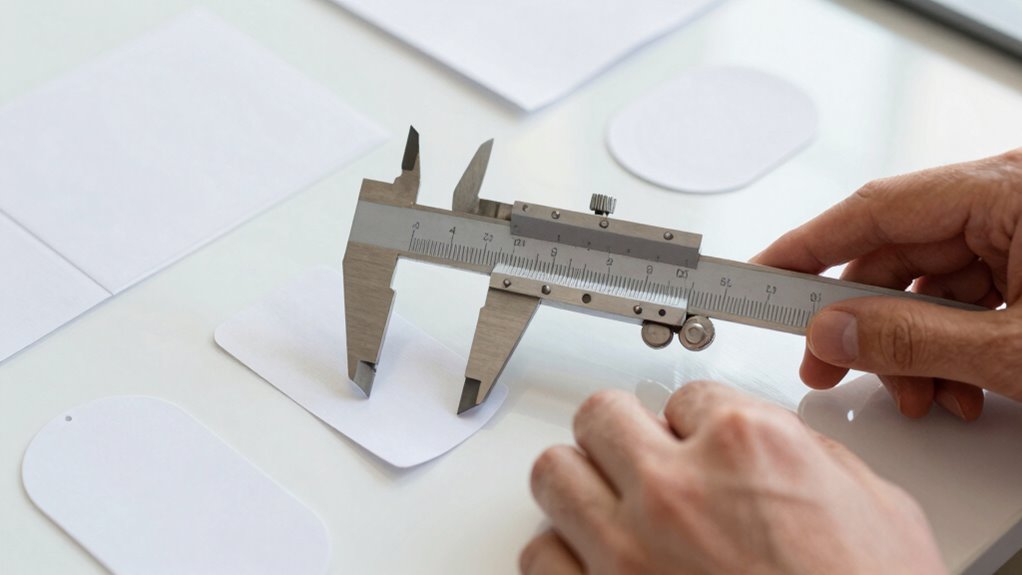
Choosing the right label size starts with measuring your package accurately and understanding the format constraints. Confirm the label fits well without covering essential information. Consider the label material—paper or waterproof options—and the adhesive strength needed for your surface. Use the table below to help determine suitable sizes:
| Package Type | Label Dimensions | Format Constraints |
|---|---|---|
| Small Box | 3″ x 2″ | Fits small packages, lightweight labels |
| Medium Box | 4″ x 3″ | Balances visibility and space |
| Large Box | 6″ x 4″ | Larger labels for bigger packages |
| Pallet Labels | 8″ x 6″ | Heavy-duty, durable materials |
| Irregular Shapes | Custom-sized | Tailored to package contours |
Matching size with format ensures clarity and adhesion, preventing label peeling or obscuring info.
Tips for Printing Clear, Smudge-Free Shipping Labels
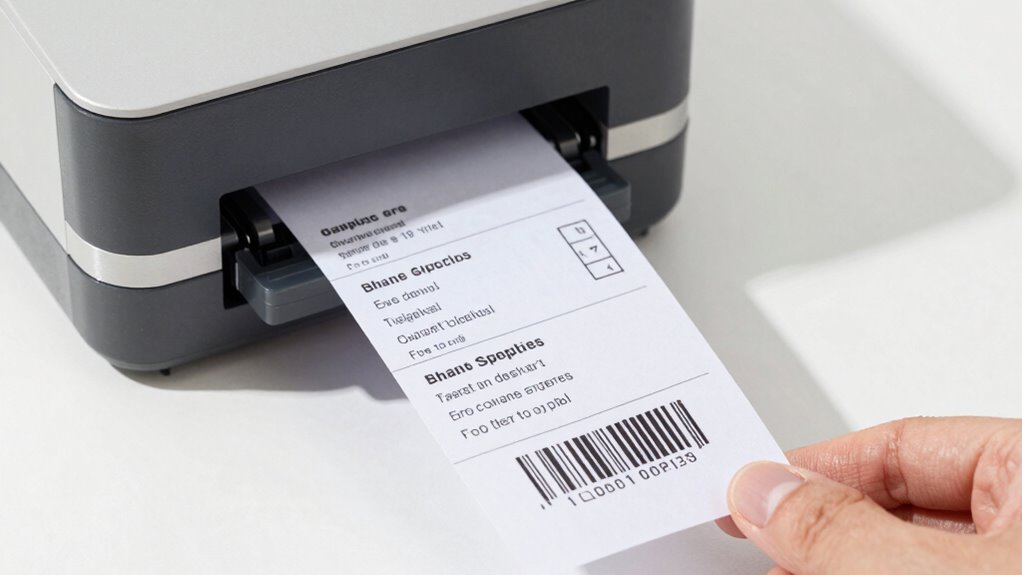
To get clear, smudge-free shipping labels, start by using quality labels designed for your printer type. Make sure your printer settings match the label material and ink type for ideal results. Additionally, selecting the appropriate label maintenance procedures can prevent smudging and ensure durability. Incorporating proper label selection can further improve printing outcomes and durability. Using print test pages before printing the actual labels can help identify potential issues and save time. Also, implementing regular printer calibration can ensure consistent print quality. Finally, give the ink enough time to dry before handling or shipping to prevent smudging.
Use Quality Labels
Using high-quality labels is essential to guarantee your shipping labels print clearly and stay legible during transit. Quality labels offer better label durability, ensuring they resist smudging, tearing, and water damage. They also feature stronger adhesive strength, preventing labels from peeling or falling off during handling. When you choose premium labels, your printing results will be sharper, with more defined text and images, reducing the risk of unreadable addresses. Investing in durable, well-adhesive labels means fewer reprints, fewer shipping errors, and a more professional presentation. Don’t compromise on label quality—opt for labels designed specifically for shipping purposes to ensure your labels hold up throughout the entire delivery process. Proper label selection helps ensure your labels remain intact and legible during transit. This simple step supports product integrity and helps maintain clarity and improves overall shipping efficiency. To maximize label performance, choosing the right label materials is crucial for different shipping environments. Additionally, understanding label printer compatibility can further enhance print quality and durability.
Maintain Proper Printer Settings
Ensuring your printer settings are optimized is crucial for producing clear and smudge-free shipping labels. Start by checking label alignment; misaligned printing can cause smudges or incomplete text. Adjust the paper guides to match your label size precisely. Regular printer calibration ensures colors are accurate and lines are sharp, preventing blurry images or text. Use the correct print quality setting—draft mode may save ink but can reduce clarity, so switch to high quality for labels. Also, verify that your print density and contrast are appropriate to enhance readability. Properly calibrated printers and proper label alignment are essential to avoid smudges, ensure legibility, and produce professional-looking shipping labels every time. printer calibration helps maintain consistent print quality and reduces errors.
Allow Ink Drying Time
Allowing your ink to dry completely before handling or stacking labels is essential for achieving smudge-free results. Rushing this step can lead to ink smudging, jeopardizing label clarity and professionalism. To guarantee proper ink drying:
- Wait at least 2-5 minutes after printing, depending on ink type and paper quality.
- Place labels flat on a clean, dry surface to prevent accidental smudging.
- Avoid stacking or handling labels until you’re confident the ink is fully dry.
- Proper print quality ensures the ink dries evenly and reduces smudging risks.
- Selecting the right label material can also help promote faster ink drying and better durability.
Matching Label Sizes and Formats to Carriers and Printers
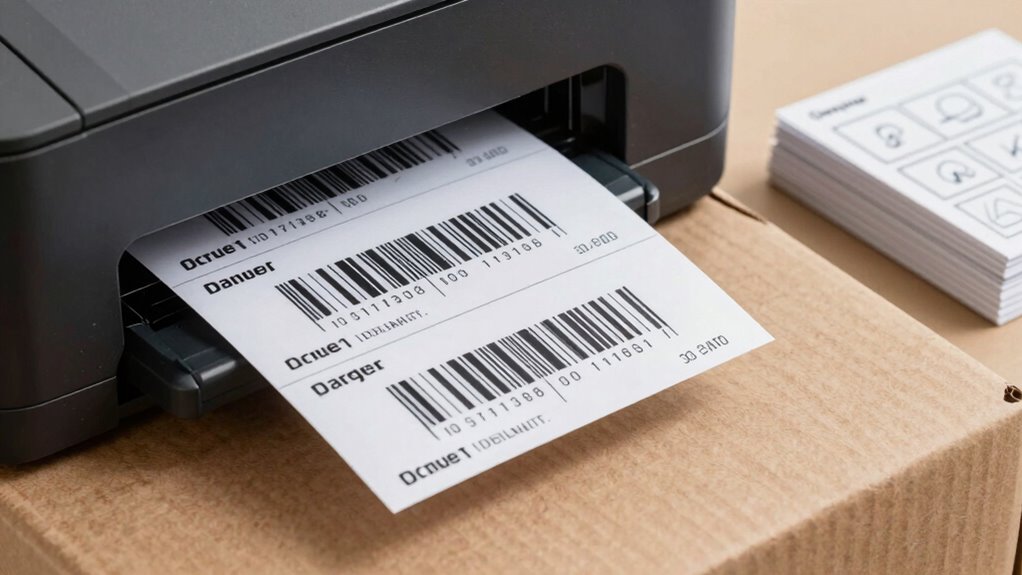
Have you ever struggled to get your shipping labels to fit perfectly on your packages? Matching label sizes and formats to carriers and printers is essential for smooth shipping. Start by understanding each carrier’s requirements; some prefer specific label dimensions or formats for barcode readability. When choosing label design, verify the size accommodates all necessary info without overcrowding. Select label adhesives suitable for your package surfaces, whether paper or plastic, to prevent peeling or misalignment. Compatibility between your printer and label size is key—using the wrong format can cause jams or incomplete printing. Always double-check carrier guidelines and printer specifications before purchasing labels. Proper matching minimizes errors, speeds up processing, and guarantees your labels adhere securely, making your shipping process more efficient and professional. Additionally, understanding label specifications helps ensure your labels are compliant and scannable by carrier systems.
Troubleshooting Common Shipping Label Printing Issues
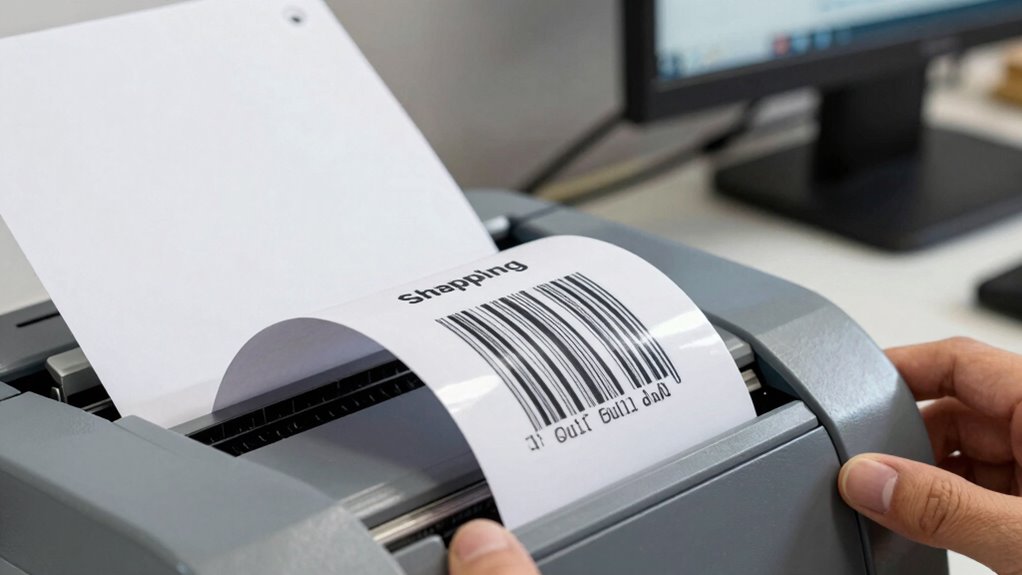
Shipping label printing issues can disrupt your workflow and delay deliveries, but many common problems have straightforward solutions. If your labels aren’t printing correctly, start by checking your label design—make certain all elements, like barcode placement, are within the printable area. Next, verify that your printer settings match the label size and format to prevent misalignment. Finally, inspect your printer for issues such as low ink or paper jams that could affect print quality. Ensuring your backup storage devices are functioning properly can also prevent data loss during the printing process. Additionally, reviewing your label design software can help identify potential layout errors before printing.
Check your label design, printer settings, and printer condition to resolve printing issues quickly.
To troubleshoot effectively, consider these steps:
- Confirm label design and barcode placement are correct and within specifications.
- Adjust printer settings to match the label size and type.
- Clean printer heads and ensure proper paper loading.
Addressing these areas can quickly resolve common shipping label printing issues.
Frequently Asked Questions
What Are the Best Materials for Durable Shipping Labels?
You should choose water-resistant materials like polyester or vinyl for durable shipping labels. These materials withstand moisture, preventing smudging or tearing during transit. Also, guarantee the labels have strong adhesive to maintain their position, even on rough or textured surfaces. These features help your labels stay intact, clearly visible, and professional, reducing the risk of lost or misdelivered packages.
How Do International Shipping Labels Differ in Size and Format?
International shipping labels usually differ in size and format to meet customs and carrier standards. You should include essential details like sender and recipient information, customs declarations, and tracking numbers. Labels often need to be in the label language requirements of the destination country, typically English or the local language. Using the correct size guarantees readability and compliance, helping your package clear customs smoothly and arrive on time.
Can Labels Be Resized After Printing Without Losing Clarity?
Yes, you can resize labels after printing, but it might affect print clarity. To guarantee clear results, use image editing software to resize the label file before printing, maintaining the original resolution. Avoid enlarging printed labels directly, as it can pixelate or distort the text and barcode. Always check the resized label’s quality on screen first, and if needed, reprint to keep print clarity intact.
What Security Features Should Be Included on Shipping Labels?
Oh, of course, your shipping labels should be practically Fort Knox! You need barcode security to prevent sneaky tampering and hologram features that make counterfeiting a nightmare. These security features guarantee only the right hands handle your packages, keeping your shipments safe and authentic. Don’t settle for plain labels—add those sneaky security elements, and watch your parcels stay secure and your business reputation stay intact.
How Do Environmental Factors Affect Label Adhesion and Longevity?
Environmental factors like humidity effects and temperature impact can considerably affect label adhesion and longevity. High humidity causes labels to peel or smudge, while extreme temperatures may weaken adhesive or cause ink to fade. To guarantee your labels stay intact during transit, choose materials resistant to moisture and temperature fluctuations. Properly testing labels under various conditions helps prevent issues, ensuring your shipments remain clearly labeled and securely sealed throughout their journey.
Conclusion
Now that you’ve learned to measure precisely and choose the perfect label size, imagine your packages sailing smoothly through delivery, each label crisp and clear like freshly printed pages. When you match the right format to your carrier and printer, you’ll see your shipping process become seamless—no smudges, no delays. With these tips, your labels will stand out like a shining beacon, guiding your parcels safely to their destination with confidence and clarity.