To set your power rack’s spotter arms correctly, start by choosing high-quality, compatible arms designed for your rack, and inspect them regularly for damage. Adjust the height so they align with your safety needs, ensuring they are level and flush against the rack. Secure them firmly with lock pins, and always test their stability with gentle pressure before lifting heavy weights. If you keep these steps in mind, you’ll guarantee a safer workout environment. More tips can help you optimize your setup efficiently.

Get business pricing on monitors, keyboards and dev gear
- Business-only prices and quantity discounts
- Tax-exempt purchasing
- Multiple users, one account, clear invoices
Key Takeaways
- Regularly inspect spotter arms for damage, corrosion, and secure mounting before use.
- Adjust the arms to the proper height and alignment using tools like a level or measuring tape.
- Fully insert lock pins through designated holes and ensure safety locks are securely engaged.
- Position spotter arms to create a designated safety zone, preventing accidental drops onto the body or ground.
- Test the stability of the arms with gentle pressure before lifting heavy weights to confirm secure support.
Choose the Right Spotter Arms for Your Power Rack
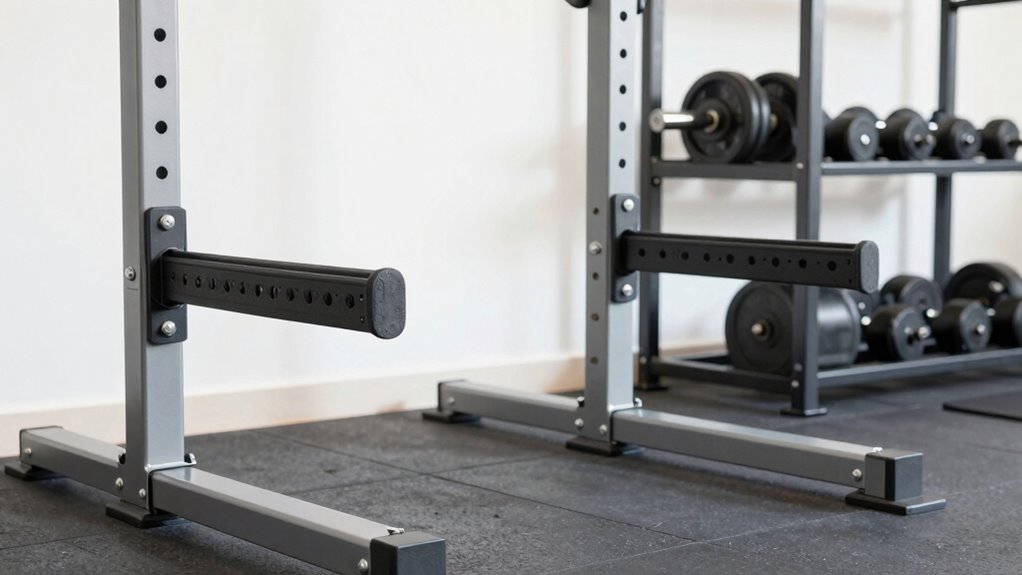
Choosing the right spotter arms for your power rack is vital for safe and effective lifting. You need to consider material compatibility to guarantee the arms can support heavy weights without bending or breaking. Steel is a popular choice because of its strength and durability, making it a reliable option for intense lifts. Additionally, look at the aesthetic design to match your gym setup; sleek, well-finished spotter arms can enhance the overall look of your rack. Compatibility with your existing equipment is key, so verify dimensions and mounting options before purchasing. By selecting spotter arms that balance sturdy materials with a pleasing aesthetic, you’ll create a safer, more functional workout space that encourages confidence during lifts. For example, understanding the horsepower of electric dirt bikes can help you appreciate the importance of sturdy, high-quality materials that can handle significant loads and stresses. Ensuring your equipment meets safety standards is also crucial for preventing accidents and injuries. Additionally, choosing spotter arms with proper mounting options ensures they stay securely in place during heavy lifts. Selecting spotter arms with features like adjustable height can further improve safety and usability during diverse workouts.
Why Proper Spotter Arm Setup Is Critical for Safety
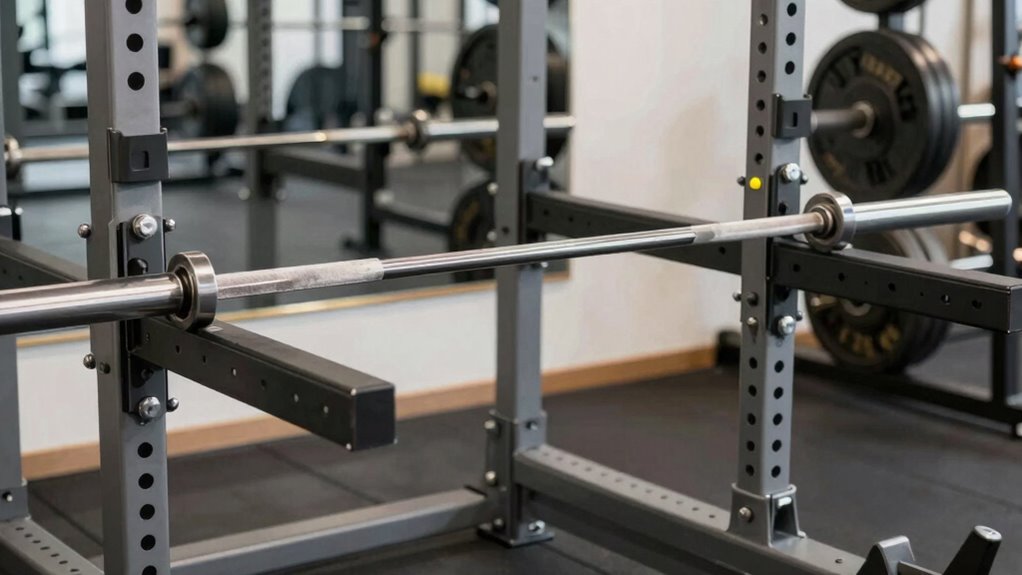
Setting up your spotter arms correctly keeps you safe by preventing accidental drop zones and ensuring your weights stay supported. Proper setup also maintains the stability of your equipment, so you can focus on your workout without worry. Taking the time to configure your spotter arms properly is essential for a secure lifting environment. Additionally, understanding proper leash etiquette can help prevent accidents when handling pet training and tracking gear around your fitness area. Ensuring correct spotter arm positioning is vital for preventing equipment damage and personal injury during heavy lifts. Being aware of Free Floating principles can also help you optimize your workout space for safety and efficiency. Paying attention to equipment security can further reduce the risk of mishaps during your training sessions, especially when integrating safety measures into your routine.
Prevents Accidental Drop Zones
Properly establishing your spotter arms is essential because it creates a designated safety zone that prevents the bar from falling onto the floor or onto you if you lose control. Correct placement ensures the bar lands on the arms, not on your body or the ground. Use spotter arm color coding to easily identify the proper height. The materials of spotter arms, like steel or heavy-duty plastic, influence their durability and safety. Consistent setup prevents accidental drop zones, reducing injury risk. Additionally, checking the material quality of your spotter arms can enhance overall safety and longevity. Ensuring your spotter arms are properly installed is crucial for maintaining a safe workout environment. Properly adjusted spotter arms also help in preventing injuries, especially during heavy lifts. Regular inspection and maintenance of the spotter arms help to maintain safety standards and prevent unexpected failures. Here’s a quick visual guide:
| Spotter Arm Material | Spotter Arm Color Coding | Purpose |
|---|---|---|
| Steel | Red and yellow | Visibility and durability |
| Plastic | Blue or green | Lightweight, easy to adjust |
| Rubber-coated | Black | Noise reduction |
Correct setup keeps you safe and maintains effective weight support.
Ensures Proper Weight Support
Why is guaranteeing proper weight support from your spotter arms so essential? Because correctly set spotter arms prevent your barbell from dropping unexpectedly, safeguarding you from injury. The strength of your spotter arm materials—like steel or heavy-duty alloys—determines their ability to handle your max lifts safely. Additionally, spotter arm design impacts their stability and load distribution; well-designed arms stay securely in place under pressure. Proper setup ensures that when you push your limits, the spotter arms will support the weight reliably, reducing accidents. Always verify that the materials are rated for your lifting needs and that the design includes secure locking mechanisms. Material strength is a critical factor in ensuring the durability and safety of your spotter arms, especially under heavy loads. Ensuring the correct installation of spotter arms is vital for a safe training environment. Paying close attention to weight capacity ratings and the manufacturer’s instructions helps prevent equipment failure. This careful attention to weight support provides peace of mind and creates a safer training environment.
Maintains Equipment Stability
When spotter arms are correctly installed and adjusted, they help keep the entire lifting setup stable, preventing shifts or wobbling during heavy lifts. The quality of spotter arm materials influences their durability and stability, guaranteeing they can withstand repeated impacts and weight loads. It’s essential to select spotter arms with an adequate weight capacity that matches your lifting needs; undersized arms can bend or fail under pressure, compromising safety. Properly aligned spotter arms distribute weight evenly and prevent equipment from shifting unexpectedly. This stability is essential for maintaining balance during lifts, reducing the risk of accidents. When you guarantee your spotter arms are made of strong materials and have sufficient capacity, you create a safer, more secure environment for your workouts. Additionally, considering the design and craftsmanship of the masks can further enhance the aesthetic and cultural authenticity of your decor. Ensuring that your spotter arms are properly maintained can extend their lifespan and maintain their safety features over time. Regular inspection and material quality are crucial factors that influence the overall performance and safety of your safety equipment. To further enhance safety, choosing spotter arms with appropriate padding can help prevent damage to the barbell and protect your equipment during use.
How to Adjust Spotter Arms to the Correct Height
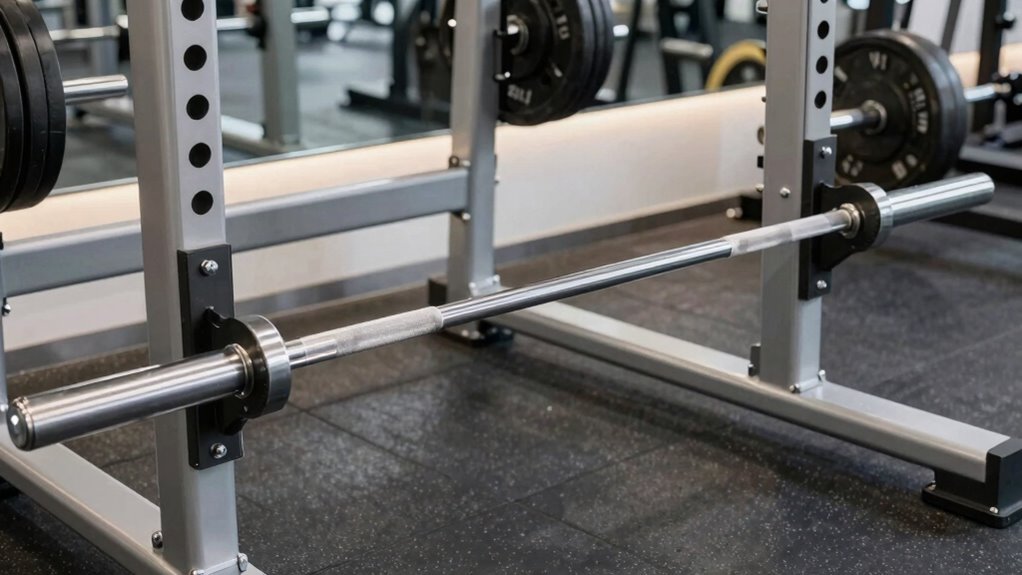
Adjusting the spotter arms to the correct height guarantees your safety during heavy lifts. To do this effectively, consider the spotter arm materials, which affect durability and safety. Use spotter arm customization options to ensure a perfect fit for your rack and lifting style. When adjusting, keep these tips in mind:
- Set the arms just below your chest for bench presses.
- Ensure they’re level on both sides.
- Test the height with a light weight first.
- Check that the arms are securely locked into their brackets.
- Regularly inspect for wear or damage, especially if your rack has adjustable components.
- Remember that humidity management can impact the materials of your spotter arms over time, affecting their safety and longevity.
Proper adjustment minimizes risks and maximizes safety. Taking the time to set the spotter arms correctly means you’ll lift with confidence, knowing you’re protected.
How to Securely Install Your Spotter Arms
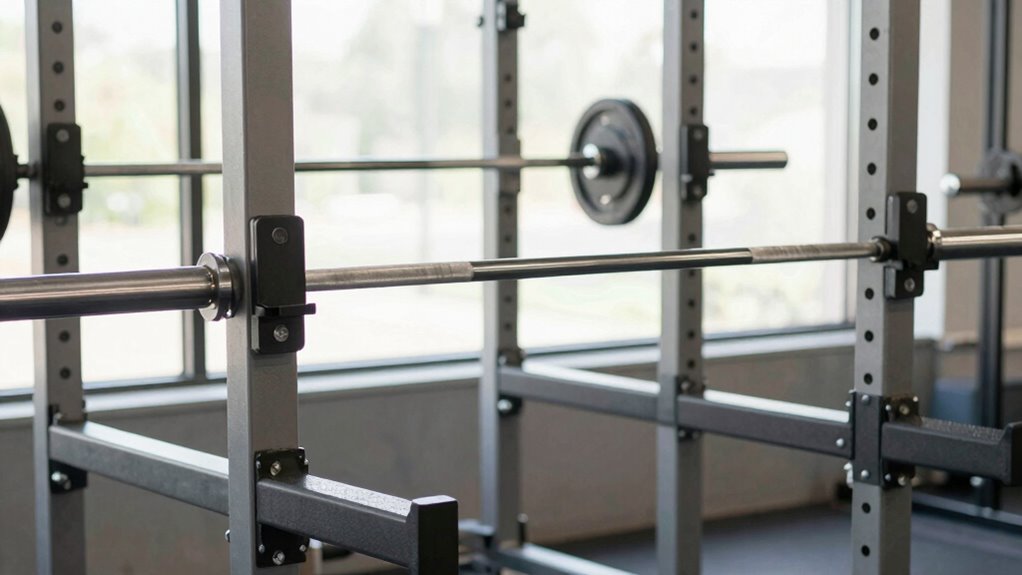
To guarantee your spotter arms stay secure, you need to focus on proper alignment techniques and firmly insert the lock pins. Regular safety inspections help catch any looseness or damage before it becomes a problem. Taking these steps keeps your workouts safe and your equipment reliable.
Proper Alignment Techniques
Ensuring your spotter arms are properly aligned is essential for a safe and effective workout. Correct alignment prevents accidents and ensures smooth spotting during lifts. To achieve this, check that the spotter arm material is sturdy and free of damage. Make sure the arms are level with each other and securely seated in their brackets. Pay attention to the aesthetic design, guaranteeing no gaps or misalignments that could compromise safety. Use a level or measuring tape for precision. Confirm that the arms are flush against the rack’s frame, avoiding wobbling or shifting. Regularly inspect the alignment, especially after equipment adjustments. Properly aligned spotter arms give you confidence and stability during heavy lifts. Keep these tips in mind for a safer lifting experience.
Securing With Lock Pins
Have you securely installed your spotter arms using lock pins? Proper lock pin placement is vital for safety. Insert the lock pins through the designated holes on the spotter arms and the power rack, ensuring they are fully engaged. Check that the safety lock mechanisms are securely in place and cannot be accidentally dislodged. Always verify that the pins are aligned correctly and sit flush without any wobbling. Avoid partial insertion or forcing the pins, as this compromises stability. Correctly secured lock pins prevent the spotter arms from shifting or falling during lifts, reducing injury risk. Once in place, give the pins a gentle tug to confirm they’re locked. Properly installed lock pins are essential for a safe lifting environment.
Regular Safety Inspections
Regular safety inspections are essential to confirm that your spotter arms are securely installed and ready for use. Over time, wear and tear can affect spotter arm materials and compromise their spotter arm weight capacity. Regularly check that the arms are firmly attached to the power rack and that no bolts or welds are damaged. Ensure the spotter arms move smoothly and lock securely in place. Don’t forget to verify that the spotter arms are rated for your lifting needs. If you notice any cracks, rust, or loose components, replace or repair immediately. Keep the inspection routine consistent to prevent accidents.
- Check for rust, cracks, or corrosion on the materials
- Confirm bolts and welds are tight and secure
- Test the locking mechanisms for proper engagement
- Ensure the arms support your weight capacity safely
- Replace worn or damaged parts promptly
How to Test Your Spotter Arms Before Heavy Lifts
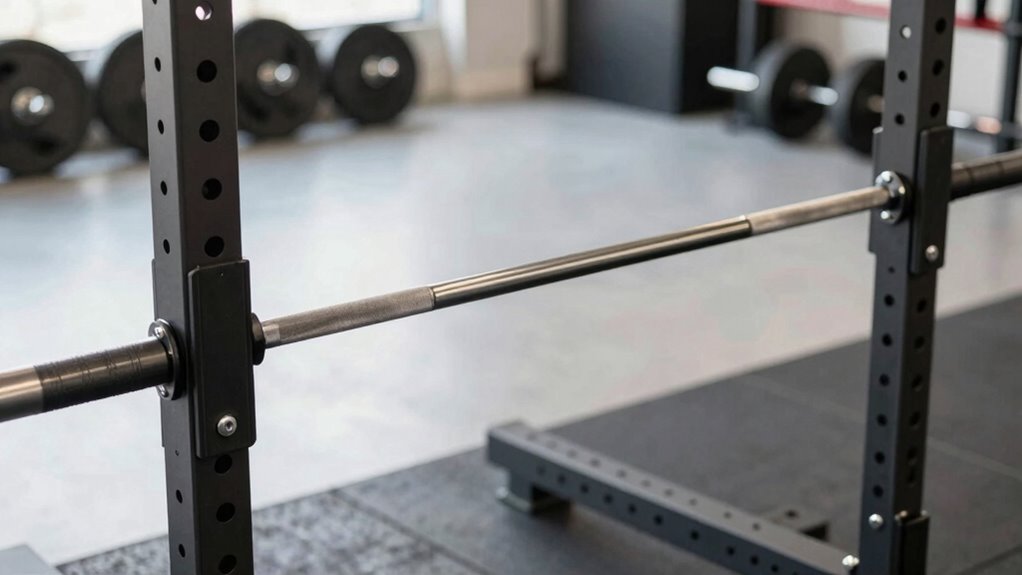
Before you attempt a heavy lift, it’s crucial to verify that your spotter arms are secure and functioning properly. Start by gently applying pressure to ensure they hold firm without wobbling. Check the spotter arm materials—steel or heavy-duty metal—are free of rust or cracks. Confirm the spotter arm weight capacity matches or exceeds your planned lift to prevent failure. To test stability, push or pull the arms slightly to see if they shift or loosen. Use this table as a quick reference:
| Spotter Arm Material | Weight Capacity | Test Method |
|---|---|---|
| Steel or heavy-duty | Match or exceed | Gentle pressure, stability check |
| Rust-free components | Adequate for lift | Visual inspection |
| Secure mounting | Correct fit | Slight push or pull |
Always ensure these checks before heavy lifts for safety.
Common Setup Mistakes That Can Compromise Safety

Many common setup mistakes can severely compromise your safety during weightlifting. One mistake is not guaranteeing the spotter arms are properly aligned with the barbell, which can cause instability. Using spotter arms made from low-quality material can lead to breakage under heavy loads. Ignoring the aesthetic design can result in poorly fitting arms that don’t stay secure. Failing to check that the spotter arms are securely locked in place can lead to sudden slips. Additionally, improper height adjustment makes it easier for the bar to slip past safety points. Be mindful of the material and aesthetic design to ensure durability and a snug fit. Proper setup prevents accidents and keeps your lifts safe and secure.
Tips for Maintaining Your Spotter Arms Long-Term
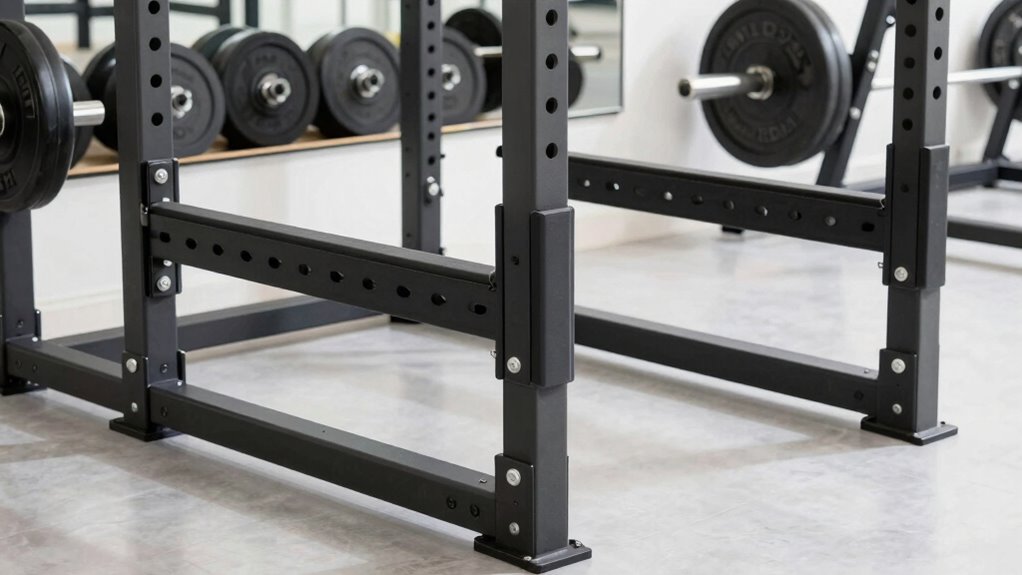
To guarantee your spotter arms stay reliable over time, you should routinely inspect them for signs of wear or damage. Regular checks help maintain spotter arm durability and ensure they function safely during heavy lifts. Look for cracks, bends, or rust, especially around attachment points and welds. Tighten any loose bolts or screws, and replace worn or damaged components promptly. Proper long-term maintenance includes cleaning the arms after use to prevent corrosion and lubricating moving parts if applicable. Keeping your spotter arms in excellent condition reduces the risk of failure and prolongs their lifespan. Consistent inspections and maintenance not only enhance safety but also save you money by avoiding costly replacements and ensuring your power rack remains a dependable workout station.
Frequently Asked Questions
How Often Should I Inspect My Spotter Arms for Wear and Tear?
You should inspect your spotter arms for wear and tear at least once a month. Regular inspection guarantees they remain secure and functional, reducing the risk of accidents. After heavy or intense workouts, check for any signs of damage or looseness. If you notice cracks, rust, or bent parts, replace or repair them immediately. Consistent inspection frequency keeps your safety gear reliable and your workouts safe.
Can I Use Adjustable Spotter Arms for Different Exercises?
Yes, adjustable spotter arms are great for exercise versatility. You can easily modify their height through spotter arm adjustments to suit various exercises, like bench presses or squats. This flexibility helps you target different muscle groups effectively and ensures safety during heavy lifts. Just make sure to securely lock the spotter arms in place after adjustments, so they stay stable and reliable throughout your workout.
What Weight Capacity Should My Spotter Arms Have?
Think of your spotter arms as the safety net beneath a daring trapeze act. You should choose spotter arms with a weight capacity that exceeds your heaviest lifts, typically at least 1.5 times your max. Check the spotter arm materials for durability and verify compatibility with your power rack. This way, you build a sturdy safety system that catches you before any fall, keeping your lifts secure and confident.
Are There Specific Safety Standards for Spotter Arms?
Yes, there are specific safety compliance standards for spotter arms. You should check local regulations and manufacturer guidelines, as spotter arm regulations typically require they meet certain load capacity and durability standards to guarantee safety. Always verify that your spotter arms adhere to these standards before use, and regularly inspect them for wear or damage to maintain safety compliance. Following these safety standards helps prevent accidents and ensures a secure lifting environment.
How Do I Replace Broken or Damaged Spotter Arms Safely?
Think of replacing broken spotter arms as tending a sturdy garden fence. First, assess the damage and remove the compromised part carefully. Use proper tools to detach the damaged spotter arm, ensuring your spotter arm material durability isn’t compromised. Select a replacement that matches the original’s strength and design. During installation, double-check the fit and secure the arm properly to maintain your safety and the integrity of your power rack.
Conclusion
Properly setting up your spotter arms can reduce injury risk by up to 85%. Regularly checking and maintaining them guarantees safety during heavy lifts. Remember, a simple mistake like incorrect height adjustment can lead to accidents. Staying vigilant and following these tips keeps your workouts safe and effective. By investing a few minutes now, you can lift with confidence and keep yourself protected—because safety isn’t just smart, it’s essential for your progress.
Fall Picks
fall essentials
As an affiliate, we earn on qualifying purchases.