
Many owners overlook hidden costs like maintenance, insurance, registration fees, taxes, and depreciation that quickly add up over time. Unexpected repairs, upgrades, and routine servicing can drain your budget if you’re not prepared. These costs often aren’t part of the initial price or advertised expenses, but they considerably impact total ownership. To stay ahead, it is crucial to understand these hidden expenses and plan accordingly—keep going to discover how to manage them effectively.

Get business pricing on monitors, keyboards and dev gear
- Business-only prices and quantity discounts
- Tax-exempt purchasing
- Multiple users, one account, clear invoices
Key Takeaways
- Hidden ownership costs include taxes, registration fees, insurance premiums, and maintenance expenses not covered in the initial purchase price.
- Unexpected repair and replacement costs for parts like batteries, motors, or specialized components can significantly increase total ownership expenses.
- Regular maintenance, inspections, and unforeseen repairs require ongoing budgeting beyond initial vehicle costs.
- Additional expenses such as storage, parking, licensing, and utility fees often go overlooked when planning finances.
- Proper budgeting involves setting aside funds for surprises, tracking expenses, and understanding long-term depreciation and upgrade costs.
How to Identify and Budget for Hidden Ownership Costs

Understanding and budgeting for hidden ownership costs can save you from unexpected expenses down the line. Start by carefully reviewing lease agreements, as they often include clauses with warranty exclusions that could leave you responsible for certain repairs. These exclusions might not be obvious at first but can add up over time. Make sure to read the fine print and ask questions about what’s covered and what’s not. Additionally, consider costs like maintenance, insurance, registration, and taxes. Keeping a detailed budget that accounts for these potential expenses helps you avoid surprises. Being proactive by understanding the details in lease agreements and warranty exclusions allows you to plan better financially, ensuring ownership remains affordable and stress-free. Understanding warranty exclusions can help you identify additional costs that might not be immediately apparent. Moreover, being aware of hidden costs in the initial purchase or lease can prevent budget overruns later on, especially since electric bikes and dirt bikes can have significant costs associated with their performance features, such as batteries and motors. It is also beneficial to stay informed about cost fluctuations related to parts and repairs, which are often overlooked during the initial budgeting process.
What Are Hidden Costs of Ownership and Why Do They Matter?

Hidden costs of ownership are expenses that often catch buyers off guard because they’re not included in the initial purchase price or advertised fees. These costs impact your budget planning and highlight the importance of expense tracking over time. Ignoring hidden costs can lead to financial strain and unexpected setbacks. To better understand their significance, consider: 1. Additional fees or taxes that arise after purchase 2. Insurance premiums or policy adjustments 3. Ongoing maintenance or service charges not initially disclosed. Being aware of installation costs is also crucial, as they can significantly increase the total expense. Additionally, understanding water-related expenses and cultural practices related to ownership can help you navigate hidden costs that are specific to certain regions or communities. It is also essential to consider regulatory fees, which can unexpectedly arise during ownership. Staying informed about cryptocurrency regulations and potential policy changes is vital for owners involved in digital asset investments. Knowing these can help you allocate funds more accurately and prevent surprises. Recognizing hidden costs encourages proactive budget planning, ensuring you’re prepared for all expenses associated with ownership. This awareness ultimately helps you maintain financial stability and avoid unnecessary stress.
Unexpected Maintenance and Repair Expenses
Unexpected repairs can happen at any time, catching you off guard and costing more than you expect. Hidden damage often surfaces only when you’re least prepared, adding to your expenses. Plus, parts and labor costs can quickly escalate, making repairs more costly than anticipated. Incorporating preventive maintenance into your budget can help mitigate some of these surprises. Additionally, choosing eco-friendly craft materials, like sustainable tissue paper, can reduce long-term environmental and financial costs. Being aware of common hidden issues can also prepare you to address problems early before they become costly, especially since regular inspections can identify issues before they worsen. Recognizing the importance of early detection can further help in managing repairs efficiently.
Emergency Repairs Can Strike
Emergency repairs can hit your budget when you least expect them, often catching homeowners off guard. These unexpected costs can be overwhelming if you’re unprepared. To mitigate the impact, consider these three points:
- Maintain a dedicated emergency fund to cover urgent repairs.
- Review your warranty coverage and insurance premiums regularly to ensure you’re protected against major expenses.
- Understand what is and isn’t included in your warranty to avoid surprises when repairs are needed.
- Regularly inspecting household safety features, such as hotel safety measures and household products, can help prevent some emergency repairs before they happen. Additionally, staying informed about home maintenance best practices can reduce the likelihood of unexpected issues.
Hidden Damage Surprises
While some maintenance tasks are scheduled, others can catch you off guard, leading to costly surprises. Unexpected issues like hidden damage can cause expenses beyond your initial budget. For example, you might face sudden repairs that increase insurance premiums or unexpected repairs that drive up fuel expenses if your vehicle isn’t running efficiently. These surprises often arise from wear and tear or unnoticed damage, which can worsen over time if not caught early. Such costs aren’t always obvious when you first budget for ownership, making them easy to overlook. Staying prepared means setting aside extra funds for these hidden damages, so you’re not caught off guard when the unexpected happens. Additionally, understanding quality assurance principles can help identify potential issues early, saving you money in the long run. Regular inspections and preventive maintenance can help uncover hidden damages before they become major problems. Incorporating automotive diagnostics can further improve early detection of issues, thereby reducing long-term repair costs. A thorough comprehensive inspection routine can also help catch damage that might otherwise go unnoticed, especially when combined with modern diagnostic tools to ensure all potential problems are identified early.
Parts and Labor Costs
Parts and labor costs can quickly add up when your vehicle needs repairs or maintenance beyond routine service. Unexpected expenses might include replacing worn-out parts, fixing mechanical issues, or customizing your vehicle for better performance. Keep in mind:
- Higher-quality parts can boost vehicle customization but come with increased costs.
- Labor charges vary depending on the repair complexity and your mechanic’s rates.
- Investing in proper repairs now can improve fuel efficiency and prevent more costly problems down the line.
- Proper vehicle maintenance can extend the lifespan of your vehicle and prevent unexpected expenses.
Budgeting for these expenses ensures you’re prepared for surprises. Remember, neglecting repairs can lead to decreased fuel efficiency and further damage. Being aware of potential parts and labor costs helps you make smarter decisions about maintaining or modifying your vehicle.
Hidden Insurance and Licensing Fees You Should Know

Hidden insurance and licensing fees can substantially increase the true cost of ownership, catching many buyers off guard. Insurance premiums vary based on your location, driving history, and vehicle type, often leading to higher-than-expected costs. Licensing fees are also not static; they can fluctuate annually or depend on your vehicle’s weight, age, or emissions standards. These fees add up quickly and are sometimes overlooked during budgeting. It’s essential to research your state’s specific insurance premiums and licensing fees before purchasing a vehicle. Failing to account for these expenses can result in a financial surprise that strains your budget. Be proactive: understand these hidden costs so you can plan accordingly and avoid unpleasant surprises down the line.
How Your Vehicle’s Value Drops Over Time (Depreciation)
You’ll notice your vehicle’s value drops most sharply in the first few years, which can catch you off guard. Several factors, like mileage and market trends, speed up this loss. Understanding how depreciation affects resale value can help you make smarter ownership decisions.
Rapid Initial Drop
Right after driving a new car off the lot, its value can plummet sharply—sometimes by as much as 20% within the first year. This rapid initial drop is a key part of initial depreciation, markedly impacting your ownership overhead. During this time, your vehicle loses a large chunk of its value, which can surprise many owners. To better understand this, consider:
- The steepest depreciation occurs immediately, often within the first 12 months.
- This initial loss can account for up to half of total depreciation over the vehicle’s life.
- It directly affects your asset’s worth, influencing future resale and overall ownership costs.
Being aware of this drop helps you budget smarter and prepares you for the true cost of ownership beyond monthly payments.
Factors Accelerating Loss
Several factors can accelerate your vehicle’s depreciation, causing its value to decline more rapidly over time. Neglecting regular maintenance costs can lead to increased wear and tear, making your car less appealing and reducing its resale value. Additionally, higher insurance premiums can signal to buyers that your vehicle is riskier or less reliable, further decreasing its worth. Cosmetic damage, such as dents or scratches, also hastens depreciation by giving the impression of poor upkeep. Environmental factors like exposure to harsh weather or road salt can accelerate rust and deterioration, impacting value. The faster your vehicle shows signs of aging or damage, the more its market value drops. Being aware of these factors helps you understand how your vehicle’s worth can diminish beyond normal wear and tear.
Resale Value Impact
Have you ever wondered how quickly your vehicle’s value can decline? The resale value is heavily influenced by depreciation impact, which reduces your car’s worth over time. Understanding this helps you make smarter decisions. Typically, after three years, a vehicle can lose about 40-50% of its original value. To minimize loss, consider:
- Choosing models with high resale demand
- Maintaining regular service and repairs
- Keeping the vehicle in good condition, free of accidents or modifications
Being aware of these factors lets you better estimate future costs and protect your investment. Remember, the faster your vehicle depreciates, the less you’ll recover when you sell or trade it in. Managing depreciation impact is vital for keeping ownership costs predictable and minimizing hidden expenses.
Additional Costs for Storage, Parking, and Utilities
When considering the true cost of ownership, it’s important to account for additional expenses like storage, parking, and utilities, which often catch people off guard. Storage expenses can add up if you lack space at home, forcing you to rent storage units or seek alternative solutions. Parking fees can also surprise you, especially in busy urban areas where the cost of parking can be high or unpredictable. Utilities, including electricity, water, and internet, are ongoing costs that can fluctuate based on usage and location. Failing to budget for these expenses can strain your finances and lead to unexpected financial stress. Knowing these hidden costs helps you plan better and avoid surprises that could impact your overall budget.
Upgrades, Accessories, and Surprise Improvement Expenses
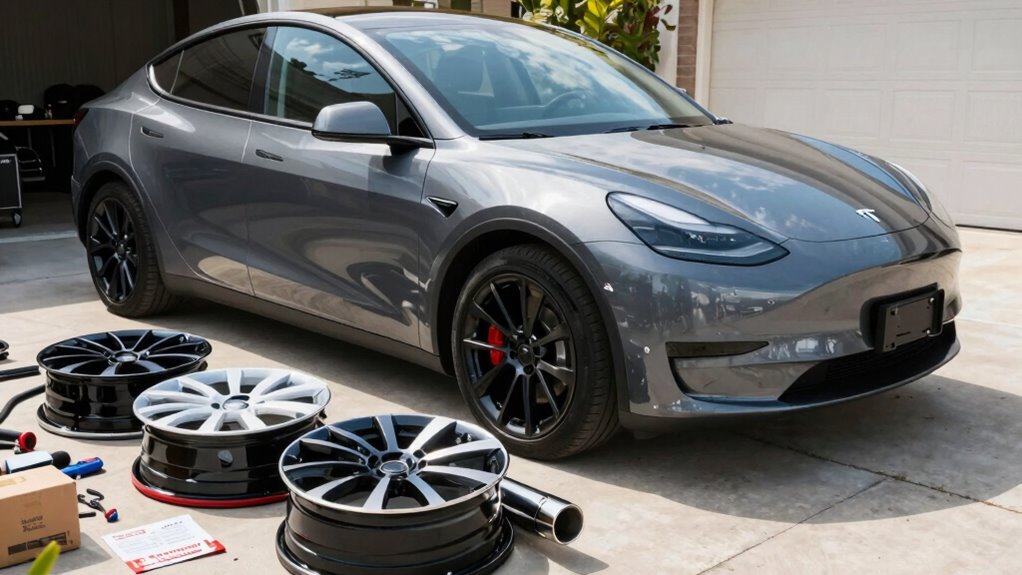
After accounting for storage, parking, and utility costs, many owners find that unexpected expenses arise from upgrades and accessories. Vehicle customization and accessory installation can quickly add up, often catching you off guard. Here are three key points to consider:
- Customizing your vehicle may seem simple but often leads to hidden costs like professional installation fees.
- Accessories, such as tech upgrades or aesthetic enhancements, can require ongoing maintenance or replacement.
- Surprise expenses may include unanticipated modifications to meet safety or legal requirements, especially if you push beyond basic customization.
These costs aren’t always obvious upfront, so budgeting for potential upgrades and accessories helps prevent financial surprises down the road. Always factor in the possibility of unexpected improvement expenses as part of your ownership plan.
How Much Time Ownership Really Takes and What It Costs

Owning a vehicle involves more than just paying for it; it requires a significant investment of time for maintenance, cleaning, and occasional repairs. Regular upkeep, like oil changes and tire rotations, can take hours over the years. Leasing costs may seem straightforward, but they often include mileage limits that require monitoring, adding to your time commitments. Insurance premiums also demand attention—updating policies or handling claims can be time-consuming. Additionally, budgeting for unexpected repairs or roadside assistance means staying on top of schedules. Overall, vehicle ownership demands consistent effort beyond financial costs, impacting your weekly routine. Recognizing these time investments helps you better prepare for the true cost of keeping your vehicle in good shape.
Taxes, Fees, and Regulatory Expenses You Might Overlook
Beyond the direct costs of maintenance and repairs, there are numerous taxes, fees, and regulatory expenses that can catch you off guard. These include expenses like vehicle registration, licensing fees, and local taxes that vary by region. For example:
- You might overlook annual vehicle registration fees that increase over time.
- Licensing fees can fluctuate based on vehicle type or emissions standards.
- Regulatory expenses, such as inspections or permits, add unexpected costs to ownership.
Failing to budget for these can lead to fines or lapses in legal compliance. Some regions impose hefty taxes or renewal fees that catch owners unaware. Staying informed about local regulations and factoring these costs into your budget helps avoid surprises and keeps ownership smooth. Remember, these expenses can add up, so plan accordingly.
Tips for Planning and Saving on Hidden Ownership Costs

To effectively manage hidden ownership costs, preparing in advance and allocating a dedicated budget for unexpected expenses is vital. Start by researching potential costs like vehicle customization, repairs, and maintenance, which often catch owners off guard. If you’re committed to brand loyalty, explore warranty options and service plans that can save you money over time. Consider setting aside a monthly amount specifically for these hidden costs, so you’re not caught unprepared. Regularly review your budget and adjust as needed, especially if you plan upgrades or modifications. Staying proactive helps you avoid financial stress and keeps ownership affordable. By planning ahead, you guarantee that unexpected expenses won’t derail your financial stability while allowing you to enjoy your vehicle without worry.
Frequently Asked Questions
How Do Hidden Costs Vary Between Different Vehicle Types?
Hidden costs differ across vehicle types because maintenance surprises and insurance nuances vary. For example, luxury cars often have higher maintenance and insurance premiums, while trucks may incur more fuel costs. Electric vehicles might save money on fuel but face costly repairs or battery replacements. You should budget for these differences, as they impact your overall ownership expenses and can catch you off guard if overlooked.
Are There Hidden Costs Specific to Electric or Hybrid Vehicles?
You should consider that electric and hybrid vehicles often have hidden costs like installing a charging infrastructure at home, which can be expensive. Additionally, battery replacement is a significant future expense, often overlooked, as batteries degrade over time. These costs can add up, so budgeting for charging setup and potential battery replacement is vital to avoid surprises and guarantee smooth ownership.
How Can I Estimate Future Unexpected Repair Expenses Accurately?
To estimate future unexpected repair expenses, you should track your vehicle’s maintenance surprises and monitor insurance fluctuations. Keep detailed records of repairs and service history, and research common issues for your car model. Regularly review your insurance policy to understand potential premium changes. Setting aside a dedicated emergency fund for repairs can also help, ensuring you’re prepared for unforeseen costs that might arise over time.
What Are Hidden Costs Associated With Leasing Versus Buying?
When comparing leasing versus buying, you should watch out for maintenance surprises and insurance pitfalls. Leasing often covers some maintenance, but unexpected repairs can still arise, costing you extra. Buying might mean higher insurance premiums or unexpected repair costs over time. Budget for these hidden costs to avoid surprises, and carefully read your lease or purchase agreement to understand what’s covered and what’s not, ensuring you’re financially prepared.
How Do Seasonal or Regional Factors Impact Hidden Ownership Costs?
Seasonal and regional factors can considerably increase your hidden ownership costs. You might face higher regional insurance premiums or need seasonal maintenance, such as winterizing your vehicle or adjusting for climate-related wear and tear. These costs often catch owners off guard, so budgeting for regional insurance differences and seasonal maintenance helps avoid unexpected expenses. Planning ahead ensures you’re prepared for these regional and seasonal variations, saving you money in the long run.
Conclusion
Don’t forget the fees, fixes, and fines lurking behind your vehicle’s shine. By budgeting for these hidden hazards, you’ll avoid unexpected expenses and unwanted stress. Stay savvy, scrutinize costs, and stay ahead of surprises. Planning pays off—protect your pocket and peace of mind by pinpointing and preparing for all the hidden costs of ownership. Keep your car costs clear, and your cash flow flowing confidently!
Fall Picks
fall essentials
As an affiliate, we earn on qualifying purchases.