
TL;DR
A checklist published by Thorsten Meyer AI outlines equipment categories for workspaces used for recording, calls, file handling and everyday computer work. It names the RØDE PodMic USB and SanDisk 2TB Extreme Portable SSD, but provides no webcam pick in the supplied material; buyers are advised to check compatibility and prioritize actual workflow gaps.
Thorsten Meyer AI has published a gear checklist for people building workspaces for recording, calls, file handling and everyday computer use, naming a RØDE microphone and SanDisk portable SSD while advising readers to check compatibility before buying. The guidance matters to people assembling an AI workflow workspace because it frames equipment choices around the devices, connections and work habits they already have, rather than recommending that every category be purchased.

Get business pricing on monitors, keyboards and dev gear
- Business-only prices and quantity discounts
- Tax-exempt purchasing
- Multiple users, one account, clear invoices
The checklist covers equipment categories from audio and video to storage, desk connectivity, input devices and power protection. It advises readers to confirm their computer ports, operating setup, available desk space and connected devices, then prioritize the gaps that interrupt work most often. The supplied material does not include a product recommendation for every category.
For audio, the named pick is the RØDE PodMic USB Dynamic Broadcast Microphone, whose product name specifies USB-C and XLR connections. The source describes it as intended for broadcast, streaming, podcasting and recording, and lists onboard APHEX DSP, speech noise rejection and zero-latency monitoring. It also cautions that an XLR setup may require additional equipment and that the microphone’s size may not suit every desk.
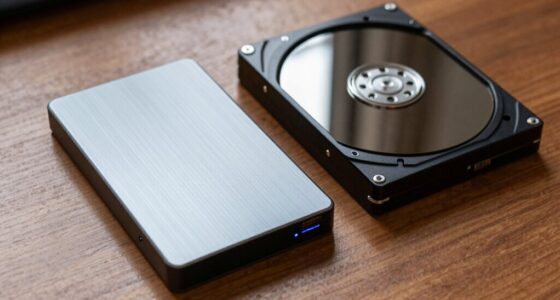
For storage, the supplied pick is the SanDisk 2TB Extreme Portable SSD. The source identifies the product type and capacity but does not provide further performance or compatibility details in the supplied text. Its broader advice is to estimate storage needs from the files a person actually keeps and check that the drive connects to the computers in use. For webcams, it offers selection advice rather than a named product: check the connection, mounting arrangement, software and autofocus behavior against the user’s working position.
WORKSPACE FIELD GUIDE · 2026
AI Workflow Automation: Gear to Include in Your Checklist
A practical guide to equipment for recording, calls, file handling and everyday computer work. Start with the friction in your current workflow, then check whether a purchase fits your devices and routine.
01 / Build around actual needs
Six parts of a working setup
The article spans common workspace equipment, but it does not say everyone needs every category. Treat each one as a question to answer, not a shopping mandate.
Clearer recording
Map the microphone connection, cable route and recording chain to the computer or hub you already use.
Useful camera placement
Check the connection, mount, software and autofocus behavior from your real working position.
Files that travel
Estimate the files you keep and confirm the drive connects to each computer in your workflow.
Desk connections
Review ports, hubs, attached devices and cable reach before adding another connection point.
Everyday control
Consider input devices only when they address a specific comfort or work interruption.
Power protection
Consider power needs and the equipment at risk; the supplied material gives no specific product pick.
02 / Products named in the source
Two picks, with checks attached
Product details are reported from the supplied checklist. They do not establish independent testing, current pricing or suitability for every setup.
RØDE PodMic USB
Dynamic broadcast microphone described for streaming, podcasting and recording.
- Product name specifies USB-C and XLR
- Source lists onboard APHEX DSP, speech noise rejection and zero-latency monitoring
- Check whether an XLR setup needs additional equipment
- Consider the microphone’s size and available desk space
SanDisk 2TB Extreme Portable SSD
The supplied material identifies the product type and capacity, without further performance or compatibility details.
- Estimate the working files you actually need to carry
- Check that the drive connects to each computer in use
- Review current manufacturer specifications before buying
- No measured performance results are provided in the source
03 / A purchase path that starts at the desk
From interruption to informed choice
Compatibility is a property of the whole setup. A connection on a product page may still be awkward with your hub, cable route, software or working position.
Name the friction
Is the recurring problem unclear call audio, awkward camera placement or moving project files?
Map the setup
Identify the computer or hub, ports, connected devices, software and available desk space.
Check the fit
Confirm connections, cable reach, mounting, operating-system support and current specifications.
Prioritize one gap
Address the interruption that happens most often. Keep other categories optional until needed.
Choose by workflow gap—not by category count.
04 / Evidence boundary
What the checklist leaves open
Use the article as a planning aid. It does not provide enough evidence to rank products or predict results for a particular buyer.
No hands-on testing process or independent comparison is documented.
No product prices, price history or lowest-price claim is established.
The source gives selection advice without a named webcam recommendation.
No productivity improvement or time saved is quantified.
05 / Quick answers
Before you add anything to cart
What does the checklist cover?
Gear for recording, calls, file handling and everyday computer work: audio, video, storage, connectivity, input devices and power protection.
Which products are named?
The RØDE PodMic USB Dynamic Broadcast Microphone and SanDisk 2TB Extreme Portable SSD. No webcam model is named in the supplied text.
Should everyone buy every category?
No. The guidance is to prioritize the gaps that interrupt work most often and check compatibility before purchasing.
Were the products independently tested?
The supplied material reports no test method or independent comparison. Check current manufacturer information against your own devices and routine.
Buying for the Workflow You Have
The checklist’s practical point is that equipment has to fit the whole setup. A microphone connection listed on a product page does not establish that it will work with a particular computer, hub or recording chain. A webcam’s autofocus label alone does not answer whether its mount fits a monitor or whether it works with the software used for calls. Storage capacity, meanwhile, is only one part of choosing a drive; the connection and the way files move between devices matter too.
That approach can help readers avoid buying equipment that adds friction instead of removing it. Someone who records spoken notes may have a different priority from someone who regularly joins video calls or moves large project files between computers. The checklist recommends addressing those specific needs first and treating other categories as optional until they solve a real problem.
The source does not report measured productivity gains, test results, prices or independent comparisons among products. Its value is as a planning aid: it gives readers questions to answer before purchasing, while leaving product suitability dependent on each person’s equipment and routine.
Products Worth Considering

Anker SOLIX C1000 Gen 2 Portable Power Station with 200W Solar Panel

Jackery Explorer 300 Portable Power Station, 292Wh

LG UltraGear 27-inch QHD OLED Gaming Monitor, 240Hz, 0.03ms, G-SYNC Compatible, FreeSync Premium Pro, HDR True Black 400
As an affiliate, we earn on qualifying purchases.
From Audio to Storage
The article is framed around a workspace for AI workflow automation in 2026, but the supplied material describes general computer-work gear rather than a particular automation product, software release or industry announcement. It gives practical buying guidance across several equipment categories and notes where a specific pick was supplied.
The audio section asks readers to map the microphone to the device, cable route and recording equipment already in use. The webcam section says to consider the computer or dock, mounting position and intended software, while checking focus behavior in the actual use case. The storage section advises estimating working file needs and checking connections. Together, these sections put compatibility and routine ahead of a one-size-fits-all shopping list.
The supplied source also contains an Amazon business-pricing offer and an affiliate disclosure stating that the publisher earns on qualifying purchases. Those details describe the article’s commercial context; they do not establish that listed products were independently tested or that the offer is the lowest available price.
““Prioritize the gaps that interrupt your work most often, rather than buying every category at once.””
— Thorsten Meyer AI checklist
Details the Checklist Leaves Open
The supplied source does not give a publication date, product prices, test methodology or independent performance comparisons. It also does not identify a webcam model, or provide detailed picks for desk connectivity, input devices and power protection. The checklist therefore cannot establish which products are best for a particular computer, software setup or budget.
For the named microphone and SSD, the source lists product details but does not document hands-on testing. Readers would need to check current manufacturer specifications, availability and operating-system support before purchasing. The source also does not quantify how much time or work these items might save in an AI workflow.
Check Ports Before Purchasing
The checklist’s next step for readers is to map each possible purchase to the setup it would serve: identify the computer or hub, confirm the required connection, measure cable reach and desk space, and review software support where relevant. For storage, estimate the files that need to travel and confirm the drive connects to the devices in use.
Readers can then rank unresolved problems, such as unclear call audio, awkward camera placement or a need to carry project files, and address the highest-priority one first. The supplied material does not announce a follow-up, testing program or update schedule, so any new product recommendations or changes to the checklist remain unknown.
Key Questions
What is the checklist about?
It covers gear for a workspace used for recording, calls, file handling and everyday computer work, including audio, video, storage, desk connectivity, input and power protection.
Which products does the supplied material name?
It names the RØDE PodMic USB Dynamic Broadcast Microphone and the SanDisk 2TB Extreme Portable SSD. The webcam section provides selection advice but no product pick in the supplied text.
Does the checklist say everyone should buy all the listed gear?
No. It advises readers to prioritize the gaps that interrupt their work and check compatibility before buying.
Does the source say the products were independently tested?
No testing method or independent comparison is provided in the supplied material. Product details and suitability should be checked against the buyer’s own devices and current manufacturer information.
Source: Thorsten Meyer AI