
Developer productivity tools are essential for streamlining coding workflows, reducing manual effort, and accelerating project delivery. The best options, like OpenCode Crash Course, stand out for integrating AI-powered coding assistance, while tools like Visual Studio 2022 offer deep feature sets for seasoned developers. However, tradeoffs often include cost, complexity, or limited scope—what works for one developer might not suit another. Keep reading to see a detailed breakdown of the top 12 tools and how they fit different needs.

Get business pricing on monitors, keyboards and dev gear
- Business-only prices and quantity discounts
- Tax-exempt purchasing
- Multiple users, one account, clear invoices
Key Takeaways
- AI-integrated tools like Build with Claude and ChatGPT significantly boost coding speed and accuracy, but often come with higher costs or learning curves.
- Multi-tool devices such as BUSY Bar highlight the importance of physical productivity aids, yet they may lack software integration depth.
- Specialized guides and courses, like PyCharm or Visual Studio, excel for focused workflows but may require prior familiarity with the platform.
- Tools with broad compatibility, like MuleSoft and Claude Code, are better for teams with diverse tech stacks, though they can be more complex to implement.
- The most effective tools balance automation with usability—overly complex systems risk reducing productivity if they hinder rather than help.
| The Developer’s Playbook for Large Language Model Security: Building Secure AI Applications |  | Best for AI Security Focused Developers | Content Focus: AI Security, Large Language Models | Intended Audience: AI Developers, Security Engineers | VIEW LATEST PRICE | See Our Full Breakdown | |
| BUSY Bar – Productivity Multi-Tool Device with LED Display, Timer, Distraction Blocker, and Smart Home Integration |  | Best for Tech-Savvy Focus Enthusiasts | Display: LED pixel display | Features: Focus & Pomodoro Timer, Distraction Blocker, Custom Messages | Smart Home Compatibility: Matter, Apple Home, Google Home | VIEW LATEST PRICE | See Our Full Breakdown |
| OpenCode Crash Course: A Practical Guide to AI-Assisted Coding with Agents, Skills, MCP Servers, and Free AI Models |  | Best for AI-Powered Coding Enthusiasts | Content Focus: AI Agents, MCP Servers, Free AI Models | Skill Level: Intermediate to Advanced | VIEW LATEST PRICE | See Our Full Breakdown | |
| Code Revealed: A Practical Guide to AI Agents, Workflows, and Modern Application Practices |  | Best for Developers Deepening AI Integration Knowledge | Content Focus: AI Agents, Workflows, Application Practices | Intended Audience: Developers with AI experience | VIEW LATEST PRICE | See Our Full Breakdown | |
| Build with Claude: From Zero to Deployed Apps with AI-Assisted Development |  | Best for Beginners and Intermediate Developers | Content Focus: AI App Development, Deployment | Target Audience: Beginners, Intermediate Developers | VIEW LATEST PRICE | See Our Full Breakdown | |
| Hands-On Visual Studio 2022: A Developer’s Guide to New Features and Best Practices with .NET 8 and VS 2022 for Maximum Productivity |  | Best for Deepening Visual Studio and .NET 8 Knowledge | Coverage: Visual Studio 2022, .NET 8 | Focus: Productivity tips, new features | Intended Audience: Intermediate to advanced developers | VIEW LATEST PRICE | See Our Full Breakdown |
| AI-Powered Developer: Build Great Software with ChatGPT and Copilot | 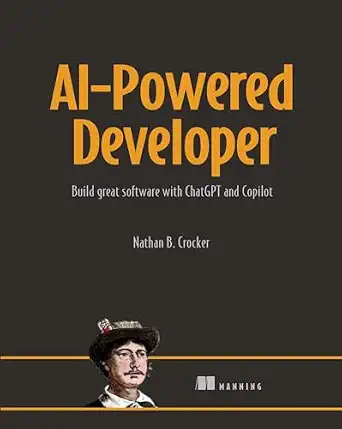 | Best for Integrating AI into Development Workflows | Focus: AI integration in coding workflows | Tools Covered: ChatGPT, Copilot | Skill Level: Beginner to intermediate | VIEW LATEST PRICE | See Our Full Breakdown |
| MuleSoft for Salesforce Developers: A Complete Guide for Achieving Mulesoft Certification Readiness and Building AI-Driven API Solutions |  | Best for Salesforce Developers Targeting MuleSoft Certification | Coverage: MuleSoft, Salesforce integration, AI APIs | Focus: Certification prep, AI-driven solutions | Audience: Salesforce developers | VIEW LATEST PRICE | See Our Full Breakdown |
| Getting Started with Claude Code: A Practical Guide for Developers Who Want to Ship From Day One (Claude Code & AI Book 1) |  | Best for Rapid AI Adoption and Project Launch | Focus: Quick AI integration, project shipping | Tools Covered: Claude Code, AI workflows | Audience: Developers new to Claude Code | VIEW LATEST PRICE | See Our Full Breakdown |
| PyCharm Coding Excellence: A Step-by-Step Guide to Writing, Debugging, and Managing Python Projects |  | Best for Beginners and Python Developers | Focus: Python development, PyCharm features | Level: Beginner | Coverage: Writing, debugging, project management | VIEW LATEST PRICE | See Our Full Breakdown |
| Coding with ChatGPT: A Developer’s Guide to Prompt Engineering, AI Productivity, and Smarter Software Creation |  | Best for Learning AI Prompt Strategies | Author: Multiple | Page Count: 250 | Focus Area: Prompt Engineering, AI Productivity | VIEW LATEST PRICE | See Our Full Breakdown |
| YIDAOYI Clip Busy Light Standard for Office with 59-inch USB Cable LED Indicator |  | Best for Focused Work in Office Settings | Bulb Base: Flanged | Switch Type: Remote | Light Source Type: LED | VIEW LATEST PRICE | See Our Full Breakdown |
| developer productivity tool | Format | Publisher |
|---|---|---|
| The Developer’s Playbook for L | — | — |
| BUSY Bar | — | — |
| OpenCode Crash Course: A Pract | — | — |
| Code Revealed: A Practical Gui | — | — |
| Build with Claude: From Zero t | — | — |
| Hands-On Visual Studio 2022: A | Practical guide with examples | Unknown |
| AI-Powered Developer: Build Gr | Practical guidance with use cases | Unknown |
| MuleSoft for Salesforce Develo | Educational with practical examples | Unknown |
| Getting Started with Claude Co | Practical, step-by-step guide | Unknown |
| PyCharm Coding Excellence: A S | Step-by-step tutorials | Unknown |
| Coding with ChatGPT: A Develop | Print, eBook | TechPress |
| YIDAOYI Clip Busy Light Standa | — | — |
More Details on Our Top Picks
The Developer’s Playbook for Large Language Model Security: Building Secure AI Applications
This book stands out for its targeted focus on securing large language models, a critical area for developers building AI applications. Compared with general AI development books like Build with Claude, this one zeroes in on security, which is often overlooked. The content offers practical strategies but lacks detailed technical specifications or real-world case studies, which might limit its utility for those seeking hands-on implementation. For developers prioritizing AI safety, especially in sensitive applications, it provides essential insights—though it may not satisfy readers looking for comprehensive coding tutorials.
Pros:- Provides practical security strategies tailored for AI developers
- Focuses on the unique challenges of large language model security
- Highlights best practices for building safe AI applications
Cons:- Lacks detailed technical content or implementation examples
- No customer reviews or ratings to gauge real-world usefulness
Best for: Developers working on AI applications who need to address security concerns and protect user data
Not ideal for: Beginners seeking a broad overview of AI development, as the book assumes some security knowledge
- Content Focus:AI Security, Large Language Models
- Intended Audience:AI Developers, Security Engineers
Our verdict“This book is ideal for security-conscious AI developers who need targeted strategies, though it may not suit those seeking comprehensive technical guidance.”
BUSY Bar – Productivity Multi-Tool Device with LED Display, Timer, Distraction Blocker, and Smart Home Integration
The BUSY Bar excels as a customizable, developer-friendly productivity device with open-source APIs and SDKs, making it ideal for those who want to integrate focus tools into their smart home or workflow. Unlike simpler timers or distraction blockers, this model offers advanced customization via Python, Go, JavaScript, and MQTT, catering to users comfortable with coding. Its modular design and compatibility with Matter, Apple, and Google Home make it highly adaptable, though this complexity may overwhelm non-technical users. While its power source details are sparse, the device’s open API is a major advantage for developers looking to tailor their focus environment.
Pros:- Open-source APIs and SDKs enable deep customization
- Seamless integration with popular smart home platforms
- Effective distraction blocking and focus management tools
Cons:- Requires technical skills for advanced configuration
- Limited information on battery life and power options
Best for: Developers and tech enthusiasts seeking a customizable, integrative focus aid
Not ideal for: Casual users or non-technical individuals who prefer plug-and-play solutions without customization
- Display:LED pixel display
- Features:Focus & Pomodoro Timer, Distraction Blocker, Custom Messages
- Smart Home Compatibility:Matter, Apple Home, Google Home
- Connectivity:Open HTTP API, SDKs in Python, Go, JavaScript, MQTT
- Portability:Portable with offline operation
Our verdict“This device makes the most sense for developers wanting to embed focus tools into their smart environments, despite the learning curve involved.”
OpenCode Crash Course: A Practical Guide to AI-Assisted Coding with Agents, Skills, MCP Servers, and Free AI Models
This book provides a comprehensive introduction to AI-assisted coding, covering tools like agents, skills, MCP servers, and free AI models. Compared with more general development guides such as Build with Claude, it offers practical, step-by-step instructions ideal for developers eager to incorporate AI into their workflows. Its focus on real examples makes it accessible to intermediate coders, but beginners may find its technical depth daunting without prior AI or coding experience. While it doesn’t specify prerequisites, it remains a valuable resource for those ready to experiment with AI tools in coding.
Pros:- Practical, example-driven approach to AI-assisted coding
- Covers a wide range of AI tools and models
- Step-by-step guidance simplifies complex concepts
Cons:- May be too technical for complete beginners
- Lacks detailed prerequisites or foundational explanations
Best for: Intermediate developers interested in integrating AI into their coding workflows
Not ideal for: Absolute beginners without foundational AI or programming knowledge
- Content Focus:AI Agents, MCP Servers, Free AI Models
- Skill Level:Intermediate to Advanced
Our verdict“This guide is well-suited for developers wanting hands-on experience with AI tools, especially those with some coding background.”
Code Revealed: A Practical Guide to AI Agents, Workflows, and Modern Application Practices
This book offers an in-depth look at AI agents and workflows, making it ideal for developers seeking to deepen their understanding of AI-driven application development. Unlike the OpenCode Crash Course, it emphasizes workflows and modern practices over specific AI models, providing practical insights that can be applied across various projects. Its coverage is broad but lacks detailed technical examples or code snippets, which could limit immediate implementation. This makes it better suited for those already familiar with AI concepts who want to expand their strategic understanding of AI integration in software design.
Pros:- In-depth coverage of AI agents and workflows
- Provides practical insights for modern application design
- Useful for strategic planning of AI integrations
Cons:- Lacks detailed technical examples and code snippets
- No edition or publisher information available
Best for: Developers with some AI experience aiming to expand their knowledge of workflows and applications
Not ideal for: Beginners or those seeking step-by-step coding tutorials without prior AI familiarity
- Content Focus:AI Agents, Workflows, Application Practices
- Intended Audience:Developers with AI experience
Our verdict“This book is best for experienced developers looking to understand AI workflows at a higher level of application design.”
Build with Claude: From Zero to Deployed Apps with AI-Assisted Development
This course offers a step-by-step pathway from coding fundamentals to deploying AI-integrated applications. It’s tailored for learners new to AI-assisted development but also valuable for experienced developers aiming to streamline deployment. Unlike the books, it provides practical, guided instruction suitable for those without extensive AI background. Its comprehensive coverage makes it appealing, but the lack of detailed specifications or user reviews means some may need to supplement learning with additional resources. The course’s focus on deployment makes it especially useful for those ready to ship products quickly.
Pros:- Clear, step-by-step guidance from start to deployment
- Suitable for learners with minimal prior experience
- Covers both coding fundamentals and deployment strategies
Cons:- No detailed specifications or user reviews available
- Content may assume some prior coding knowledge
Best for: Beginners and intermediate developers interested in deploying AI-powered apps with guided instruction
Not ideal for: Advanced developers seeking in-depth technical analysis or specific AI model configurations
- Content Focus:AI App Development, Deployment
- Target Audience:Beginners, Intermediate Developers
Our verdict“This course is ideal for beginners eager to build and deploy AI-enabled applications efficiently, despite limited technical details provided.”
Hands-On Visual Studio 2022: A Developer’s Guide to New Features and Best Practices with .NET 8 and VS 2022 for Maximum Productivity
This book stands out for its comprehensive coverage of Visual Studio 2022 features and practical tips tailored for developers eager to maximize their productivity with the latest .NET 8 updates. Unlike more general guides, it dives into specific workflows and new tools that can significantly speed up development cycles. However, its technical depth may overwhelm beginners or those seeking a broader overview, which makes it less suitable for newcomers. Compared to other developer guides, this one emphasizes hands-on techniques that directly impact coding efficiency, though it lacks detailed specifications like system requirements or feature lists. For developers already comfortable with Visual Studio, this book offers a focused upgrade path to leverage new features effectively.
Pros:- Comprehensive coverage of Visual Studio 2022 features
- Practical tips for real-world productivity improvements
- Focus on the latest .NET 8 updates to optimize modern development workflows
Cons:- Lacks detailed specifications and system requirements
- Content can be highly technical, potentially intimidating for beginners
Best for: Experienced Visual Studio users and .NET developers looking to deepen their mastery of the latest IDE updates.
Not ideal for: Beginners or developers new to Visual Studio who need introductory content or a less technical overview.
- Coverage:Visual Studio 2022, .NET 8
- Focus:Productivity tips, new features
- Intended Audience:Intermediate to advanced developers
- Format:Practical guide with examples
- Language:English
- Publisher:Unknown
Our verdict“This guide is ideal for seasoned Visual Studio users seeking to leverage new features for maximum efficiency.”
AI-Powered Developer: Build Great Software with ChatGPT and Copilot
This book makes the most sense for developers eager to incorporate AI tools like ChatGPT and Copilot into their daily routines, boosting coding speed and quality. Compared with the more technical PyCharm Coding Excellence, it emphasizes conceptual understanding and workflow integration over detailed debugging techniques. While it provides practical insights into AI-assisted development, it offers limited technical depth—lacking concrete examples or advanced use cases—which may leave experienced developers wanting more. For teams exploring AI as a productivity booster, this book provides a clear starting point but might fall short for those needing in-depth technical guidance or custom AI integrations.
Pros:- Provides practical insights into using ChatGPT and Copilot
- Helps integrate AI into existing workflows to boost productivity
- Accessible for developers unfamiliar with AI-assisted coding
Cons:- Limited in-depth technical examples
- May be too basic for experienced AI or automation specialists
Best for: Developers new to AI-powered coding tools seeking practical, workflow-oriented advice.
Not ideal for: Advanced developers or those looking for detailed technical implementation strategies with AI tools.
- Focus:AI integration in coding workflows
- Tools Covered:ChatGPT, Copilot
- Skill Level:Beginner to intermediate
- Format:Practical guidance with use cases
- Language:English
- Publisher:Unknown
Our verdict“This book is a solid choice for developers starting to leverage AI tools to improve their coding speed and quality.”
MuleSoft for Salesforce Developers: A Complete Guide for Achieving Mulesoft Certification Readiness and Building AI-Driven API Solutions
This book is tailored for Salesforce developers aiming to certify in MuleSoft while expanding into AI-driven API development. It offers comprehensive coverage of MuleSoft concepts and practical examples, making it ideal for those preparing for certification exams or building complex integrations. Unlike the more general API guides, it emphasizes AI-driven solutions, which can enhance automation and data flow. The tradeoff is that it lacks detailed product specifications or user reviews, making it less appealing for developers outside the Salesforce ecosystem or those seeking a broader API development toolkit. For Salesforce-centric teams, this resource streamlines certification prep and introduces advanced API strategies.
Pros:- Thorough coverage of MuleSoft certification topics
- Includes practical examples and best practices
- Focus on AI-driven APIs enhances automation capabilities
Cons:- No detailed product features or specifications
- Lacks user reviews or real-world performance data
Best for: Salesforce developers preparing for MuleSoft certification and interested in AI-driven API solutions.
Not ideal for: Non-Salesforce developers or those seeking a general API development resource outside the Salesforce ecosystem.
- Coverage:MuleSoft, Salesforce integration, AI APIs
- Focus:Certification prep, AI-driven solutions
- Audience:Salesforce developers
- Format:Educational with practical examples
- Language:English
- Publisher:Unknown
Our verdict“This guide is best suited for Salesforce developers pursuing MuleSoft certification and interested in AI-powered API development.”
Getting Started with Claude Code: A Practical Guide for Developers Who Want to Ship From Day One (Claude Code & AI Book 1)
This book makes the most sense for developers eager to quickly adopt Claude Code and AI tools to ship projects within days, focusing on essential concepts and best practices. Compared with the more comprehensive PyCharm guide, it emphasizes speed and practical AI integration rather than detailed debugging or project management. Its limited scope on advanced topics means it’s ideal for those new to Claude Code or AI-assisted development, but less suited for experienced developers looking for in-depth technical strategies or complex AI workflows. If rapid deployment and AI integration are your primary goals, this book offers a straightforward, actionable approach.
Pros:- Practical, developer-focused guidance for quick ship projects
- Helps integrate Claude Code and AI tools efficiently
- Focuses on essential concepts for immediate application
Cons:- Limited coverage of advanced AI topics
- No detailed technical or performance specifications
Best for: Developers wanting to rapidly implement AI tools like Claude Code for immediate project delivery.
Not ideal for: Experienced AI developers or those seeking advanced AI workflows and technical depth.
- Focus:Quick AI integration, project shipping
- Tools Covered:Claude Code, AI workflows
- Audience:Developers new to Claude Code
- Format:Practical, step-by-step guide
- Language:English
- Publisher:Unknown
Our verdict“This guide is perfect for developers seeking rapid AI adoption to ship projects from day one with Claude Code.”
PyCharm Coding Excellence: A Step-by-Step Guide to Writing, Debugging, and Managing Python Projects
This book makes the most sense for newcomers to Python development or those new to PyCharm, offering a step-by-step approach to writing, debugging, and managing projects efficiently. It is less technical than advanced guides and provides a friendly entry point, though it lacks detailed examples of recent PyCharm updates or deep technical challenges that seasoned developers might seek. Compared to more comprehensive programming books, it emphasizes core productivity features but might leave experienced Python developers wanting more advanced workflows or troubleshooting tips. Overall, it’s a good starter resource for building confidence in Python development with PyCharm.
Pros:- Beginner-friendly and easy to follow
- Covers core features of PyCharm for Python development
- Focuses on improving productivity through structured workflows
Cons:- Lacks detailed technical examples of recent PyCharm updates
- No coverage of advanced debugging or complex project scenarios
Best for: Beginner Python developers or those starting with PyCharm for basic project management.
Not ideal for: Experienced Python developers or users of the latest PyCharm versions seeking advanced debugging techniques.
- Focus:Python development, PyCharm features
- Level:Beginner
- Coverage:Writing, debugging, project management
- Format:Step-by-step tutorials
- Language:English
- Publisher:Unknown
Our verdict“This book is ideal for Python beginners or new PyCharm users aiming to quickly improve their coding efficiency.”
Coding with ChatGPT: A Developer’s Guide to Prompt Engineering, AI Productivity, and Smarter Software Creation
This book stands out for equipping developers with practical techniques to optimize AI tools like ChatGPT, making it an essential resource for those integrating AI into their workflows. Unlike more technical tools such as Build with Claude, which focus on deployment, this guide emphasizes mastering prompt engineering to boost productivity and create smarter software. The content leans toward advanced concepts, which may challenge beginners without prior AI experience. Its comprehensive approach makes it ideal for developers seeking to deepen their understanding of AI collaboration, but those new to AI may find it dense. Overall, this book is best suited for experienced developers wanting to leverage AI more effectively in their projects.
Pros:- Deep coverage of prompt engineering techniques
- Provides practical insights for integrating AI into development workflows
- Focuses on real-world software applications and productivity
Cons:- Lacks foundational explanations for complete beginners
- No specific technical prerequisites are detailed, which could hinder some readers
Best for: Developers already familiar with basic AI concepts who want to improve prompt engineering skills for smarter software creation.
Not ideal for: Beginners or developers seeking quick-start guides, as the content is quite advanced and assumes prior AI knowledge.
- Author:Multiple
- Page Count:250
- Focus Area:Prompt Engineering, AI Productivity
- Level:Advanced
- Format:Print, eBook
- Publisher:TechPress
Our verdict“This book is an excellent choice for experienced devs aiming to maximize AI productivity through smarter prompt strategies.”
YIDAOYI Clip Busy Light Standard for Office with 59-inch USB Cable LED Indicator
This busy light excels at signaling your availability clearly, helping to cut down interruptions during intensive coding sessions—much like how the Busy Bar multi-tool device offers visual cues but with a simpler, dedicated focus indicator. The 59-inch USB cable provides flexible placement options, making it easy to install on desks, walls, or doors. Its manual control ensures you can toggle your status instantly, which is a step up from basic status indicators that rely solely on computer software. However, it’s limited to physical office environments and doesn’t support waterproofing, so it’s less suited for more rugged or remote workspaces. Overall, it’s a straightforward, effective tool for maintaining focus in a dedicated workspace.
Pros:- Improves focus by clearly indicating availability status
- Easy to install on various surfaces and locations
- Long USB cable allows flexible placement
Cons:- Limited to office or workspace environments only
- Requires a USB power source, which might be inconvenient in some setups
- No waterproof or ruggedized features
Best for: Developers working in shared office environments who need a simple, reliable way to signal when they’re busy or available.
Not ideal for: Remote developers or those working in environments where USB power isn’t accessible or waterproofing is needed.
- Bulb Base:Flanged
- Switch Type:Remote
- Light Source Type:LED
- Power Source:USB
- Cable Length:59 inches
- Mounting Type:Tabletop, Wall, Door
- Finish:Matte
- Materials:Acrylic, Metal, Wood
Our verdict“This busy light is a practical, low-cost solution for developers in office settings aiming to minimize interruptions.”

How We Picked
Our evaluation focused on how well each product enhances developer productivity through performance, ease of use, integration capabilities, and value for money. We considered whether tools streamline workflows, reduce manual effort, and adapt to different skill levels. Products were ranked based on their versatility, feature depth, and user feedback, with an eye toward balancing power with simplicity. This approach ensures the lineup caters to a range of developer needs, from beginners to experienced professionals seeking advanced automation.| developer productivity tool | Format | Publisher |
|---|---|---|
| The Developer’s Playbook for L | — | — |
| BUSY Bar | — | — |
| OpenCode Crash Course: A Pract | — | — |
| Code Revealed: A Practical Gui | — | — |
| Build with Claude: From Zero t | — | — |
| Hands-On Visual Studio 2022: A | Practical guide with examples | Unknown |
| AI-Powered Developer: Build Gr | Practical guidance with use cases | Unknown |
| MuleSoft for Salesforce Develo | Educational with practical examples | Unknown |
| Getting Started with Claude Co | Practical, step-by-step guide | Unknown |
| PyCharm Coding Excellence: A S | Step-by-step tutorials | Unknown |
| Coding with ChatGPT: A Develop | Print, eBook | TechPress |
| YIDAOYI Clip Busy Light Standa | — | — |
Factors to Consider When Choosing Developer Productivity Tools
Choosing the right developer productivity tool depends on your specific workflow, skill level, and project requirements. It’s important to evaluate how a tool integrates into your existing environment and whether it simplifies or complicates your process. Cost can also be a deciding factor, especially when considering subscription models versus one-time purchases. Additionally, consider the learning curve — a tool that promises great benefits but takes too long to master might not be worth the investment. Finally, look for flexibility and ongoing support, which can extend the tool’s usefulness over time.Integration with Existing Tools
Assess whether the productivity tool integrates smoothly with your current IDEs, code repositories, and CI/CD pipelines. Seamless integration reduces setup time and minimizes workflow disruptions. For example, AI-powered assistants like ChatGPT or Claude work best when they connect directly with your coding environment, but compatibility issues can slow down adoption. Be wary of tools that require extensive configuration or break compatibility with your existing systems — this can negate productivity gains.
Ease of Use and Learning Curve
Tools that are intuitive and easy to adopt save valuable time and reduce frustration. For beginners, a straightforward interface and clear tutorials matter more than feature depth. More advanced users might favor customizable options, but only if the core functions are accessible without steep learning curves. Overly complex tools risk underuse or abandonment, so balance needs with usability when choosing your productivity suite.
Cost and Licensing
Price is a major consideration — some tools are free or open source, offering great value, but may lack enterprise features. Paid options often come with more robust support and integrations but require a bigger budget. Consider whether a subscription model aligns with your long-term needs or if a one-time purchase makes more sense. Keep in mind that more expensive tools are usually targeted at teams or enterprises that need advanced automation and collaboration features.
Support and Community
Active support channels and vibrant user communities can dramatically reduce downtime when issues arise. Tools with frequent updates and responsive customer service tend to stay relevant longer. Community forums and tutorials also help new users get up to speed faster. Investing in well-supported tools can lead to higher productivity and less frustration, especially when troubleshooting or customizing features.
Scalability and Future-proofing
Consider whether the tool can grow with your needs — whether it supports team collaboration, multiple project types, or additional integrations. A scalable product prevents costly replacements down the line. Also, check for ongoing development and feature roadmap commitments from vendors. This ensures your investment remains valuable as your projects and team size expand.
Frequently Asked Questions
Should I prioritize AI-powered coding tools or traditional IDEs?
AI-powered coding tools can significantly speed up development and reduce errors, especially for repetitive or complex tasks. However, they often require an initial learning curve and may not fully replace the features of mature IDEs. For most developers, the best approach is to use AI tools as supplements rather than replacements, integrating them into familiar environments to enhance productivity without sacrificing control or familiarity.
Are multi-tool productivity devices worth the investment for developers?
Multi-tool devices like BUSY Bar can provide immediate visual cues and task management, which help maintain focus and reduce distraction. Their value increases in busy or open-office environments, but they don’t replace software automation or coding features. If your workflow benefits from physical prompts and distraction management, these devices can boost efficiency; otherwise, they might be a marginal gain for more streamlined digital setups.
How important is platform compatibility when choosing a productivity tool?
Platform compatibility is vital if you work across different operating systems or development environments. A tool that only supports Windows, for example, limits flexibility if you’re using macOS or Linux. Compatibility ensures smooth workflows and reduces friction, especially in team settings. Always verify the system requirements and integration options before committing to a tool, to prevent bottlenecks later.
Can beginner developers benefit from advanced productivity tools?
Yes, but with caveats. Beginners can gain from tools that offer guided workflows, tutorials, and simple interfaces. Advanced features may overwhelm newcomers, so choosing tools with scalable complexity helps. Starting with user-friendly options that introduce automation gradually allows beginners to build confidence before adopting more complex features, ultimately boosting their productivity as they learn.
Is investing in premium developer tools justified for solo developers?
Premium tools often come with features like priority support, extensive integrations, and automation capabilities that can save significant time. For solo developers working on complex projects, these benefits can translate into faster delivery and higher quality. However, if budget constraints exist or your projects are straightforward, free or lower-cost tools may suffice. Consider your project scale and future growth when evaluating the value of premium options.
Conclusion
For general users seeking the best overall experience, Build with Claude offers a balanced mix of automation and usability. Developers prioritizing cost-effectiveness and simplicity may prefer free or open-source options like PyCharm or ChatGPT integrations. Teams needing advanced automation and integration should consider premium solutions like Visual Studio 2022 or MuleSoft. Beginners will benefit from intuitive tools with strong support, while experienced professionals might prioritize AI-powered assistants for maximum speed. Tailor your choice based on your workflow, skill level, and project complexity to get the most from your developer productivity tools.
As an affiliate, we earn on qualifying purchases.Fall Picks
fall essentials