
📊 Full opportunity report: Next-Gen Military Warfare Visuals Driven By AI on ThorstenMeyerAI.com — validation score, market gap, and execution plan.
TL;DR
AI technology is now enabling highly realistic, real-time visualizations of military scenarios. These tools enhance training and strategic planning but raise questions about their broader implications.
Artificial intelligence is now powering advanced visualizations of military scenarios, offering real-time, immersive battlefield simulations. These developments are being showcased through innovative web-based platforms that generate cinematic, data-driven visuals, with potential applications in training, strategic planning, and public engagement. The technology’s emergence signifies a major shift in how military operations and simulations could evolve in the near future.
Recent demonstrations reveal that AI-driven visualization tools can transform raw data streams into dynamic, cinematic battlefield scenes. These platforms utilize browser-based technologies like Canvas 2D graphics, WebAudio, and real-time data processing to create immersive visualizations without the need for extensive backend infrastructure. For example, a project visualizes market trades as a war zone, but similar principles are now being adapted for military scenarios, where live data feeds generate real-time combat simulations.
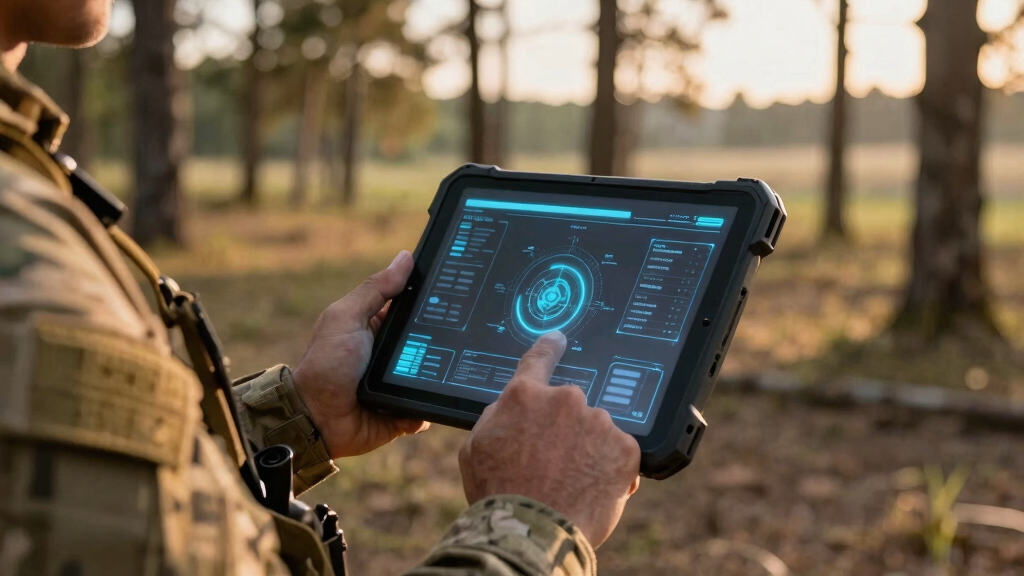
Experts involved in these projects emphasize that the primary purpose is artistic and educational, not operational. They highlight that such visualizations provide an engaging way to understand complex data and strategic movements, potentially improving training outcomes. The systems connect directly to live data streams, such as sensor inputs or simulated battlefield information, and translate these into cinematic visuals, including troop movements, missile strikes, and terrain changes.
While these tools are currently experimental and primarily intended for visualization and engagement, their capabilities demonstrate the potential for more sophisticated military training environments. They can simulate chaos and unpredictability in a controlled, visual format, offering new avenues for scenario planning and decision-making. Importantly, these systems do not involve real weaponry or operational commands, focusing solely on visual representation and data storytelling.
Potential Impact on Military Training and Strategy
The adoption of AI-powered battlefield visualizations could significantly enhance military training by providing more realistic and engaging simulations. These tools can help personnel better understand complex scenarios, improve decision-making under pressure, and visualize outcomes of strategic choices. Additionally, they may serve as public engagement tools, demonstrating military capabilities or educating civilians about defense operations. However, the technology also raises questions about the ethical and operational implications of increasingly realistic simulations, especially if adapted for operational planning or propaganda.
military simulation VR headset
As an affiliate, we earn on qualifying purchases.
As an affiliate, we earn on qualifying purchases.
Advances in Web Technologies Enable Real-Time Visualizations
Recent years have seen rapid progress in web-based visualization technologies, allowing complex data to be rendered in real-time within browsers. Projects like Bitcoin War demonstrate how minimal footprint, client-side graphics, and live data streams can create immersive experiences without heavy infrastructure. These innovations are now being explored for military applications, where real-time battlefield data can be transformed into cinematic scenarios for training, analysis, or public display.
Historically, military simulations relied on dedicated hardware and specialized software. The current trend toward browser-based, AI-driven visuals marks a shift toward more accessible, flexible, and visually compelling tools. While most current applications are experimental or artistic, the potential for operational deployment is increasingly discussed within defense circles, especially as AI and data streaming technologies mature.
“These AI-powered visualizations are not just artistic; they are a step toward more immersive and data-rich training environments.”
— an anonymous researcher
battlefield visualization software
As an affiliate, we earn on qualifying purchases.
As an affiliate, we earn on qualifying purchases.
Operational Readiness and Ethical Concerns Remain Unclear
It is not yet clear how close these visualization tools are to being integrated into actual military training or operations. Their current state remains experimental, primarily visual and artistic, with no confirmed deployment for real-world combat scenarios. Ethical considerations around realism, propaganda, and decision-making under AI influence are also still under discussion, and the potential misuse or overreliance on such visuals remains an open question.
AI-powered military training tools
As an affiliate, we earn on qualifying purchases.
As an affiliate, we earn on qualifying purchases.
Further Development, Testing, and Ethical Review Expected
Future steps include expanding the realism and interactivity of these visualizations, integrating more diverse data sources, and conducting rigorous testing within military training environments. Defense agencies and technology developers are likely to explore collaborations, while ethical and operational guidelines will need to be established to govern their use. Public demonstrations and academic research will continue to shape the trajectory of this technology.
real-time battlefield data display
As an affiliate, we earn on qualifying purchases.
As an affiliate, we earn on qualifying purchases.
Key Questions
Are these AI visualizations used in actual military operations?
Currently, these tools are primarily experimental and intended for visualization, training, and engagement purposes. There is no confirmed use in active combat or operational planning at this stage.
What technologies power these battlefield visualizations?
They rely on browser-based technologies such as Canvas 2D graphics, WebAudio, real-time data streaming via WebSocket, and AI algorithms for data processing and visualization.
Could these visualizations be used for propaganda or misinformation?
While primarily designed for artistic and educational purposes, the realistic nature of AI-generated visuals raises concerns about potential misuse in propaganda or misinformation. Ethical guidelines are still being developed.
When might these tools become part of official military training?
There is no confirmed timeline; further testing, development, and validation are needed before widespread adoption in military contexts.
Source: ThorstenMeyerAI.com