
📊 Full opportunity report: Memory Stopped Being A Commodity on ThorstenMeyerAI.com — validation score, market gap, and execution plan.
TL;DR
Micron has signed long-term, take-or-pay contracts locking in about 20% of its memory output through 2030, with $22 billion in customer deposits. This marks a shift from memory as a commodity to a pre-funded, strategic resource for large buyers.
Micron has revealed that it has secured 16 long-term contracts with major customers, locking in approximately $100 billion in revenue and requiring $22 billion in customer deposits. This marks a decisive departure from the traditional spot-market model, indicating that memory is no longer primarily a commodity bought on demand but a pre-funded, strategic input for large technology buyers.
Micron’s Strategic Customer Agreements run mostly from 2026 to 2030, with some automotive deals extending three years. These take-or-pay contracts obligate customers to buy specified volumes annually or pay regardless, effectively locking in demand and pricing. The contracts cover about 20% of Micron’s DRAM and a third of NAND output during this period.
The pricing structure includes a price band with a ceiling near current market prices and a floor ensuring Micron maintains a gross margin above previous cycle peaks, even if prices collapse. Additionally, customers have paid $22 billion in deposits and commitments upfront, which Micron holds on its balance sheet, effectively pre-funding capacity expansion. This shift means buyers are now financing memory capacity before production, a reversal of the traditional industry risk dynamic. Micron’s recent quarter was its strongest ever, with revenues of $41.5 billion, gross margins of 84.9%, and free cash flow of $18.3 billion, signaling robust demand and pricing power.
Memory stopped being a commodity
Micron just locked up a fifth of its DRAM and a third of its NAND through 2030 with binding take-or-pay contracts — and collected $22 billion in deposits from the customers, up front. The boom-bust cycle that always brought cheap RAM back is being contracted away.
A dream deal for Micron — near-peak prices, margin floors above any past peak, customer-funded fabs. Insurance for the buyers who signed — real protection against a real shortage, bought dear. And for everyone else, a forecast: don’t expect cheap memory back soon. The structure is also a large, leveraged bet on AI demand holding to 2030 — and floors get tested in a genuine downturn. The contracts run to 2030; the test arrives sooner.
Implications of Memory Transition from Commodity to Strategic Asset
This development indicates a fundamental shift in the memory industry, with large buyers pre-funding capacity and locking in demand at near-peak prices. It suggests that memory is moving away from being a volatile, spot-market commodity to a strategic resource, akin to electricity or fuel. For Micron, this means more predictable revenue streams and reduced exposure to cyclical downturns. For the broader industry, it could lead to less price volatility and a more stable supply chain, but also concentrates market power among a few large buyers and manufacturers, raising questions about competition and pricing dynamics.

Crucial Pro 32GB DDR4 RAM Kit (2x16GB), High-Performance 3200MHz (or 3000MHz or 2666MHz) Desktop Memory UDIMM 288-Pin, Compatible with Intel and AMD Ryzen – CP2K16G4DFRA32A
- High-capacity Memory: 32GB DDR4 RAM kit (2x16GB)
- Multiple Speed Options: Operates at 3200MHz, 3000MHz, or 2666MHz
- Enhanced System Performance: Boosts multitasking and responsiveness
As an affiliate, we earn on qualifying purchases.
As an affiliate, we earn on qualifying purchases.
Historical Industry Cycles and the Shift Toward Pre-Funding
For decades, the memory industry experienced predictable boom-bust cycles driven by supply gluts and shortages, with prices falling sharply after shortages prompted new capacity investments. Micron and other memory makers relied on these cycles, with prices often crashing after peaks. Historically, manufacturers bore the risk of capacity investments, while buyers waited for prices to fall. Recent developments, including Micron’s contracts, suggest a shift toward pre-funding capacity through customer deposits, effectively decoupling demand from immediate market prices. This change aligns with broader industry trends toward strategic supply agreements, especially amid rising AI and data center demands, which have driven record profits and pricing power for memory producers.
“These agreements provide us with predictable demand and reinforce our pricing power, even in volatile markets.”
— Micron CEO Sanjay Mehrotra
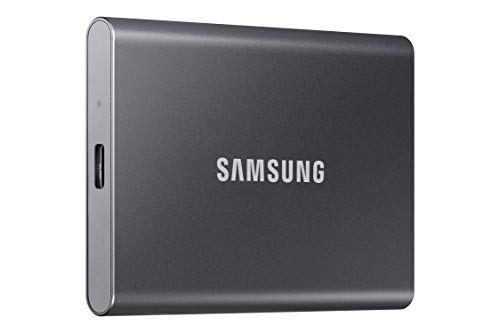
Samsung T7 Portable SSD 1TB Titan Gray, USB 3.2 Gen 2, Up to 1,050MB/s
- Designed for Creators: Fast speeds and durable for creators
- Fast Data Transfer: Up to 1,050MB/s read/write speeds
- High Capacity Storage: Up to 4TB storage capacity
As an affiliate, we earn on qualifying purchases.
As an affiliate, we earn on qualifying purchases.
Unclear Long-Term Market Impact and Potential Risks
While the contracts are significant, it remains uncertain how widespread this model will become across the industry, as Micron currently covers only about 20% of its DRAM and a third of NAND. It is also unclear whether other memory producers will follow suit or if this approach will lead to reduced market flexibility. Additionally, the long-term effects on pricing, competition, and innovation are still developing, and the industry’s response to potential demand fluctuations remains uncertain.

A-Tech 128GB Kit (4x32GB) DDR5 5600MHz PC5-44800 ECC UDIMM 2Rx8 (EC4 9×4) Dual Rank 1.1V ECC Unbuffered DIMM 288-Pin Server, Workstation RAM Memory Upgrade Modules
- Compatibility: For select DDR5 servers and workstations only
- Total Capacity: 128GB kit with 4 x 32GB modules
- Module Type: DDR5 ECC unbuffered UDIMM
As an affiliate, we earn on qualifying purchases.
As an affiliate, we earn on qualifying purchases.
Next Steps in Industry Adoption and Market Response
Micron aims to expand the proportion of its output under long-term contracts, potentially covering over half of its revenue. Industry observers will monitor whether other memory manufacturers adopt similar pre-funding models. Market responses, including price stability, supply chain impacts, and competitive dynamics, will become clearer as these contracts mature and as demand from AI and data centers evolves. Regulatory scrutiny and industry consolidation could also influence future developments.
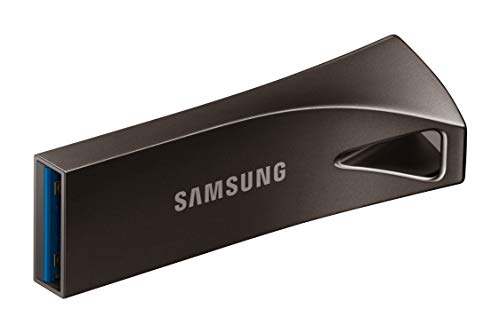
SAMSUNG BAR Plus 3.1 USB Flash Drive, 128GB, 400MB/s, Rugged Metal Casing, Storage Expansion for Photos, Videos, Music, Files, MUF-128BE4/AM, Titan Grey
- Fast Data Transfer: Up to 300 MB/s read speeds
- Durable Metal Casing: Sturdy, stylish, and protective
- Reliable and Secure: Waterproof, shock-proof, and X-ray-proof
As an affiliate, we earn on qualifying purchases.
As an affiliate, we earn on qualifying purchases.
Key Questions
How does Micron’s new contract model differ from traditional memory sales?
Unlike traditional spot-market sales, Micron’s contracts involve pre-paid, long-term agreements with fixed demand and pricing bands, effectively pre-funding capacity and reducing market volatility.
What does this mean for memory prices and supply stability?
This shift could lead to more stable prices and supply, as large buyers secure capacity in advance, but may also reduce market flexibility and competition.
Will other memory companies adopt similar strategies?
It remains uncertain, but industry analysts suggest that Micron’s move could influence competitors to pursue comparable long-term, pre-funded agreements.
What risks are associated with this new model?
The main risks include overcommitment if demand falls short, reduced market liquidity, and potential regulatory scrutiny over market power concentration.
How does this impact consumers and device makers?
In the short term, it may stabilize supply and prices, but in the long term, it could limit supply flexibility and influence pricing dynamics for end products.
Source: ThorstenMeyerAI.com