

Choosing the right software development collaboration tools can significantly boost team productivity, streamline workflows, and improve communication across projects. The best overall pick in this category is Jira Software, thanks to its robust project management features and seamless integrations. For teams focused on version control, GitHub offers powerful collaboration capabilities, while Confluence excels in documentation and knowledge sharing. However, tradeoffs often involve balancing ease of use against depth of features, or cost versus functionality. Keep reading for a detailed breakdown of the top options and how they compare based on your specific needs.
Key Takeaways
- The top picks balance feature depth with usability, catering to different team sizes and skill levels.
- Version control tools like GitHub dominate for code collaboration, but may need integrations for full project management.
- Project management tools such as Jira offer extensive workflows but can be complex for new users.
- Documentation platforms like Confluence enhance team knowledge sharing but add additional costs.
- Choosing the right tool depends heavily on team size, project complexity, and existing workflows.
| Learning Git: A Hands-On and Visual Guide to the Basics of Git |  | Best for Beginners | Target Audience: Beginners new to Git | Content Focus: Fundamentals and basic workflows | Format: Printed book with visual aids | VIEW LATEST PRICE | See Our Full Breakdown |
| Technical Writing for Software Developers: Enhance Communication, Improve Collaboration, and Leverage AI Tools for Software Development |  | Best for Improving Communication Skills | Target Audience: Software developers and teams | Focus Areas: Communication, collaboration, AI tools | Format: Printed book | VIEW LATEST PRICE | See Our Full Breakdown |
| Technical Writing for Software Engineers: Boost Communication, Foster Collaboration, and Utilize AI Tools in Software Development |  | Best for Engineers Focused on Practical Documentation | Target Audience: Software engineers and technical team members | Content Focus: Technical communication, collaboration, AI tools | Format: Printed book | VIEW LATEST PRICE | See Our Full Breakdown |
| Collaboration Explained: Facilitation Skills for Software Project Leaders | 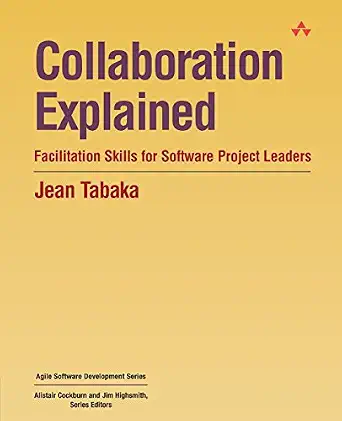 | Best for Software Project Leaders | Target Audience: Software project managers and team leaders | Focus Areas: Facilitation, communication, Agile leadership | Format: Printed book | VIEW LATEST PRICE | See Our Full Breakdown |
| Mastering JIRA for Agile Projects: A Practical Guide with Real-World Examples (Confluence Included) |  | Best for Agile Teams Using JIRA and Confluence | Target Audience: Agile project teams and managers | Focus Areas: JIRA workflows, Confluence integration, agile management | Format: Printed book | VIEW LATEST PRICE | See Our Full Breakdown |
| Ultimate Agile Administration with Jira: Solutions for Agile Project Administration Using Dashboards, Automation Rules, and Plugin Integration |  | Best for Agile Project Administrators and Jira Power Users | Focus Area: Jira project administration, dashboards, automation, plugin integration | Audience: Tools specialists, experienced project managers | Content Depth: Advanced, technical guidance | VIEW LATEST PRICE | See Our Full Breakdown |
| Version Control with Git: Powerful Tools and Techniques for Collaborative Software Development |  | Best for Development Teams Needing Robust Version Control Strategies | Focus Area: Git tools, branching strategies, conflict resolution | Audience: Intermediate to advanced developers, collaborative teams | Content Depth: Technical, detailed | VIEW LATEST PRICE | See Our Full Breakdown |
| software development collaboration tool | Format | Target Audience | Skill Level | Supplementary Resources |
|---|---|---|---|---|
| Learning Git: A Hands-On and V | Printed book with visual aids | Beginners new to Git | Beginner | None |
| Technical Writing for Software | Printed book | Software developers and teams | Intermediate | None |
| Technical Writing for Software | Printed book | Software engineers and technical team members | Intermediate to advanced | None |
| Collaboration Explained: Facil | Printed book | Software project managers and team leaders | Intermediate to advanced | None |
| Mastering JIRA for Agile Proje | Printed book | Agile project teams and managers | Intermediate | None |
| Ultimate Agile Administration | Comprehensive manual with detailed examples | — | — | — |
| Version Control with Git: Powe | — | — | — | — |
More Details on Our Top Picks
Learning Git: A Hands-On and Visual Guide to the Basics of Git
This book stands out for its clear and visual explanations of Git fundamentals, making it an excellent entry point for newcomers. Compared to more comprehensive resources like ‘Version Control with Git,’ it sacrifices depth for accessibility, which is ideal for those just starting out but less suited for experienced developers seeking advanced workflows. Its hands-on approach with practical examples helps solidify core concepts, yet it doesn’t cover more complex topics or offer online resources for extended learning. The lack of advanced content means users will need to seek supplementary materials later.
Pros:- Clear, visual explanations of Git concepts
- Hands-on approach with practical examples
- Excellent for absolute beginners
Cons:- Lacks coverage of advanced Git topics
- No online resources or supplementary materials
- Limited scope for ongoing learning
Best for: Beginners or teams new to version control who want a straightforward, visual introduction to Git
Not ideal for: Developers already familiar with Git or seeking detailed workflows and advanced version control strategies
- Target Audience:Beginners new to Git
- Content Focus:Fundamentals and basic workflows
- Format:Printed book with visual aids
- Skill Level:Beginner
- Supplementary Resources:None
- Edition:Standard
Our verdict“This book is perfect for beginners seeking an accessible, visual introduction to Git fundamentals.”
Technical Writing for Software Developers: Enhance Communication, Improve Collaboration, and Leverage AI Tools for Software Development
This book makes the list for its focus on enhancing technical communication and collaboration strategies for software developers. Unlike ‘Technical Writing for Software Engineers,’ which specifically targets engineers with practical techniques, this book emphasizes improving team interactions and leveraging AI tools. It’s particularly useful for teams looking to bridge the communication gap and incorporate AI into their workflows, though it falls short on providing detailed examples or technical specifications. The lack of clear skill prerequisites means some readers may need to supplement with more technical guides.
Pros:- Focuses on improving technical communication
- Includes strategies for effective collaboration
- Covers AI tool integration insights
Cons:- Lacks detailed practical exercises
- No clear target skill level or prerequisites
- Limited technical depth and examples
Best for: Software teams or individual developers aiming to boost communication and collaboration, especially with AI integration
Not ideal for: Developers seeking hands-on technical writing exercises or specific AI tool tutorials
- Target Audience:Software developers and teams
- Focus Areas:Communication, collaboration, AI tools
- Format:Printed book
- Skill Level:Intermediate
- Supplementary Resources:None
- Edition:Standard
Our verdict“This book is ideal for developers wanting to strengthen their communication and team collaboration skills, especially with AI tools.”
Technical Writing for Software Engineers: Boost Communication, Foster Collaboration, and Utilize AI Tools in Software Development
This book earns its spot by offering practical techniques for engineers to improve documentation and teamwork, with an emphasis on applying AI tools. Compared with ‘Technical Writing for Software Developers,’ it targets engineers specifically, providing more tailored guidance for technical communication within development teams. However, the lack of detailed technical specifications or step-by-step examples might limit its usefulness for those seeking concrete, hands-on advice. Its focus on collaboration and AI makes it a strong choice for teams integrating new tools into their workflow, but it may not satisfy those looking for in-depth technical content.
Pros:- Focuses on practical documentation techniques
- Emphasizes collaboration and teamwork
- Includes guidance on AI tools in development
Cons:- No detailed technical specifications or step-by-step guides
- Limited scope beyond communication and AI integration
- Lacks comprehensive technical examples
Best for: Software engineers and technical leads aiming to improve documentation and team collaboration with AI tools
Not ideal for: Beginners or managers seeking high-level project facilitation strategies without technical writing focus
- Target Audience:Software engineers and technical team members
- Content Focus:Technical communication, collaboration, AI tools
- Format:Printed book
- Skill Level:Intermediate to advanced
- Supplementary Resources:None
- Edition:Standard
Our verdict“This book suits engineers seeking actionable techniques to improve documentation and teamwork with AI support.”
Collaboration Explained: Facilitation Skills for Software Project Leaders
This book is a strong pick for project leaders who want to hone their facilitation skills in Agile environments. Unlike technical guides like ‘Mastering JIRA,’ it centers on soft skills essential for managing team dynamics and improving communication. While it offers practical facilitation techniques, it’s limited to project management contexts and doesn’t include supplementary materials or digital resources. For managers or team leads looking to boost their leadership in collaborative settings, this resource provides targeted advice, though it may fall short for those seeking technical or tool-specific guidance.
Pros:- Enhances facilitation and communication skills
- Provides practical techniques for Agile teams
- Focuses on improving team dynamics
Cons:- Limited to project management context
- No supplementary or online resources
- Less relevant for technical team members
Best for: Software project managers and team leaders in Agile settings seeking facilitation skills
Not ideal for: Developers or technical contributors who need hands-on development tools or technical training
- Target Audience:Software project managers and team leaders
- Focus Areas:Facilitation, communication, Agile leadership
- Format:Printed book
- Skill Level:Intermediate to advanced
- Supplementary Resources:None
- Edition:Standard
Our verdict“This book is ideal for project leaders aiming to improve team facilitation and communication in Agile environments.”
Mastering JIRA for Agile Projects: A Practical Guide with Real-World Examples (Confluence Included)
This guide makes the list for its practical, example-driven approach to using JIRA and Confluence, essential tools for agile teams. Compared to ‘Collaboration Explained,’ which emphasizes facilitation skills, this book provides concrete workflows and real-world scenarios that help teams streamline their project management. Including tips on Confluence integration adds value for teams already invested in Atlassian tools. However, its focus on software tools rather than broader collaboration strategies means it may not cover soft skills or leadership concepts. The lack of detailed technical specifications or advanced customization options might limit experienced users seeking deeper functionality.
Pros:- Real-world examples and practical guidance
- Includes Confluence integration tips
- Useful for streamlining agile workflows
Cons:- Limited technical specifications or customization details
- Focuses mainly on software tools, not soft skills
- Requires familiarity with Atlassian ecosystem
Best for: Agile teams or project managers actively using JIRA and Confluence looking for practical, real-world guidance
Not ideal for: Teams not committed to Atlassian tools or those seeking broader collaboration techniques beyond JIRA workflows
- Target Audience:Agile project teams and managers
- Focus Areas:JIRA workflows, Confluence integration, agile management
- Format:Printed book
- Skill Level:Intermediate
- Supplementary Resources:None
- Edition:Standard
Our verdict“This book is well-suited for agile teams seeking concrete, example-based guidance on JIRA and Confluence workflows.”
Ultimate Agile Administration with Jira: Solutions for Agile Project Administration Using Dashboards, Automation Rules, and Plugin Integration
This book stands out for its in-depth focus on customizing Jira to streamline agile workflows, making it ideal for experienced project managers and Jira specialists. Unlike general guides like ‘Mastering JIRA for Agile Projects,’ it dives into automation rules and plugin integration, which can significantly boost team productivity. However, the content’s technical depth might overwhelm beginners or those new to Jira, as it assumes prior familiarity. The guidance on dashboard customization and automation provides tangible improvements for managing complex projects, though the lack of pricing details means buyers need to evaluate whether the investment aligns with their organizational needs.
Pros:- Comprehensive coverage of Jira project administration techniques
- Focus on automation rules and plugin integration enhances productivity
- Provides detailed step-by-step guidance for experienced users
- Helps streamline complex workflows and reduce manual effort
Cons:- Content may be too technical for those new to Jira or agile management
- No pricing information, so cost evaluation is needed
Best for: Agile teams and Jira administrators seeking detailed, technical guidance on customizing and automating Jira workflows
Not ideal for: Beginners or casual users of Jira who require simple, straightforward instructions without deep customization or technical complexity
- Focus Area:Jira project administration, dashboards, automation, plugin integration
- Audience:Tools specialists, experienced project managers
- Content Depth:Advanced, technical guidance
- Supplementary Tools:Automation rules, Jira plugins
- Format:Comprehensive manual with detailed examples
- Price:Not specified
Our verdict“This book is best suited for experienced Jira users and project managers looking to deepen their mastery of agile administration through automation and plugin use.”
Version Control with Git: Powerful Tools and Techniques for Collaborative Software Development
This book provides a thorough overview of Git’s core tools and techniques, making it an excellent resource for software teams aiming to improve collaboration, especially compared with more introductory titles like ‘Learning Git.’ Its focus on practical examples helps teams implement effective version control workflows, but the technical depth might challenge beginners or those unfamiliar with command-line interfaces. While it covers advanced topics like branching strategies and conflict resolution, some complex concepts lack detailed explanations, which could leave less experienced users feeling unsupported. Nevertheless, for development teams seeking to refine their version control practices, this resource offers valuable insights that can lead to more disciplined, reliable project management.
Pros:- Deep coverage of Git tools and techniques for collaboration
- Includes practical, real-world examples for implementation
- Focuses on improving workflow efficiency and project management
- Suitable for teams looking to standardize version control practices
Cons:- May be too technical for newcomers to Git
- Some advanced topics are covered briefly without deep explanations
- Lacks beginner-friendly tutorials or step-by-step guides
Best for: Software development teams with intermediate to advanced Git knowledge aiming to enhance collaborative workflows
Not ideal for: Beginners or non-technical stakeholders seeking simplified, high-level overviews of version control concepts
- Focus Area:Git tools, branching strategies, conflict resolution
- Audience:Intermediate to advanced developers, collaborative teams
- Content Depth:Technical, detailed
- Practical Examples:Yes
- Learning Curve:Steep for beginners
- Coverage:Tools, techniques, workflow optimization
Our verdict“This book is ideal for development teams with existing Git experience who want to deepen their understanding of collaborative version control techniques.”

How We Picked
Our evaluation focused on core factors that influence collaboration effectiveness in software development. We examined each tool’s feature set, usability, integration capabilities, scalability, and cost. Products were ranked based on how well they support complex workflows, ease of onboarding for new team members, and their ability to integrate with other development tools. We also considered user reviews and industry reputation to identify which tools deliver reliable, long-term value for different types of teams. This approach ensures that the recommended options meet a wide range of development needs while highlighting the strengths and limitations of each.| software development collaboration tool | Target Audience | Format | Skill Level |
|---|---|---|---|
| Learning Git: A Hands-On and V | Beginners new to Git | Printed book with visual aids | Beginner |
| Technical Writing for Software | Software developers and teams | Printed book | Intermediate |
| Technical Writing for Software | Software engineers and technical team members | Printed book | Intermediate to advanced |
| Collaboration Explained: Facil | Software project managers and team leaders | Printed book | Intermediate to advanced |
| Mastering JIRA for Agile Proje | Agile project teams and managers | Printed book | Intermediate |
| Ultimate Agile Administration | — | Comprehensive manual with detailed examples | — |
| Version Control with Git: Powe | — | — | — |
Factors to Consider When Choosing Software Development Collaboration Tools
When selecting software development collaboration tools, it’s essential to consider your team’s size, project scope, and existing workflows. The right tool can streamline communication, improve version control, and organize documentation, but choosing poorly can lead to wasted time and increased complexity. Here are key factors that should influence your decision, along with common pitfalls to avoid.Integration Capabilities
Effective collaboration tools should seamlessly integrate with your existing development environment, including IDEs, CI/CD pipelines, and other project management software. Consider whether the tool supports popular integrations out of the box or if additional setup is required. A lack of integration can lead to fragmented workflows and duplicated effort, so prioritize options that fit smoothly into your current tech stack.
Ease of Use and Learning Curve
While feature-rich tools are attractive, they often come with a steep learning curve that can slow down adoption. Balancing complexity with usability is key—look for intuitive interfaces and comprehensive onboarding resources. Overly complicated platforms might be powerful but can hinder team productivity if users struggle to get started or frequently need training.
Scalability and Flexibility
As your team grows or projects evolve, your collaboration tools should scale accordingly. Check whether the platform supports multiple teams, custom workflows, and additional users without significant cost increases. Tools that are too rigid or limited in scalability may require costly migrations later or reduce overall team agility.
Cost and Licensing
Pricing models vary widely—from free tiers suitable for small teams to expensive enterprise licenses. Consider your budget alongside features; sometimes paying more upfront for advanced capabilities reduces long-term costs by avoiding tool switching or added integrations. Be cautious of hidden fees, such as charges for extra users or storage, which can escalate costs unexpectedly.
Security and Compliance
Development data often includes sensitive information, making security a critical consideration. Ensure that the platform complies with industry standards like GDPR or ISO certifications if required. Features like role-based access, audit logs, and data encryption are essential for maintaining security and meeting compliance requirements, especially for larger or regulated organizations.
Frequently Asked Questions
Can I use multiple collaboration tools together?
Yes, many development teams combine tools to cover different needs—such as using GitHub for version control, Jira for project management, and Confluence for documentation. The key is to ensure these tools integrate well to prevent data silos or duplicated effort. Proper integration can streamline workflows and provide a unified experience without overwhelming the team with switching between platforms.
What is the most important feature to look for in a collaboration tool?
The most critical feature depends on your team’s priorities, but generally, seamless integration with existing tools and workflows is vital. Without it, collaboration can become disjointed, leading to delays and confusion. Also consider whether the platform supports real-time updates and communication, which are essential for agile development teams.
Are free tools sufficient for small teams or startups?
For small teams or startups, free or low-cost tools often provide enough functionality to get started. Platforms like GitHub and Trello offer free tiers that support basic collaboration needs. However, as your team scales or your workflows become more complex, investing in paid plans with advanced features might become necessary to maintain efficiency and security.
How do I balance feature richness with ease of use?
It’s important to prioritize tools that match your team’s current skill level while offering room to grow. Start with platforms known for user-friendly interfaces, and add complexity only as needed. Overly complicated tools can slow adoption, so consider trial periods or demos to gauge whether a platform’s features are accessible and beneficial for your team.
What should I consider regarding security in collaboration tools?
Security features are non-negotiable when managing sensitive code or proprietary information. Look for platforms offering role-based permissions, encryption, activity logs, and compliance certifications. Also consider whether the provider offers data backup and recovery options, as well as clear policies on data ownership and access control, to protect your project assets.