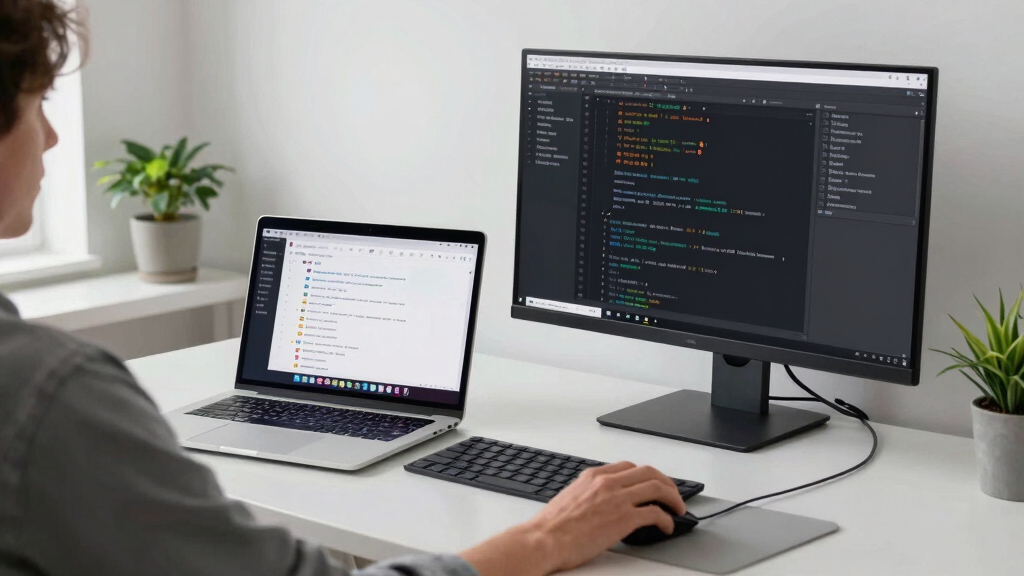

Searching for the best software development collaboration tools in 2026? The right tools can streamline workflows, improve communication, and foster teamwork across your projects. Git-based version control remains essential, but integrating automation and project management solutions can boost productivity. The tradeoffs often involve balancing ease of use against advanced features, or cost versus flexibility. Continue reading for a detailed breakdown of the top options and how they compare for different team needs.

Get business pricing on monitors, keyboards and dev gear
- Business-only prices and quantity discounts
- Tax-exempt purchasing
- Multiple users, one account, clear invoices
Key Takeaways
- Top picks combine version control, automation, and project management to support comprehensive collaboration.
- Ease of integration with existing workflows is a key factor that separates the best tools from the rest.
- Pricing and scalability significantly influence suitability for small teams versus large organizations.
- User experience and learning curve vary widely, affecting adoption rates for new team members.
- Many tools now incorporate AI features to enhance communication and automate routine tasks.




| software development collaboration tool | Focus | Suitable for | Author | Pages |
|---|---|---|---|---|
| Version Control with Git: Powe | Advanced Git workflows | Intermediate to advanced developers | Scott Chacon | 450 |
| Automating Workflows with GitH | Automation with GitHub Actions | Teams adopting GitHub CI/CD | Katelyn Gadd | 250 |
| Ultimate Agile Administration | Jira administration and automation | Jira power users and tool specialists | Doug DeCarlo | 350 |
| Collaboration Explained: Facil | Team facilitation in agile projects | Software project leaders and agile coaches | Craig L. Pearce | 200 |
| Mastering JIRA for Agile Proje | JIRA and Confluence in Agile projects | Teams new to JIRA and Confluence | Daniel Schenkel | 280 |
| Effective DevOps: Building a C | DevOps culture and scaling | Large organizations | — | — |
| Learning Git: A Hands-On and V | Git basics and visualization | — | — | — |
| Technical Writing for Software | Communication, collaboration, AI tools | — | — | — |
| Technical Writing for Software | Developer communication, collaboration, AI | — | — | — |
| Pro Windows Subsystem for Linu | Cross-platform development, WSL | — | — | — |
More Details on Our Top Picks
Version Control with Git: Powerful Tools and Techniques for Collaborative Software Development
This book stands out for its thorough exploration of Git’s advanced features and workflows, making it a must-have for teams that rely heavily on version control. Compared with Learning Git, which covers basics, this guide dives into collaborative strategies and complex tools, though it might feel overwhelming for beginners. Its in-depth coverage helps teams improve code management and coordination, but the lack of practical exercises limits hands-on learning. If your goal is to elevate your team’s Git expertise, this resource delivers comprehensive insights that can transform your development process.
Pros:- Extensive coverage of Git tools and advanced techniques
- Aligns well with collaborative development workflows
- Helps improve team productivity and code consistency
Cons:- No practical exercises or step-by-step tutorials
- Can be dense and technical for readers new to version control
Best for: Software development teams seeking to deepen their Git knowledge and improve collaboration workflows
Not ideal for: Beginners or teams looking for quick-start guides; it assumes prior familiarity with Git concepts
- Author:Scott Chacon
- Pages:450
- Publication Year:2015
- Focus:Advanced Git workflows
- Suitable for:Intermediate to advanced developers
Our verdict“This book is best suited for experienced developers and teams aiming to master Git for complex, collaborative projects.”
Automating Workflows with GitHub Actions: Automate Software Development Workflows and Seamless Deployment
This guide makes automating development pipelines with GitHub Actions straightforward, especially compared to traditional manual processes or less integrated tools. It excels in providing practical, real-world examples that help teams streamline build, test, and deployment tasks, but it doesn’t specify technical prerequisites, which can lead to challenges for teams new to automation. The focus on automation efficiency makes it ideal for teams looking to reduce manual overhead, though those seeking a broader automation toolset beyond GitHub might find it limiting. Overall, it’s a practical choice for teams committed to integrating CI/CD deeply into their development cycle.
Pros:- Clear, practical guidance on automating with GitHub Actions
- Includes real-world, applicable examples
- Helps accelerate deployment cycles and reduce manual errors
Cons:- Lacks detailed technical prerequisites or setup requirements
- Limited to GitHub ecosystem, not suitable for multi-platform automation
Best for: Development teams aiming to implement or improve CI/CD pipelines using GitHub Actions
Not ideal for: Teams seeking a comprehensive automation platform that extends beyond GitHub or with complex pre-existing workflows
- Author:Katelyn Gadd
- Pages:250
- Publication Year:2021
- Focus:Automation with GitHub Actions
- Suitable for:Teams adopting GitHub CI/CD
Our verdict“This book is ideal for teams wanting to leverage GitHub Actions specifically for automation and deployment efficiency.”
Ultimate Agile Administration with Jira: Solutions for Agile Project Management Using Dashboards, Automation Rules, and Plugin Integration
This book offers detailed, technical guidance on customizing Jira for agile teams, surpassing more general project management resources like Mastering JIRA for Agile Projects. It excels in automation and plugin integration, but its dense content may overwhelm newcomers or casual users. Designed for Jira administrators and tool specialists, it provides actionable insights to optimize workflows and dashboards, though it assumes a solid understanding of Jira’s architecture. For teams seeking to fully leverage Jira’s capabilities, this guide offers depth and practical solutions, but it’s less suitable for those new to the platform.
Pros:- Deep dive into Jira administration and customization
- Practical automation and plugin integration guidance
- Helps teams tailor Jira to complex workflows
Cons:- Content can be highly technical and complex
- No beginner-friendly explanations or step-by-step tutorials
Best for: Jira administrators and agile tool specialists looking to customize and automate workflows
Not ideal for: Teams or individuals new to Jira without prior experience, seeking introductory guidance
- Author:Doug DeCarlo
- Pages:350
- Publication Year:2022
- Focus:Jira administration and automation
- Suitable for:Jira power users and tool specialists
Our verdict“Ideal for experienced Jira administrators aiming to maximize automation and customization for agile teams.”
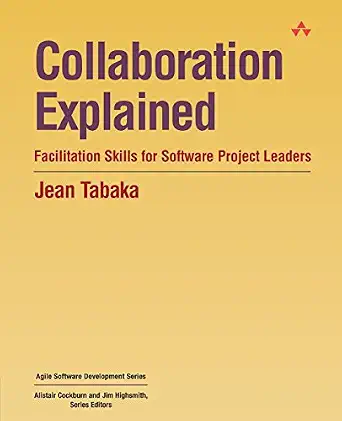
Collaboration Explained: Facilitation Skills for Software Project Leaders (Agile Software Development Series)
This book emphasizes effective facilitation and communication skills tailored for project leaders in agile environments, contrasting with technical guides like Version Control with Git. It’s valuable for leaders seeking to boost team cohesion and communication, with practical techniques that improve collaboration, but it’s less relevant for team members or those seeking technical process automation. The focus on soft skills complements technical tools by fostering better team dynamics, although its limited scope means it’s not suited for non-leadership roles. If improving team facilitation is your priority, this resource offers actionable insights.
Pros:- Focuses on facilitation and communication skills
- Provides practical techniques for team collaboration
- Enhances leadership effectiveness in agile projects
Cons:- Limited to leadership and facilitation; not technical
- No detailed specifications or process automation guidance
Best for: Software project leaders and Scrum Masters aiming to enhance team facilitation and communication
Not ideal for: Developers or technical team members seeking hands-on technical tools or automation strategies
- Author:Craig L. Pearce
- Pages:200
- Publication Year:2010
- Focus:Team facilitation in agile projects
- Suitable for:Software project leaders and agile coaches
Our verdict“Best suited for project leaders and Scrum Masters wanting to sharpen facilitation skills to boost team collaboration.”
Mastering JIRA for Agile Projects: A Practical Guide with Real-World Examples (Confluence Included)
Compared to the more technical Ultimate Agile Administration with Jira, this guide offers a more accessible, example-driven approach to using JIRA and Confluence for agile teams. Its real-world scenarios make it easier for teams to implement project tracking and collaboration improvements, though it lacks detailed specifications and may not cover advanced customization. It’s especially useful for teams new to JIRA or those seeking practical, step-by-step guidance to improve project visibility and document management, but less appropriate for seasoned administrators looking for deep technical insights. For teams wanting real-world solutions, this book provides practical, actionable advice.
Pros:- Real-world examples simplify implementation
- Includes tips for Confluence integration
- Effective for improving project tracking and documentation
Cons:- Lacks detailed technical specifications
- May be too basic for advanced Jira users
Best for: Agile teams and project managers new to JIRA and Confluence seeking practical implementation tips
Not ideal for: Experienced Jira administrators or teams needing advanced customization and technical deep dives
- Author:Daniel Schenkel
- Pages:280
- Publication Year:2020
- Focus:JIRA and Confluence in Agile projects
- Suitable for:Teams new to JIRA and Confluence
Our verdict“Ideal for agile teams and managers looking for practical guidance on using JIRA and Confluence together effectively.”
Effective DevOps: Building a Culture of Collaboration, Affinity, and Tooling at Scale
This book stands out for its focus on cultivating a collaborative DevOps environment at scale, making it ideal for organizations looking to embed teamwork deeply into their practices. Unlike technical manuals like Learning Git, it emphasizes cultural shifts rather than hands-on coding, which can be a limitation for those seeking immediate technical skills. The strategies provided are practical for managers and team leads aiming to foster cooperation across departments, but it doesn’t dive into specific technical tutorials, making it less useful for individual developers. Pros: Practical strategies for DevOps implementation; Focuses on building a collaborative culture; Suitable for scaling DevOps practices. Cons: Lacks detailed technical tutorials; May be too high-level for beginners.
Verdict: This pick is best suited for team leaders and organizations aiming to develop a cohesive DevOps culture rather than technical practitioners seeking hands-on guides.Pros:- Provides practical strategies for DevOps implementation
- Focuses on building a collaborative culture
- Suitable for scaling DevOps practices
Cons:- Lacks detailed technical tutorials
- May be too high-level for beginners
Best for: DevOps managers and team leads implementing cultural change at large organizations
Not ideal for: Individual developers seeking hands-on technical tutorials or detailed CI/CD workflows
- Focus:DevOps culture and scaling
- Audience:Managers, team leads
- Approach:Strategic, cultural
- Level:High-level, non-technical
- Suitable for:Large organizations
- Limitations:Lacks technical tutorials
Our verdict“This book is ideal for leaders and organizations aiming to foster a collaborative DevOps environment at scale.”
Learning Git: A Hands-On and Visual Guide to the Basics of Git
This book makes a strong case for visual, hands-on learning, which sets it apart from more text-heavy guides like Technical Writing for Software Developers. It’s tailored for newcomers who need clear step-by-step exercises to grasp Git fundamentals, but it doesn’t cover advanced topics or provide practice files, which may limit progress for those ready to dive deeper. Compared with Pro Windows Subsystem for Linux, it’s more accessible for beginners but less useful for those already comfortable with command-line tools. The emphasis on visual explanations helps demystify version control, making it a great starting point for teams onboarding Git. Pros: Clear and visual explanations; Hands-on exercises enhance learning; Suitable for beginners. Cons: Lacks detailed advanced topics; No included practice files.
Verdict: This book is perfect for new developers seeking an engaging, visual introduction to Git without overwhelming technical complexity.Pros:- Clear and visual explanations
- Hands-on exercises enhance learning
- Suitable for beginners
Cons:- Lacks detailed advanced topics
- No included practice files
Best for: Beginners needing a visual, step-by-step guide to Git fundamentals
Not ideal for: Experienced developers looking for advanced version control techniques or practice files
- Focus:Git basics and visualization
- Audience:Beginners, new developers
- Approach:Hands-on, visual
- Level:Beginner
- Prerequisites:None
- Additional features:Exercises, diagrams
Our verdict“Ideal for newcomers to Git who want a straightforward, visual learning resource.”
Technical Writing for Software Engineers: Boost Communication, Foster Collaboration, and Utilize AI Tools in Software Development
This book emphasizes enhancing technical communication skills, which is a different focus compared to Learning Git‘s technical tutorials. It provides strategies for clearer writing and better team collaboration, with insights into integrating AI tools into workflows. While its guidance is practical, it tends to lack concrete technical examples and may be too advanced for beginners who need foundational skills first. Compared to Pro Windows Subsystem for Linux, its scope is broader, covering communication rather than specific development environments. This makes it a valuable resource for developers looking to improve team synergy through better documentation and AI-assisted tools. Pros: Enhances technical communication skills; Fosters better team collaboration; Includes insights on AI tool integration. Cons: Lacks detailed technical examples; May be too advanced for absolute beginners.
Verdict: Best suited for experienced developers and teams aiming to elevate their technical writing and communication practices.Pros:- Enhances technical communication skills
- Fosters better team collaboration
- Includes insights on AI tool integration
Cons:- Lacks detailed technical examples
- May be too advanced for beginners
Best for: Software engineers and team leads seeking to improve documentation and collaboration through better communication
Not ideal for: Beginners without foundational technical writing skills or those seeking detailed technical tutorials
- Focus:Communication, collaboration, AI tools
- Audience:Software engineers, team leads
- Approach:Strategic, practical
- Level:Intermediate to advanced
- Topics covered:Technical writing, AI integration
- Application:Team communication, documentation
Our verdict“This book is designed for experienced developers who want to strengthen their communication and team synergy with AI tools.”
Technical Writing for Software Developers: Enhance Communication, Improve Collaboration, and Leverage AI Tools for Software Development
Compared with Technical Writing for Software Engineers, this book is geared directly toward developers, emphasizing how to craft clearer documentation and improve teamwork. It covers collaboration strategies and AI tools, but its lack of specific product features or detailed examples may limit its immediate practical usefulness. With no customer reviews, it’s harder to gauge its real-world impact, but it appears to serve as a foundational guide rather than an advanced manual. For developers ready to enhance their communication skills without extensive technical tutorials, this could be a good entry point. However, it might not satisfy those looking for detailed step-by-step guides or reviews of AI tools in action. Pros: Focuses on developer-specific communication; Covers collaboration strategies; Includes AI tools insights. Cons: No detailed product features or real-world examples; Limited practical exercises.
Verdict: This book suits developers seeking to improve their communication and collaboration skills with a focus on AI.Pros:- Focuses on developer-specific communication
- Covers collaboration strategies
- Includes AI tools insights
Cons:- No detailed product features or real-world examples
- Limited practical exercises
Best for: Developers aiming to strengthen their technical writing and collaboration without needing detailed tutorials
Not ideal for: Beginners or those seeking detailed technical instructions on specific AI tools or workflows
- Focus:Developer communication, collaboration, AI
- Audience:Software developers
- Approach:Theoretical, strategic
- Level:Intermediate
- Features:Communication techniques, AI insights
- Limitations:Lacks detailed examples
Our verdict“Ideal for developers looking to boost their communication and teamwork skills with a focus on AI integration.”
Pro Windows Subsystem for Linux (WSL): Powerful Tools and Practices for Cross-Platform Development and Collaboration
This book excels in guiding developers who work across Windows and Linux environments, offering in-depth coverage of WSL tools and collaboration practices. Compared with Learning Git, which focuses on version control, Pro Windows Subsystem for Linux dives into environment-specific workflows and tools, making it more suited for developers managing cross-platform projects. Its detailed practices help improve collaboration when teams are split between different operating systems, but it might be too technical for beginners unfamiliar with Linux command-line tools. For teams already comfortable with basic Linux, this resource amplifies collaboration efficiency significantly. Pros: In-depth coverage of WSL tools and practices; Enhances cross-platform development skills; Suitable for developers working in mixed environments. Cons: No specific technical details or features listed; May be too advanced for those new to Linux or WSL.
Verdict: This book is best for developers seeking to optimize collaboration and workflows across Windows and Linux environments with advanced tools.Pros:- In-depth coverage of WSL tools and practices
- Enhances cross-platform development skills
- Suitable for collaborative workflows
Cons:- No specific technical details or features listed
- May be too advanced for beginners
Best for: Developers involved in cross-platform projects using Windows and Linux
Not ideal for: Beginners or developers who only work in one OS environment without needing WSL integration
- Focus:Cross-platform development, WSL
- Audience:Developers using Windows/Linux
- Approach:Technical, practical
- Level:Intermediate to advanced
- Topics:WSL tools, cross-platform workflows
- Ideal for:Teams working across OS environments
Our verdict“Ideal for experienced developers aiming to improve cross-platform collaboration with advanced WSL techniques.”
How We Picked
We evaluated each software development collaboration tool based on core criteria like performance, usability, and integration capabilities. Additional factors such as scalability, cost-effectiveness, and user feedback also influenced our rankings. Our goal was to identify solutions that balance powerful features with ease of use, ensuring they serve both small startups and large enterprises. Tools with strong community support and regular updates earned higher marks, reflecting their long-term reliability and adaptability.| software development collaboration tool | Author | Suitable for | Audience | Approach |
|---|---|---|---|---|
| Version Control with Git: Powe | Scott Chacon | Intermediate to advanced developers | — | — |
| Automating Workflows with GitH | Katelyn Gadd | Teams adopting GitHub CI/CD | — | — |
| Ultimate Agile Administration | Doug DeCarlo | Jira power users and tool specialists | — | — |
| Collaboration Explained: Facil | Craig L. Pearce | Software project leaders and agile coaches | — | — |
| Mastering JIRA for Agile Proje | Daniel Schenkel | Teams new to JIRA and Confluence | — | — |
| Effective DevOps: Building a C | — | Large organizations | Managers, team leads | Strategic, cultural |
| Learning Git: A Hands-On and V | — | — | Beginners, new developers | Hands-on, visual |
| Technical Writing for Software | — | — | Software engineers, team leads | Strategic, practical |
| Technical Writing for Software | — | — | Software developers | Theoretical, strategic |
| Pro Windows Subsystem for Linu | — | — | Developers using Windows/Linux | Technical, practical |
Factors to Consider When Choosing Software Development Collaboration Tools
Choosing the right software development collaboration tool depends on your team size, project complexity, and workflow preferences. Beyond basic features, consider how well a tool integrates with your existing tech stack and whether it supports your development methodologies. Cost is important, but so is scalability—what works for a small team may not suit a growing organization. Ease of onboarding and user experience also matter, especially if quick adoption is a priority. Think about future needs, such as automation or AI capabilities, to ensure your investment remains valuable over time.Integration and Compatibility
Effective collaboration tools should seamlessly connect with your existing development environment, including IDEs, CI/CD pipelines, and communication platforms. Poor integration can create silos and reduce productivity. Consider tools that offer robust APIs or pre-built integrations to streamline workflows and avoid duplication of effort. Also, verify compatibility with your team’s preferred operating systems and project management methodologies.
Ease of Use and Learning Curve
Even the most feature-rich tools can be underutilized if they are difficult to adopt. A straightforward interface and clear onboarding processes help teams get started quickly, especially for new members. However, simplicity should not come at the expense of essential advanced features needed for complex projects. Balance ease of use with the depth of functionality your team requires, and consider the availability of training resources or community support.
Scalability and Cost
Cost considerations extend beyond initial purchase—look at how pricing scales with team size and feature add-ons. Smaller teams or startups often prioritize affordable plans, while larger organizations may need enterprise-grade solutions with advanced security and customization. Ensure the tool can grow with your team without requiring disruptive migrations or significant additional investments.
Automation and AI Features
Automation can dramatically improve efficiency by reducing manual tasks such as code reviews, deployment, or notifications. AI-powered features like intelligent code suggestions or predictive analytics can further enhance collaboration. However, these features often come at a higher price and may require more setup time. Assess whether the added complexity aligns with your team’s technical maturity and needs.
Support and Community
Reliable support channels and an active user community can save time and frustration when issues arise. Look for tools with comprehensive documentation, responsive customer service, and a vibrant ecosystem of plugins or integrations. This support network can be especially valuable for teams adopting new or complex tools, ensuring smooth ongoing operations and continuous improvement.
Frequently Asked Questions
How do I choose between free and paid collaboration tools?
Free tools can be sufficient for small teams or simple projects, offering basic features that support essential collaboration. However, paid solutions often include advanced capabilities, better support, and higher security, which are critical for larger teams or sensitive projects. Consider your team size, project complexity, and security requirements before deciding. Investing in paid tools can reduce limitations and improve overall productivity, especially as your team scales.
Are all collaboration tools suitable for agile development?
While many collaboration tools support agile workflows, not all are equally effective for iterative project management. Tools that offer customizable dashboards, automation rules, and real-time notifications tend to facilitate agile practices. For teams practicing Scrum or Kanban, selecting a platform with visual boards and flexible workflows can significantly improve productivity. Evaluate whether the tool aligns with your specific agile methodology before committing.
What features should I prioritize for remote development teams?
Remote teams benefit from real-time communication, screen sharing, and integrated chat or video conferencing. Version control and automated CI/CD pipelines are also essential to maintain consistency across dispersed locations. Look for tools that support cloud-based access, mobile compatibility, and remote-friendly collaboration features. Prioritizing these functions helps ensure your team remains aligned and productive regardless of physical distance.
How important is security in choosing collaboration tools?
Security should be a primary concern, especially when handling sensitive code, user data, or client information. Look for tools with strong encryption, role-based access controls, and compliance with industry standards like GDPR or SOC 2. Robust security features protect your intellectual property and minimize risk, making it worthwhile to invest in solutions with enterprise-grade security measures, even if they come at a higher cost.
Can I customize collaboration tools to fit my team’s unique workflows?
Many leading tools offer customization options such as custom dashboards, automation rules, and plugin integrations. This flexibility allows teams to tailor the platform to their specific development processes, increasing efficiency. However, highly customizable tools may require more setup and training, so weigh the benefits against the complexity involved. Choosing a platform with a balance of flexibility and ease of configuration often yields the best long-term results.
Conclusion
For teams seeking the best overall balance of features and ease of use, GitHub Enterprise or Jira Software stand out. Small startups or teams on a budget should consider GitLab for its affordability and comprehensive feature set. Larger organizations that prioritize security and customization may lean toward Azure DevOps or Atlassian Bitbucket. Beginners will find platforms like GitHub Desktop or GitKraken more approachable, while teams with complex workflows should focus on tools with automation and AI capabilities. Matching the right tool to your team’s size, maturity, and project needs will maximize collaboration and productivity in 2026.
Fall Picks
fall essentials
As an affiliate, we earn on qualifying purchases.