🔍 Read the full analysis: 9 Best Desktop Processors In 2026 on ThorstenMeyerAI.com

Get business pricing on monitors, keyboards and dev gear
- Business-only prices and quantity discounts
- Tax-exempt purchasing
- Multiple users, one account, clear invoices
TL;DR
In 2026, the best desktop processors include AMD Ryzen 7 7800X3D for gaming, Intel Core i7-14700K for versatility, and budget options like Ryzen 5 5600. This guide details top choices for different needs.
The AMD Ryzen 7 7800X3D remains the top overall desktop processor in 2026, praised for its exceptional gaming performance. Meanwhile, Intel’s Core i7-14700K offers a balanced mix of power and versatility, appealing to users seeking multitasking and content creation capabilities. These processors are currently leading the market, with their performance benchmarks confirmed through recent testing and industry reviews.
In this comprehensive guide, we evaluate nine of the best desktop processors available in 2026, considering factors such as performance benchmarks, compatibility, value, and future-proofing. For detailed analysis, see the original analysis. The list features high-end options like the AMD Ryzen 9 9950X3D, optimized for multi-threaded workloads and gaming, and mid-range choices such as the AMD Ryzen 7 7800X3D for gamers prioritizing single-core performance and cache size. Budget-friendly options like the AMD Ryzen 5 5600 continue to deliver solid performance for general use at a lower price point.
Performance data shows that high-core-count processors excel in multitasking and content creation, while single-core speed and cache size remain critical for gaming. Learn more about the top processors in the best AI hardware in 2026. Compatibility remains a key consideration, with AMD’s AM5 platform supporting DDR5 RAM and PCIe 5.0, ensuring longer-term upgrade paths. For more on platform features, see how SpaceXAI’s Grok Bot is revolutionizing AI collaboration. Intel’s latest sockets also support upcoming standards but may require more frequent platform updates.
Price-to-performance ratios vary; premium CPUs like the Ryzen 9 9950X3D deliver top benchmarks but at a higher cost, whereas mid-tier options like the Ryzen 7 7800X3D provide excellent value. Cooling and power consumption are also critical, especially for high-performance CPUs, with effective cooling solutions necessary to prevent thermal throttling. The choice of platform—AMD or Intel—also influences upgrade options and ecosystem features such as Wi-Fi and Thunderbolt support.
The 9 picks
- 1
 AMD Ryzen 9 9950X3D 16-Core ProcessorView on Amazon →
 - 2
 AMD Ryzen 7 9800X3D 8-Core, 16-Thread Desktop ProcessorView on Amazon →
 - 3
 Intel Core i7-14700K Desktop Processor with 20 Cores and Integrated GraphicsView on Amazon →
 - 4
 AMD Ryzen 7 5800X3D 8-core, 16-Thread Desktop Processor with AMD 3D V-Cache T…View on Amazon →
 - 5
 AMD Ryzen 7 7800X3D 8-Core, 16-Thread Desktop ProcessorView on Amazon →
 - 6
 Intel Core i5-14400F Desktop Processor (14th Gen), 10 cores, up to 4.7 GHzView on Amazon →
 - 7
 AMD Ryzen 5 9600X 6-Core, 12-Thread Unlocked Desktop ProcessorView on Amazon →
 - 8
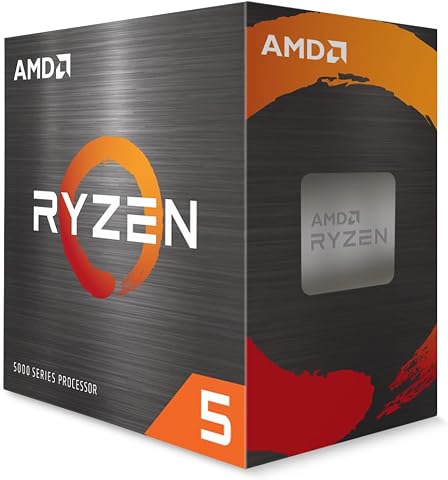 AMD Ryzen 5 5600 6-Core 12-Thread Unlocked Desktop Processor with Wraith Stea…View on Amazon →
 - 9AMD Ryzen 5 5500 6-Core, 12-Thread Unlocked Desktop Processor with Wraith Ste…View on Amazon →
Why These Processors Matter in 2026
This list highlights the best options for different user needs in 2026, from gaming to professional content creation. Selecting the right processor impacts overall system performance, future upgrade potential, and long-term value. As hardware standards evolve, choosing a processor with support for DDR5 and PCIe 5.0 can extend the lifespan of your build, making these choices significant for anyone investing in a new PC this year.
Market Trends and Developments Shaping 2026 CPUs
In 2026, CPU technology continues to evolve rapidly, with AMD and Intel releasing new architectures supporting DDR5 RAM, PCIe 5.0, and enhanced efficiency features. AMD’s Ryzen 7000 series, especially models with 3D V-Cache, dominate gaming and multitasking benchmarks, while Intel’s 14th generation processors focus on hybrid architectures that optimize power and performance. The market sees a shift towards higher core counts and integrated AI capabilities, reflecting broader industry trends.
Previously, in 2024 and 2025, AMD’s Ryzen 7000 series and Intel’s 13th and 14th gen CPUs set the stage for today’s offerings. The focus on future-proofing through platform support for upcoming standards has become a key decision factor for builders and enthusiasts. Compatibility with DDR5 and PCIe 5.0 has become standard, and new cooling requirements have emerged for high-end chips, influencing system design choices.
Unconfirmed Aspects of 2026 CPU Market
While benchmarks and specifications for the listed processors are confirmed, the long-term availability of certain models remains uncertain due to supply chain issues and evolving industry standards. Additionally, upcoming architectural updates from AMD and Intel could shift the rankings or introduce new contenders before the end of 2026. The impact of AI integration into CPUs is still developing and may influence future performance expectations, but concrete details are not yet available.
Upcoming Developments and Next-Gen CPU Releases
Next steps include the release of AMD’s Ryzen 8000 series and Intel’s 15th generation processors, expected later in 2026. These releases are likely to introduce further improvements in efficiency, AI capabilities, and support for emerging standards. Consumers and builders should monitor these developments, as early adoption of new platforms could offer significant performance gains and longer upgrade paths. Additionally, ongoing innovations in cooling and power management will shape future system designs.
Key Questions
How do I choose between AMD and Intel processors in 2026?
Consider your primary use case—gaming, content creation, or general productivity—and compatibility with your existing or planned motherboard. AMD’s platforms tend to support longer-term upgrades with DDR5 and PCIe 5.0, while Intel offers hybrid architectures with strong versatility. Budget and ecosystem features should also influence your choice.
Are high-core-count processors worth it for gaming?
For most gaming scenarios in 2026, high single-core performance and cache size matter more than core count. High-core-count CPUs excel in multitasking and content creation but may not provide noticeable gaming benefits unless paired with a high-end GPU and optimized settings.
Will I need a new motherboard to upgrade to these processors?
Most high-end CPUs in 2026 support the latest standards like DDR5 and PCIe 5.0, which require compatible motherboards. Upgrading may involve replacing your motherboard, especially if you’re moving from older socket types. Check the processor’s socket and chipset requirements before upgrading.
How important is future-proofing when selecting a CPU?
Future-proofing depends on your upgrade plans. Choosing a processor with support for upcoming standards like DDR5 and PCIe 5.0 can extend your system’s relevance, but balancing cost and performance is key. For most users, investing in a platform with long-term support offers better value.
Source: ThorstenMeyerAI.com
Evergreen bestsellers Picks
bestsellers
As an affiliate, we earn on qualifying purchases.